


Catnip (Nepeta cataria): Benefits, Uses & Natural Remedies
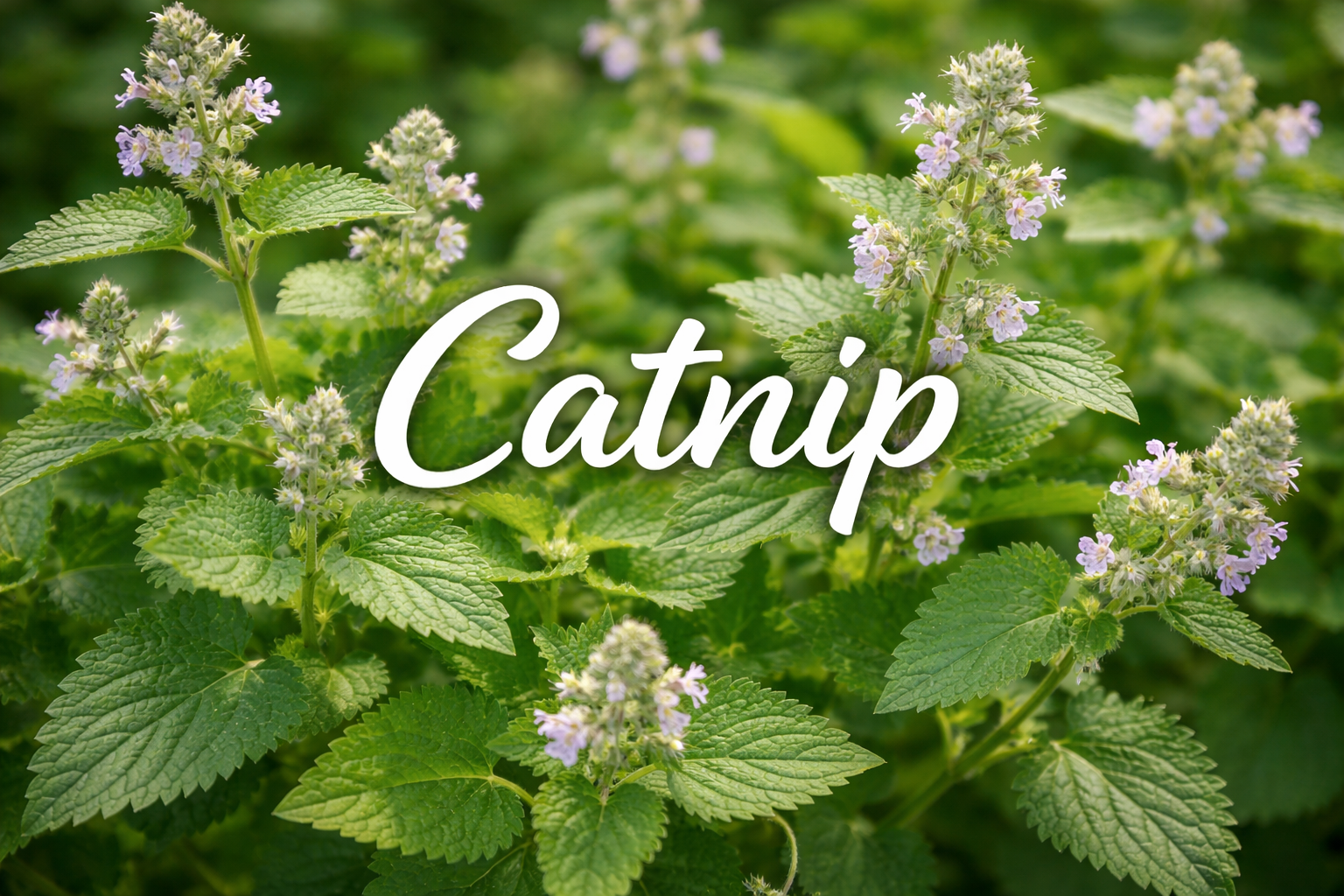
Catnip, scientifically known as Nepeta cataria, is a fragrant perennial herb from the mint family with a long history in traditional European and Middle Eastern herbal medicine. While famously known for its playful effects on cats, catnip offers gentle calming, digestive, and immune-supporting benefits for humans as well.
Rich in volatile oils and antioxidants, catnip has been used as a soothing tea, topical remedy, and even a natural insect repellent.
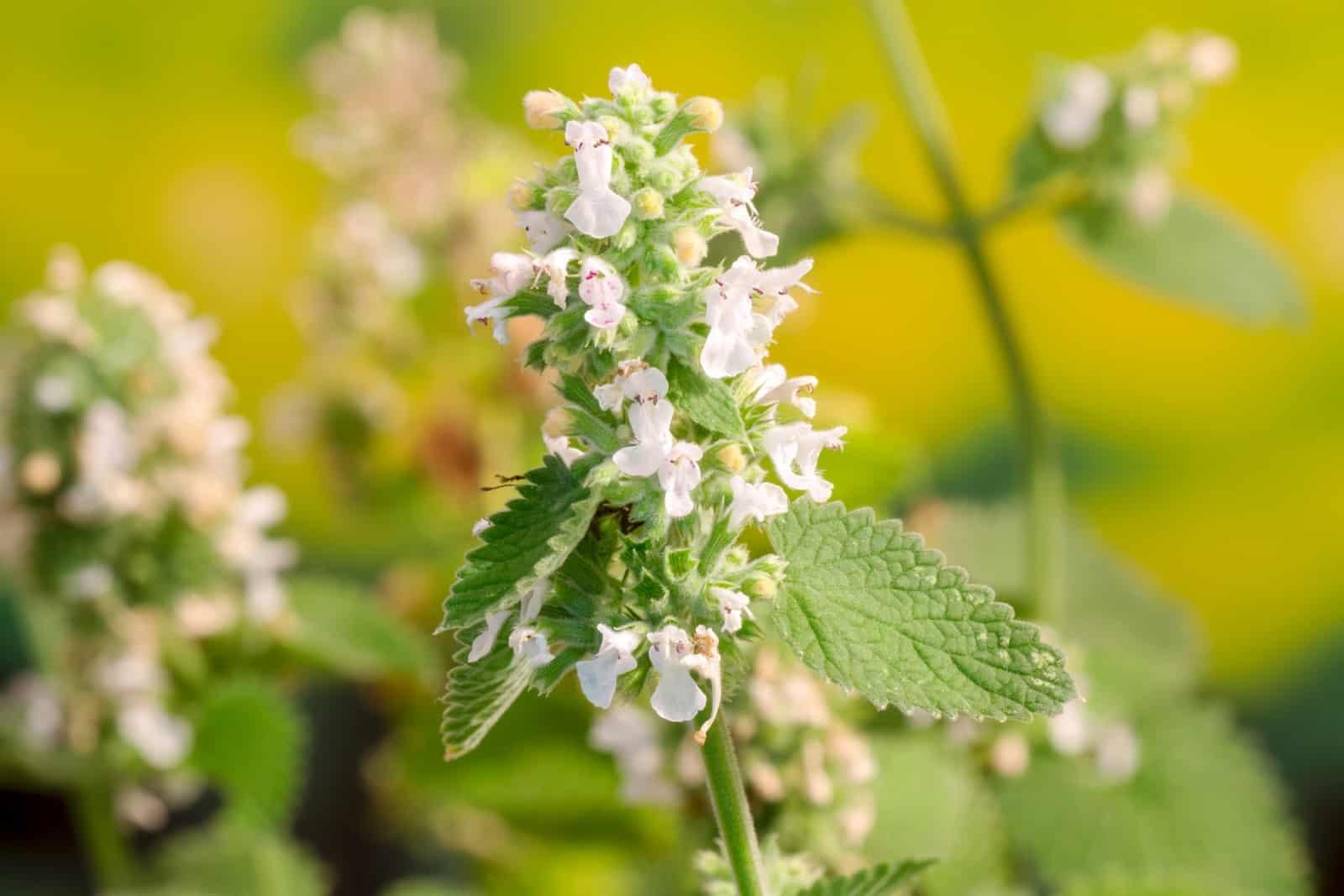
What Makes Catnip Special?
Catnip contains several active compounds, including:
- Nepetalactone: Responsible for its calming effect in humans and stimulating effect in cats
- Pinene & Thymol: Aromatic compounds with antimicrobial properties
- Tannins & Antioxidants: Support immune and digestive health
- Vitamin C: Contributes to overall wellness
Importantly, catnip tea is completely caffeine-free, making it ideal for evening use.
Benefits of Catnip for Humans
Calming & Sleep Support
Catnip acts as a mild sedative and nervine herb. It may help:
- Reduce anxiety and stress
- Ease restlessness
- Improve sleep quality
- Calm nervous tension
Digestive Relief
Traditionally used as a carminative and antispasmodic, catnip can:
- Relieve bloating and gas
- Ease stomach cramps
- Support mild cases of indigestion
- Help soothe intestinal spasms
Cold & Fever Support
A warm cup of catnip tea may:
- Encourage gentle sweating during fevers
- Help relieve cold symptoms
- Act as a mild decongestant
Topical Use
Applied as a poultice or wash, catnip may:
- Soothe insect bites
- Calm minor skin irritations
- Reduce mild swelling

Why Do Cats Love Catnip?
When cats smell catnip, the compound nepetalactone stimulates pleasure receptors in their brain. This results in a short-lived (10–15 minute) burst of playful energy, rolling, purring, jumping, and excitement.
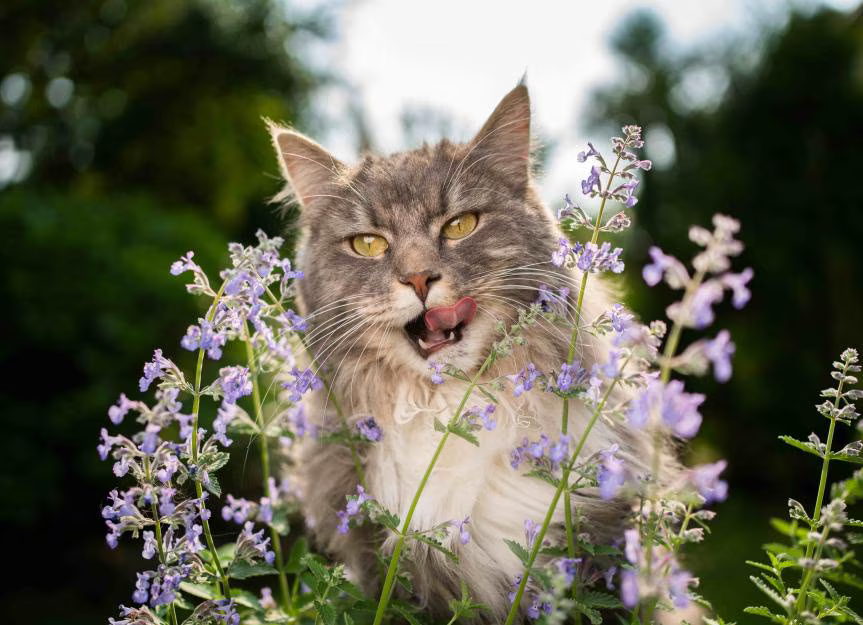
For humans, however, catnip has the opposite effect, it promotes relaxation rather than stimulation.
Natural Insect Repellent
Catnip contains high concentrations of nepetalactone, which has been shown to repel mosquitoes effectively. In some studies, it performed comparably to synthetic repellents.
How to Use Catnip
Catnip Tea (Infusion)
- Steep 1–2 teaspoons dried catnip in boiling water
- Cover and infuse for 10–15 minutes
- Strain and enjoy
- Add honey or lemon for flavor
Tincture
- Typically used in doses of 2–6 ml, up to three times daily

Poultice
- Moisten dried leaves with warm water
- Apply directly to irritated skin
Safety & Precautions
Although generally considered safe in moderate amounts, catnip should be used with caution:
- Avoid during pregnancy (may stimulate uterine contractions)
- Avoid while breastfeeding
- May enhance effects of sedatives or anti-anxiety medications
- May cause vomiting in some children
- Avoid before driving due to its calming effects
- Not recommended for those allergic to mint-family herbs
Always consult a healthcare professional before using medicinally, especially if taking medication or managing a chronic condition.
Final Thoughts
Catnip is far more than just a treat for your feline friend. With its gentle calming properties, digestive benefits, and natural immune support, it has earned its place in traditional herbal medicine for centuries.
As with all herbs, balance is key. Used responsibly, catnip tea can be a comforting, natural addition to your wellness routine, especially when relaxation and digestive comfort are needed.

- News & Current Affairs
- Business & Economy
- Finance & Money
- Education & Learning
- Technology & Innovation
- Science & Environment
- Health & Wellness
- Food & Drink
- Home, Garden & Lifestyle
- Travel & Tourism
- Fashion & Beauty
- Art & Culture
- Entertainment & Media
- Sports & Recreation
- Personal Growth & Lifestyle
- Careers & Work
- Tutorials & How-To Guides
- Real Estate & Property
- Automotive
- Family & Relationships
- Environment & Sustainability
- Law & Legal Matters
- Gaming & Esports
- Religion & Spirituality
- Community & Local Voices
- Miscellaneous
- History

