


The Fascinating History of Handbags: From Ancient Utility to Modern Identity

Handbags have been part of human life for thousands of years—long before they became the fashion icons we know today. Since the moment people needed something valuable to carry, bags have existed. And as society evolved, so did the handbag. What began as simple pouches became status symbols, storytelling canvases, travel companions, and ultimately, powerful emblems of women’s liberation and independence.
Join us on a journey through the remarkable evolution of the handbag.
When Men Carried Handbags
Here’s a surprising fact: handbags began as a man’s accessory.
Ancient Egyptian hieroglyphics show men carrying pouches tied around their waists. For centuries, bags served one purpose—function. Early humans crafted them from animal hides and plant fibres to hold tools and food. Even the word handbag, popularised around 1900, originally referred to a man’s hand-luggage piece.

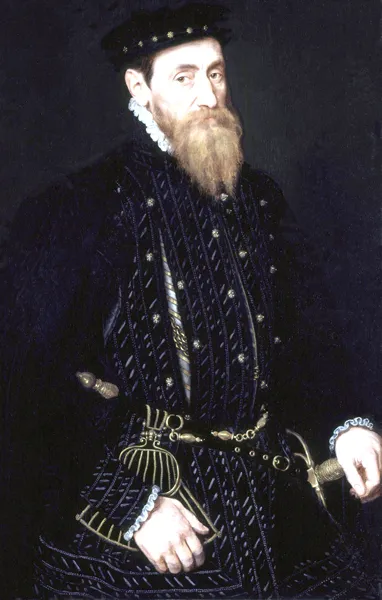
It wasn’t until the Middle Ages that bags began to take on decorative and expressive qualities. Drawstring pouches embellished with embroidery, jewels, and intricate stitching became symbols of wealth and craftsmanship. Men of higher status proudly wore luxurious purses at their waist, displaying power and prestige.
Renaissance Innovation: From Couriers to Da Vinci
The Renaissance introduced new forms of bags, especially with the rise of early courier services in Italy. Messengers used sturdy leather satchels to transport letters, money, and documents across cities.
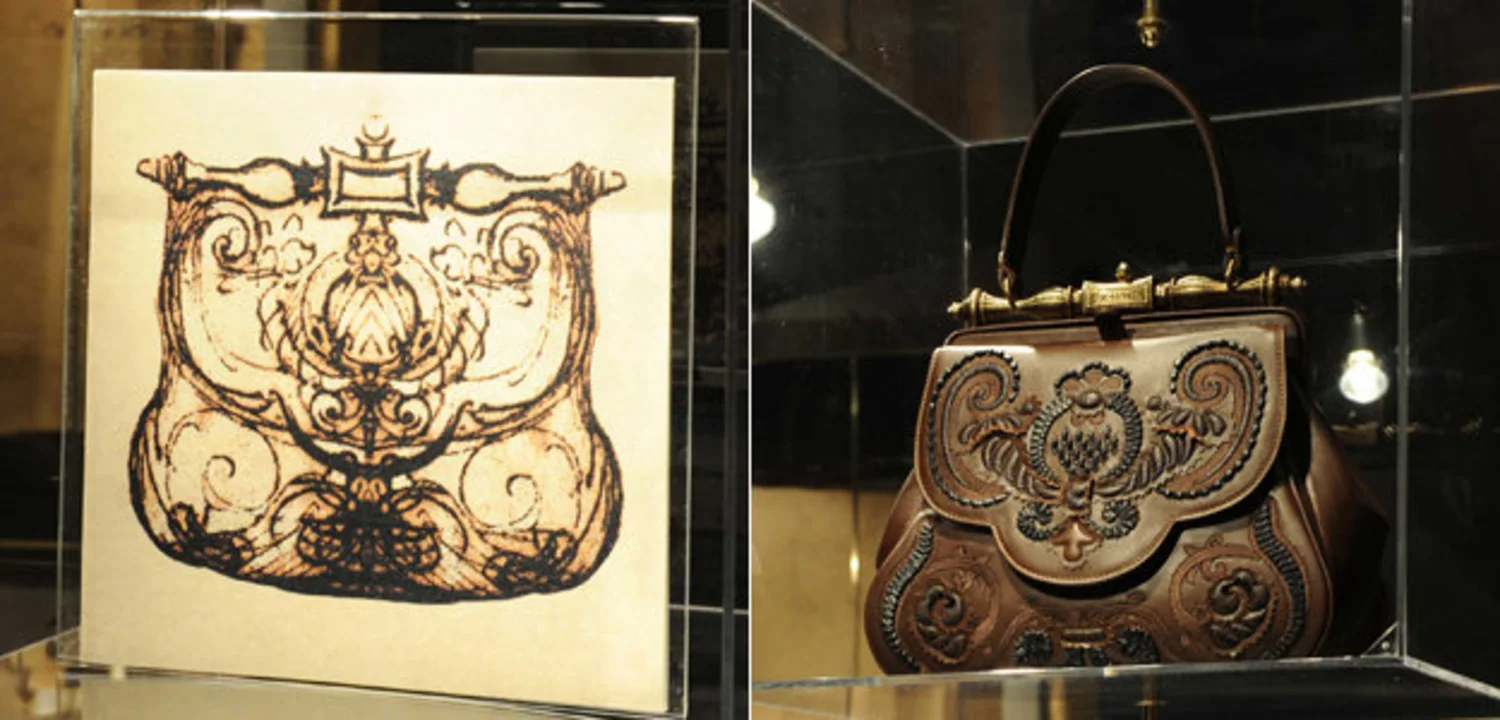
Around 1497, even Leonardo da Vinci dabbled in handbag design, sketching an ornate leather bag. Centuries later, in 2012, fashion house Gherardini brought this design to life as La Pretiosa—a tribute to Florence’s artistic heritage. Despite its beauty, Leonardo’s creation was intended for men, as women of the era still carried small drawstring purses attached to their girdles, often given as sentimental gifts adorned with love stories or poems.
These dainty pouches paved the way for the chatelaine—a decorative belt clasp from which women hung small tools, timepieces, and household accessories.

The 16th & 17th Centuries: Hidden Pouches and the Birth of Pockets
As women’s fashion shifted toward wider, more voluminous dresses, wearing ornate pouches on the outside became impractical. The solution? Hidden girdle pouches tucked beneath their skirts. This shift eventually led to the invention of sewn-in pockets.

Meanwhile, men’s clothing also progressed. Once trousers with pockets emerged around 1670, men no longer needed external pouches. Wealthier men adopted small money pouches that evolved into the early wallet. Workers and travellers, however, continued using crossbody sacks—ancestors of today’s messenger and crossbody bags.

18th Century Reticules: Bags Step Into the Spotlight
The rediscovery of Pompeii sparked a fashion revolution in the 18th century. Slimmer, neoclassical silhouettes replaced bulky garments, leaving no room for hidden pouches.
Enter the reticule—a slim, delicate purse carried by women on the wrist. Often made of silk or embroidered fabric, reticules became both functional and fashionable, and marked the beginning of the modern handbag’s identity.

Handbags and Women’s Liberation
As society shifted in the 19th century, handbags transformed into symbols of independence.
With the rise of rail travel and overseas journeys, women ventured beyond the home more frequently. They needed bags not only as fashion pieces but as practical tools for carrying tickets, money, and documents.
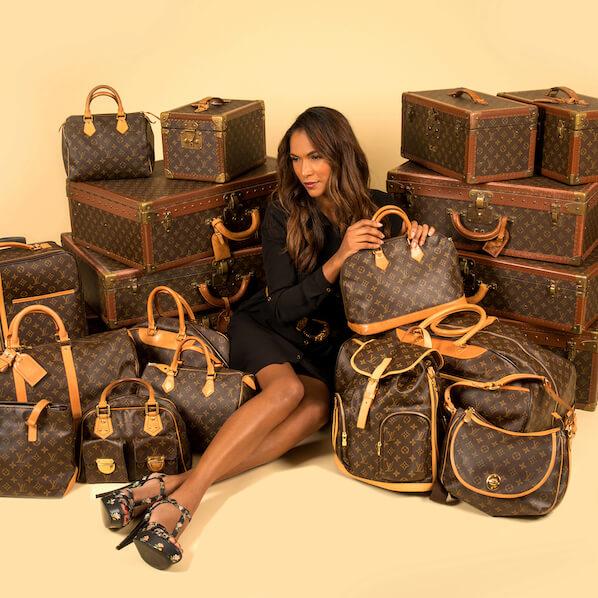
Luggage designers such as Louis Vuitton responded by creating sturdy, compartmentalized bags—miniature suitcases with handles and snap closures. These early versions of the handbag supported women’s growing freedom, mobility, and autonomy.
The 20th Century: Innovation, Identity, and Iconic Style
The 20th century marked the handbag’s most rapid evolution.
1930s – Art Deco Elegance
Bags became geometric, structured, and architectural. Interiors were designed with purpose: small compartments for lipsticks, coins, cigarettes, and compact mirrors.
1940s – Wartime Practicality
Larger, more functional daytime bags emerged as women needed space for essentials—including gas masks. Materials shifted due to shortages, introducing rayon, knitted bags, straw, and repurposed military fabric.
1950s – Luxury Takes Center Stage
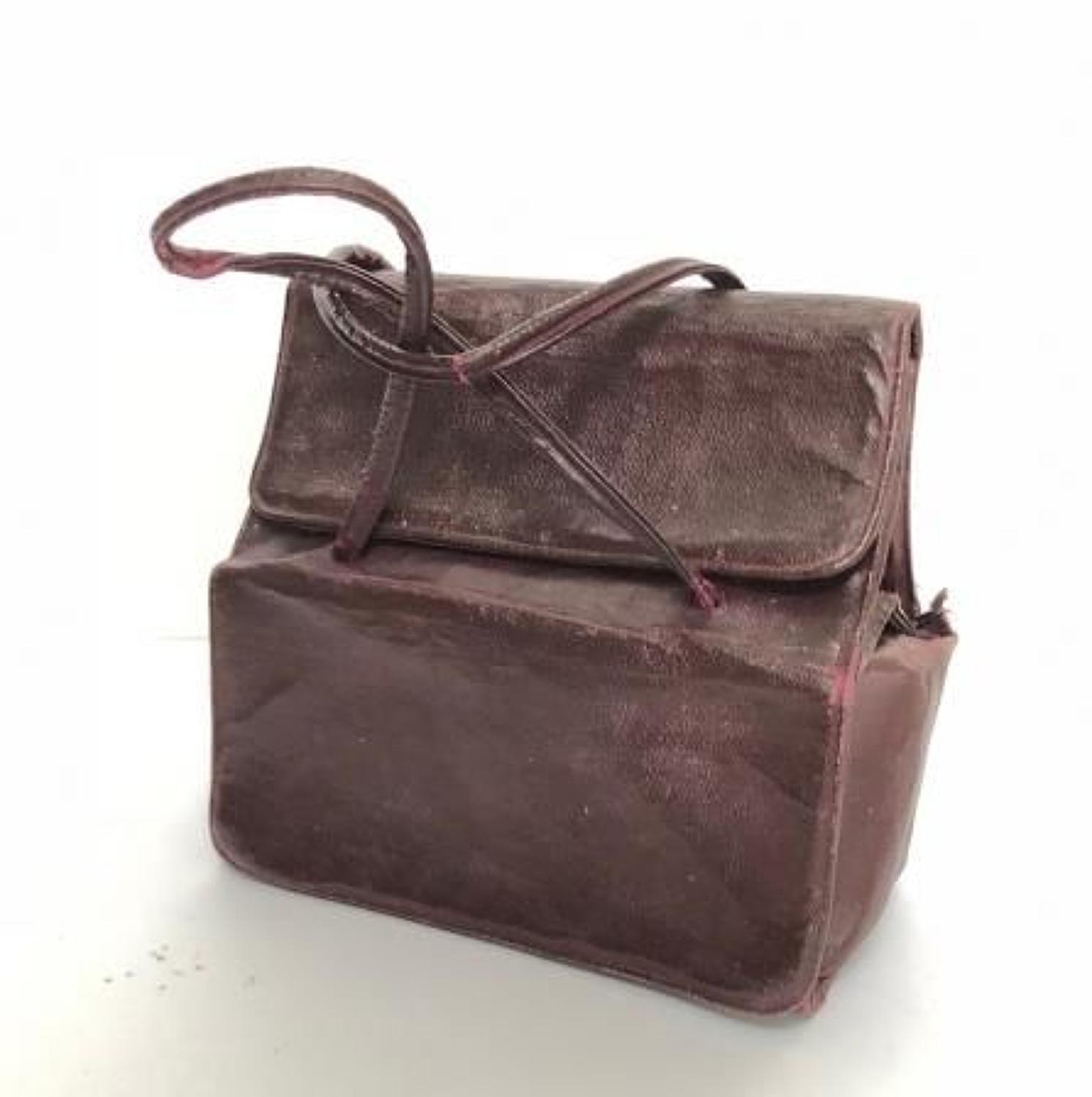
Hermès’ iconic bag named after Grace Kelly ushered in the idea of the it-bag—a glamorous symbol of sophistication and exclusivity.

1970s – The Professional Woman
As more women entered the workforce, structured, briefcase-inspired handbags became mainstream essentials.
Full Circle: The Return of the Man Bag
By the 1970s, men re-embraced the handbag—this time in the form of the “man-purse” or “murse.” These bags were masculine, sturdy, and spacious—perfect for modern needs.
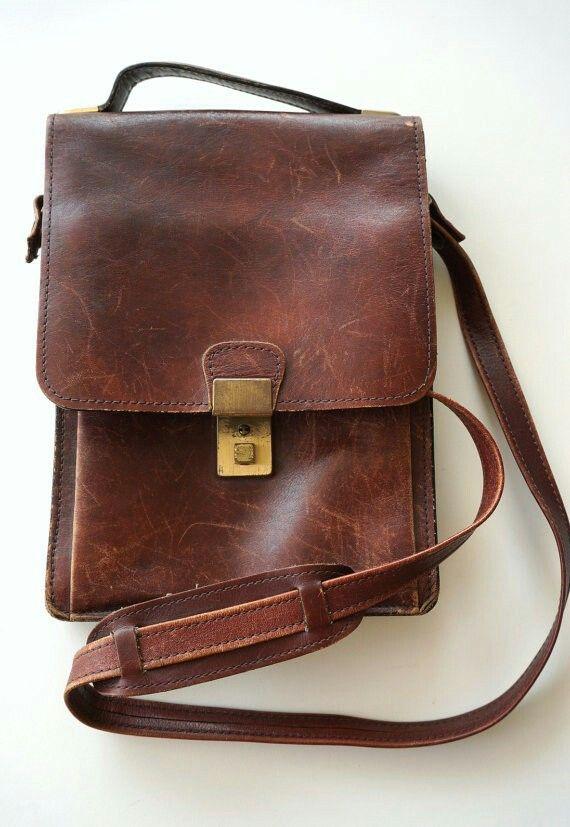
Today, crossbody bags, sling bags, and compact men’s handbags are common, proving that the accessory has truly come full circle.
Evolution of Handbag Materials
The materials used to create bags have always reflected society’s needs.
Early Materials
- Animal hides
- Woven plant fibres
- Reeds and simple leathers
Middle Ages & Renaissance
- Tooled leather
- Embroidered silks, velvets, and brocades for the upper classes
20th Century Shifts
- Canvas, burlap, and waxed canvas for durability
- Rayon and straw during wartime shortages
- Exotic skins, patent leather, vinyl, and plastics in post-war consumer culture
- Sustainable materials and recycled textiles in the late 20th century
Today, virtually any material can be used—from vegan leather and recycled plastics to high-performance fabrics and heritage leathers.
Final Thoughts: A Timeless Companion
From the animal-hide pouches of ancient hunters to the artisanal luxury handbags of today, the handbag has never stopped evolving. It reflects so much more than style—it mirrors society, independence, craftsmanship, and identity.
As technology shifts, sustainability rises, and lifestyles change, handbags continue to adapt. Whether carried by men or women, worn on the shoulder or tucked under the arm, bags remain essential companions in modern life.
The story of the handbag is far from over—and the next chapter is being written right now.


- News & Current Affairs
- Business & Economy
- Finance & Money
- Education & Learning
- Technology & Innovation
- Science & Environment
- Health & Wellness
- Food & Drink
- Home, Garden & Lifestyle
- Travel & Tourism
- Fashion & Beauty
- Art & Culture
- Entertainment & Media
- Sports & Recreation
- Personal Growth & Lifestyle
- Careers & Work
- Tutorials & How-To Guides
- Real Estate & Property
- Automotive
- Family & Relationships
- Environment & Sustainability
- Law & Legal Matters
- Gaming & Esports
- Religion & Spirituality
- Community & Local Voices
- Miscellaneous
- History