
• The 10-3-2-1-0 Sleep Rule


    You don’t have to follow the 10-3-2-1-0 rule perfectly for it to be useful.


    Think of it more as a simple framework for creating better habits around your sleep.


    10 hours before bed: consider cutting off caffeine.


    3 hours before: ideally finish large meals and alcohol.


    2 hours before: start disconnecting from work.


    1 hour before: reduce stimulating screen time when possible.


    0: try not to build a habit around repeatedly hitting snooze.


    Comment BURNOUT to get my Burnout Reset with the routines and tools I use to improve recovery and manage chronic stress.


    The exact timing will be different for everyone.


    Caffeine, for example, has a relatively long half-life, so a late afternoon coffee can still affect some people at bedtime.


    Large meals and alcohol close to bedtime can also interfere with sleep quality for some people.


    And one of the most underrated habits is simply creating a consistent transition between your workday and sleep.


    Dim the lights.


    Stop working.


    Take a warm shower.


    Do a few minutes of mobility.


    Read.


    Breathe.


    Your body doesn’t have an on/off switch.


    Give it some time to transition from stimulation into recovery.
    The 10-3-2-1-0 Sleep Rule You don’t have to follow the 10-3-2-1-0 rule perfectly for it to be useful. Think of it more as a simple framework for creating better habits around your sleep. 10 hours before bed: consider cutting off caffeine. 3 hours before: ideally finish large meals and alcohol. 2 hours before: start disconnecting from work. 1 hour before: reduce stimulating screen time when possible. 0: try not to build a habit around repeatedly hitting snooze. Comment BURNOUT to get my Burnout Reset with the routines and tools I use to improve recovery and manage chronic stress. The exact timing will be different for everyone. Caffeine, for example, has a relatively long half-life, so a late afternoon coffee can still affect some people at bedtime. Large meals and alcohol close to bedtime can also interfere with sleep quality for some people. And one of the most underrated habits is simply creating a consistent transition between your workday and sleep. Dim the lights. Stop working. Take a warm shower. Do a few minutes of mobility. Read. Breathe. Your body doesn’t have an on/off switch. Give it some time to transition from stimulation into recovery.
    Like
    Love
    4
    0 Comments 0 Shares 3K Views 0 Reviews
  • SLEEP DEPRIVATION & THE BRAIN 🧠
    What happens to your brain when you don’t get enough sleep?
    Sleep loss can affect attention, focus, reaction time, learning, memory, mood, and decision-making. Your brain needs sleep to support normal recovery and keep important functions working properly.
    One bad night can leave you feeling different the next day—but consistently poor sleep can have much broader effects.
    Your brain works all day. Give it time to reset. 😴🧠
    How many hours of sleep do you usually get?
    SLEEP DEPRIVATION & THE BRAIN 🧠 What happens to your brain when you don’t get enough sleep? Sleep loss can affect attention, focus, reaction time, learning, memory, mood, and decision-making. Your brain needs sleep to support normal recovery and keep important functions working properly. One bad night can leave you feeling different the next day—but consistently poor sleep can have much broader effects. Your brain works all day. Give it time to reset. 😴🧠 How many hours of sleep do you usually get?
    Like
    2
    0 Comments 0 Shares 3K Views 0 Reviews
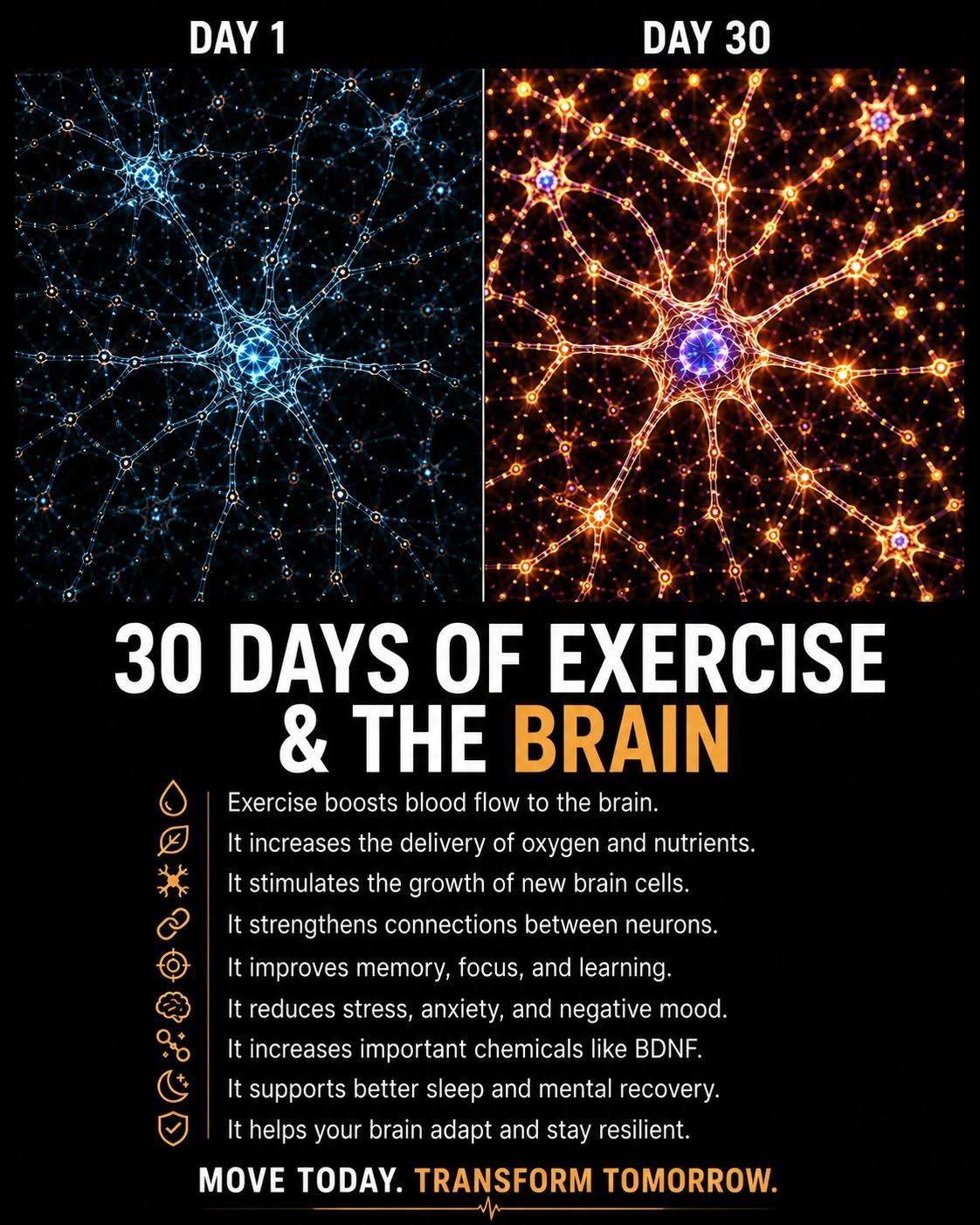
  • 30 Days of Exercise & the Brain: What Changes?


    What could 30 days of regular exercise do for your brain? πŸ§ πŸƒ
    Exercise increases blood flow to the brain and can support memory, focus, mood, sleep, and brain health. Regular physical activity is also linked to neuroplasticity and changes in brain-supporting factors such as BDNF.
    Your body isn’t the only thing that adapts to exercise — your brain does too.
    30 Days of Exercise & the Brain: What Changes? What could 30 days of regular exercise do for your brain? πŸ§ πŸƒ Exercise increases blood flow to the brain and can support memory, focus, mood, sleep, and brain health. Regular physical activity is also linked to neuroplasticity and changes in brain-supporting factors such as BDNF. Your body isn’t the only thing that adapts to exercise — your brain does too.
    Like
    Love
    2
    0 Comments 0 Shares 4K Views 0 Reviews
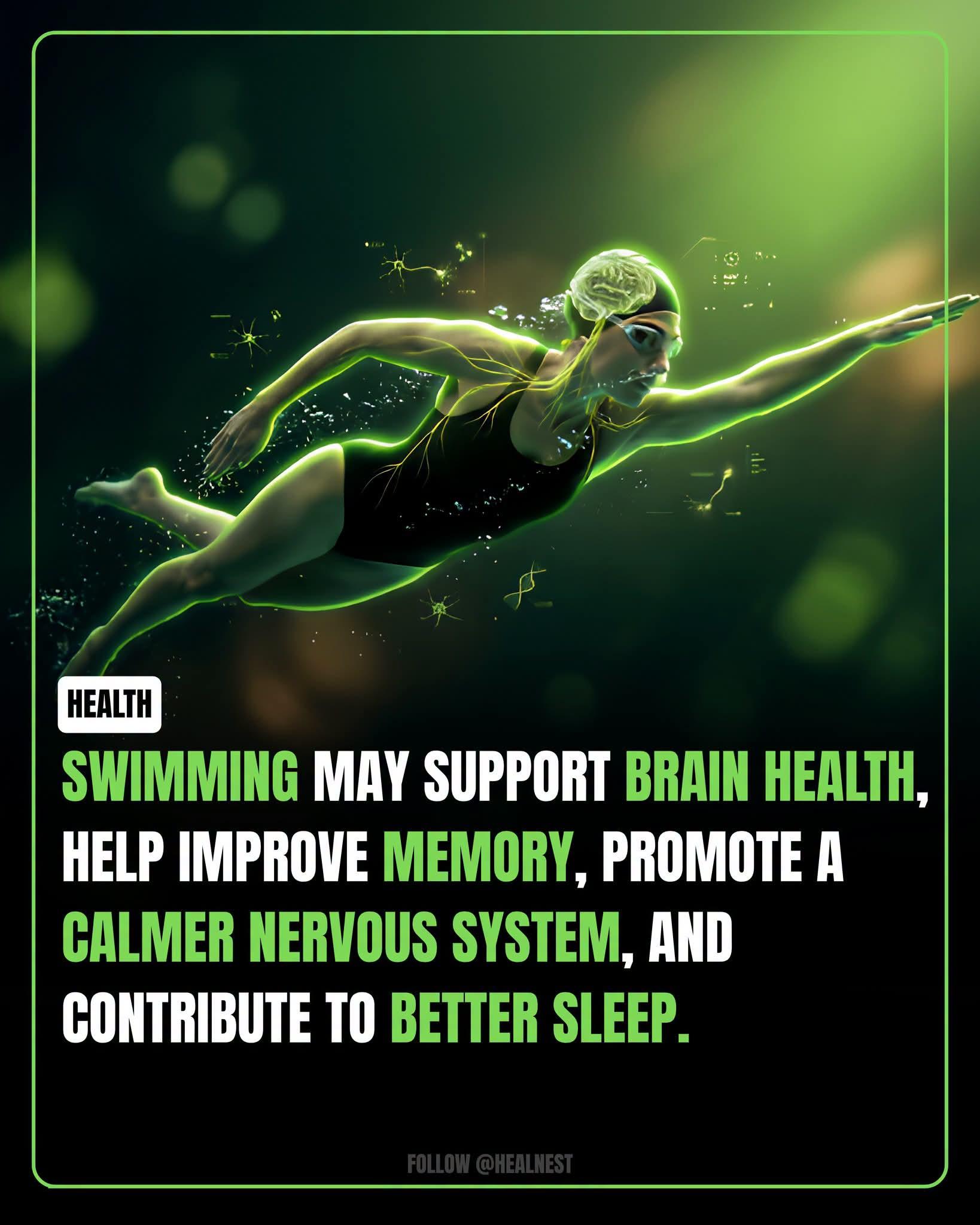
  • Swimming is more than just a full-body workoutit is also one of the most effective activities for supporting long-term brain health. Because it combines cardiovascular exercise, rhythmic breathing, and coordinated movement, swimming engages both the body and the mind at the same time. Studies suggest that regular swimming may improve memory, learning, and overall cognitive performance by increasing blood flow to the brain and encouraging the release of proteins that support healthy nerve cells and neuroplasticity. The calming effect of moving through water can also help lower stress levels, reduce anxiety, and promote a more balanced nervous system. Many swimmers report better sleep quality as consistent exercise helps regulate the body's natural sleep-wake cycle while easing physical and mental tension. In addition to benefiting the brain, swimming strengthens the heart, improves endurance, supports joint health, and builds muscular fitness with minimal impact on the body. Whether you're swimming laps, enjoying a leisurely session, or participating in water-based exercise, making swimming a regular habit can be a simple and enjoyable way to support both physical wellness and cognitive health for years to come.
    Swimming is more than just a full-body workoutit is also one of the most effective activities for supporting long-term brain health. Because it combines cardiovascular exercise, rhythmic breathing, and coordinated movement, swimming engages both the body and the mind at the same time. Studies suggest that regular swimming may improve memory, learning, and overall cognitive performance by increasing blood flow to the brain and encouraging the release of proteins that support healthy nerve cells and neuroplasticity. The calming effect of moving through water can also help lower stress levels, reduce anxiety, and promote a more balanced nervous system. Many swimmers report better sleep quality as consistent exercise helps regulate the body's natural sleep-wake cycle while easing physical and mental tension. In addition to benefiting the brain, swimming strengthens the heart, improves endurance, supports joint health, and builds muscular fitness with minimal impact on the body. Whether you're swimming laps, enjoying a leisurely session, or participating in water-based exercise, making swimming a regular habit can be a simple and enjoyable way to support both physical wellness and cognitive health for years to come.
    Love
    Like
    12
    0 Comments 0 Shares 4K Views 0 Reviews
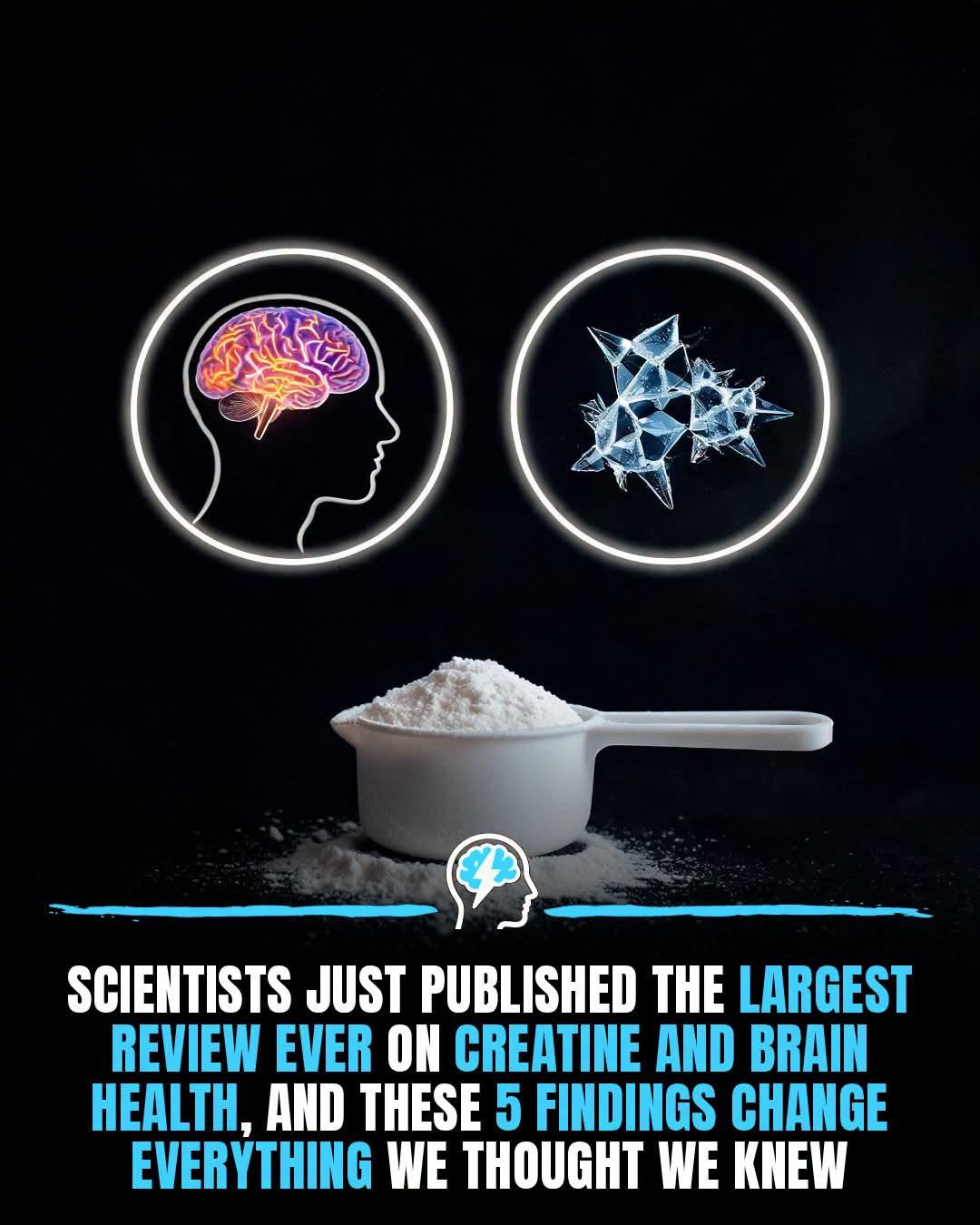
  • 🧠 A new frontier for cognitive longevity


    Creatine isn't just for athletes trying to build muscle anymore. A large new systematic review looks at years of clinical data and finds that the supplement has a real effect on the human brain. It acts as an energy buffer for neurons, much like it does for muscle cells. By replenishing adenosine triphosphate in the brain, creatine helps people hold onto mental performance during hard tasks and periods of high metabolic stress. That's pushing the supplement into a new category: a tool for brain health, not just a fitness aid.


    βš–οΈ Higher doses for brain saturation


    One of the most surprising findings in the review is that the brain needs far more creatine than the rest of the body before it shows any benefit. Five grams a day is the standard dose for muscle growth, but the blood-brain barrier resists creatine uptake. Researchers found that a daily intake closer to ten or even twenty grams might be needed to fully saturate brain tissue. It also takes much longer for these levels to build up in the skull than in the bicep. People need to stay consistent for weeks or months before they notice any cognitive shift.


    πŸ”‹ Fueling the brain under stress


    The review finds that creatine works best when the brain is pushed to its limits. Healthy, well-rested people might only see small gains day to day, but the benefits get bigger under specific conditions:
    * During acute sleep deprivation, where it helps preserve executive function and reaction time.
    * In low-oxygen environments, such as high-altitude travel or certain medical conditions.
    * During complex tasks that demand long stretches of mental stamina.


    πŸ›‘οΈ Protecting against physical trauma


    Beyond day-to-day performance, the data points to long-term effects that could change how people think about brain injury. The review notes that creatine shows promise in supporting recovery from mild traumatic brain injuries, like concussions, by cutting down secondary damage to brain cells and supporting mitochondrial function. Daily supplementation could work as a kind of insurance for the brain, helping it hold up against the physical toll of contact sports or accidental injuries. πŸ”¬


    πŸ₯— Essential benefits for specific populations


    The last finding is that creatine matters most for people who start out with low natural levels, especially vegetarians and older adults. Dietary creatine comes almost entirely from animal products, so people on plant-based diets tend to see the biggest cognitive gains once they start supplementing. For older adults, creatine may help slow age-related cognitive decline by keeping brain energy levels up. That makes it a useful option for anyone trying to hold onto mental clarity and processing speed later in life. πŸ’ͺ🏾


    Sources:
    Nutrients Journal: Creatine Supplementation and Brain Health
    Clinical Nutrition: Systematic Review and Meta-Analysis of Creatine for Cognitive Function
    Journal of the International Society of Sports Nutrition


    #powermindset #creatine #brainhealth #nootropics #wellness
    🧠 A new frontier for cognitive longevity Creatine isn't just for athletes trying to build muscle anymore. A large new systematic review looks at years of clinical data and finds that the supplement has a real effect on the human brain. It acts as an energy buffer for neurons, much like it does for muscle cells. By replenishing adenosine triphosphate in the brain, creatine helps people hold onto mental performance during hard tasks and periods of high metabolic stress. That's pushing the supplement into a new category: a tool for brain health, not just a fitness aid. βš–οΈ Higher doses for brain saturation One of the most surprising findings in the review is that the brain needs far more creatine than the rest of the body before it shows any benefit. Five grams a day is the standard dose for muscle growth, but the blood-brain barrier resists creatine uptake. Researchers found that a daily intake closer to ten or even twenty grams might be needed to fully saturate brain tissue. It also takes much longer for these levels to build up in the skull than in the bicep. People need to stay consistent for weeks or months before they notice any cognitive shift. πŸ”‹ Fueling the brain under stress The review finds that creatine works best when the brain is pushed to its limits. Healthy, well-rested people might only see small gains day to day, but the benefits get bigger under specific conditions: * During acute sleep deprivation, where it helps preserve executive function and reaction time. * In low-oxygen environments, such as high-altitude travel or certain medical conditions. * During complex tasks that demand long stretches of mental stamina. πŸ›‘οΈ Protecting against physical trauma Beyond day-to-day performance, the data points to long-term effects that could change how people think about brain injury. The review notes that creatine shows promise in supporting recovery from mild traumatic brain injuries, like concussions, by cutting down secondary damage to brain cells and supporting mitochondrial function. Daily supplementation could work as a kind of insurance for the brain, helping it hold up against the physical toll of contact sports or accidental injuries. πŸ”¬ πŸ₯— Essential benefits for specific populations The last finding is that creatine matters most for people who start out with low natural levels, especially vegetarians and older adults. Dietary creatine comes almost entirely from animal products, so people on plant-based diets tend to see the biggest cognitive gains once they start supplementing. For older adults, creatine may help slow age-related cognitive decline by keeping brain energy levels up. That makes it a useful option for anyone trying to hold onto mental clarity and processing speed later in life. πŸ’ͺ🏾 Sources: Nutrients Journal: Creatine Supplementation and Brain Health Clinical Nutrition: Systematic Review and Meta-Analysis of Creatine for Cognitive Function Journal of the International Society of Sports Nutrition #powermindset #creatine #brainhealth #nootropics #wellness
    Like
    Love
    10
    0 Comments 0 Shares 5K Views 0 Reviews
  • Did you Know?


    Sea otters hold hands/paws while sleeping on their backs in the water so they do not drift apart.


    This helps them stay safe and keeps them from floating miles apart in the open ocean while they sleep.
    Did you Know? Sea otters hold hands/paws while sleeping on their backs in the water so they do not drift apart. This helps them stay safe and keeps them from floating miles apart in the open ocean while they sleep.
    Like
    Love
    2
    0 Comments 0 Shares 816 Views 0 Reviews
  • Did you Know?


    Cats spend an average of 12 to 16 hours a day sleeping
    Did you Know? Cats spend an average of 12 to 16 hours a day sleeping
    Like
    Love
    Wow
    5
    1 Comments 0 Shares 2K Views 0 Reviews
  • Good night family and friends. Enjoy your sleep and may you wake up refreshed for a beautiful new day.
    Good night family and friends. Enjoy your sleep and may you wake up refreshed for a beautiful new day.
    Like
    Love
    7
    0 Comments 0 Shares 2K Views 0 Reviews
  • The Mom Power · 2d ago
    Mama, those morning walks with your little one are about so much more than getting out of the house. πŸŒžπŸ‘ΆπŸ’•
    A bit of fresh air, sunshine, and movement can do wonders for your mood, give you a natural Vitamin D boost, and offer a peaceful moment to connect with your baby. The morning sunlight also helps regulate your baby's circadian rhythm, which can support better naps and nighttime sleep.
    Some days it may feel easier to stay in your pajamas, but even a short walk around the block can leave both you and your little one feeling refreshed, calmer, and ready for the day ahead. πŸ’›
    #MomLife #MorningWalks #NewMomJourney #BabyBonding #VitaminD
    The Mom Power · 2d ago Mama, those morning walks with your little one are about so much more than getting out of the house. πŸŒžπŸ‘ΆπŸ’• A bit of fresh air, sunshine, and movement can do wonders for your mood, give you a natural Vitamin D boost, and offer a peaceful moment to connect with your baby. The morning sunlight also helps regulate your baby's circadian rhythm, which can support better naps and nighttime sleep. Some days it may feel easier to stay in your pajamas, but even a short walk around the block can leave both you and your little one feeling refreshed, calmer, and ready for the day ahead. πŸ’› #MomLife #MorningWalks #NewMomJourney #BabyBonding #VitaminD
    0 Comments 0 Shares 9K Views 0 0 Reviews
  • Just 21 days on liver reset program.
    Program includes all the steps and meal plans. Also after the 21 day there are plan for 7 more day what to do .
    #BetterSleep
    #betterenergy
    #liverreset
    Just 21 days on liver reset program. Program includes all the steps and meal plans. Also after the 21 day there are plan for 7 more day what to do . #BetterSleep #betterenergy #liverreset
    Like
    Love
    13
    1 Comments 0 Shares 9K Views 0 Reviews
More Results
MySA - South Africa https://mysa.social