



Health related posts and advice
-
PBID: 0200008100001267
-
280 people like this
-
95 Posts
-
98 Photos
-
1 Videos
-
Reviews
-
Other
Search

Recent Updates
-
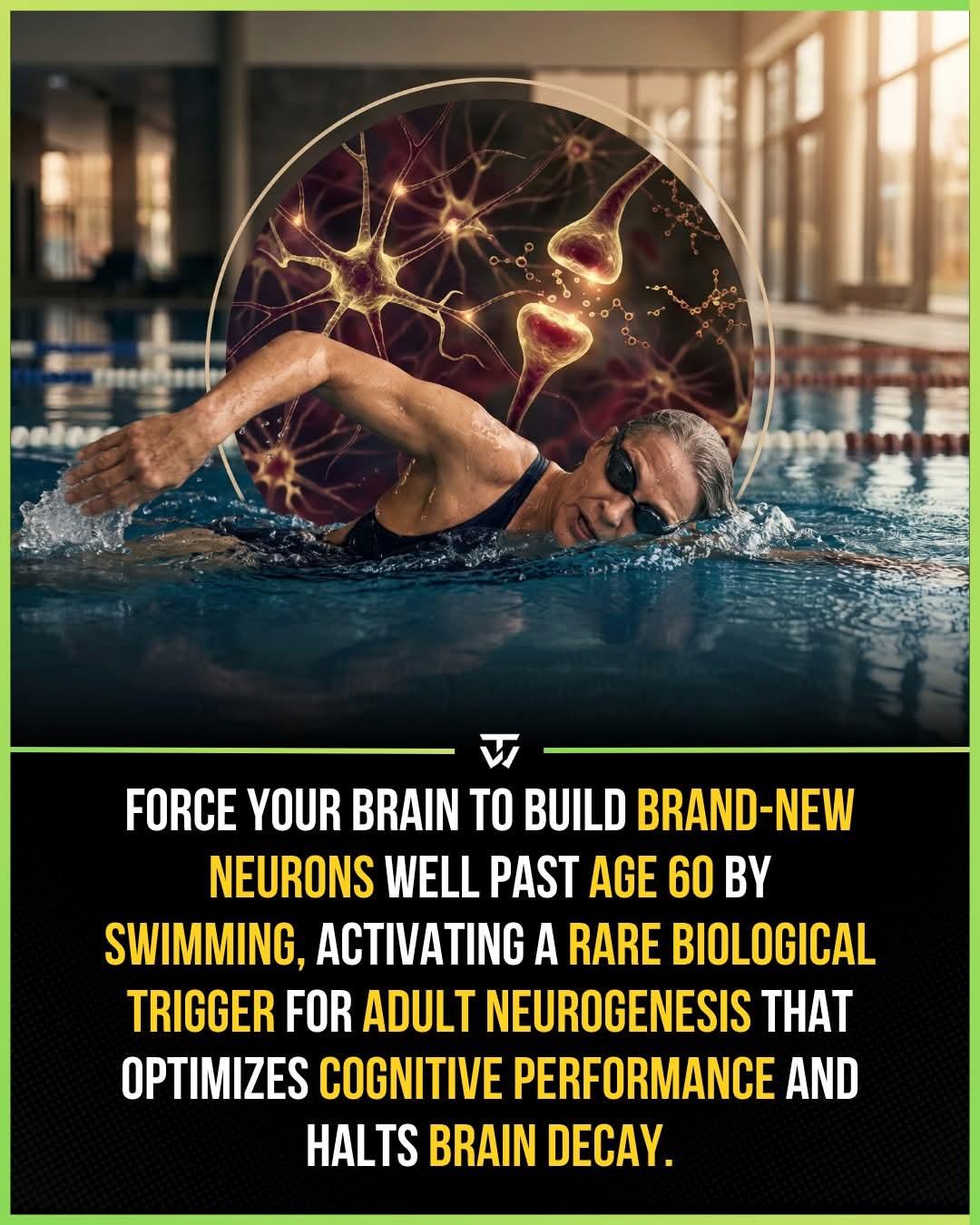
Swimming may be doing more for your brain than you realize. Neuroscience research suggests that regular physical activity can support brain plasticity, blood flow, and the release of growth factors such as BDNF, which are involved in learning, memory, and cognitive function. Swimming is especially interesting because it combines sustained aerobic exercise with low-impact movement, making it easier to maintain across different ages and fitness levels. Research on exercise and neurogenesis is promising, although scientists are still studying exactly how much new neuron formation occurs in humans and how directly it translates to better cognition. Your brain isn’t simply something you’re born with. The way you move, sleep, eat, and challenge yourself can help shape how it functions throughout life. 🧠🏊♂️Swimming may be doing more for your brain than you realize. Neuroscience research suggests that regular physical activity can support brain plasticity, blood flow, and the release of growth factors such as BDNF, which are involved in learning, memory, and cognitive function. Swimming is especially interesting because it combines sustained aerobic exercise with low-impact movement, making it easier to maintain across different ages and fitness levels. Research on exercise and neurogenesis is promising, although scientists are still studying exactly how much new neuron formation occurs in humans and how directly it translates to better cognition. Your brain isn’t simply something you’re born with. The way you move, sleep, eat, and challenge yourself can help shape how it functions throughout life. 🧠🏊♂️
 0 Comments 0 Shares 2K Views 0 Reviews
 3
3
-
Solomon’s Paradox explains something many of us experience: we can often see other people’s problems with clarity, yet feel confused when the same kind of problem becomes our own. Emotional distance helps us think more objectively, while personal stress, fear, and attachment can cloud judgment.
Sometimes the perspective you give so easily to others is exactly what you need to give yourself.Solomon’s Paradox explains something many of us experience: we can often see other people’s problems with clarity, yet feel confused when the same kind of problem becomes our own. Emotional distance helps us think more objectively, while personal stress, fear, and attachment can cloud judgment. Sometimes the perspective you give so easily to others is exactly what you need to give yourself. 0 Comments 0 Shares 7K Views 0 Reviews
6
0 Comments 0 Shares 7K Views 0 Reviews
6
-
Research shows that nearly every fermented food studied, from dairy and soy to rice, garlic, ginseng, and even kimchi, offers measurable protection for the brain. Across 45 studies, fermented foods consistently reduced stress hormones, improved memory and learning, and shielded neurons from the processes that lead to cognitive decline. These benefits weren’t tied to any single culture or food category; they appeared repeatedly across all types, highlighting fermentation itself as the key factor.
One of the most surprising discoveries is that fermentation can completely flip the impact a food has on the brain. In one study, high tofu intake was associated with poorer memory, while tempeh, the fermented version of soy, was linked to better memory in older adults. This striking contrast shows what fermentation actually does: it creates bioactive compounds such as GABA, antioxidant peptides, and anti-inflammatory molecules that directly support neuroplasticity and help protect against oxidative stress and amyloid buildup associated with Alzheimer’s.
Fermentation turns everyday foods into powerful protectors of the brain. By lowering cortisol and preserving neurons from degeneration, these traditional foods function as natural shields for long-term cognitive health.
What makes this especially interesting is the connection between fermented foods, the gut, and the brain. Fermentation can change the chemical and microbial profile of a food, producing metabolites and other compounds that may influence the gut-brain axis. Researchers are increasingly interested in how this two-way communication system between the digestive system and brain may affect stress responses, inflammation, mood, and cognitive function.
And you don’t necessarily need to completely change your diet to start eating more fermented foods.
Yogurt can be added to breakfast. Kefir can be used in smoothies. Kimchi or sauerkraut can be served alongside a meal. Tempeh can replace other protein sources in certain dishes. The point isn’t that one fermented food is a magic solution. It’s that regularly including a variety of fermented foods may be one simple way to add potentially beneficial compounds to an already balanced diet.
There’s also an important distinction people often miss: not every fermented product contains live microorganisms by the time you eat it. Processing methods such as heating or pasteurization can reduce or eliminate live cultures. But that doesn’t necessarily make the food nutritionally worthless, because fermentation can also create compounds and alter nutrients before those processing steps occur.
And none of this means fermented foods can prevent or treat Alzheimer’s disease on their own. Brain health is influenced by many factors, including overall diet, physical activity, sleep, cardiovascular health, genetics, and age. The research is compelling because fermented foods may represent another piece of that much larger puzzle.
For something humans have been doing to food for thousands of years, fermentation is turning out to be remarkably interesting from a modern neuroscience perspective.
Here’s the question: What fermented food do you eat most often?
Yogurt? Kimchi? Kefir? Tempeh? Sauerkraut? Something else?
Drop yours in the comments, I’m curious which one is most common.
And save this post for the next time you’re thinking about what to eat for long-term brain health.
Then send this to the person you know who eats yogurt, kimchi, kefir, or sauerkraut all the time. They might have another reason to keep eating it.
One final question: If you could only keep ONE fermented food in your diet for the rest of your life, which one are you choosing?Research shows that nearly every fermented food studied, from dairy and soy to rice, garlic, ginseng, and even kimchi, offers measurable protection for the brain. Across 45 studies, fermented foods consistently reduced stress hormones, improved memory and learning, and shielded neurons from the processes that lead to cognitive decline. These benefits weren’t tied to any single culture or food category; they appeared repeatedly across all types, highlighting fermentation itself as the key factor. One of the most surprising discoveries is that fermentation can completely flip the impact a food has on the brain. In one study, high tofu intake was associated with poorer memory, while tempeh, the fermented version of soy, was linked to better memory in older adults. This striking contrast shows what fermentation actually does: it creates bioactive compounds such as GABA, antioxidant peptides, and anti-inflammatory molecules that directly support neuroplasticity and help protect against oxidative stress and amyloid buildup associated with Alzheimer’s. Fermentation turns everyday foods into powerful protectors of the brain. By lowering cortisol and preserving neurons from degeneration, these traditional foods function as natural shields for long-term cognitive health. What makes this especially interesting is the connection between fermented foods, the gut, and the brain. Fermentation can change the chemical and microbial profile of a food, producing metabolites and other compounds that may influence the gut-brain axis. Researchers are increasingly interested in how this two-way communication system between the digestive system and brain may affect stress responses, inflammation, mood, and cognitive function. And you don’t necessarily need to completely change your diet to start eating more fermented foods. Yogurt can be added to breakfast. Kefir can be used in smoothies. Kimchi or sauerkraut can be served alongside a meal. Tempeh can replace other protein sources in certain dishes. The point isn’t that one fermented food is a magic solution. It’s that regularly including a variety of fermented foods may be one simple way to add potentially beneficial compounds to an already balanced diet. There’s also an important distinction people often miss: not every fermented product contains live microorganisms by the time you eat it. Processing methods such as heating or pasteurization can reduce or eliminate live cultures. But that doesn’t necessarily make the food nutritionally worthless, because fermentation can also create compounds and alter nutrients before those processing steps occur. And none of this means fermented foods can prevent or treat Alzheimer’s disease on their own. Brain health is influenced by many factors, including overall diet, physical activity, sleep, cardiovascular health, genetics, and age. The research is compelling because fermented foods may represent another piece of that much larger puzzle. For something humans have been doing to food for thousands of years, fermentation is turning out to be remarkably interesting from a modern neuroscience perspective. Here’s the question: What fermented food do you eat most often? Yogurt? Kimchi? Kefir? Tempeh? Sauerkraut? Something else? Drop yours in the comments, I’m curious which one is most common. And save this post for the next time you’re thinking about what to eat for long-term brain health. Then send this to the person you know who eats yogurt, kimchi, kefir, or sauerkraut all the time. They might have another reason to keep eating it. One final question: If you could only keep ONE fermented food in your diet for the rest of your life, which one are you choosing?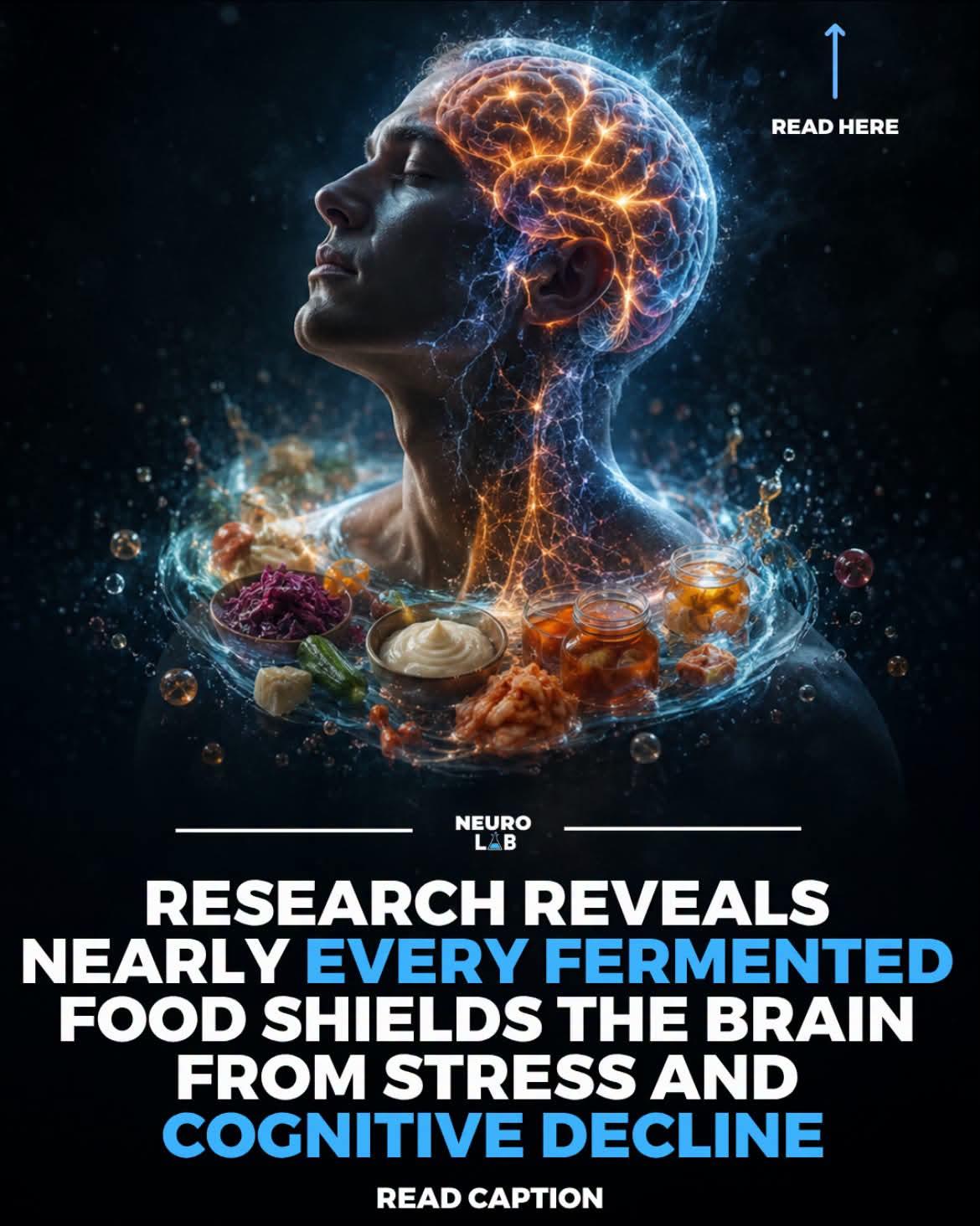 0 Comments 0 Shares 10K Views 0 Reviews
6
0 Comments 0 Shares 10K Views 0 Reviews
6
-
YOUR BODY BY THE NUMBERS. 🧠❤️🫁
Your body is a biological machine filled with numbers that are almost impossible to imagine.
❤️ ~100,000 heartbeats every day
🧠 ~86 billion neurons in the brain
🫁 ~300 million air sacs in the lungs
🩸 ~60,000 miles of blood vessels
🦴 206 bones
🫘 ~180 liters of blood filtered by your kidneys each day
The human body is far more complex than it looks.
Which number surprised you the most?
#HumanBody #BiologyFacts #HumanAnatomy #MedicalScience #HealthEducationYOUR BODY BY THE NUMBERS. 🧠❤️🫁 Your body is a biological machine filled with numbers that are almost impossible to imagine. ❤️ ~100,000 heartbeats every day 🧠 ~86 billion neurons in the brain 🫁 ~300 million air sacs in the lungs 🩸 ~60,000 miles of blood vessels 🦴 206 bones 🫘 ~180 liters of blood filtered by your kidneys each day The human body is far more complex than it looks. Which number surprised you the most? #HumanBody #BiologyFacts #HumanAnatomy #MedicalScience #HealthEducation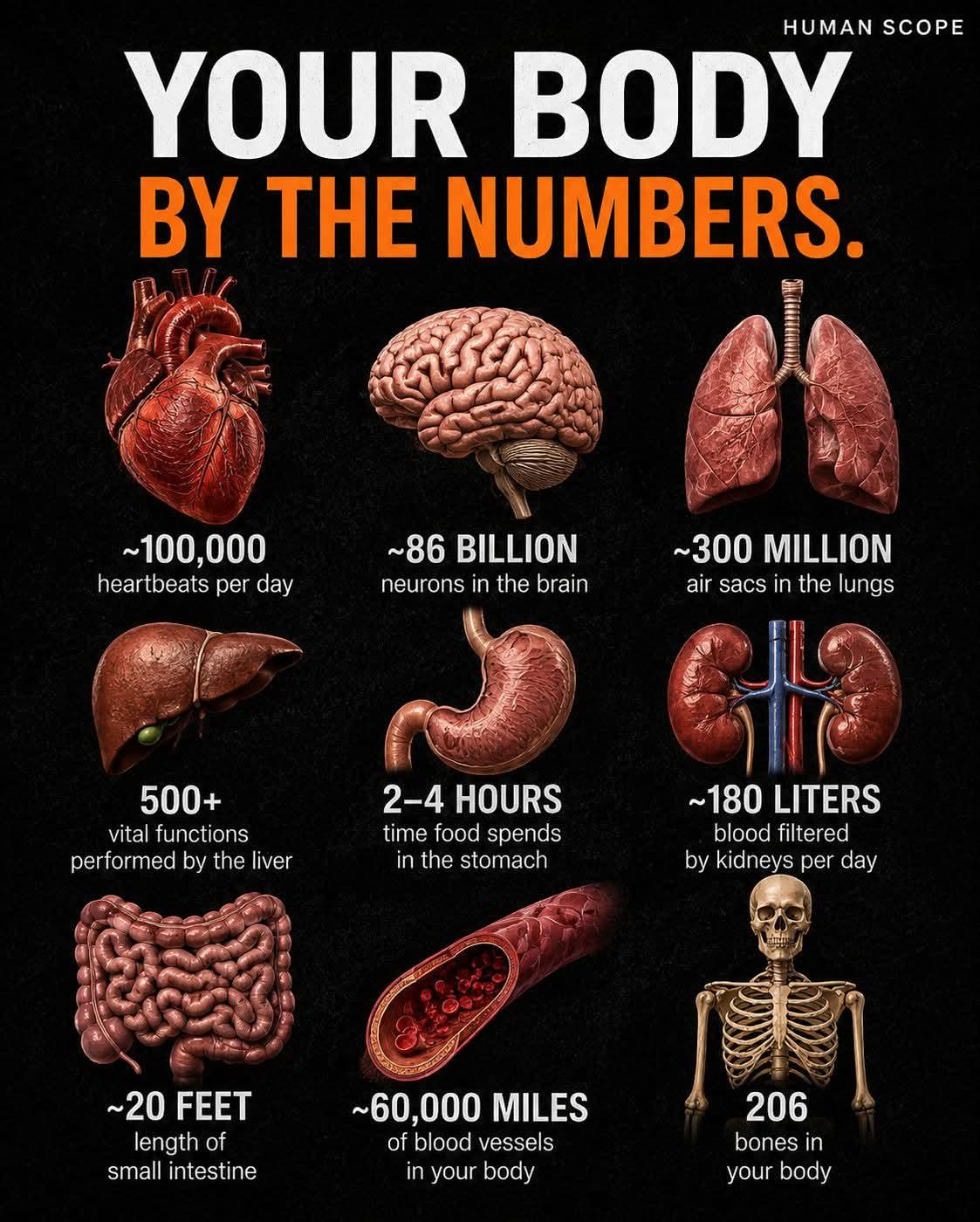 0 Comments 0 Shares 10K Views 0 Reviews4
-
The slow, gradual decline in testosterone with age is normal. Chronic stress is what accelerates it into a real problem — and the mechanism is direct.
Here’s what happens: cortisol (your stress hormone) and testosterone work in opposition. When your body is under sustained stress, it prioritizes cortisol production — and the raw materials and signaling get diverted away from testosterone.
Chronic high cortisol also:
🔻 Disrupts sleep — and most testosterone is made during deep sleep, so the two compound each other
🔻 Drives visceral (belly) fat — which produces aromatase, converting testosterone into estrogen
🔻 Reduces libido, motivation, and mood
So stress hits your hormones from several directions at once, creating a downward spiral.
Signs stress is costing you hormonally:
⚠️ Low libido and drive
⚠️ Belly fat that won’t shift
⚠️ “Wired but tired,” with poor sleep
⚠️ Irritability and a flat mood
What genuinely helps break the cycle:
✅ Manage stress directly — slow breathing (long exhales), time outdoors, saying no to chronic overload
✅ Protect sleep — the foundation of testosterone production
✅ Strength training — builds muscle and supports testosterone
✅ Cut alcohol, which worsens both cortisol and sleep
Age takes about 1% a year. Unmanaged chronic stress can take far more — and unlike aging, it’s something you can actually address.
#MensHealth #TestosteroneSupportThe slow, gradual decline in testosterone with age is normal. Chronic stress is what accelerates it into a real problem — and the mechanism is direct. Here’s what happens: cortisol (your stress hormone) and testosterone work in opposition. When your body is under sustained stress, it prioritizes cortisol production — and the raw materials and signaling get diverted away from testosterone. Chronic high cortisol also: 🔻 Disrupts sleep — and most testosterone is made during deep sleep, so the two compound each other 🔻 Drives visceral (belly) fat — which produces aromatase, converting testosterone into estrogen 🔻 Reduces libido, motivation, and mood So stress hits your hormones from several directions at once, creating a downward spiral. Signs stress is costing you hormonally: ⚠️ Low libido and drive ⚠️ Belly fat that won’t shift ⚠️ “Wired but tired,” with poor sleep ⚠️ Irritability and a flat mood What genuinely helps break the cycle: ✅ Manage stress directly — slow breathing (long exhales), time outdoors, saying no to chronic overload ✅ Protect sleep — the foundation of testosterone production ✅ Strength training — builds muscle and supports testosterone ✅ Cut alcohol, which worsens both cortisol and sleep Age takes about 1% a year. Unmanaged chronic stress can take far more — and unlike aging, it’s something you can actually address. #MensHealth #TestosteroneSupport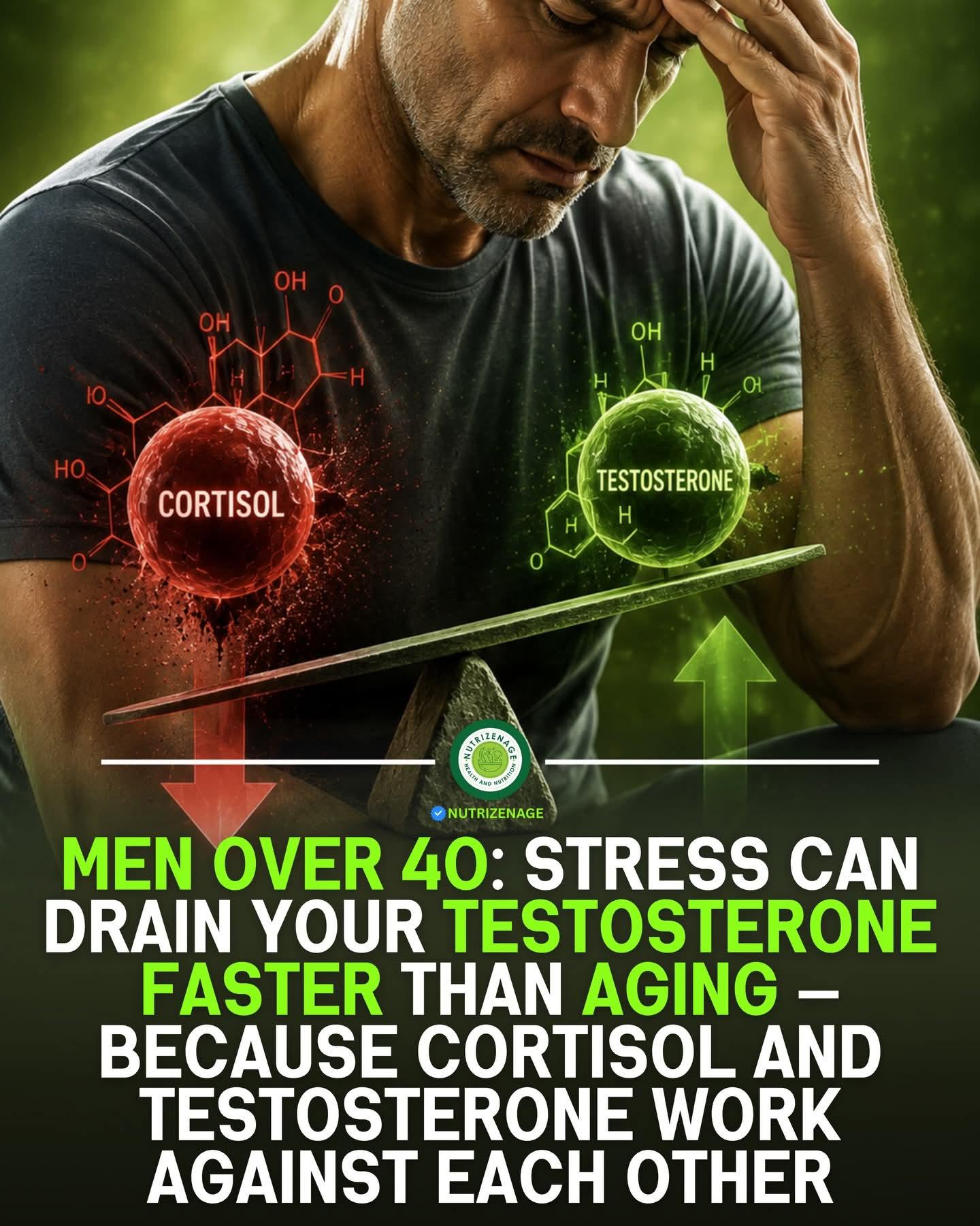 0 Comments 0 Shares 5K Views 0 Reviews
 -
Waking up with a painful leg cramp can ruin your night.
Muscle cramps can have several causes, including dehydration, muscle fatigue, and electrolyte or mineral imbalances. Magnesium and potassium are important nutrients involved in normal muscle and nerve function.
Pumpkin seeds are an easy food to add to your diet and provide magnesium along with other nutrients that support overall health. 🌱
Try adding a small handful to oatmeal, yogurt, salads, smoothies, or snacks as part of a balanced diet.
And remember: if cramps are frequent, severe, or keep happening despite good hydration and nutrition, it’s worth discussing them with a healthcare professional.
Your muscles need more than exercise—they need the right nutrients, too.Waking up with a painful leg cramp can ruin your night. Muscle cramps can have several causes, including dehydration, muscle fatigue, and electrolyte or mineral imbalances. Magnesium and potassium are important nutrients involved in normal muscle and nerve function. Pumpkin seeds are an easy food to add to your diet and provide magnesium along with other nutrients that support overall health. 🌱 Try adding a small handful to oatmeal, yogurt, salads, smoothies, or snacks as part of a balanced diet. And remember: if cramps are frequent, severe, or keep happening despite good hydration and nutrition, it’s worth discussing them with a healthcare professional. Your muscles need more than exercise—they need the right nutrients, too.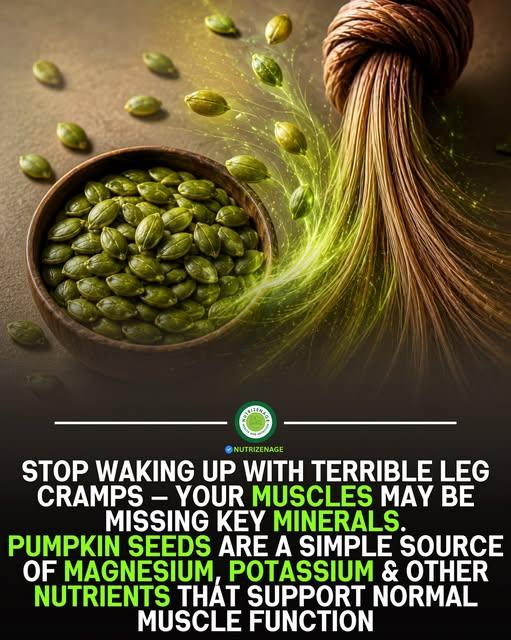 0 Comments 0 Shares 3K Views 0 Reviews
3
0 Comments 0 Shares 3K Views 0 Reviews
3
-
🌱 Could pumpkin seeds be a simple addition to a prostate-friendly diet?
Pumpkin seeds are packed with nutrients such as zinc, magnesium, healthy fats, and plant compounds called phytosterols. Some research has explored pumpkin seed preparations and their potential role in supporting urinary symptoms and prostate health in aging men.
As men get older, changes in prostate size can sometimes affect urinary flow and lead to symptoms such as increased nighttime urination, urgency, or difficulty starting the stream.
Adding nutrient-dense foods like pumpkin seeds to a balanced diet may be one small step toward better overall nutrition — but they aren’t a treatment for an enlarged prostate, and persistent urinary symptoms should be discussed with a healthcare professional.
💡 Simple idea: Add a small handful of unsalted pumpkin seeds to yogurt, oatmeal, salads, or a snack.
Your everyday food choices can add up. 🌱🌱 Could pumpkin seeds be a simple addition to a prostate-friendly diet? Pumpkin seeds are packed with nutrients such as zinc, magnesium, healthy fats, and plant compounds called phytosterols. Some research has explored pumpkin seed preparations and their potential role in supporting urinary symptoms and prostate health in aging men. As men get older, changes in prostate size can sometimes affect urinary flow and lead to symptoms such as increased nighttime urination, urgency, or difficulty starting the stream. Adding nutrient-dense foods like pumpkin seeds to a balanced diet may be one small step toward better overall nutrition — but they aren’t a treatment for an enlarged prostate, and persistent urinary symptoms should be discussed with a healthcare professional. 💡 Simple idea: Add a small handful of unsalted pumpkin seeds to yogurt, oatmeal, salads, or a snack. Your everyday food choices can add up. 🌱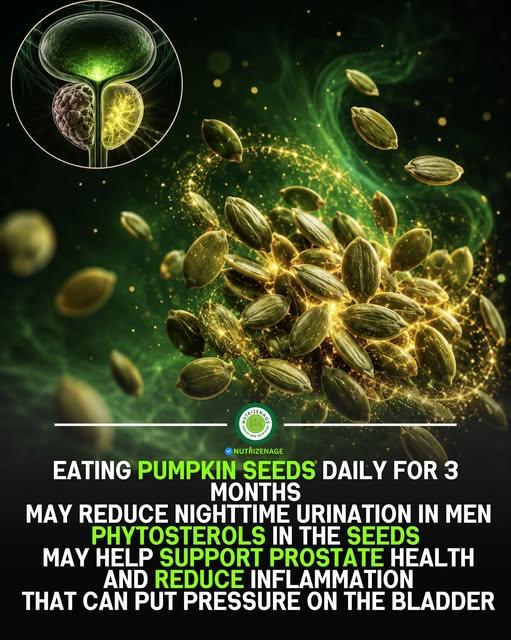 0 Comments 0 Shares 3K Views 0 Reviews1


More Stories