


🧠 A new frontier for cognitive longevity
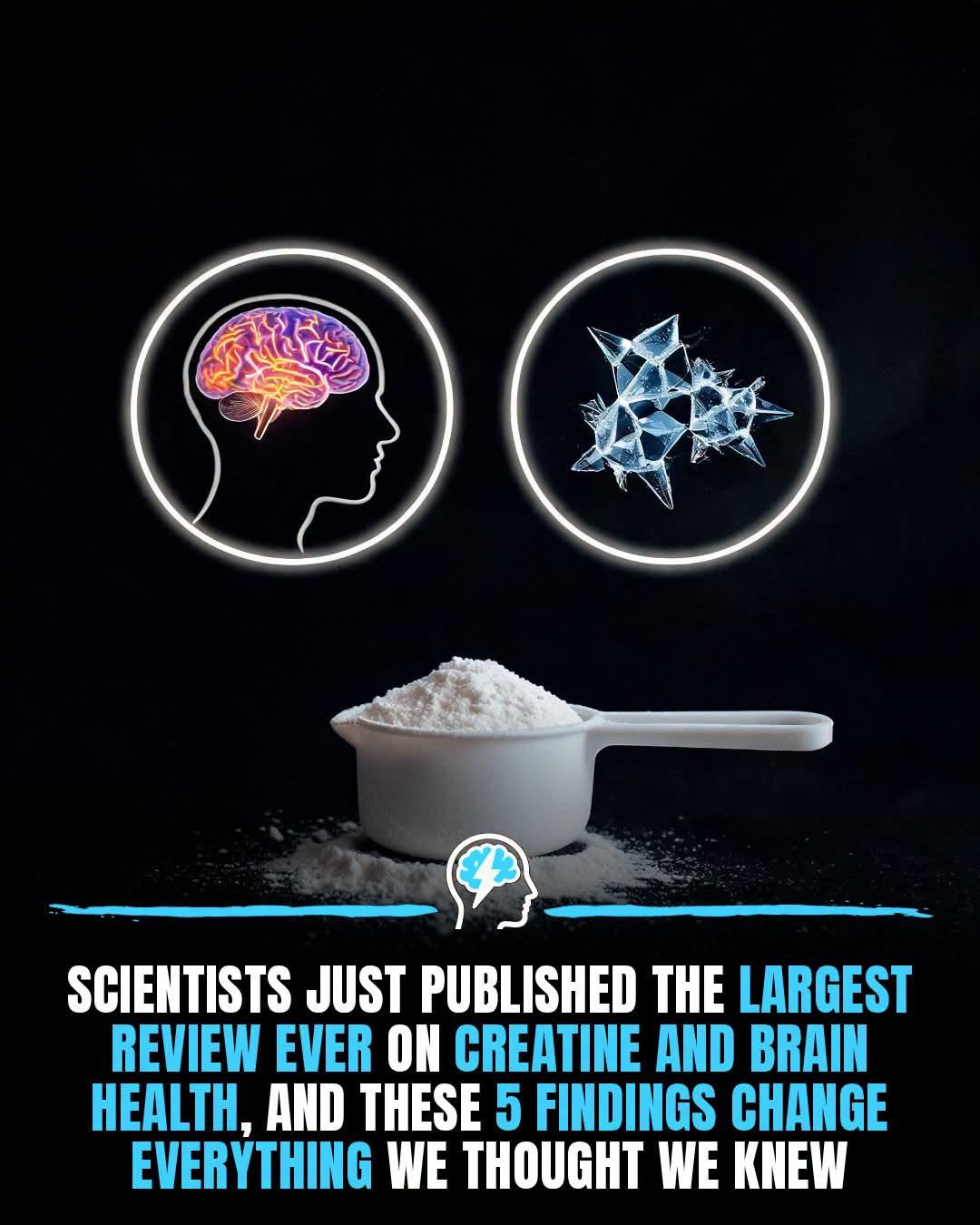
Creatine isn't just for athletes trying to build muscle anymore. A large new systematic review looks at years of clinical data and finds that the supplement has a real effect on the human brain. It acts as an energy buffer for neurons, much like it does for muscle cells. By replenishing adenosine triphosphate in the brain, creatine helps people hold onto mental performance during hard tasks and periods of high metabolic stress. That's pushing the supplement into a new category: a tool for brain health, not just a fitness aid.
⚖️ Higher doses for brain saturation
One of the most surprising findings in the review is that the brain needs far more creatine than the rest of the body before it shows any benefit. Five grams a day is the standard dose for muscle growth, but the blood-brain barrier resists creatine uptake. Researchers found that a daily intake closer to ten or even twenty grams might be needed to fully saturate brain tissue. It also takes much longer for these levels to build up in the skull than in the bicep. People need to stay consistent for weeks or months before they notice any cognitive shift.
🔋 Fueling the brain under stress
The review finds that creatine works best when the brain is pushed to its limits. Healthy, well-rested people might only see small gains day to day, but the benefits get bigger under specific conditions:
* During acute sleep deprivation, where it helps preserve executive function and reaction time.
* In low-oxygen environments, such as high-altitude travel or certain medical conditions.
* During complex tasks that demand long stretches of mental stamina.
🛡️ Protecting against physical trauma
Beyond day-to-day performance, the data points to long-term effects that could change how people think about brain injury. The review notes that creatine shows promise in supporting recovery from mild traumatic brain injuries, like concussions, by cutting down secondary damage to brain cells and supporting mitochondrial function. Daily supplementation could work as a kind of insurance for the brain, helping it hold up against the physical toll of contact sports or accidental injuries. 🔬
🥗 Essential benefits for specific populations
The last finding is that creatine matters most for people who start out with low natural levels, especially vegetarians and older adults. Dietary creatine comes almost entirely from animal products, so people on plant-based diets tend to see the biggest cognitive gains once they start supplementing. For older adults, creatine may help slow age-related cognitive decline by keeping brain energy levels up. That makes it a useful option for anyone trying to hold onto mental clarity and processing speed later in life. 💪🏾
Sources:
Nutrients Journal: Creatine Supplementation and Brain Health
Clinical Nutrition: Systematic Review and Meta-Analysis of Creatine for Cognitive Function
Journal of the International Society of Sports Nutrition
#powermindset #creatine #brainhealth #nootropics #wellness
Creatine isn't just for athletes trying to build muscle anymore. A large new systematic review looks at years of clinical data and finds that the supplement has a real effect on the human brain. It acts as an energy buffer for neurons, much like it does for muscle cells. By replenishing adenosine triphosphate in the brain, creatine helps people hold onto mental performance during hard tasks and periods of high metabolic stress. That's pushing the supplement into a new category: a tool for brain health, not just a fitness aid.
⚖️ Higher doses for brain saturation
One of the most surprising findings in the review is that the brain needs far more creatine than the rest of the body before it shows any benefit. Five grams a day is the standard dose for muscle growth, but the blood-brain barrier resists creatine uptake. Researchers found that a daily intake closer to ten or even twenty grams might be needed to fully saturate brain tissue. It also takes much longer for these levels to build up in the skull than in the bicep. People need to stay consistent for weeks or months before they notice any cognitive shift.
🔋 Fueling the brain under stress
The review finds that creatine works best when the brain is pushed to its limits. Healthy, well-rested people might only see small gains day to day, but the benefits get bigger under specific conditions:
* During acute sleep deprivation, where it helps preserve executive function and reaction time.
* In low-oxygen environments, such as high-altitude travel or certain medical conditions.
* During complex tasks that demand long stretches of mental stamina.
🛡️ Protecting against physical trauma
Beyond day-to-day performance, the data points to long-term effects that could change how people think about brain injury. The review notes that creatine shows promise in supporting recovery from mild traumatic brain injuries, like concussions, by cutting down secondary damage to brain cells and supporting mitochondrial function. Daily supplementation could work as a kind of insurance for the brain, helping it hold up against the physical toll of contact sports or accidental injuries. 🔬
🥗 Essential benefits for specific populations
The last finding is that creatine matters most for people who start out with low natural levels, especially vegetarians and older adults. Dietary creatine comes almost entirely from animal products, so people on plant-based diets tend to see the biggest cognitive gains once they start supplementing. For older adults, creatine may help slow age-related cognitive decline by keeping brain energy levels up. That makes it a useful option for anyone trying to hold onto mental clarity and processing speed later in life. 💪🏾
Sources:
Nutrients Journal: Creatine Supplementation and Brain Health
Clinical Nutrition: Systematic Review and Meta-Analysis of Creatine for Cognitive Function
Journal of the International Society of Sports Nutrition
#powermindset #creatine #brainhealth #nootropics #wellness
🧠 A new frontier for cognitive longevity
Creatine isn't just for athletes trying to build muscle anymore. A large new systematic review looks at years of clinical data and finds that the supplement has a real effect on the human brain. It acts as an energy buffer for neurons, much like it does for muscle cells. By replenishing adenosine triphosphate in the brain, creatine helps people hold onto mental performance during hard tasks and periods of high metabolic stress. That's pushing the supplement into a new category: a tool for brain health, not just a fitness aid.
⚖️ Higher doses for brain saturation
One of the most surprising findings in the review is that the brain needs far more creatine than the rest of the body before it shows any benefit. Five grams a day is the standard dose for muscle growth, but the blood-brain barrier resists creatine uptake. Researchers found that a daily intake closer to ten or even twenty grams might be needed to fully saturate brain tissue. It also takes much longer for these levels to build up in the skull than in the bicep. People need to stay consistent for weeks or months before they notice any cognitive shift.
🔋 Fueling the brain under stress
The review finds that creatine works best when the brain is pushed to its limits. Healthy, well-rested people might only see small gains day to day, but the benefits get bigger under specific conditions:
* During acute sleep deprivation, where it helps preserve executive function and reaction time.
* In low-oxygen environments, such as high-altitude travel or certain medical conditions.
* During complex tasks that demand long stretches of mental stamina.
🛡️ Protecting against physical trauma
Beyond day-to-day performance, the data points to long-term effects that could change how people think about brain injury. The review notes that creatine shows promise in supporting recovery from mild traumatic brain injuries, like concussions, by cutting down secondary damage to brain cells and supporting mitochondrial function. Daily supplementation could work as a kind of insurance for the brain, helping it hold up against the physical toll of contact sports or accidental injuries. 🔬
🥗 Essential benefits for specific populations
The last finding is that creatine matters most for people who start out with low natural levels, especially vegetarians and older adults. Dietary creatine comes almost entirely from animal products, so people on plant-based diets tend to see the biggest cognitive gains once they start supplementing. For older adults, creatine may help slow age-related cognitive decline by keeping brain energy levels up. That makes it a useful option for anyone trying to hold onto mental clarity and processing speed later in life. 💪🏾
Sources:
Nutrients Journal: Creatine Supplementation and Brain Health
Clinical Nutrition: Systematic Review and Meta-Analysis of Creatine for Cognitive Function
Journal of the International Society of Sports Nutrition
#powermindset #creatine #brainhealth #nootropics #wellness