


Ants and Termites on Plants: What They Really Mean and How to Control Them Naturally

If you’ve noticed ants or termites crawling on your plants, it’s easy to panic. However, these insects signal very different problems, and understanding the difference is key to protecting your garden effectively.
Ants on Plants: A Sign of Aphids, Not the Real Enemy
Ants themselves do not directly harm plants. Their presence usually indicates another problem:
aphids (greenflies).
Aphids feed on plant sap and excrete a sweet, sticky substance called honeydew, which ants love. In return for this sugary food, ants actively protect aphids from natural predators like ladybirds and lacewings. They may even carry aphids from plant to plant, spreading infestations and increasing the risk of plant diseases.

So while ants aren’t the primary issue, they play a major role in allowing aphids to thrive—and that’s why controlling them still matters.
Natural Solutions for Ants on Plants
Remove the Food Source
- Control aphids using neem oil, insecticidal soap, or a strong water spray.
- Once aphids are gone, ants usually disappear on their own.

Natural Repellents
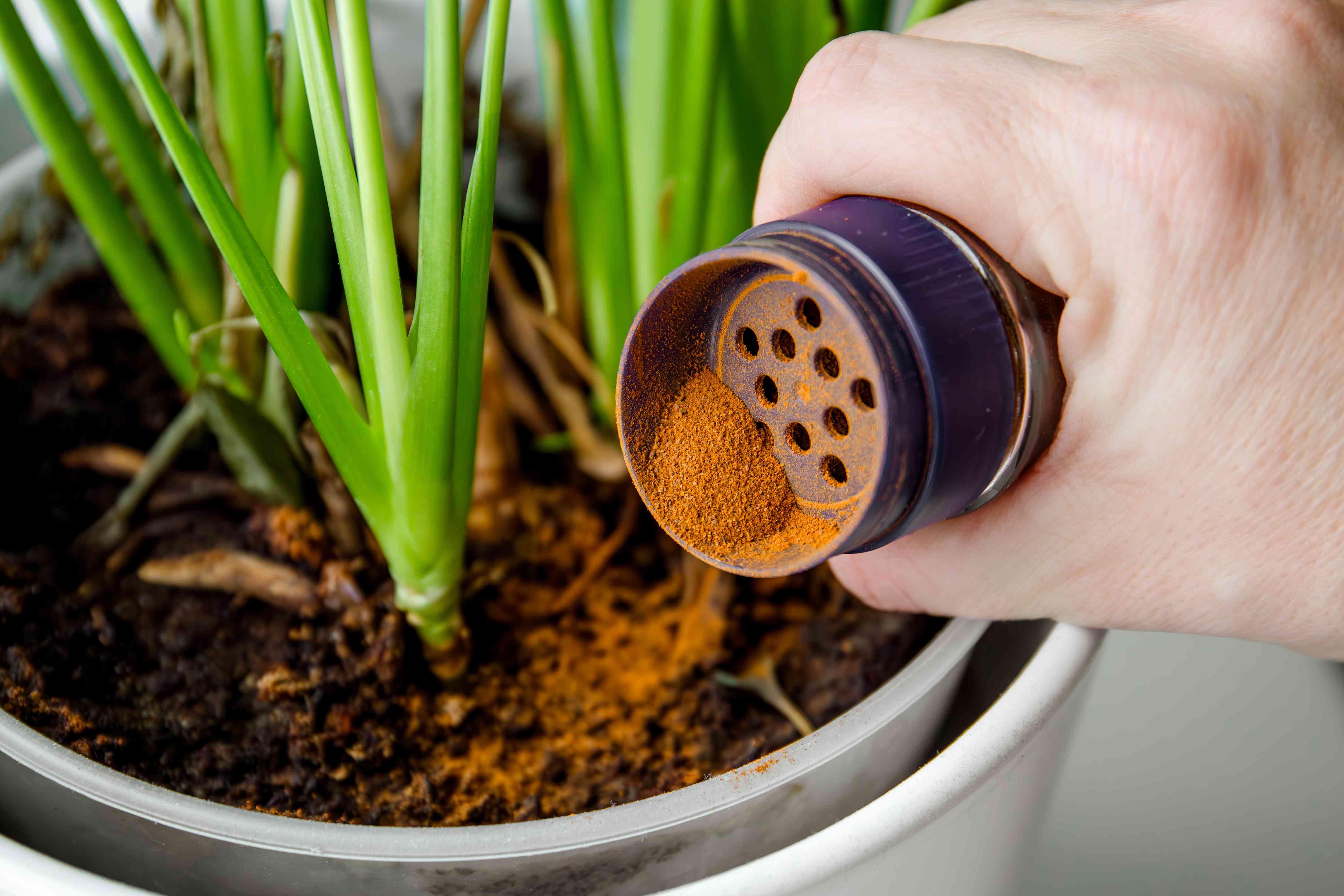
- Cinnamon: Sprinkle around pots or plant bases.
- Citrus peels: Deter ants with natural oils.
- Peppermint oil: Mix a few drops with water and spray entry points.
Diatomaceous Earth (DE)
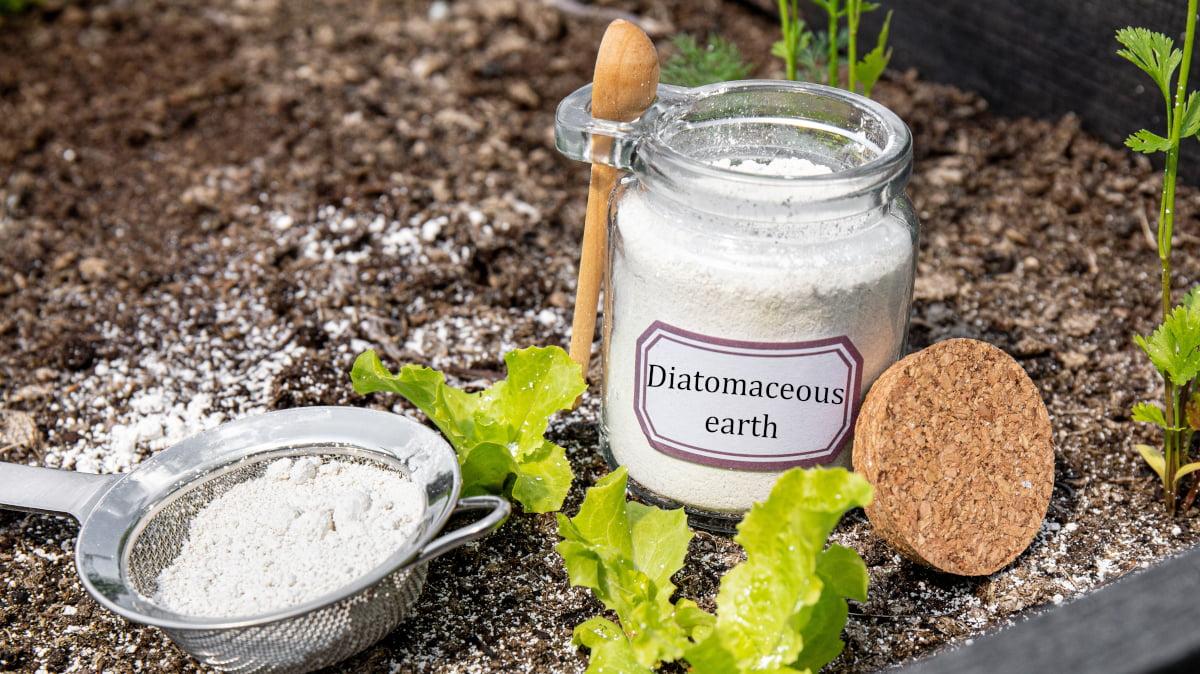
- Sprinkle dry DE around plants to dehydrate ants.
- Note: DE loses effectiveness when wet.
Dish Soap Spray
- Mix a small amount of dish soap with water.
- Effective for killing ants on contact.

Termites on Plants: A Much Bigger Warning Sign
Unlike ants, termites can cause serious damage. In rural areas, certain termite species attack pastures, crops, gardens, wooden structures, and buildings.
The most destructive species is the harvester termite, often called the white ant. These termites:
- Destroy plant roots
- Feed on the outer surfaces of stems
- Cause lawns and plants to suddenly wilt or die

How to Tell Ants and Termites Apart
|
Feature |
Ants |
Termites |
|
Antennae |
Elbowed |
Straight |
|
Body Shape |
Pinched waist |
Uniform body |
|
Wings (if present) |
Uneven |
Equal length |
Correct identification ensures proper treatment.
Natural Solutions for Termites
Wood & Mulch Management
- Remove dead wood and decaying plant matter.
- Keep soil healthy and plants unstressed.
- Seal entry points, and use termite-resistant finishes like oil-based varnishes

Beneficial Nematodes
- Apply nematodes that prey on termites in the soil.
Beneficial Fungi
- Beauveria bassiana can naturally suppress termite populations.

Baits & Traps
- Wet cardboard traps lure termites; remove and destroy them.
- Commercial bait stations can also be effective.

Natural Predators for Both Ants and Termites
Ground-feeding birds such as starlings, sparrows, wrens, and robins regularly forage along the soil surface, picking up ants and termites as part of their daily diet.
Chickens are particularly effective predators when allowed to free-range. Domestic chickens instinctively scratch the soil in search of insects, eagerly consuming ants and termites.
Geckos, commonly found around homes in warmer climates, are another quiet ally. These small reptiles feed on a wide range of insects, including termites, and often hunt at night.
In the insect world itself, ants are among the main predators of termites, frequently raiding termite colonies for food. Other insects and arachnids also play a role. Assassin bugs, beetles, wasps, and antlion larvae prey on ants and termites, while spiders capture them in webs or ambush them on the ground.
General Garden Tips
- Healthy plants attract fewer pests.
- If termites are present, the plant may be a symptom of a larger infestation elsewhere on your property.
- For severe termite problems, consult a professional pest control specialist or arborist.
Final Thoughts
Ants and termites may look similar at first glance, but they tell very different stories about your garden’s health. Ants usually point to aphids, while termites indicate underlying issues like decaying matter or structural risks. By identifying the source of the problem and using natural, targeted solutions, you can protect your plants without harming beneficial insects or the environment.
A balanced garden is a resilient garden 🌱


- News & Current Affairs
- Business & Economy
- Finance & Money
- Education & Learning
- Technology & Innovation
- Science & Environment
- Health & Wellness
- Food & Drink
- Home, Garden & Lifestyle
- Travel & Tourism
- Fashion & Beauty
- Art & Culture
- Entertainment & Media
- Sports & Recreation
- Personal Growth & Lifestyle
- Careers & Work
- Tutorials & How-To Guides
- Real Estate & Property
- Automotive
- Family & Relationships
- Environment & Sustainability
- Law & Legal Matters
- Gaming & Esports
- Religion & Spirituality
- Community & Local Voices
- Miscellaneous
- History