


The Fascinating Life Cycle of Ferns: How These Ancient Plants Reproduce
Ferns are some of the oldest plants on Earth, thriving long before flowering plants ever appeared. Unlike most modern plants, ferns don’t rely on seeds to reproduce — instead, they use a remarkable two-stage life cycle that includes both asexual and sexual reproduction. This unique process is one of nature’s most elegant systems, showcasing the adaptability and resilience of these lush green plants.

1. The Sporophyte Stage: The Fern We Know and Love
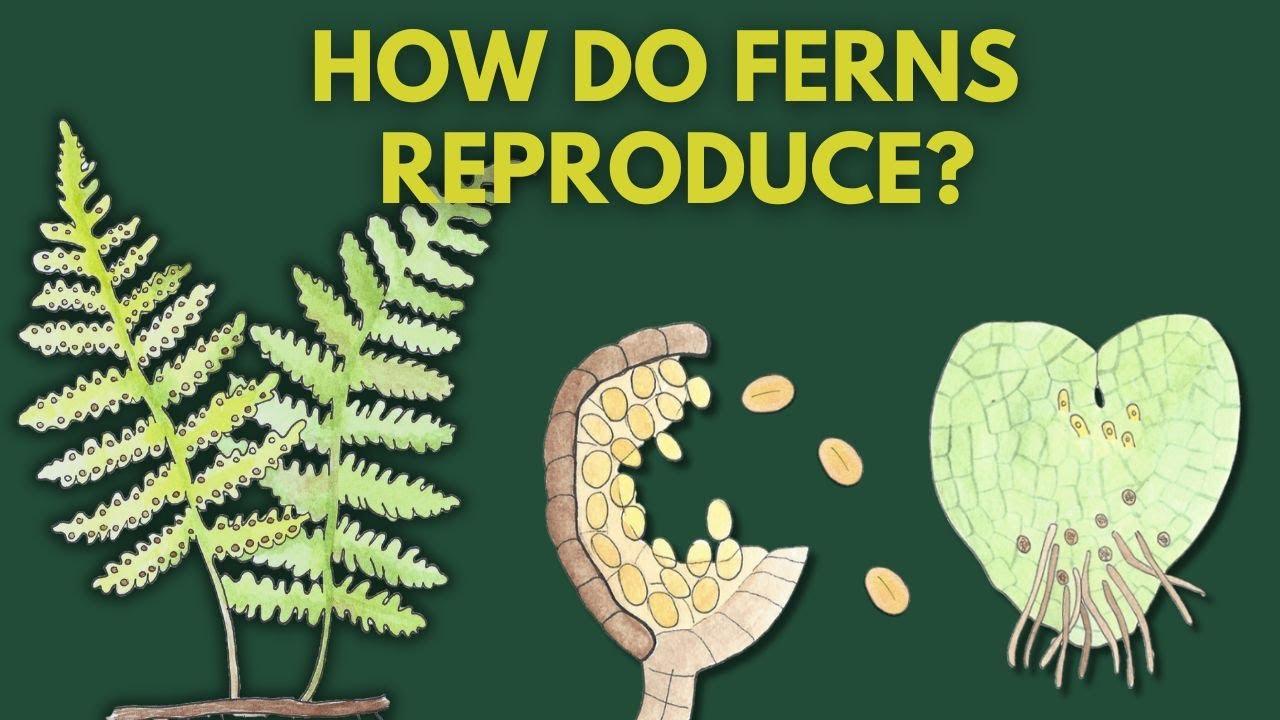
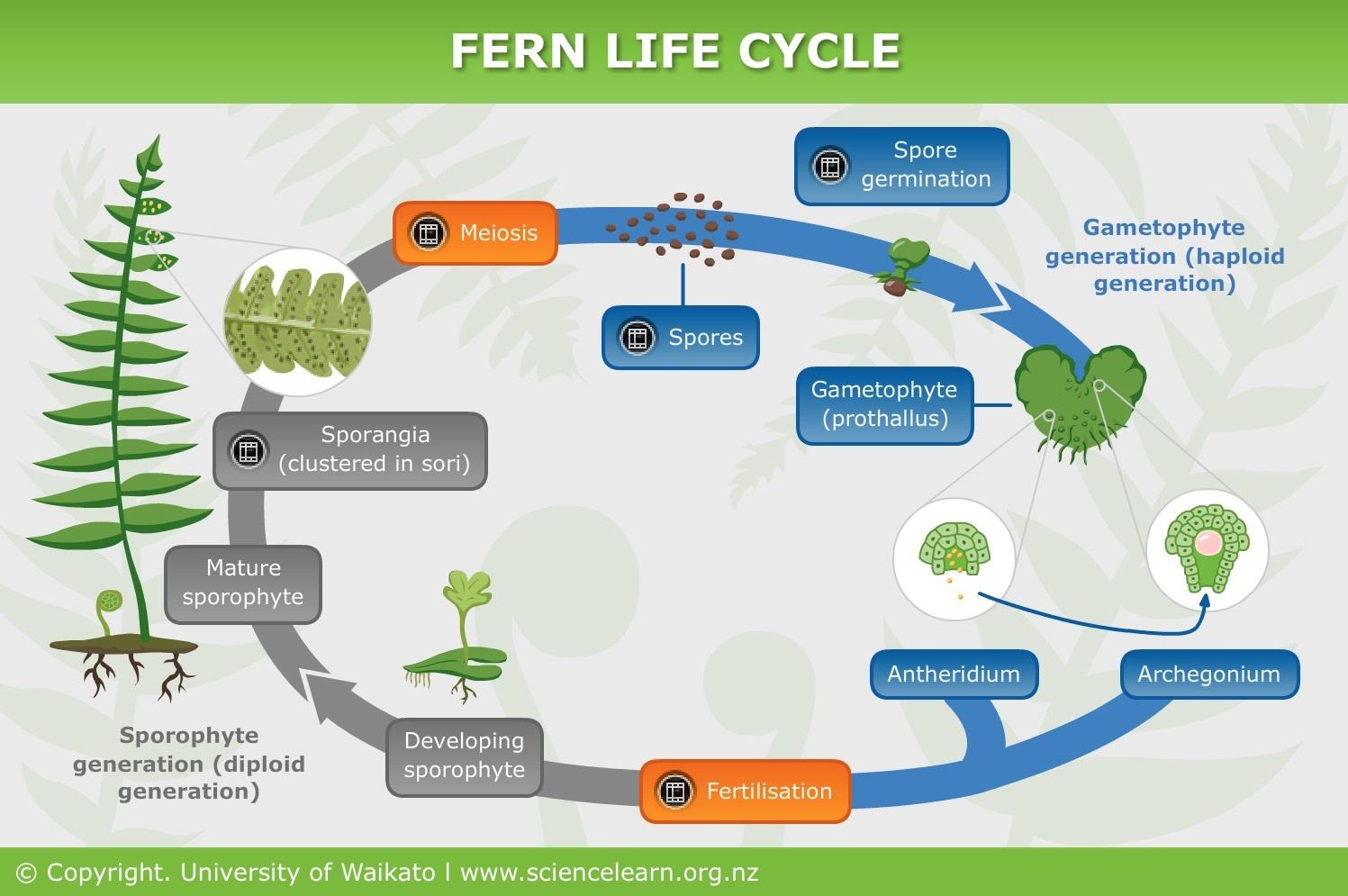
The familiar leafy fern plant is called the sporophyte, and this stage is entirely asexual. Mature fronds develop clusters of tiny structures called sori on their undersides. Inside each sorus, countless microscopic spores are produced.
Once mature, the sori dry out and release these spores into the air. Carried by the wind, they travel far and wide, searching for a place to grow.
2. Spore Dispersal: Carried by the Wind
Spores are extremely lightweight, making them perfect travelers. Most will never land in the ideal spot, but the sheer number released ensures survival. When one does fall onto a moist, shaded environment — nature’s perfect fern nursery — the next stage begins.
3. The Gametophyte Stage: Ferns’ Hidden Sexual Phase
When a spore germinates successfully, it grows into a small, heart-shaped plant called a gametophyte. Only a few millimeters in size, this delicate green structure is easy to miss, but it plays a crucial role in fern reproduction.
The gametophyte contains both male and female reproductive organs, allowing it to produce sperm and eggs.
4. Fertilization: Water Brings Life
Unlike seed plants, ferns require water for fertilization. When rain, dew, or even heavy moisture is present, sperm swim from the male structure (antheridia) toward the eggs in the female structure (archegonia).
Once a sperm successfully reaches an egg, fertilization occurs — and a new life begins.
5. A New Sporophyte Emerges
The fertilized egg develops into a zygote, which grows into a tiny new sporophyte — the next generation fern. Over time, the baby fern forms its own roots and fronds. As it grows, the gametophyte slowly fades away, having completed its life-giving purpose.
Final Thoughts
The life cycle of ferns is a beautiful reminder of nature’s ingenuity. Despite lacking flowers, seeds, or cones, ferns have survived for millions of years using a reproductive strategy that blends simplicity with elegance. Their dependence on moisture ties them closely to the rhythms of their environment, making them important indicators of ecosystem health. Whether you admire them in a forest, a garden, or as houseplants, knowing their extraordinary life journey makes them even more fascinating.


- News & Current Affairs
- Business & Economy
- Finance & Money
- Education & Learning
- Technology & Innovation
- Science & Environment
- Health & Wellness
- Food & Drink
- Home, Garden & Lifestyle
- Travel & Tourism
- Fashion & Beauty
- Art & Culture
- Entertainment & Media
- Sports & Recreation
- Personal Growth & Lifestyle
- Careers & Work
- Tutorials & How-To Guides
- Real Estate & Property
- Automotive
- Family & Relationships
- Environment & Sustainability
- Law & Legal Matters
- Gaming & Esports
- Religion & Spirituality
- Community & Local Voices
- Miscellaneous
- History