


Kidney Stones: Symptoms, Causes, Natural Support and Prevention

A kidney stone is a hard mass formed from crystals in the urine. Anyone who has experienced one knows how intense the pain can be. The discomfort often begins in the lower back or side and may radiate toward the groin. The pain can be dull or sharp and usually comes in waves as the body tries to pass the stone.
Smaller stones may pass without symptoms, but larger stones can become lodged in the urinary tract, causing severe pain and complications.
Common Symptoms
- Severe back, side, or abdominal pain
- Pain that comes in waves (colicky pain)
- Nausea and vomiting
- Blood in urine
- Pain or difficulty urinating
- Frequent urge to urinate
- Fever or chills
- Cloudy or foul-smelling urine

Causes & Risk Factors
Kidney stones form when urine becomes too concentrated with substances such as calcium, oxalate, or uric acid and not enough fluid is present to dilute them. These particles stick together and form crystals that grow into stones.
Contributing factors include:
- Poor hydration
- High salt intake
- Excess animal protein
- Sugary and fizzy drinks
- High-oxalate foods
- Vitamin C overuse
- Certain medications
- Have bowel disease or gastric bypass surgery
- Have urinary tract blockages
- Family history of stones

Possible Complications
- Urinary blockage (hydronephrosis)
- Kidney infection
- Acute kidney injury
- Frequent UTIs
- Chronic kidney disease
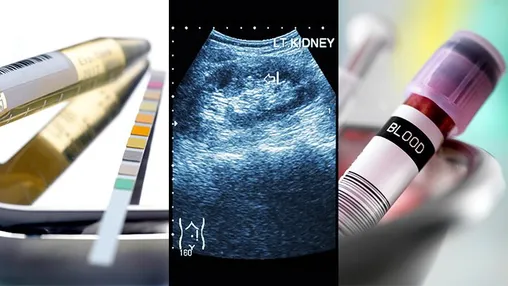
Diagnosis
Kidney stones are diagnosed using:
- Urine tests
- Blood tests
- Imaging (ultrasound, CT scan, X-ray)
Treatment Options
For Small Stones
- Increased fluids
- Pain relief
- Medications to relax the ureter
- Monitoring until the stone passes
For Larger Stones
- Shockwave lithotripsy
- Ureteroscopy
- Percutaneous stone removal
- Surgery (rare)

About 80% of stones pass naturally, depending on size and location.
Types of Kidney Stones
Not all kidney stones are the same. The most common types include:
- Calcium oxalate stones (most common)
- Uric acid stones
Treatment and prevention depend on the type of stone.
Diet by Stone Type
Calcium Oxalate Stones
- Limit spinach, beetroot, rhubarb, nuts, chocolate, tea
- Eat calcium-rich foods with meals
- Reduce sodium intake
- Do NOT avoid dietary calcium
Uric Acid Stones
- Reduce red meat, organ meats, shellfish
- Avoid beer and alcohol
- Increase fruit and vegetables
- Limit sugary drinks
Home Remedies & Natural Support
Hydration
Drinking enough water dilutes urine and helps flush stone forming minerals. Aim for 8–12 glasses per day depending on your needs.
Citrus Fruits
Lemons, oranges, and amla contain citrate, which helps prevent stones and break them down naturally.
Apple Cider Vinegar
May help dissolve stones. Mix 1–2 teaspoons in water and sip throughout the day.
Basil
Contains acetic acid that may help break stones. Use short-term only (max 6 weeks).
Reduce Salt
High sodium increases calcium loss in urine and promotes stones.
Magnesium
Helps reduce calcium oxalate stone formation.
Dandelion Root Tea
May help break down uric acid stones and support urine flow
- Use 8 slices or ¼ cup grated dandelion root
- Pour over 1 cup boiling water
- Steep for 5 minutes, then press the root gently and strain
- Sip slowly
- Add fresh chopped parsley to reduce bitterness

Prevention Tips
- Drink 2–3 litres of water daily
- Limit salt and sugar
- Reduce animal protein
- Eat enough calcium from food (not supplements)
- Maintain healthy weight
- Avoid excessive vitamin C supplements
When to See a Doctor
Seek medical care immediately if you have:
- Severe or persistent pain
- Blood in urine
- Difficulty urinating
- Fever or chills
Large stones may require medical or surgical treatment to prevent kidney damage.
Final Thoughts
Kidney stones are painful but largely preventable. The single most important step is staying well hydrated. Combining proper fluid intake with dietary adjustments and medical guidance dramatically lowers the risk of recurrence. While natural remedies can support kidney health, they should never replace proper medical evaluation for severe symptoms.
Your kidneys work hard for you, protect them with water, balanced nutrition, and early care when symptoms arise.


- News & Current Affairs
- Business & Economy
- Finance & Money
- Education & Learning
- Technology & Innovation
- Science & Environment
- Health & Wellness
- Food & Drink
- Home, Garden & Lifestyle
- Travel & Tourism
- Fashion & Beauty
- Art & Culture
- Entertainment & Media
- Sports & Recreation
- Personal Growth & Lifestyle
- Careers & Work
- Tutorials & How-To Guides
- Real Estate & Property
- Automotive
- Family & Relationships
- Environment & Sustainability
- Law & Legal Matters
- Gaming & Esports
- Religion & Spirituality
- Community & Local Voices
- Miscellaneous
- History