


The Fascinating History of Glasses: From Reading Stones to Modern Vision Technology

The invention of glasses stands as one of humanity’s most transformative achievements. Before eyewear existed, people with visual impairments struggled not only with daily tasks but also with reading, studying, and passing knowledge on to others. The world looked very different until the first vision aids appeared — and the journey from polished stones to today’s high-tech lenses is a remarkable one.
Ancient Beginnings: Before Glasses Existed
Long before spectacles were invented, ancient civilizations found creative ways to magnify text and reduce glare. Roman emperor Nero reportedly watched gladiator fights through a green gemstone, believing it refreshed his eyes. Monks and scholars used smooth pieces of rock crystal called reading stones to enlarge text on manuscripts.

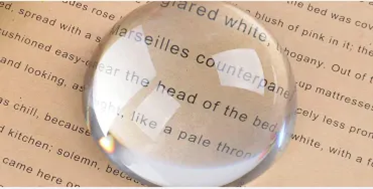
A major breakthrough came from Arab scholar Ibn al-Haytham (965–1040 CE), who theorized in his Book of Optics that curved glass could help the visually impaired. His ideas reached Europe in the 13th century and laid the foundation for the invention of glasses.
The Birth of Spectacles: Italy’s Game-Changing Invention
The true birthplace of glasses was 13th-century Italy, especially the famed glassmaking island of Murano, near Venice. Murano’s artisans guarded their techniques fiercely — at one point, leaving the island with their secret formulas was punishable by death.
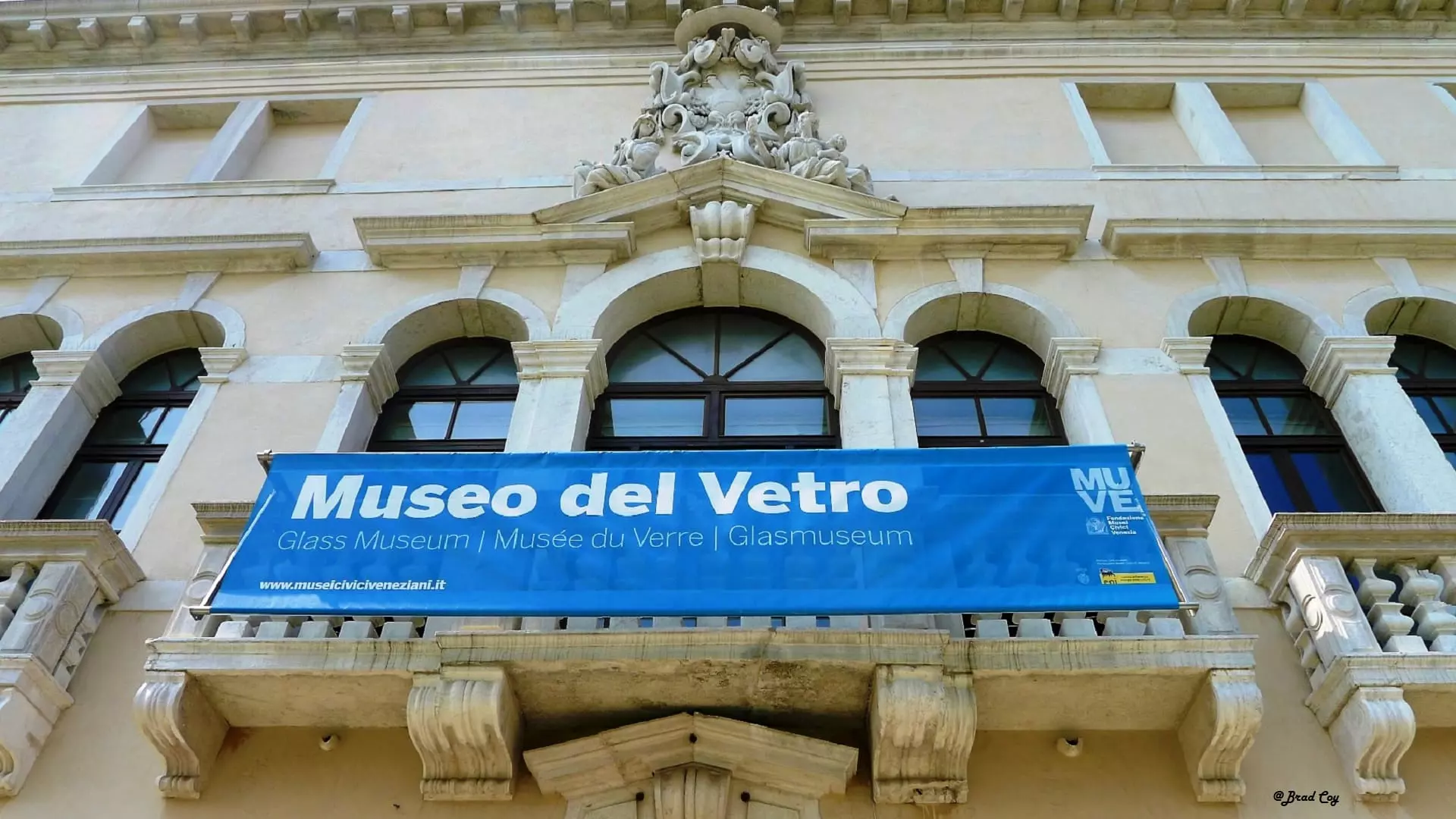

Around the late 1200s, these master craftsmen created the world’s first true spectacles:
rivet glasses — two convex lenses mounted in wooden or horn rings and joined with a rivet. These were held in front of the eyes and primarily used by monks suffering from presbyopia. They marked the beginning of practical vision correction.

Paintings from the 1300s, such as those by Tomaso di Modena, confirm that rivet glasses were already common tools for readers and scholars.
Evolution Through the Centuries
14th–16th Centuries: Growing Popularity
Glasses quickly spread across Europe. Leather, tortoise shell, horn, whalebone, and metals were used to create frames — materials that only the wealthy could afford. Spectacles became a visible status symbol.

17th Century: Sidearms Appear
Eyewear evolved again when Spanish designers introduced the first temples — sidearms that allowed glasses to rest over the ears. This innovation marked a huge leap in comfort and usability.

18th Century: Franklin’s Bifocals
In 1784, Benjamin Franklin invented bifocals, enabling people to see near and far without switching glasses. They were the early ancestors of today’s progressive lenses.

19th Century: The Science of Optics
The Industrial Revolution brought mass production, affordability, and improved lens types.
Key advancements included:
- Concave lenses for nearsightedness
- Astigmatism correction by George Airy in 1825

Spectacles became widely accessible to ordinary people.
20th Century: The Rise of Modern Eyewear
Glasses underwent a major transformation in the early 1900s thanks to optical pioneers like ZEISS. With the introduction of Punktal lenses in 1912, wearers could enjoy sharp vision across the entire lens — not just at its center. This innovation revolutionized modern optics.
By the mid-20th century:
- Plastic lenses
- Lightweight frames
- More comfortable nose pads
- Stylish shapes and colors
all made glasses both practical and fashionable.
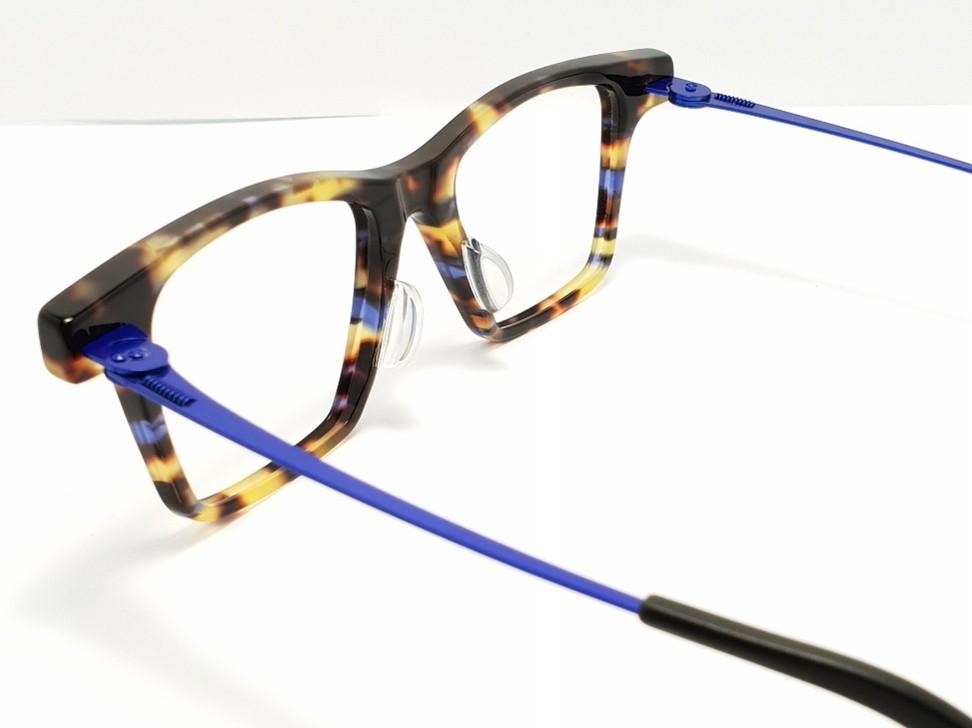
Glasses Today: Precision, Comfort, and Style
Today’s eyewear is more advanced than ever. Whether you're spending hours on digital screens, driving at night, or managing presbyopia, modern lenses are designed for specific lifestyle needs.
Popular advancements include:
- Progressive lenses (no visible line, seamless vision zones)
- DriveSafe lenses for clearer nighttime driving
- Digital lenses for screen comfort
- EnergizeMe lenses designed for contact lens wearers
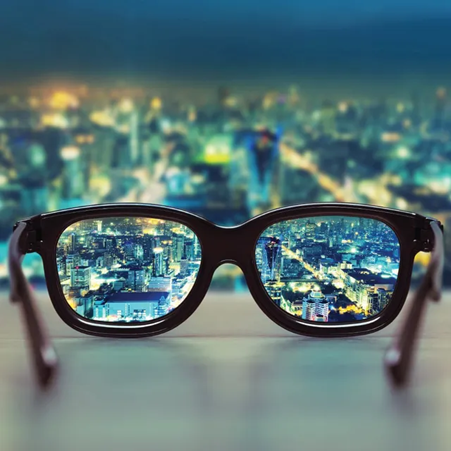
From high-performance coatings to blue-light filters and ultra-light materials, glasses have become a personalized vision solution — and a fashion statement.
Final Thoughts
From ancient emeralds to state-of-the-art optical engineering, the history of glasses shows how human curiosity, science, and craftsmanship can transform everyday life. What began as simple reading stones in monasteries has grown into a global industry improving the quality of life for billions.
Today’s eyewear doesn’t just help us see — it helps us work, drive, create, learn, and express who we are. And with constant innovation in lens technology, the future of vision is clearer than ever.


- News & Current Affairs
- Business & Economy
- Finance & Money
- Education & Learning
- Technology & Innovation
- Science & Environment
- Health & Wellness
- Food & Drink
- Home, Garden & Lifestyle
- Travel & Tourism
- Fashion & Beauty
- Art & Culture
- Entertainment & Media
- Sports & Recreation
- Personal Growth & Lifestyle
- Careers & Work
- Tutorials & How-To Guides
- Real Estate & Property
- Automotive
- Family & Relationships
- Environment & Sustainability
- Law & Legal Matters
- Gaming & Esports
- Religion & Spirituality
- Community & Local Voices
- Miscellaneous
- History