


The Fascinating History of the Flashlight: From 1899 to Modern LED Innovation

The history of the flashlight, also known as a torch in some countries, dates back to the late 19th century. The very first flashlight was invented in 1899 by British inventor David Misell. His design used three D batteries and an incandescent bulb to create a portable beam of light — a revolutionary idea at the time.

These early flashlights were rather bulky and short-lived, as batteries and bulbs weren’t as efficient as today’s versions. Still, they marked the beginning of a new era in portable lighting.
Early Development and Improvements
In 1904, American inventor Conrad Hubert refined Misell’s design. Hubert introduced a simple on/off switch and used smaller, more efficient batteries — major upgrades that made flashlights easier to use and more practical.

During the early 20th century, flashlights began appearing in industrial settings, especially in mines, factories, and railways, where workers relied on dependable portable light.
Flashlights Become Household Essentials
By the 1920s and 1930s, as electricity became more accessible, flashlights found their way into homes. They were used for reading in bed, finding lost items in dark spaces, or navigating hallways during power outages.

Outdoor enthusiasts like campers, hikers, and explorers also embraced flashlights for their convenience and reliability. In the 1950s, the introduction of plastic materials made flashlights cheaper, lighter, and more widely available.

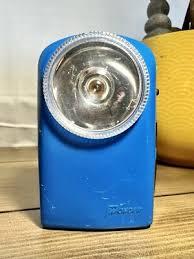
Flashlights in Wartime: The WWII Era
During World War II, flashlights became essential tools for both soldiers and civilians. Soldiers used them on the battlefield and in field hospitals, while civilians depended on them during blackouts and air raids.

This period also saw improvements in battery life, durability, and light output, driven by the military’s need for dependable illumination.
The LED Revolution: A New Age of Light
The 1960s ushered in a new chapter in flashlight history with the invention of the LED (Light-Emitting Diode). This technology completely transformed flashlight design and performance.


LED flashlights offered several advantages:
- Energy efficiency: LEDs use less power and extend battery life.
- Long lifespan: They last much longer than incandescent bulbs.
- Brightness: LEDs produce a stronger and more consistent beam.
- Compact design: Smaller bulbs meant lighter, more portable flashlights.
This breakthrough led to the creation of multi-functional flashlights with adjustable brightness levels, strobe modes, and rechargeable batteries.
Modern Flashlights: Smart, Efficient, and Versatile
Today’s flashlights come in all shapes and sizes, from tiny keychain models to powerful tactical searchlights. Many modern flashlights include:
- USB charging ports

- Multiple brightness modes
- Water-resistant casings
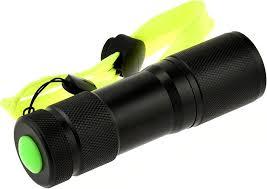
- Emergency strobe or SOS functions
They are now used across countless fields — from emergency services and law enforcement to camping, construction, and everyday household use.

Final Thoughts
From a bulky hand-held device in 1899 to sleek, rechargeable LED models today, the flashlight has evolved dramatically. What began as a simple tool to bring light into darkness has become a symbol of innovation and human ingenuity.
The next time you switch on your flashlight, remember — you’re holding over a century of technological progress in the palm of your hand.


- News & Current Affairs
- Business & Economy
- Finance & Money
- Education & Learning
- Technology & Innovation
- Science & Environment
- Health & Wellness
- Food & Drink
- Home, Garden & Lifestyle
- Travel & Tourism
- Fashion & Beauty
- Art & Culture
- Entertainment & Media
- Sports & Recreation
- Personal Growth & Lifestyle
- Careers & Work
- Tutorials & How-To Guides
- Real Estate & Property
- Automotive
- Family & Relationships
- Environment & Sustainability
- Law & Legal Matters
- Gaming & Esports
- Religion & Spirituality
- Community & Local Voices
- Miscellaneous
- History