


Functional and Stylish: Garden Fences, Walls, Hedges and Gates
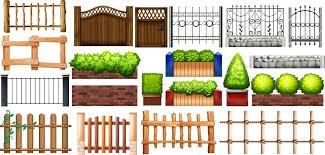
Fences: Functional & Stylish Garden Boundaries
Fences define property lines, add structure, and offer endless design possibilities for both large and small gardens. Before you start building, check your local municipality’s regulations — fence heights are often restricted.
Design tips for garden fences:
- For smaller properties, avoid tall fences that can make the space feel cramped.
- Dense fences are ideal for hiding unattractive views or buildings nearby.
- To make your garden wildlife-friendly, leave a small gap (5–10 cm) at the bottom so hedgehogs and small animals can pass through.
- Choose materials and colors that complement your home’s architecture for a cohesive, natural look.
Installation tip:
Light chain-link fences (up to 1.8 m high) can be easily secured with metal shoes hammered into the ground.
Taller, heavier fences need a concrete or mortar foundation for stability.
Wooden Fences: Natural Charm for Every Garden
Wood fences are timeless, versatile, and fit any garden style — from rustic to modern.
Popular wooden fence types:
- Picket fences: Classic and charming, perfect for cottage-style gardens. Easy DIY installation and available in pre-made panels. Paint or stain for durability and a traditional look.
- Rustic picket fences: Made from rough-hewn wood like chestnut or locust. Flexible and ideal for countryside or modern minimalist gardens.
- Wicker fences: Crafted from willow, bamboo, or hazel — lightweight and great for temporary screens or windbreaks.
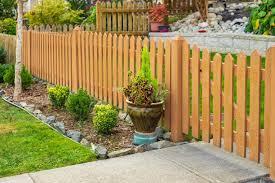
💡 Tip: Always treat or seal wood to protect against weathering and extend its life.
Metal Fences: Durable, Elegant & Secure
Metal fences — whether iron, steel, or galvanized mesh — combine strength with decorative potential.
Types of metal fencing:
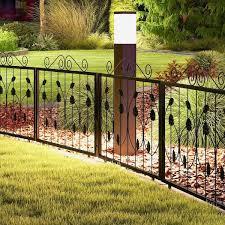
- Wrought iron fences: Ornate and traditional, featuring decorative rosettes or scrolls. Perfect for vintage-style homes.
- Metal mesh panels: Strong, modern, and great for vertical plant support.
- Chain-link fences: Affordable, durable, and ideal for DIY projects.
- Avoid barbed wire — it poses serious risks to children, pets, and wildlife.
Plastic Fences: Not the Best Choice
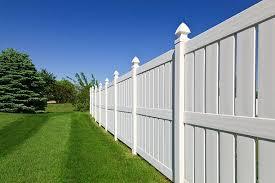
While plastic fences might seem low-maintenance, they’re not eco-friendly. Over time, they fade, become brittle, and are costly to replace or recycle. Opt for natural, sustainable materials instead.
Walls: Solid Boundaries & Structural Beauty
Garden walls made from brick, natural stone, or concrete offer long-term stability and privacy. They can define seating areas, terraces, or garden beds, and even serve as built-in benches.
Construction essentials:
- Every wall needs a foundation: 30 cm deep for low walls, up to 80 cm for higher ones.
- Walls over 1 m or supporting slopes should be professionally built.
- Protect the top from rainwater using stone slabs or a clinker-brick finish.
Wall materials:
- Brick and clinker: Warm and uniform, offering a classic garden look.
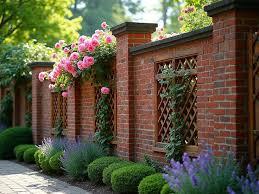
- Natural stone: Rustic and timeless — think sandstone or slate. Locally sourced stones are more sustainable.
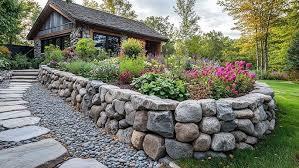
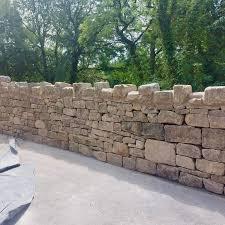
- Dry stone walls: No mortar needed! They offer a natural look and create habitats for insects, lizards, and birds.
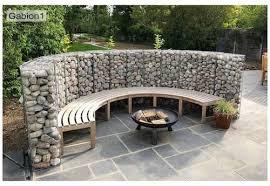
- Gabions: Metal cages filled with stone or glass — modern and customizable.
- Concrete walls: Strong, flexible, and can be plastered or painted to match your garden’s design.
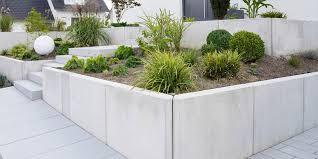
🌿 Eco tip: Choose Xertifix-certified natural stones to ensure ethical sourcing.
Hedges: Living Fences Full of Life
Hedges bring greenery, privacy, and biodiversity to your garden. They purify air, reduce noise, and provide food and shelter for birds and pollinators.
Topiary (clipped) hedges:
Perfect for small gardens. Instead of overused species like thuja, try hornbeam, beech, privet, firethorn, or yew — all of which trim well and stay lush.
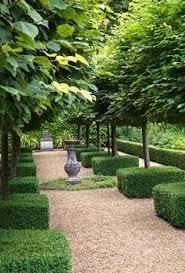
Boxwood alternatives:
Boxwoods are prone to disease and pests like the box tree moth, so consider:
- Japanese holly (Ilex crenata)
- Hedge myrtle (Lonicera nitida)
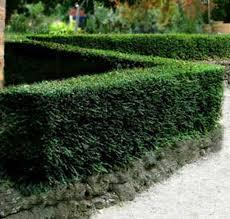
- Spindle tree (Euonymus)
- Yew (Taxus)
Free-growing hedges:
More space, more beauty. Combine native and exotic shrubs for year-round interest and wildlife support. Excellent options include hawthorn, viburnum, dog rose, blackthorn, and forsythia.
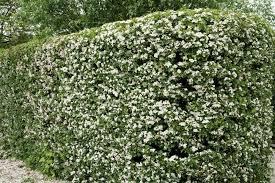
Evergreen hedges:
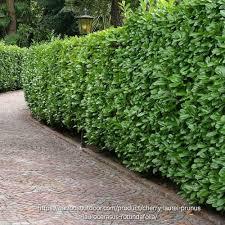
Provide privacy all year long. Best choices include laurel (Prunus laurocerasus), holly (Ilex), and yew (Taxus).
Gates: The Welcoming Touch
Your garden gate sets the tone for your entire property. Decide whether you want something inviting and decorative or secure and robust.
Popular gate styles:
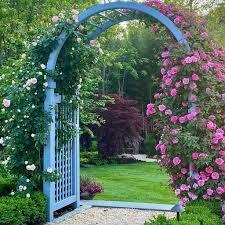
- Arched gates with climbing roses – romantic and timeless.
- Ironwork gates – elegant and durable.
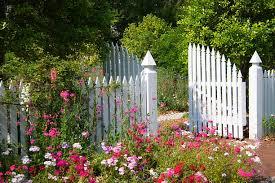
- Wooden picket gates – friendly and traditional.
- Close-boarded gates – solid and secure for privacy.
✨ A well-designed gate combines function and charm, offering both security and a warm welcome.
Final Thoughts
The best garden boundaries are those that reflect your home’s style and your lifestyle — natural, secure, and harmonious with the environment. Whether it’s a lush hedge alive with birdsong, a rustic wooden fence, or a sleek stone wall, your garden’s edges define its soul.


- News & Current Affairs
- Business & Economy
- Finance & Money
- Education & Learning
- Technology & Innovation
- Science & Environment
- Health & Wellness
- Food & Drink
- Home, Garden & Lifestyle
- Travel & Tourism
- Fashion & Beauty
- Art & Culture
- Entertainment & Media
- Sports & Recreation
- Personal Growth & Lifestyle
- Careers & Work
- Tutorials & How-To Guides
- Real Estate & Property
- Automotive
- Family & Relationships
- Environment & Sustainability
- Law & Legal Matters
- Gaming & Esports
- Religion & Spirituality
- Community & Local Voices
- Miscellaneous
- History