


William Shakespeare: The Bard Who Shaped the English Language

William Shakespeare (1564–1616) was an English playwright, poet, and actor whose works transformed world literature. Born in Stratford-upon-Avon, he rose from a small-town upbringing to become the most influential writer in the English language.
Famous for masterpieces such as Hamlet, Romeo and Juliet, Macbeth, and King Lear, Shakespeare’s legacy continues to shape drama, storytelling, and everyday speech more than four centuries later.

Early Life and Family
Shakespeare was baptized on April 26, 1564, and is traditionally believed to have been born on April 23, St. George’s Day. He was the oldest surviving child of John Shakespeare, a glove maker and local official, and Mary Arden, from a respected family.
He likely attended King’s New School in Stratford, where he studied Latin literature, rhetoric, and drama, training that would later influence his writing. At just 18 years old, he married Anne Hathaway, who was eight years older than him. They had three children:
- Susanna
- Hamnet (who died at age 11)
- Judith (twin of Hamnet)
The death of his only son is often thought to have influenced the emotional depth of Shakespeare’s later tragedies.
The “Lost Years” and Rise in London
Between 1585 and 1592, little is known about Shakespeare’s life, this period is known as his “Lost Years.” By 1592, however, he had emerged in London as an actor and playwright, already successful enough to attract criticism from rivals.
He became a leading member of the acting company Lord Chamberlain’s Men, later renamed The King’s Men under King James I. As both a writer and shareholder, Shakespeare achieved financial success as well as artistic fame.
In 1599, his company built The Globe Theatre, where many of his greatest plays were first performed before audiences from all social classes.
A Prolific Career
Shakespeare wrote approximately:
- 39 plays
- 154 sonnets
- Several long narrative poems
His work evolved over time:
- Early comedies and histories (A Midsummer Night’s Dream, Henry V)
- Tragedies (Hamlet, Othello, Macbeth, King Lear)
- Late romances (The Tempest, The Winter’s Tale)

His writing explored timeless themes of love, power, jealousy, ambition, betrayal, and identity.
Retirement and Death
By 1613, Shakespeare retired to Stratford-upon-Avon, having become a wealthy man. He owned land and the town’s second-largest house, New Place.
He died on April 23, 1616, at the age of 52, and was buried at Holy Trinity Church in Stratford. The exact cause of death is unknown.
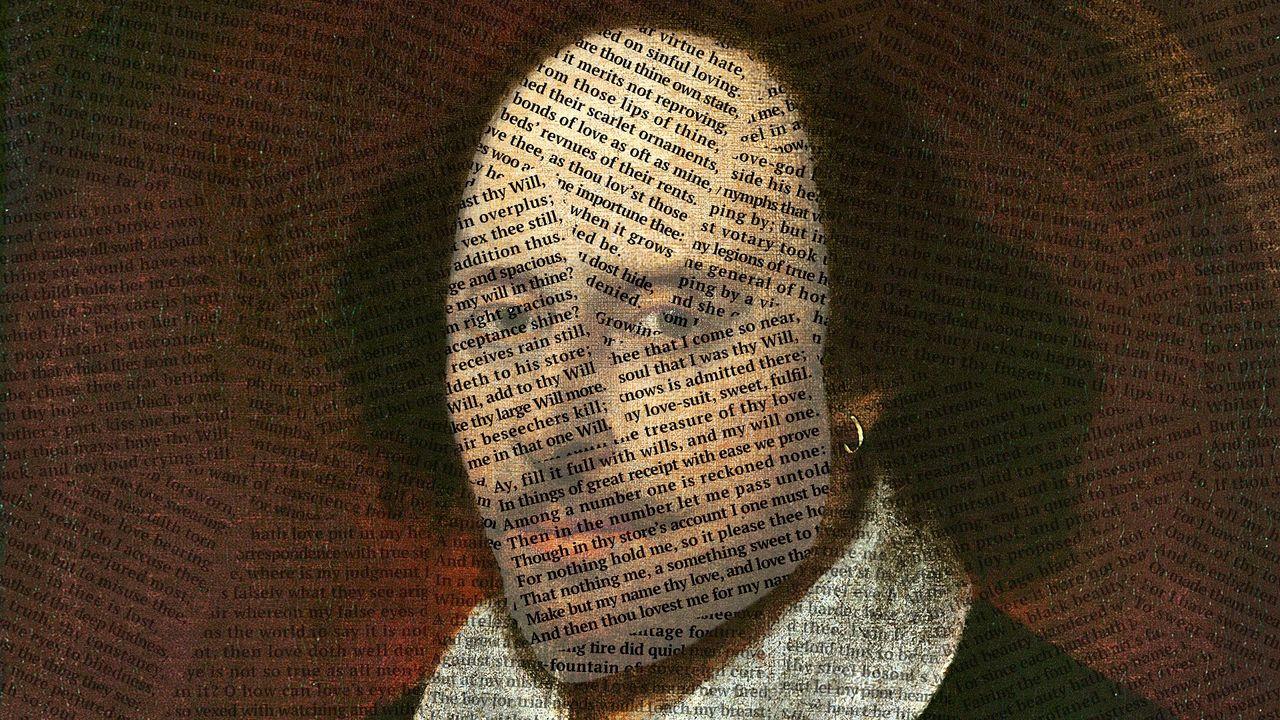
Two authentic likenesses of Shakespeare remain:
- The bust at Holy Trinity Church
- The engraving in the 1623 First Folio
Legacy
Shakespeare’s influence is unmatched:
- He introduced thousands of words and phrases into English
- His plays are performed worldwide
- His stories are endlessly adapted into films, novels, and modern retellings
- His works are studied in nearly every English-speaking country
Phrases like “break the ice,” “wild-goose chase,” and “heart of gold” all come from his writing.
Final Thoughts
William Shakespeare rose from modest beginnings to become the voice of human emotion and imagination. His ability to capture the complexity of life, its joys, tragedies, and contradictions, has kept his work alive for over 400 years.
He did not just write plays; he reshaped language itself, proving that stories told well can outlive time, culture, and kings.
Shakespeare’s genius reminds us that great art does not fade, it evolves with every generation that reads, performs, and reimagines it.


- News & Current Affairs
- Business & Economy
- Finance & Money
- Education & Learning
- Technology & Innovation
- Science & Environment
- Health & Wellness
- Food & Drink
- Home, Garden & Lifestyle
- Travel & Tourism
- Fashion & Beauty
- Art & Culture
- Entertainment & Media
- Sports & Recreation
- Personal Growth & Lifestyle
- Careers & Work
- Tutorials & How-To Guides
- Real Estate & Property
- Automotive
- Family & Relationships
- Environment & Sustainability
- Law & Legal Matters
- Gaming & Esports
- Religion & Spirituality
- Community & Local Voices
- Miscellaneous
- History