


Epilepsy: What It Is, How It Affects You, and How It’s Treated

Epilepsy is a neurological condition characterised by recurrent seizures caused by abnormal electrical activity in the brain. Seizures can vary widely in appearance and severity, ranging from brief staring spells to full-body convulsions. While epilepsy can affect anyone, proper diagnosis, treatment, and lifestyle management allow many people to live full and active lives.
Treatment is highly individual and may involve medication, dietary therapy, medical devices, or surgery. Some natural approaches are being explored, but these must be used cautiously and always under medical guidance.
Common Symptoms of Seizures
Epileptic seizures can present in many ways, including:
- Staring spells: Brief lapses in awareness, often mistaken for daydreaming
- Body stiffness or collapse: Sudden stiffening or loss of muscle tone
- Jerking movements: Rhythmic or sudden muscle jerks
- Confusion or altered awareness: Unusual behaviour, fear, loss of consciousness
- Physical signs: Drooling, tongue biting, or loss of bladder or bowel control
- Sensory shifts: These may include strange smells (often metallic or burning), odd tastes, tingling or “pins and needles,” feelings of heat or cold, or a rising sensation in the stomach. Act as a warning sign (aura) that a seizure is happening or about to occur.

Symptoms depend on the type of seizure and the area of the brain involved.
Causes and Triggers of Epilepsy
Possible Causes
- Genetic factors
- Head injury or trauma
- Stroke or brain tumours
- Brain infections
- Developmental brain abnormalities
In many cases, the exact cause remains unknown.
Common Triggers
- Sleep deprivation
- Emotional or physical stress
- Alcohol or drug use
- Flashing or flickering lights
- Illness or fever
- Hormonal changes
- Skipped meals or low blood sugar
- Missed doses of anti-seizure medication

Identifying and managing personal triggers is an important part of seizure control.
Types of Seizures
Focal Onset Seizures
Focal seizures begin in one area of the brain.
Focal onset aware seizures (formerly simple partial seizures):
You remain awake and aware. Symptoms may include sensory changes, emotional shifts, muscle jerking, tingling, dizziness, or visual disturbances.
Focal onset impaired awareness seizures (formerly complex partial seizures):
Awareness is altered or lost. Symptoms may include staring, confusion, and repetitive movements such as lip-smacking or hand rubbing.
Generalized Onset Seizures
These seizures involve both sides of the brain simultaneously.
- Absence seizures: Brief staring spells with subtle movements; common in children
- Atonic seizures: Sudden loss of muscle tone, often causing falls
- Tonic seizures: Sudden muscle stiffening
- Clonic seizures: Repetitive, rhythmic muscle jerking
- Myoclonic seizures: Brief, shock-like muscle twitches
- Tonic-clonic seizures: Loss of consciousness with stiffening followed by shaking; may include tongue biting and loss of bladder control

As understanding improves, seizure classification may change over time.
Treatment Options for Epilepsy
Anti-Seizure Medications (ASMs)
Medications are the most common treatment and work by stabilising brain activity. Finding the right medication and dose may take time and regular monitoring.
Dietary Therapy
The ketogenic diet, a high-fat, very low-carbohydrate diet, can reduce seizure frequency, particularly in children who don’t respond to medication. Less restrictive options include the Modified Atkins Diet and Low Glycaemic Index Treatment.
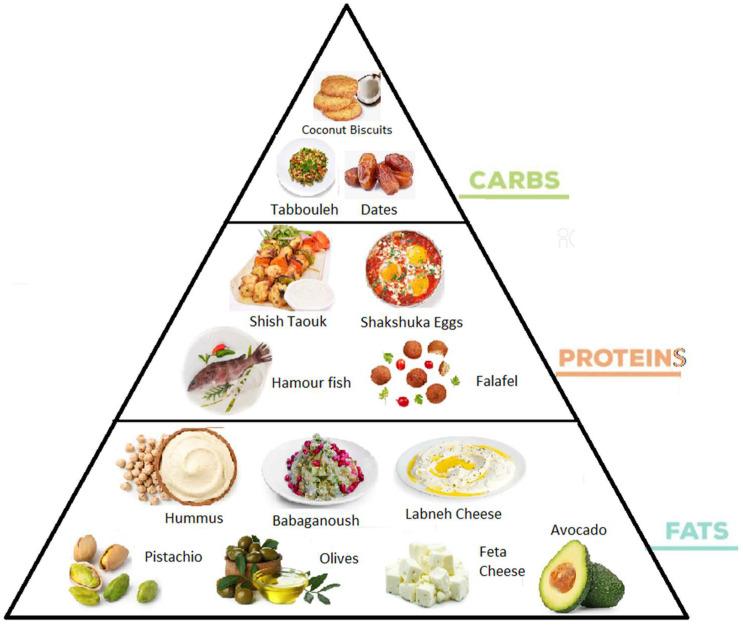
All dietary therapies must be medically supervised.
Vagus Nerve Stimulation (VNS)
A surgically implanted device that sends mild electrical impulses to the vagus nerve to help reduce seizures.
Surgery
For some individuals, surgery to remove or disable the seizure focus in the brain may be an option. Techniques include traditional surgery or laser ablation for more precise treatment.

Natural and Lifestyle Approaches (Use With Caution)
While not replacements for medical treatment, lifestyle strategies can support seizure management:
- Prioritise sleep: Sleep deprivation is a major seizure trigger
- Manage stress: Yoga, meditation, and breathing exercises may help
- Exercise regularly: Supports physical and mental health; avoid overexertion
- Avoid known triggers: Alcohol, nicotine, and certain essential oils (e.g. hyssop, rosemary, eucalyptus) may worsen seizures

Supplements and Herbs
- Omega-3 fatty acids: Mixed evidence; quality and contamination are concerns
- Turmeric (curcumin) and red sage: Show promise in early studies but lack strong human evidence
- Chiropractic and acupuncture: Limited evidence; consult a neurologist first
Vitamins and Supplements
Anti-seizure medications can sometimes reduce nutrient levels, particularly:
- Vitamin D
- Vitamin B6
- Calcium
Supplementation should only be done under medical supervision, as excess intake may be harmful.
Caution With Herbal Remedies
Many herbal remedies lack strong scientific evidence and may interact with epilepsy medications or trigger seizures. Herbs such as ginkgo biloba and St John’s wort should be avoided unless specifically approved by a healthcare provider.
Final Thoughts
Epilepsy is a complex condition that requires individualised care and ongoing medical supervision. Modern treatments—including medication, dietary therapy, medical devices, and surgery—offer effective seizure control for many people. Lifestyle management plays an important supportive role, but “natural” remedies should never replace prescribed treatment.
Always consult your neurologist before making changes to your treatment plan. With the right combination of medical care, lifestyle awareness, and support, many people with epilepsy lead healthy, fulfilling lives.


- News & Current Affairs
- Business & Economy
- Finance & Money
- Education & Learning
- Technology & Innovation
- Science & Environment
- Health & Wellness
- Food & Drink
- Home, Garden & Lifestyle
- Travel & Tourism
- Fashion & Beauty
- Art & Culture
- Entertainment & Media
- Sports & Recreation
- Personal Growth & Lifestyle
- Careers & Work
- Tutorials & How-To Guides
- Real Estate & Property
- Automotive
- Family & Relationships
- Environment & Sustainability
- Law & Legal Matters
- Gaming & Esports
- Religion & Spirituality
- Community & Local Voices
- Miscellaneous
- History