


Safe Travelling During Pregnancy

Being pregnant doesn’t mean you have to stay at home wrapped in cotton wool. If your pregnancy is progressing normally and you take a few sensible precautions, travelling can still be safe and enjoyable. Many expectant mothers continue to explore new places while preparing for their baby’s arrival.
However, travelling does mean being away from the healthcare providers who know your medical history. Medical care may also be expensive or limited in some destinations, so planning ahead is essential.
Before you travel, talk to your gynaecologist or healthcare provider about your plans. They can advise you on medications, vaccinations, and whether your trip is suitable for your stage of pregnancy.
Medical Planning & Insurance
- Make sure your travel insurance covers pregnancy-related care and emergencies
- Carry a copy of your prenatal records
- Identify medical facilities near your destination
- If travelling in the third trimester, confirm that hospitals can handle:
- Caesarean sections
- Pre-eclampsia
- Anaesthesia if needed
When Is the Best Time to Travel?
The mid-second trimester (around 18–24 weeks) is generally the safest and most comfortable time to travel. At this stage:
- Morning sickness has usually eased
- Energy levels are higher
- The risk of miscarriage and premature labour is lower
Your personal situation must always be considered. For example, those with high-risk pregnancies may be advised not to travel and will need closer medical monitoring.
Eating and Drinking While Travelling
In developing or unfamiliar regions, food and water safety becomes especially important:
- Choose clean, hygienic restaurants
- Avoid food from street stalls, especially meat
- Peel fruit before eating
- Drink bottled water if local water is unsafe
- Use bottled water to brush your teeth
- Avoid ice in drinks
- If you develop diarrhoea, drink plenty of fluids and seek medical advice

Tropical Travel & Disease Risks
If travelling to tropical destinations:
- Ask your doctor about vaccinations
- Avoid areas where malaria is common
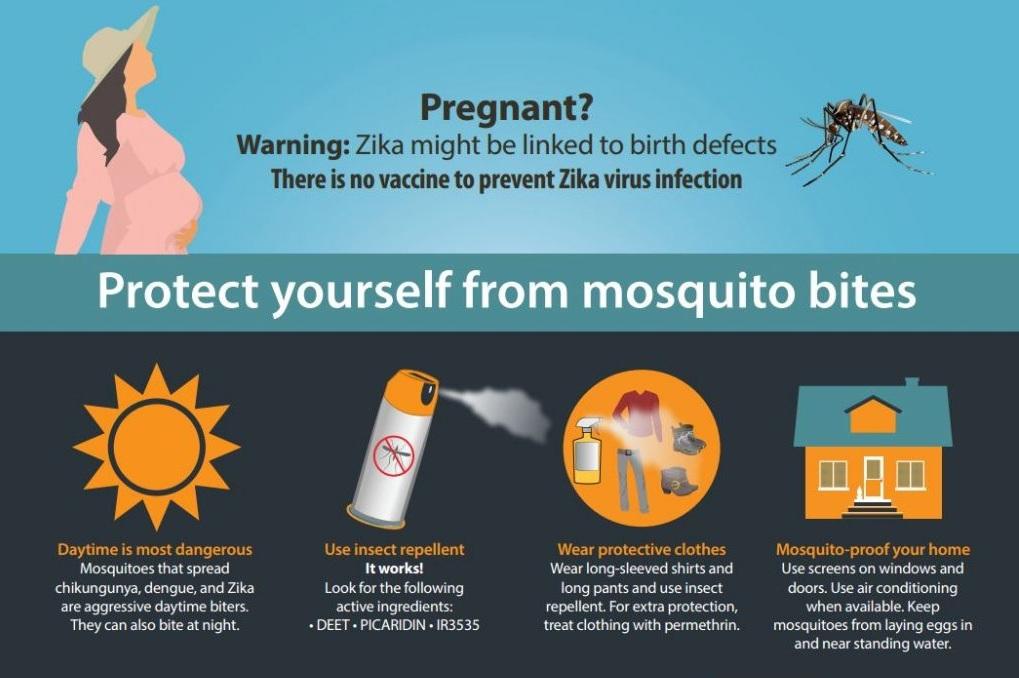
- Protect against insect bites:
- Wear long sleeves and trousers
- Use insect repellents with DEET or Oil of Lemon Eucalyptus sparingly
It is also wise to avoid destinations with Zika virus, or limited healthcare services.
High Altitudes
Avoid travelling to high-altitude destinations (above 3,600 metres). Reduced oxygen levels can strain both mother and baby, especially in the third trimester.
Travelling by Car
Car travel is generally safe during pregnancy if you take precautions:
- Stop every 2 hours to walk and stretch
- Wear your seatbelt at all times
- Position the lap belt below your bump, not above it
- Keep the shoulder strap in its normal position
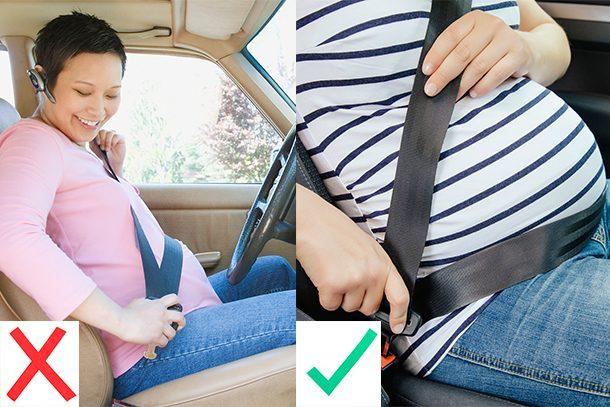
The amniotic fluid cushions the baby, and wearing a seatbelt protects both mother and child. Studies show that the greatest risk to the baby in a car accident is injury or death of the mother.
Travelling by Air
Most airlines allow pregnant women to fly until 36 weeks, but some require a doctor’s letter confirming you are fit to travel. Always check airline policies before booking.

Tips for flying while pregnant:
- Choose an aisle seat
- Walk around regularly
- Stretch your legs
- Take frequent sips of water (airplane cabins are very dry)
- Wear compression stockings to improve circulation
Movement helps prevent deep vein thrombosis (DVT), which pregnant women are more prone to.
Key Safety Tips at a Glance
- Travel during the second trimester when possible
- Always consult your doctor before travelling
- Ensure medical insurance covers pregnancy
- Avoid high-risk disease areas
- Stay hydrated and move regularly
- Locate hospitals near your destination
- Avoid extreme altitudes and poor medical regions
Final Thoughts
Travelling during pregnancy can be a wonderful experience when done with care and preparation. With medical advice, good insurance, sensible destination choices, and attention to food and movement, most women can travel safely and comfortably while pregnant.
Your health and your baby’s wellbeing should always guide your travel plans. When in doubt, speak to your healthcare provider, peace of mind is just as important as packing your suitcase.


- News & Current Affairs
- Business & Economy
- Finance & Money
- Education & Learning
- Technology & Innovation
- Science & Environment
- Health & Wellness
- Food & Drink
- Home, Garden & Lifestyle
- Travel & Tourism
- Fashion & Beauty
- Art & Culture
- Entertainment & Media
- Sports & Recreation
- Personal Growth & Lifestyle
- Careers & Work
- Tutorials & How-To Guides
- Real Estate & Property
- Automotive
- Family & Relationships
- Environment & Sustainability
- Law & Legal Matters
- Gaming & Esports
- Religion & Spirituality
- Community & Local Voices
- Miscellaneous
- History