


Marie Curie: The Woman Who Changed Science Forever
Early Life and Education
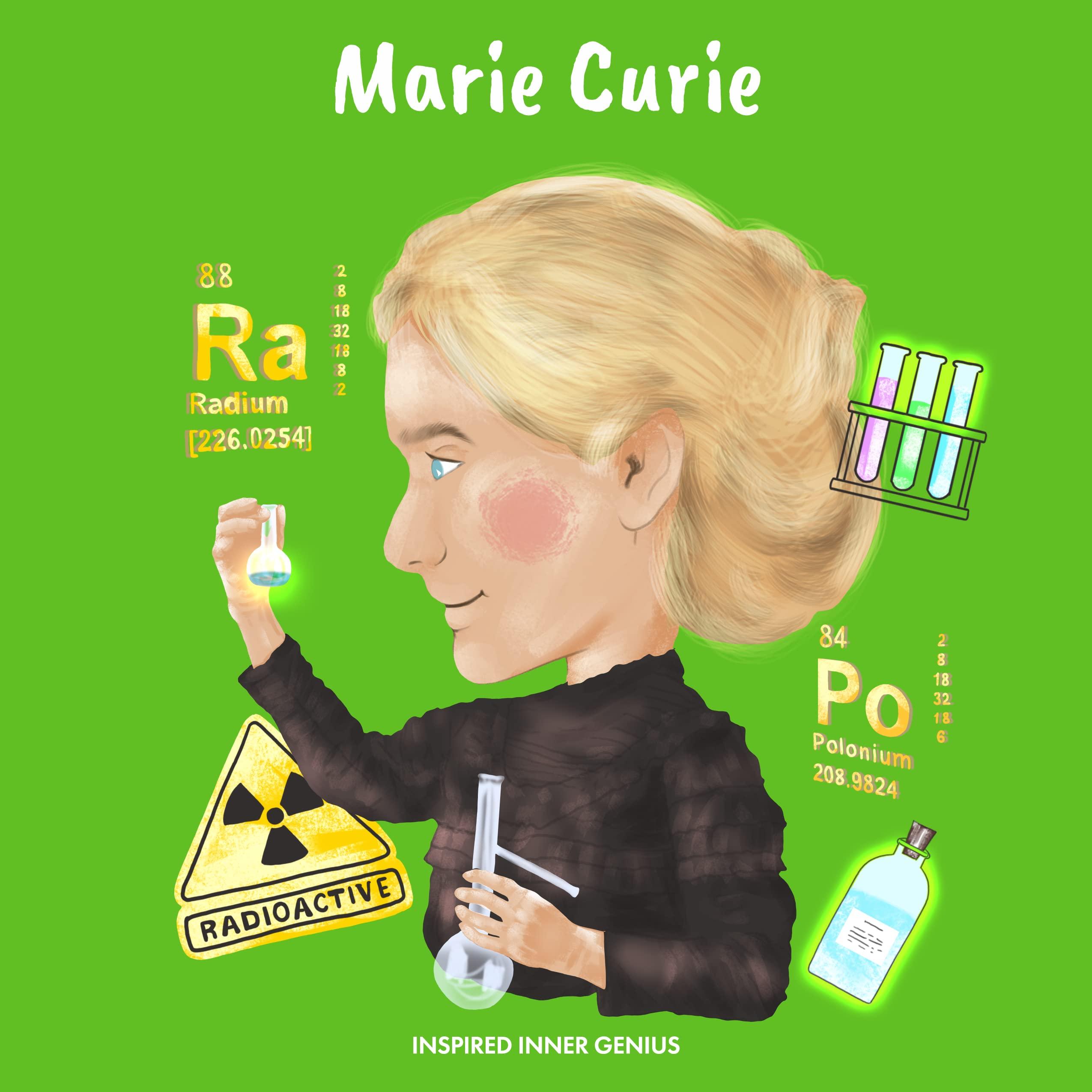
Marie Curie (1867–1934) was one of the most extraordinary scientists in history. She was born as Maria Skłodowska on November 7, 1867, in Warsaw, Poland, then under Russian rule. She was the youngest of five children in a family of teachers who deeply valued education.
Because women were barred from higher education, Marie studied secretly at the underground “Flying University” in Warsaw. Determined to pursue science, she worked as a governess for several years to support her sister’s medical studies in France. In return, her sister helped her move to Paris.
In 1891, Marie enrolled at the Sorbonne, studying physics and mathematics. Living in poverty but driven by passion, she graduated at the top of her class.
Partnership with Pierre Curie
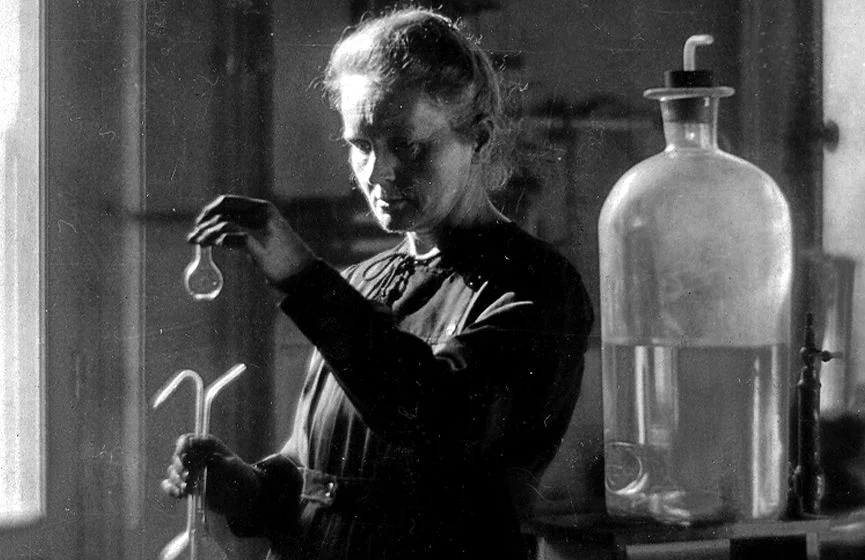
While conducting postgraduate research, Marie met Pierre Curie, a physicist who shared her love for discovery and cycling through the countryside. They married in 1895 and formed one of the most productive scientific partnerships in history.
Inspired by Henri Becquerel’s discovery of mysterious “uranium rays,” Marie began studying radiation. She soon coined the term radioactivity and demonstrated that it was a property of atoms themselves.
Discovery of New Elements
In 1898, Marie and Pierre announced the discovery of two new elements:
- Polonium, named after her native Poland
- Radium, a highly radioactive element
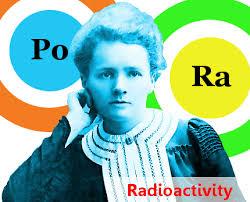
Marie later succeeded in isolating pure radium and determining its atomic weight, an extraordinary achievement using crude laboratory equipment.
For this work, the Curies and Becquerel shared the 1903 Nobel Prize in Physics. In 1911, Marie received her second Nobel Prize, this time in Chemistry, for her independent discoveries and isolation of radioactive elements.
Tragedy and Teaching
In 1906, Pierre Curie was killed in a street accident. Devastated, Marie took over his position at the Sorbonne, becoming the first woman professor in the university’s history.
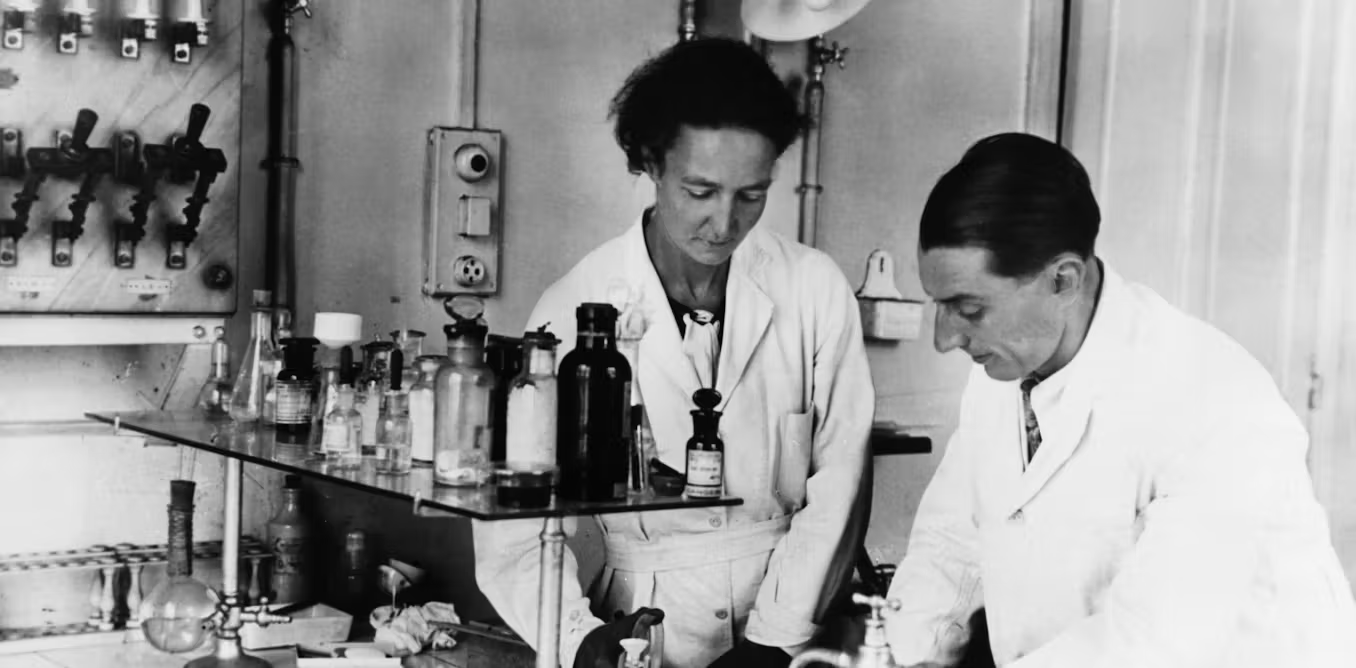
She continued her research and training of scientists, including her daughter Irène, who later won a Nobel Prize herself with her husband for discovering artificial radioactivity.
World War I and Medical Innovation
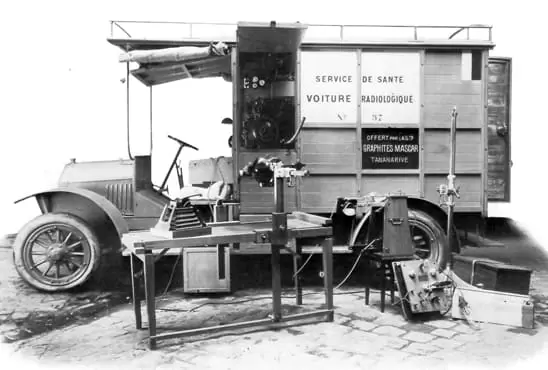
During World War I, Marie Curie applied her knowledge of radiation to save lives. She developed mobile X-ray units called “Little Curies”, which traveled to the front lines to help surgeons locate bullets and shrapnel. She trained 150 women to operate the machines, revolutionizing battlefield medicine.
Final Years and Death
At the time, the dangers of radiation were not understood. Marie handled radioactive materials without protection for decades. By the 1920s, her health deteriorated, and she suffered from anaemia and cataracts.
She died on July 4, 1934, from aplastic anaemia caused by prolonged radiation exposure.
In recognition of her achievements, Marie Curie became the first woman entombed in the Panthéon in Paris on her own merits.
Final Thoughts
Marie Curie’s legacy is unmatched. She opened the door to nuclear science, transformed cancer treatment, and broke barriers for women in science. Her work cost her health, but it changed the world. Her life was a story of brilliance, perseverance, and sacrifice in the pursuit of knowledge.
She once wrote:
“Nothing in life is to be feared, it is only to be understood.”
Her life reminds us that courage, curiosity, and perseverance can illuminate even the darkest unknowns.


- News & Current Affairs
- Business & Economy
- Finance & Money
- Education & Learning
- Technology & Innovation
- Science & Environment
- Health & Wellness
- Food & Drink
- Home, Garden & Lifestyle
- Travel & Tourism
- Fashion & Beauty
- Art & Culture
- Entertainment & Media
- Sports & Recreation
- Personal Growth & Lifestyle
- Careers & Work
- Tutorials & How-To Guides
- Real Estate & Property
- Automotive
- Family & Relationships
- Environment & Sustainability
- Law & Legal Matters
- Gaming & Esports
- Religion & Spirituality
- Community & Local Voices
- Miscellaneous
- History

