


Multiple Sclerosis (MS): Understanding the Condition, Treatment Options, and Natural Support

Multiple sclerosis (MS) is a chronic autoimmune disease in which the immune system mistakenly attacks myelin, the protective covering of nerve fibers in the brain, spinal cord, and optic nerves. When myelin is damaged, nerve signals become disrupted, leading to a wide range of neurological symptoms that can vary from person to person.
MS is most commonly diagnosed in young adults between the ages of 20 and 40, though it can occur at any age. It occurs more often in women than in men due to a combination of hormonal, genetic, and environmental factors. Female hormones such as estrogen and progesterone influence immune activity, making women more prone to autoimmune conditions. While women tend to experience more inflammation and relapses, men often develop faster nerve degeneration.
While there is currently no cure, modern treatments and supportive therapies allow many people with MS to live active and fulfilling lives.
Main Types of Multiple Sclerosis
Multiple sclerosis presents in several forms, each with its own pattern of progression and symptom activity:
- Relapsing-Remitting MS (RRMS):
The most common type, affecting about 85% of people at diagnosis. It involves unpredictable flare-ups of symptoms followed by periods of partial or full recovery.
- Primary Progressive MS (PPMS):
Characterised by a steady worsening of neurological function from the start, without clear relapses or remissions.
- Secondary Progressive MS (SPMS):
Develops from RRMS, where symptoms gradually worsen over time, with or without occasional relapses.
- Progressive Relapsing MS (PRMS):
A rare form marked by continuous progression from the beginning, along with distinct relapses and incomplete recovery.
Common Symptoms of MS
Symptoms vary widely depending on which nerves are affected and how severely.
Sensory Symptoms
- Numbness and tingling
- Pain or altered sensation
- Balance problems and vertigo
Motor Symptoms
- Muscle weakness
- Spasms and stiffness
- Difficulty walking
- Tremors and coordination problems
Vision Problems
- Blurred or double vision
- Vision loss
- Eye pain
Cognitive & Emotional Changes
- Memory problems
- Difficulty concentrating
- Depression and mood changes
Other Symptoms
- Severe fatigue
- Bladder and bowel problems
- Sexual dysfunction

Causes and Risk Factors
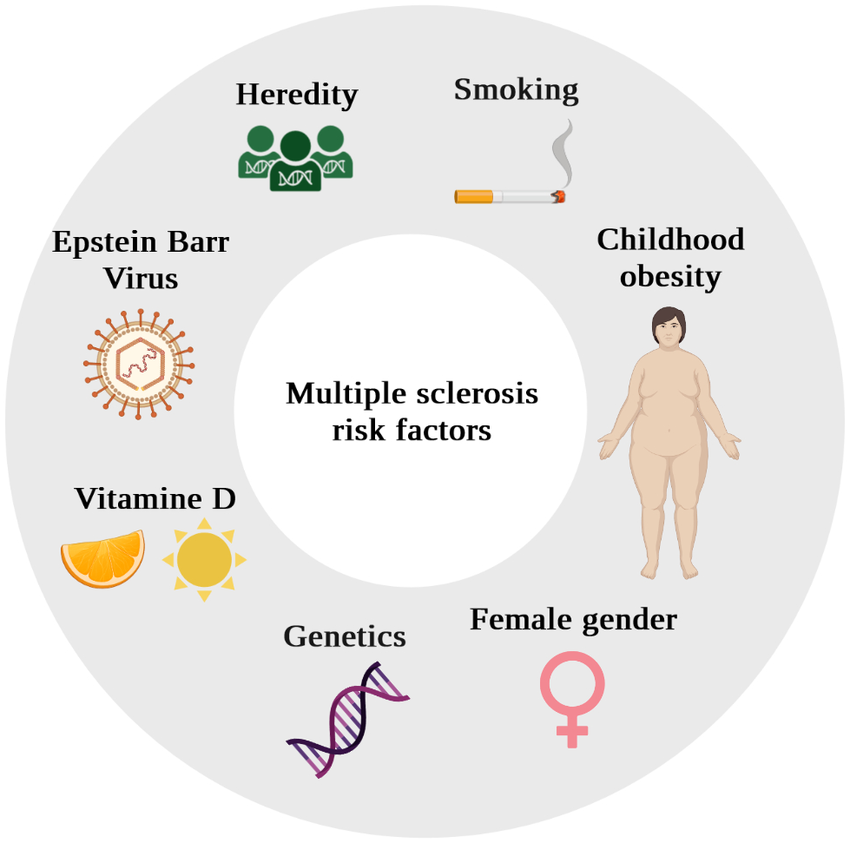
The exact cause of MS is unknown, but it is believed to involve a combination of genetics and environmental triggers.
Risk Factors Include:
- Family history of MS
- Low vitamin D levels
- Epstein-Barr virus infection
- Smoking
- Obesity
- Living further from the equator
- Being female
Diagnosis and Medical Treatment
Diagnosis
MS is diagnosed through:
- Neurological examination
- MRI scans
- Review of symptoms and medical history
Treatment
Although there is no cure, treatment focuses on slowing disease progression and managing symptoms.
- Disease-Modifying Therapies (DMTs): Reduce relapse frequency and severity
- Symptom Management: Medications for spasms, fatigue, pain, and depression
- Rehabilitation: Physical therapy, occupational therapy, and counselling

With early treatment, MS can often be stabilised, and life expectancy is usually near normal.
Natural and Complementary Approaches
(Used alongside medical treatment, not as a replacement)
Many people with MS use complementary therapies to support symptom management and overall wellbeing. These approaches should always be discussed with a healthcare provider.
Diet and Nutrition for MS
Nutrition plays a central role in managing inflammation and supporting nerve health.
Balanced, Anti-Inflammatory Diet
A Mediterranean-style diet rich in:
- Fruits and vegetables
- Whole grains
- Healthy fats (olive oil, nuts, seeds)
- Lean proteins

may be linked to better long-term outcomes.
Vitamin D
Low vitamin D levels are strongly associated with MS risk and severity. Many doctors recommend vitamin D3 supplementation under supervision.
Omega-3 Fatty Acids
Found in oily fish and fish oil, omega-3s may help reduce inflammation and relapse severity.

Hydration
Dehydration can worsen fatigue and dizziness, making regular fluid intake essential.
Lifestyle Adjustments
Exercise
Gentle activities such as walking, swimming, yoga, and tai chi help improve:
- Strength
- Balance
- Flexibility
- Energy levels

Stress Management
Stress can worsen symptoms. Helpful techniques include:
- Meditation
- Deep breathing
- Yoga
- Mindfulness
Sleep
Quality sleep supports immune regulation and energy levels.
Temperature Control
Both extreme heat and cold can temporarily worsen MS symptoms, although sensitivity varies from person to person. Heat is a more common trigger, often increasing fatigue, weakness, and vision problems, while cold can cause stiffness, pain, and reduced mobility.
These effects occur because the body struggles to maintain the ideal temperature for proper nerve function. Managing body temperature and avoiding extremes can help reduce symptom flare-ups.

Complementary Therapies
Some people find benefit from:
- Acupuncture for fatigue and muscle stiffness
- Massage and reflexology for pain and circulation
- Mind-body practices for emotional wellbeing
Vitamins and Supplements
Some nutrients commonly supported in MS include:
- Vitamin D
- Vitamin B12 and B-complex
- Omega-3 fatty acids
- Antioxidants (from food sources)
Supplementation should be guided by blood testing and medical advice.
Herbs: Use With Caution
Some herbs may help with specific symptoms, but immune-stimulating herbs should be avoided.
May Be Helpful:
- Psyllium for constipation
- Cranberry for urinary health
- Valerian root for sleep and muscle tension

Avoid or Use Only With Medical Advice:
- Echinacea
- Astragalus
- Spirulina
- Bee venom therapy
- Hyperbaric oxygen therapy
In a Nutshell
A comprehensive MS management plan may include:
- Medical treatment and monitoring
- Anti-inflammatory nutrition
- Vitamin and mineral support
- Regular movement
- Stress reduction
- Restorative sleep
Important Precautions
Many natural treatments lack strong scientific evidence and may interact with MS medications.
Natural remedies should support, not replace, disease-modifying therapies.
Always consult your neurologist before starting any supplement or alternative therapy.
Final Thoughts
Multiple sclerosis is a complex and highly individual condition, but with early diagnosis, modern treatments, and supportive lifestyle strategies, many people are able to manage symptoms effectively and maintain a good quality of life.
By combining conventional medicine with carefully chosen complementary approaches, people with MS can take an active role in supporting their long-term health and wellbeing.

- News & Current Affairs
- Business & Economy
- Finance & Money
- Education & Learning
- Technology & Innovation
- Science & Environment
- Health & Wellness
- Food & Drink
- Home, Garden & Lifestyle
- Travel & Tourism
- Fashion & Beauty
- Art & Culture
- Entertainment & Media
- Sports & Recreation
- Personal Growth & Lifestyle
- Careers & Work
- Tutorials & How-To Guides
- Real Estate & Property
- Automotive
- Family & Relationships
- Environment & Sustainability
- Law & Legal Matters
- Gaming & Esports
- Religion & Spirituality
- Community & Local Voices
- Miscellaneous
- History