


Understanding Diabetes Mellitus: Causes, Types, Symptoms, and Natural Management

Today, Diabetes Mellitus, commonly known as high blood sugar, has become increasingly common worldwide. This chronic condition occurs when the body either does not produce enough insulin or cannot use insulin effectively. Insulin is the hormone responsible for moving glucose from the bloodstream into the body’s cells, where it is used for energy.
When this process fails, glucose remains in the blood, causing elevated blood sugar levels. Over time, uncontrolled high blood sugar can be destructive, damaging blood vessels and organs, particularly the heart, circulatory system, kidneys, nerves, and eyes.
Diabetes is a long-term condition, but with proper understanding and management, many people live healthy, active lives.
Types of Diabetes
Type 1 Diabetes
Type 1 diabetes is an autoimmune condition in which the immune system attacks the insulin-producing beta cells of the pancreas. As a result, little to no insulin is produced, resulting in glucose remaining in the bloodstream rather than entering the cells to be used as energy.
- Often referred to as juvenile-onset diabetes, though it can occur at any age
- Insulin-dependent, requiring daily injections or an insulin pump
- Requires careful monitoring of blood sugar, diet, and regular physical activity
Type 2 Diabetes
Type 2 diabetes is the most common form and typically develops in adulthood, often after the age of 40, although it is increasingly seen in younger people.
- The body becomes resistant to insulin, or insulin production gradually decreases
- Strongly linked to lifestyle factors such as poor diet, inactivity, and excess weight
- Genetics also play a significant role
- Often managed with oral medication, lifestyle changes, and sometimes insulin
With consistent dietary changes, regular exercise, and weight management, Type 2 diabetes can often be improved and, in some cases, significantly reversed.
Gestational Diabetes
This type develops during pregnancy and usually resolves after childbirth. However, it increases the mother’s risk of developing Type 2 diabetes later in life, making ongoing lifestyle awareness essential.
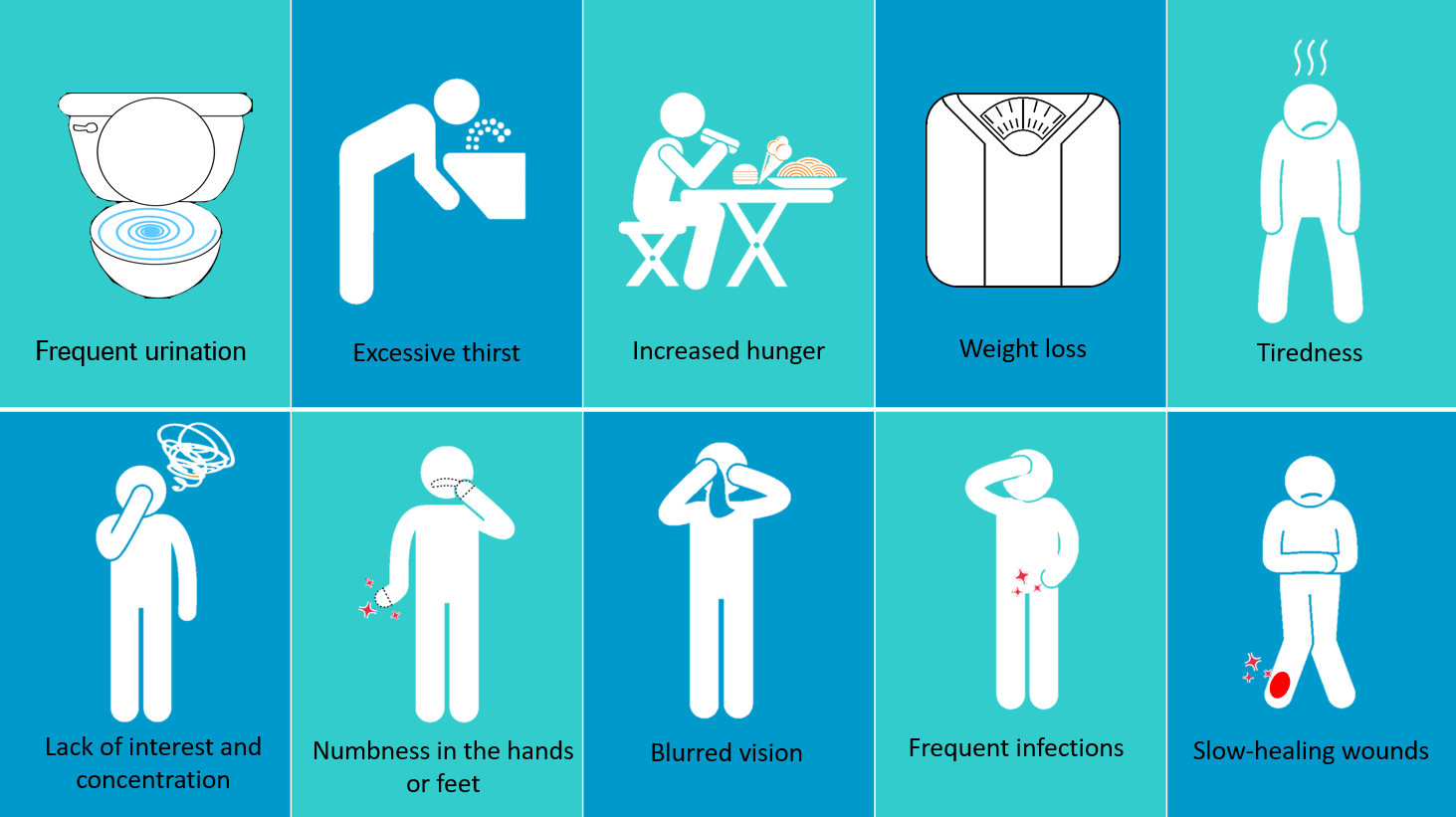
Common Symptoms of Diabetes
- Increased thirst and hunger
- Frequent urination
- Fatigue
- Irritability
- Blurred vision
- Slow-healing wounds or frequent infections
- Tingling or numbness in the hands and feet (more common in Type 2)
- Unexplained weight loss (more common in Type 1)
Causes and Risk Factors
- Type 1: Autoimmune destruction of insulin-producing cells, influenced by genetics and environmental factors
- Type 2: Insulin resistance, reduced insulin production, family history, inactivity, and excess body weight
- All types: Genetics, family history, and environmental influences contribute to risk
Management and Prevention
Daily Management
Managing diabetes effectively involves a holistic approach:
- A balanced, whole-food diet
- Regular physical activity such as walking, swimming, yoga, or cycling
- Weight management
- Adequate hydration
- Quality sleep
- Stress reduction
- Avoid smoking
- Avoid alchohol
- Taking prescribed medication or insulin as directed

Prevention
While Type 1 diabetes cannot be prevented, Type 2 diabetes can often be delayed or prevented through healthy lifestyle choices, particularly diet and physical activity.
Possible Complications
Poorly controlled diabetes can lead to serious long-term complications, including:
- Heart disease and stroke
- Nerve damage (neuropathy)
- Kidney disease
- Vision problems and blindness
- Poor circulation and lower limb amputations
Foods to Avoid
Certain foods cause rapid blood sugar spikes and contribute to inflammation and heart disease:
- Sugary drinks and fruit juices
- Refined grains (white bread, pasta)
- Sweets and baked goods
- Processed meats (bacon, hot dogs)
- Fried foods
- Trans fats and excessive saturated fats
- Excess salt

Salt-Free Herbal Flavouring Recipe
A healthy way to reduce salt without sacrificing flavour:
Ingredients
- 2 tablespoons dried thyme
- 2 tablespoons celery seed
- 1 tablespoon caraway seed
- 1–2 tablespoons black peppercorns
- 2 tablespoons lemon zest
- 2 tablespoons coriander seed
- 2 tablespoons cumin seed
- 1 tablespoon oregano leaves
Method
Mix all ingredients well. Crush in a mortar and pestle or grind in a pepper grinder. Sprinkle over savoury dishes for a delicious, salt-free flavour boost.
Foods to Eat
Focus on whole, nutrient-dense foods to stabilize blood sugar:
- Non-starchy vegetables (spinach, broccoli, kale)
- Lean proteins (fish, chicken, legumes, beans)
- Whole grains (brown rice, oats)
- Healthy fats (olive oil, avocados, nuts, seeds)
- Low-sugar fruits (berries)

Natural sweeteners such as stevia, a small leafy perennial with zero sugar content, may be used in moderation as an alternative to refined sugar.
Complementary Support
Some people explore tissue salts as part of a complementary approach:
- Tissue salts No. 9 and No. 11 (drop form)
- Tissue salts No. 8, 9, and 11 are sometimes used for late-onset Type 2 diabetes, taken twice daily
Never attempt self-diagnosis or self-treatment. Always consult your General Practitioner or healthcare provider before making changes to your treatment plan or introducing new remedies.
Final Thoughts
Diabetes is a serious but manageable condition. Education, consistency, and lifestyle awareness play a powerful role in controlling blood sugar and preventing complications. While medication and insulin may be necessary for many, diet, movement, stress management, and natural support can significantly improve quality of life.
With the right approach, living well with diabetes is not only possible — it is achievable.


- News & Current Affairs
- Business & Economy
- Finance & Money
- Education & Learning
- Technology & Innovation
- Science & Environment
- Health & Wellness
- Food & Drink
- Home, Garden & Lifestyle
- Travel & Tourism
- Fashion & Beauty
- Art & Culture
- Entertainment & Media
- Sports & Recreation
- Personal Growth & Lifestyle
- Careers & Work
- Tutorials & How-To Guides
- Real Estate & Property
- Automotive
- Family & Relationships
- Environment & Sustainability
- Law & Legal Matters
- Gaming & Esports
- Religion & Spirituality
- Community & Local Voices
- Miscellaneous
- History