


Natural Remedies for Carpal Tunnel Syndrome

Carpal tunnel syndrome develops when pressure is placed on the nerves of the wrist, most commonly the median nerve. This pressure is often caused by repetitive movements such as prolonged computer use, certain exercises, or manual work. Wrist injuries like sprains and strains can also contribute. In many natural health approaches, nutrient deficiencies—particularly vitamin B6 and omega-3 fatty acids—are considered possible underlying factors.
Other contributing conditions include tendonitis, arthritis, fluid retention, diabetes, circulatory problems, and hormonal changes associated with menopause.
Symptoms of Carpal Tunnel Syndrome
Symptoms often begin gradually and are frequently worse at night. They may include:
- Numbness and tingling, pins and needles in the fingers, hand, and wrist
- Weakness and clumsiness in the hand
- Pain or a burning sensation
- Tightness and soreness in the wrist
- Pain that travels up the arm
- Reduced flexibility or stiffness of wrist movement

Natural Remedies for Carpal Tunnel Syndrome
Natural remedies aim to reduce inflammation, relieve nerve pressure, and correct strain patterns. These approaches are most effective in mild or early-stage cases and work best when combined consistently.
Lifestyle & Ergonomic Adjustments
Rest and breaks
Take frequent breaks from repetitive hand and wrist movements. Even short pauses help reduce nerve irritation.
Ergonomic setup
Keep wrists in a neutral position when typing. Adjust your keyboard and mouse height, use wrist supports if needed, and avoid bending the wrists for long periods.

Mind–body support
Practices such as yoga, deep breathing, and meditation can reduce muscle tension and stress, both of which may worsen nerve compression.
Temperature & Topical Therapies
Ice therapy
Apply ice packs to the wrist for 10–15 minutes to help reduce inflammation and swelling.

Warm water soaks
Soaking hands in warm (not hot) water can ease stiffness and improve circulation.
Contrast baths
Alternate between ice water (2 minutes) and warm water (30 seconds) for up to 15 minutes to stimulate blood flow and reduce discomfort.
Gentle Exercises & Stretches
Perform these movements slowly and without pain:
- Wrist flexion and extension: Gently bend the hand up and down
- Thumb stretch: Gently pull the thumb back and outward
- Finger stretch: Spread fingers wide apart
- Wrist circles: Rotate wrists slowly in both directions

Consistency is more important than intensity.
Massage Therapy
Regular massage of the hands, wrists, and forearms can improve circulation, ease muscle tension, and reduce discomfort associated with carpal tunnel syndrome.
Gentle circular motions or light kneading along the palm, wrist, and forearm are often effective. You may choose to see a professional massage therapist or learn simple self-massage techniques to use at home.
Foods to Avoid
Certain foods may aggravate inflammation or interfere with vitamin B6 absorption:
- Sugar and refined foods
- Excess salt and salty snacks
- Coffee, tea, and alcohol
- Processed foods and food additives
- Excessive meat consumption
- Artificial food colourants such as tartrazine
- Artificial food colourants such as tartrazine

Foods high in oxalic acid—spinach, Swiss chard, rhubarb, and asparagus—should be limited. Also monitor egg intake, keeping it to no more than three eggs per week.
Foods to Eat
A nutrient-rich, anti-inflammatory diet can support nerve health and healing:
- Oily fish (sardines, mackerel, trout, herring) for omega-3s
- Turmeric, rich in curcumin—add to rice, lentils, beans, and stir-fries
- Brewer’s yeast, bananas, pumpkin seeds, flaxseed, and sesame seeds
- Grind flaxseed, sesame seeds, and pumpkin seeds together and sprinkle over porridge, soups, stir-fries, or smoothies
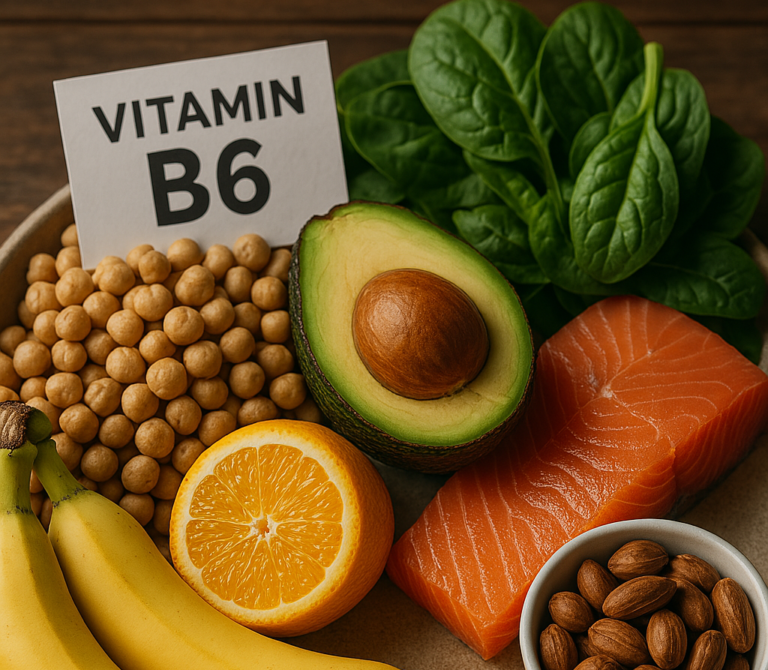
- Vitamin B6–rich foods: Walnuts, green peas, soya beans, and oily fish
- Fresh pineapple, which contains bromelain, a natural anti-inflammatory
Combine pineapple with freshly grated ginger, avocado, fennel, celery, and parsley. These foods also have mild diuretic properties that may help reduce fluid retention and pressure around the wrist.
Tissue Salts (Traditional Use)
In natural health practice, tissue salts No. 2, No. 4, and No. 8 are sometimes used—two of each, taken four times daily. Individual responses vary.
Supplements (Consult a Professional First)
- Omega-3 fish oil: May help reduce inflammation
- Vitamin B6 and B12: Often used for nerve support, though evidence is mixed and excessive B6 intake should be avoided
Posture, Sleep & Daily Habits
Pay close attention to how you sit at your desk. Avoid positions that put pressure on the wrists or restrict circulation. Simply adjusting your posture keyboard height, or using a wrist splint can significantly ease symptoms.
Keeping the affected hand and wrist elevated whenever possible can help reduce swelling and relieve pressure on the median nerve. When resting or sleeping, use pillows or supportive cushions to keep the wrist slightly raised above heart level.

Herbal and Complementary Remedies
Certain natural remedies are commonly used to support inflammation reduction and pain relief:
-
Arnica and comfrey: Often applied as creams or ointments to ease inflammation and soothe sore tissues.
-
Turmeric and ginger: Well-known anti-inflammatory herbs that can be added to meals, teas, or taken as supplements.
-
Willow bark: Contains salicin, a compound similar to aspirin, traditionally used for pain relief.
-
Essential oils: Lavender, peppermint, eucalyptus, and frankincense may help relieve discomfort. Always dilute essential oils in a carrier oil before applying to the skin, keeping concentrations below 3%.

When to See a Professional
If symptoms are persistent, severe, or include ongoing numbness, weakness, or loss of hand function, consult a healthcare professional for proper diagnosis and treatment. Natural remedies are best suited for early or mild cases.
Final Thoughts
Carpal tunnel syndrome often develops slowly through everyday habits. By reducing strain, improving ergonomics, supporting nerve health with proper nutrition, and addressing inflammation naturally, many people experience noticeable relief. Small, consistent lifestyle changes can make a significant difference in comfort, mobility, and long-term wrist health.


- News & Current Affairs
- Business & Economy
- Finance & Money
- Education & Learning
- Technology & Innovation
- Science & Environment
- Health & Wellness
- Food & Drink
- Home, Garden & Lifestyle
- Travel & Tourism
- Fashion & Beauty
- Art & Culture
- Entertainment & Media
- Sports & Recreation
- Personal Growth & Lifestyle
- Careers & Work
- Tutorials & How-To Guides
- Real Estate & Property
- Automotive
- Family & Relationships
- Environment & Sustainability
- Law & Legal Matters
- Gaming & Esports
- Religion & Spirituality
- Community & Local Voices
- Miscellaneous
- History