• NDP, allegedly 11 million jobs to be created by 2030
    NDP, allegedly 11 million jobs to be created by 2030
    Love
    Like
    Haha
    6
    0 Comments 0 Shares 6K Views 0 Reviews
  • Something Big Happened This Weekend.

    While most people were resting…
    South African businesses were moving.

    We’re proud to welcome some incredible new companies that joined our growing MySA community over the weekend.

    From high-performance training supplements
    To beauty brands helping you look and feel your best
    To trusted financial institutions strengthening local stability

    This is what real local growth looks like.

    These aren’t just listings.
    These are real businesses. Real people. Real jobs. Real families.

    And now they’re part of something bigger.

    Keep your eyes on us as we roll out their offerings, introduce their services, and connect you directly to the value they bring.

    When you support local companies, you’re not just buying a product —
    you’re strengthening your own economy.

    This is momentum.
    This is movement.
    This is MySA.

    Stay tuned.
    Something Big Happened This Weekend. While most people were resting… South African businesses were moving. We’re proud to welcome some incredible new companies that joined our growing MySA community over the weekend. From high-performance training supplements To beauty brands helping you look and feel your best To trusted financial institutions strengthening local stability This is what real local growth looks like. These aren’t just listings. These are real businesses. Real people. Real jobs. Real families. And now they’re part of something bigger. Keep your eyes on us as we roll out their offerings, introduce their services, and connect you directly to the value they bring. When you support local companies, you’re not just buying a product — you’re strengthening your own economy. This is momentum. This is movement. This is MySA. Stay tuned.
    Love
    2
    0 Comments 0 Shares 13K Views 0 Reviews
  • Well, my friends… let me tell you another story.

    The other day, I heard whispers of a different kind of private meeting. Not about social media this time. This one was about the future of humanity itself.

    Picture the room. It was a sprawling, glass-walled space, heavy with money and expectation.

    At the center sat a massive mahogany table already nearly filled with the world's billionaires. But the room wasn’t just for the elite.

    Lining the walls were journalists with their recorders flashing, influencers live-streaming to millions, and tech commentators hanging onto every single syllable as they were talking amongst one another.

    They were mesmerized, waiting.

    Then, the heavy doors opened for the final arrivals.

    Elon Musk walked in. Confident. Restless. Focused. He was surrounded by a glowing carousel of slides—sleek rockets, humanoid robots, autonomous electric cars, and sprawling neural networks.

    Right behind him came Bill Gates, composed and calm as ever.

    As they took the last two empty seats at the head of the table, the typing and the whispering stopped.

    Gates spoke, talking about AI assistants, digital ecosystems, optimization, automation, and ruthless efficiency.

    The buzzword echoing off the glass walls?

    “Productivity.”

    Elon leaned forward, resting his hands on the heavy table, and addressed the glowing lenses of the cameras.

    “AI will replace jobs, yes. But it will also create new ones. Eventually, work will be optional.”

    ...Optional. The influencers nodded.

    The journalists furiously typed the headline. It sounded like a utopia.

    But in the far corner of the room, standing in the shadows away from the ring lights—among the camera operators, the security guards, the catering staff, and the ordinary people who actually keep the world turning—a different energy started to brew.

    A murmur rippled through that corner.

    Optional for who?

    Because when you sit at the center of a billionaire's table and say work is optional, it sounds very different to the people leaning against the wall.

    Tell that to the single mother cleaning houses in Johannesburg just to keep the lights on.
    Tell that to the security guard standing right there at the door, about to be replaced by an AI surveillance system.
    Tell that to the call center agent muted by chatbots.
    Tell that to the warehouse picker swapped out for a mechanical arm. Tell that to the taxi driver watching autonomous vehicles map his routes.

    The influencers kept smiling, capturing Elon speaking about abundance and machines doing the heavy lifting so humanity can “pursue passion.”

    But from the corner, a voice finally cut through the polished applause.

    “Let’s slow this down.”

    Heads turned. The cameras pivoted.

    “You’re the richest man in the world, right?” the voice continued, steady and unafraid.

    “And yet… when you bought Twitter and renamed it X… you borrowed billions to do it.

    Forgive the question, but if you hold the world's greatest wealth, why are you borrowing money?

    That’s like owning the biggest, most fertile farm in the country that makes you more money than you could actually spend, but knocking on your neighbour's door to ask for a loan to buy a chicken.

    Something doesn’t quite add up.”

    The room went dead silent. The billionaires stared down the length of the table.

    A chair scraped against the hardwood floor.

    From the back of the room, stepping out from the crowd of the unseen and overlooked, MySA walked forward.

    MySA didn't walk to the center where the billionaires sat.

    Instead, MySA pulled up a chair at the absolute far end of the table, remaining side-by-side with the ordinary people, looking straight down the barrel of the boardroom.

    “Let’s move from your boardroom to your factory floors,” MySA said, asking the questions the journalists were too scared to print.

    “On the production lines of Tesla, welding robots replaced skilled human welders. And we are told it is progress.

    So, let’s ask five simple questions:

    1. The welder who used to weld those car frames—is he still on the payroll, clocking in just to ‘observe’ the robot?
    2. The assembly worker replaced by automated arms—was he carefully retrained into a higher-paying role, or was he simply erased from the roster?
    3. The delivery driver pushed out by autonomous logistics—what exciting new position did you create for him?
    4. The data entry clerk rendered obsolete by AI systems—how does she now buy groceries for her family?
    5. The junior software tester replaced by AI code review—where does he go next when the entry-level door is locked?”

    At the head of the table, the charts go up.

    Productivity increases. Corporate profit margins rise.

    Shareholders stand and clap.

    “But the worker?” MySA asked, the voice echoing in the quiet room.

    “They are handed a box and told to ‘reskill.’

    Reskill into what?

    Into building the very AI that will replace the next person in line?

    Here is the uncomfortable truth: when billionaires speak about AI making work optional, they are not speaking from the perspective of the cleaner, the mechanic, the factory worker, or the cashier.

    They are speaking entirely from the perspective of capital. AI, in your world, increases margins.

    In the real world, AI replaces paychecks.”

    The influencers had stopped recording. The journalists had stopped typing. They were just listening.

    Because right then, the story changed. While the people at the head of the table build systems that centralize power and automate humanity out of relevance, MySA sat at the edge of the table and offered something entirely different.

    No rockets. No Mars colonies. No borrowed billions.

    Just something far more radical. Community.

    “While Silicon Valley talks about replacing humans with machines,” MySA said, “we focus on empowering humans with visibility. While global tech giants optimize for cold automation, we optimize for local opportunity.

    We don’t replace the small business owner with an algorithm.
    We amplify them. We don’t tell the security guard his job is optional. We help local businesses grow so more real, tangible jobs are created. We don’t centralize wealth into sterile data centers.
    We circulate it within the streets, the towns, and the communities that actually need it.

    Because technology should serve humanity—not make it redundant.

    The future shouldn’t belong to the few who hold the patents and own the machines.

    It should belong to the many who wake up in the dark to build, clean, drive, repair, sell, and serve every single day.”

    In a room full of billionaires speaking grandly about replacing people, MySA sat at the end of the table, standing firmly for protecting people.

    And maybe, just maybe, that is the real innovation.

    Not artificial intelligence. But human intelligence.

    #MySA

    Well, my friends… let me tell you another story. The other day, I heard whispers of a different kind of private meeting. Not about social media this time. This one was about the future of humanity itself. Picture the room. It was a sprawling, glass-walled space, heavy with money and expectation. At the center sat a massive mahogany table already nearly filled with the world's billionaires. But the room wasn’t just for the elite. Lining the walls were journalists with their recorders flashing, influencers live-streaming to millions, and tech commentators hanging onto every single syllable as they were talking amongst one another. They were mesmerized, waiting. Then, the heavy doors opened for the final arrivals. Elon Musk walked in. Confident. Restless. Focused. He was surrounded by a glowing carousel of slides—sleek rockets, humanoid robots, autonomous electric cars, and sprawling neural networks. Right behind him came Bill Gates, composed and calm as ever. As they took the last two empty seats at the head of the table, the typing and the whispering stopped. Gates spoke, talking about AI assistants, digital ecosystems, optimization, automation, and ruthless efficiency. The buzzword echoing off the glass walls? “Productivity.” Elon leaned forward, resting his hands on the heavy table, and addressed the glowing lenses of the cameras. “AI will replace jobs, yes. But it will also create new ones. Eventually, work will be optional.” ...Optional. The influencers nodded. The journalists furiously typed the headline. It sounded like a utopia. But in the far corner of the room, standing in the shadows away from the ring lights—among the camera operators, the security guards, the catering staff, and the ordinary people who actually keep the world turning—a different energy started to brew. A murmur rippled through that corner. Optional for who? Because when you sit at the center of a billionaire's table and say work is optional, it sounds very different to the people leaning against the wall. Tell that to the single mother cleaning houses in Johannesburg just to keep the lights on. Tell that to the security guard standing right there at the door, about to be replaced by an AI surveillance system. Tell that to the call center agent muted by chatbots. Tell that to the warehouse picker swapped out for a mechanical arm. Tell that to the taxi driver watching autonomous vehicles map his routes. The influencers kept smiling, capturing Elon speaking about abundance and machines doing the heavy lifting so humanity can “pursue passion.” But from the corner, a voice finally cut through the polished applause. “Let’s slow this down.” Heads turned. The cameras pivoted. “You’re the richest man in the world, right?” the voice continued, steady and unafraid. “And yet… when you bought Twitter and renamed it X… you borrowed billions to do it. Forgive the question, but if you hold the world's greatest wealth, why are you borrowing money? That’s like owning the biggest, most fertile farm in the country that makes you more money than you could actually spend, but knocking on your neighbour's door to ask for a loan to buy a chicken. Something doesn’t quite add up.” The room went dead silent. The billionaires stared down the length of the table. A chair scraped against the hardwood floor. From the back of the room, stepping out from the crowd of the unseen and overlooked, MySA walked forward. MySA didn't walk to the center where the billionaires sat. Instead, MySA pulled up a chair at the absolute far end of the table, remaining side-by-side with the ordinary people, looking straight down the barrel of the boardroom. “Let’s move from your boardroom to your factory floors,” MySA said, asking the questions the journalists were too scared to print. “On the production lines of Tesla, welding robots replaced skilled human welders. And we are told it is progress. So, let’s ask five simple questions: 1. The welder who used to weld those car frames—is he still on the payroll, clocking in just to ‘observe’ the robot? 2. The assembly worker replaced by automated arms—was he carefully retrained into a higher-paying role, or was he simply erased from the roster? 3. The delivery driver pushed out by autonomous logistics—what exciting new position did you create for him? 4. The data entry clerk rendered obsolete by AI systems—how does she now buy groceries for her family? 5. The junior software tester replaced by AI code review—where does he go next when the entry-level door is locked?” At the head of the table, the charts go up. Productivity increases. Corporate profit margins rise. Shareholders stand and clap. “But the worker?” MySA asked, the voice echoing in the quiet room. “They are handed a box and told to ‘reskill.’ Reskill into what? Into building the very AI that will replace the next person in line? Here is the uncomfortable truth: when billionaires speak about AI making work optional, they are not speaking from the perspective of the cleaner, the mechanic, the factory worker, or the cashier. They are speaking entirely from the perspective of capital. AI, in your world, increases margins. In the real world, AI replaces paychecks.” The influencers had stopped recording. The journalists had stopped typing. They were just listening. Because right then, the story changed. While the people at the head of the table build systems that centralize power and automate humanity out of relevance, MySA sat at the edge of the table and offered something entirely different. No rockets. No Mars colonies. No borrowed billions. Just something far more radical. Community. “While Silicon Valley talks about replacing humans with machines,” MySA said, “we focus on empowering humans with visibility. While global tech giants optimize for cold automation, we optimize for local opportunity. We don’t replace the small business owner with an algorithm. We amplify them. We don’t tell the security guard his job is optional. We help local businesses grow so more real, tangible jobs are created. We don’t centralize wealth into sterile data centers. We circulate it within the streets, the towns, and the communities that actually need it. Because technology should serve humanity—not make it redundant. The future shouldn’t belong to the few who hold the patents and own the machines. It should belong to the many who wake up in the dark to build, clean, drive, repair, sell, and serve every single day.” In a room full of billionaires speaking grandly about replacing people, MySA sat at the end of the table, standing firmly for protecting people. And maybe, just maybe, that is the real innovation. Not artificial intelligence. But human intelligence. #MySA

    Love
    Like
    4
    0 Comments 0 Shares 18K Views 0 Reviews
  • I’ve always wondered why it’s so easy for people to complain about what’s wrong in our country… but so hard for them to step up and be part of the solution.

    We talk about unemployment.
    We talk about corruption.
    We talk about the economy struggling.

    But when it comes to supporting the small business down the road, sharing a local entrepreneur’s post, or choosing to spend our money within our own communities — suddenly there are excuses.

    Change doesn’t start in Parliament.
    It starts in our daily decisions.

    Every time you support a local entrepreneur, you are helping someone feed their family.
    You are helping someone create jobs.
    You are keeping money circulating inside South Africa instead of sending it elsewhere.

    If we want a better country, we cannot sit on the sidelines.
    We cannot only talk.
    We must participate.

    Support local.
    Encourage builders.
    Share opportunities.
    Be the reason someone’s business grows.

    A stronger country begins with stronger communities — and stronger communities begin with us.
    I’ve always wondered why it’s so easy for people to complain about what’s wrong in our country… but so hard for them to step up and be part of the solution. We talk about unemployment. We talk about corruption. We talk about the economy struggling. But when it comes to supporting the small business down the road, sharing a local entrepreneur’s post, or choosing to spend our money within our own communities — suddenly there are excuses. Change doesn’t start in Parliament. It starts in our daily decisions. Every time you support a local entrepreneur, you are helping someone feed their family. You are helping someone create jobs. You are keeping money circulating inside South Africa instead of sending it elsewhere. If we want a better country, we cannot sit on the sidelines. We cannot only talk. We must participate. Support local. Encourage builders. Share opportunities. Be the reason someone’s business grows. A stronger country begins with stronger communities — and stronger communities begin with us.
    Love
    Like
    7
    0 Comments 0 Shares 8K Views 0 Reviews
  • https://trustoria.co.za/article.php?slug=government-greenlights-major-tax-boost-to-safeguard-south-africas-auto-manufacturing-jobs
    https://trustoria.co.za/article.php?slug=government-greenlights-major-tax-boost-to-safeguard-south-africas-auto-manufacturing-jobs
    TRUSTORIA.CO.ZA
    Government Greenlights Major Tax Boost to Safeguard South Africa’s Auto Manufacturing Jobs
    A long-awaited tax incentive for new-energy vehicle manufacturing is set to bolster South Africa’s automotive sector and protect hundreds of thousands of jobs
    Love
    Like
    7
    0 Comments 0 Shares 5K Views 0 Reviews
  • Something meaningful is coming…

    Finding a job shouldn’t feel like guessing in the dark.

    Studying for years shouldn’t lead to a dead end.

    And work shouldn’t feel like something you survive — it should feel like something you belong to.

    JobVerge is launching soon to change how people find work, choose careers, and plan their futures.

    We’re building a platform that connects unemployed individuals directly with real, open vacancies — while also helping students and job seekers understand the real job market:

    • Which industries are growing
    • Where opportunities actually exist
    • Where jobs are scarce — and why
    • How skills align with real demand

    JobVerge goes beyond job listings.

    We monitor market trends, guide career decisions, and intelligently match people with paths that fit their strengths, interests, and potential — not just their CV.

    Because the right job shouldn’t feel like a burden.
    It should feel like purpose.
    Like progress.
    Like a daily task you’re proud to show up for.

    This is for job seekers.
    For students choosing their futures.
    For industries searching for the right talent.

    🚀 JobVerge — where careers meet clarity.

    Launching soon.

    #JobVerge #MySA
    Something meaningful is coming… Finding a job shouldn’t feel like guessing in the dark. Studying for years shouldn’t lead to a dead end. And work shouldn’t feel like something you survive — it should feel like something you belong to. JobVerge is launching soon to change how people find work, choose careers, and plan their futures. We’re building a platform that connects unemployed individuals directly with real, open vacancies — while also helping students and job seekers understand the real job market: • Which industries are growing • Where opportunities actually exist • Where jobs are scarce — and why • How skills align with real demand JobVerge goes beyond job listings. We monitor market trends, guide career decisions, and intelligently match people with paths that fit their strengths, interests, and potential — not just their CV. Because the right job shouldn’t feel like a burden. It should feel like purpose. Like progress. Like a daily task you’re proud to show up for. This is for job seekers. For students choosing their futures. For industries searching for the right talent. 🚀 JobVerge — where careers meet clarity. Launching soon. #JobVerge #MySA
    Love
    Like
    4
    0 Comments 0 Shares 8K Views 0 Reviews
  • A New Era Is Taking Shape

    We believe this is the right time to make a public announcement.

    Many of you may have already noticed that major changes are underway — and as more announcements follow, the bigger picture is becoming clear.
    We are not simply growing a South African social network. We are building an interconnected digital ecosystem designed to reshape public trends, empower local industries, and move South Africa forward in the digital age.

    Phase 1 is already in motion.

    Currently, 34 domains are running across multiple servers, each carefully developed to serve a specific industry and purpose. These platforms span:

    - Business directories

    - Property listing platforms

    - Tourism and travel platforms

    - Media and publishing platforms

    - Industry-focused digital services

    And this is only the beginning.

    A new radio station is on its way.
    A new alternative to traditional ride-hailing platforms is being introduced.

    Several additional platforms are already in active development.

    This is not about replicating outdated systems.
    This is about moving beyond legacy social platforms and building something modern, purposeful, and designed for real-world impact.

    We are stepping into a new era of being online, with South Africa at its core.

    Every step forward helps:

    - Support local companies

    - Uplift communities

    - Create sustainable jobs

    - Keep opportunity and value within South Africa

    Being part of this journey is more than exciting — it’s meaningful. Each milestone brings us closer to a digital future that genuinely serves the people who use it.

    If your friends or family have not joined yet, now is the time.
    If they’ve joined but aren’t active, encourage them to become part of the movement.

    Mysatech is laying foundations with MySA.Social that will be leave a lasting footprint across South Africa.

    #Mysatech #MySA #Marketing #Advertising
    A New Era Is Taking Shape We believe this is the right time to make a public announcement. Many of you may have already noticed that major changes are underway — and as more announcements follow, the bigger picture is becoming clear. We are not simply growing a South African social network. We are building an interconnected digital ecosystem designed to reshape public trends, empower local industries, and move South Africa forward in the digital age. Phase 1 is already in motion. Currently, 34 domains are running across multiple servers, each carefully developed to serve a specific industry and purpose. These platforms span: - Business directories - Property listing platforms - Tourism and travel platforms - Media and publishing platforms - Industry-focused digital services And this is only the beginning. A new radio station is on its way. A new alternative to traditional ride-hailing platforms is being introduced. Several additional platforms are already in active development. This is not about replicating outdated systems. This is about moving beyond legacy social platforms and building something modern, purposeful, and designed for real-world impact. We are stepping into a new era of being online, with South Africa at its core. Every step forward helps: - Support local companies - Uplift communities - Create sustainable jobs - Keep opportunity and value within South Africa Being part of this journey is more than exciting — it’s meaningful. Each milestone brings us closer to a digital future that genuinely serves the people who use it. If your friends or family have not joined yet, now is the time. If they’ve joined but aren’t active, encourage them to become part of the movement. Mysatech is laying foundations with MySA.Social that will be leave a lasting footprint across South Africa. #Mysatech #MySA #Marketing #Advertising
    Love
    Like
    3
    0 Comments 0 Shares 6K Views 0 Reviews
  • https://trustoria.co.za/article.php?slug=when-business-turns-away-from-home-how-ignoring-local-platforms-is-costing-south-africa-jobs-safety-and-growth
    https://trustoria.co.za/article.php?slug=when-business-turns-away-from-home-how-ignoring-local-platforms-is-costing-south-africa-jobs-safety-and-growth
    TRUSTORIA.CO.ZA
    When Business Turns Away from Home: How Ignoring Local Platforms Is Costing South Africa Jobs, Safety and Growth
    As South African businesses continue to pour money into international digital platforms, growing evidence suggests the practice is weakening local economies, in
    Like
    Love
    Wow
    77
    0 Comments 0 Shares 8K Views 0 Reviews
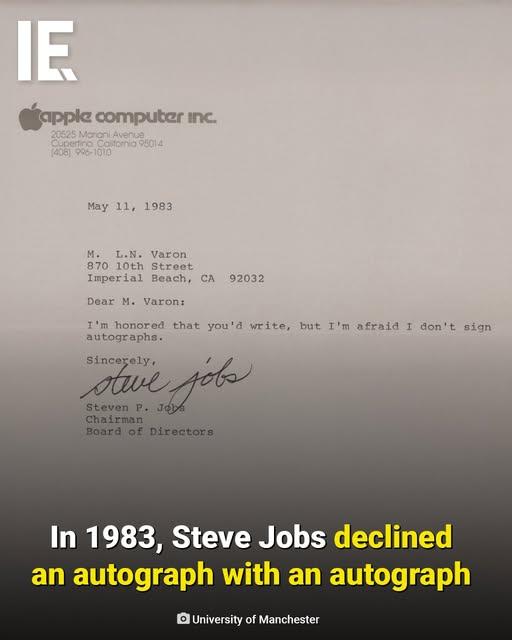
  • Mr Jobs n his jokes
    Mr Jobs n his jokes
    0 Comments 0 Shares 1K Views 0 Reviews
  • From a Dying Textile Mill to a Trillion-Dollar Empire: Warren Buffett’s “Golden Mistake” 💰
    In the 1960s, when Warren Buffett was still a young investor running his own partnership, he stumbled upon an old, tired name: Berkshire Hathaway.
    It was a textile company in New England. Business was terrible, mills were closing, workers were losing their jobs.
    But what caught Buffett’s attention wasn’t the spinning machines, it was the numbers. 📊
    Berkshire’s stock price had fallen so badly that the market value of the company was actually lower than the cash and assets it already owned.
    In Buffett’s “value investing” mind, a light switched on: 💡
    “If I can buy 1 dollar of assets for 50 cents… this is not trash, this is opportunity.”
    So he started quietly buying Berkshire shares. Little by little. Patiently. ⏳
    After a while, Berkshire’s management – led by Seabury Stanton – decided they wanted Buffett out of the game. They offered to buy back his shares.
    They gave him a price. Buffett agreed.
    But when the official letter arrived, he realized the price had been lowered compared to what was promised.
    Not a huge difference. But enough to cross his principles.
    In that moment, Warren Buffett felt disrespected. He didn’t shout. He didn’t make a scene.
    He simply made a decision that would change the rest of his life: 🔥
    “Fine. If you want to play that way… I’ll buy the whole company.”
    From a small shareholder, Buffett kept accumulating shares. Until one day, he gained control of Berkshire Hathaway.
    But once he “owned” that dream, reality hit him hard.
    The textile business was dying. The mills were old. Costs were high. Foreign competition was rising.
    Buffett tried to save Berkshire’s textile operations. He put in more capital, tried to improve efficiency.
    The more he tried, the clearer it became:
    Some games cannot be won just by trying harder.
    Years later, Buffett openly admitted: buying Berkshire in the first place was an emotional mistake. His ego was driving more than his logic.
    But here’s the difference: he didn’t cling to that mistake.
    Instead of throwing more money into a fading industry, Buffett began to think differently:
    “If Berkshire is a leaking boat, maybe I can use this ‘public company shell’ to build something much bigger.” 🚀
    Slowly, Berkshire Hathaway began to transform.
    In 1967, Buffett used Berkshire to buy National Indemnity – a small insurance company.
    To him, insurance wasn’t just about premiums and claims. It was a machine that created “float” – money paid in advance by customers that the company could hold for a long time and invest.
    Insurance became the financial heart of Berkshire. ❤️💵
    From that heart, new veins started to grow:
    A small but incredibly profitable candy business: See’s Candies. 🍫
    A huge auto insurer: GEICO. 🚗
    A major railroad: BNSF Railway. 🚂
    Familiar names across America: Dairy Queen, utilities, energy companies…
    At the same time, Berkshire was quietly building big positions in public companies: Coca-Cola, American Express, Apple, Bank of America, and many other legendary businesses. 📈
    Deal by deal, company by company, everything followed one simple philosophy:
    “We don’t buy stocks. We buy businesses.” 🧠
    No day-trading. No chasing hot news.
    Buffett used Berkshire as a vehicle for capital, driving it around the world to find businesses he understood, trusted, and was willing to hold for decades.
    The original textile operations gradually disappeared. The old mills shut down.
    But out of that legal shell called Berkshire Hathaway, a new investment empire emerged. 👑
    Decades later, the world looked back and realized:
    That almost-dead textile company had become a conglomerate worth hundreds of billions, then over a trillion dollars in market value. Berkshire’s Class A shares became the most expensive stock in America.
    And Warren Buffett, the young man who once got angry over a buyback price, became the “Oracle of Omaha.” 🧙‍♂️
    In his 90s, he could look back and say with a smile: buying Berkshire out of emotion was a mistake.
    But that very mistake gave him the stage to express his entire investment philosophy on the biggest scale possible.
    From a dying textile mill to a gigantic investment machine, the story of Buffett and Berkshire is a quiet reminder:
    Mistakes are not the end of the story.
    If you dare to face them, change direction, let go of what has expired and use what’s left to build the future…
    Then sometimes, the “worst” decisions of yesterday can become the most beautiful turning points of your life.
    From a Dying Textile Mill to a Trillion-Dollar Empire: Warren Buffett’s “Golden Mistake” 💰 In the 1960s, when Warren Buffett was still a young investor running his own partnership, he stumbled upon an old, tired name: Berkshire Hathaway. It was a textile company in New England. Business was terrible, mills were closing, workers were losing their jobs. But what caught Buffett’s attention wasn’t the spinning machines, it was the numbers. 📊 Berkshire’s stock price had fallen so badly that the market value of the company was actually lower than the cash and assets it already owned. In Buffett’s “value investing” mind, a light switched on: 💡 “If I can buy 1 dollar of assets for 50 cents… this is not trash, this is opportunity.” So he started quietly buying Berkshire shares. Little by little. Patiently. ⏳ After a while, Berkshire’s management – led by Seabury Stanton – decided they wanted Buffett out of the game. They offered to buy back his shares. They gave him a price. Buffett agreed. But when the official letter arrived, he realized the price had been lowered compared to what was promised. Not a huge difference. But enough to cross his principles. In that moment, Warren Buffett felt disrespected. He didn’t shout. He didn’t make a scene. He simply made a decision that would change the rest of his life: 🔥 “Fine. If you want to play that way… I’ll buy the whole company.” From a small shareholder, Buffett kept accumulating shares. Until one day, he gained control of Berkshire Hathaway. But once he “owned” that dream, reality hit him hard. The textile business was dying. The mills were old. Costs were high. Foreign competition was rising. Buffett tried to save Berkshire’s textile operations. He put in more capital, tried to improve efficiency. The more he tried, the clearer it became: Some games cannot be won just by trying harder. Years later, Buffett openly admitted: buying Berkshire in the first place was an emotional mistake. His ego was driving more than his logic. But here’s the difference: he didn’t cling to that mistake. Instead of throwing more money into a fading industry, Buffett began to think differently: “If Berkshire is a leaking boat, maybe I can use this ‘public company shell’ to build something much bigger.” 🚀 Slowly, Berkshire Hathaway began to transform. In 1967, Buffett used Berkshire to buy National Indemnity – a small insurance company. To him, insurance wasn’t just about premiums and claims. It was a machine that created “float” – money paid in advance by customers that the company could hold for a long time and invest. Insurance became the financial heart of Berkshire. ❤️💵 From that heart, new veins started to grow: A small but incredibly profitable candy business: See’s Candies. 🍫 A huge auto insurer: GEICO. 🚗 A major railroad: BNSF Railway. 🚂 Familiar names across America: Dairy Queen, utilities, energy companies… At the same time, Berkshire was quietly building big positions in public companies: Coca-Cola, American Express, Apple, Bank of America, and many other legendary businesses. 📈 Deal by deal, company by company, everything followed one simple philosophy: “We don’t buy stocks. We buy businesses.” 🧠 No day-trading. No chasing hot news. Buffett used Berkshire as a vehicle for capital, driving it around the world to find businesses he understood, trusted, and was willing to hold for decades. The original textile operations gradually disappeared. The old mills shut down. But out of that legal shell called Berkshire Hathaway, a new investment empire emerged. 👑 Decades later, the world looked back and realized: That almost-dead textile company had become a conglomerate worth hundreds of billions, then over a trillion dollars in market value. Berkshire’s Class A shares became the most expensive stock in America. And Warren Buffett, the young man who once got angry over a buyback price, became the “Oracle of Omaha.” 🧙‍♂️ In his 90s, he could look back and say with a smile: buying Berkshire out of emotion was a mistake. But that very mistake gave him the stage to express his entire investment philosophy on the biggest scale possible. From a dying textile mill to a gigantic investment machine, the story of Buffett and Berkshire is a quiet reminder: Mistakes are not the end of the story. If you dare to face them, change direction, let go of what has expired and use what’s left to build the future… Then sometimes, the “worst” decisions of yesterday can become the most beautiful turning points of your life.
    Love
    1
    0 Comments 0 Shares 3K Views 0 Reviews
More Results
MySA - South Africa https://mysa.social