• We are working closely with a new AI program that will transform the way we interact with AI models online.


    These are exciting times for us as Mysatech will be involved within this journey every step of the way
    We are working closely with a new AI program that will transform the way we interact with AI models online. These are exciting times for us as Mysatech will be involved within this journey every step of the way
    Love
    Like
    4
    0 Comments 0 Shares 3K Views 0 Reviews
  • You are the key to your own success.


    Being given this opportunity to work with the company I am with now, will change so many elements within the online industry.
    You are the key to your own success. Being given this opportunity to work with the company I am with now, will change so many elements within the online industry.
    Like
    Love
    2
    0 Comments 0 Shares 3K Views 0 Reviews
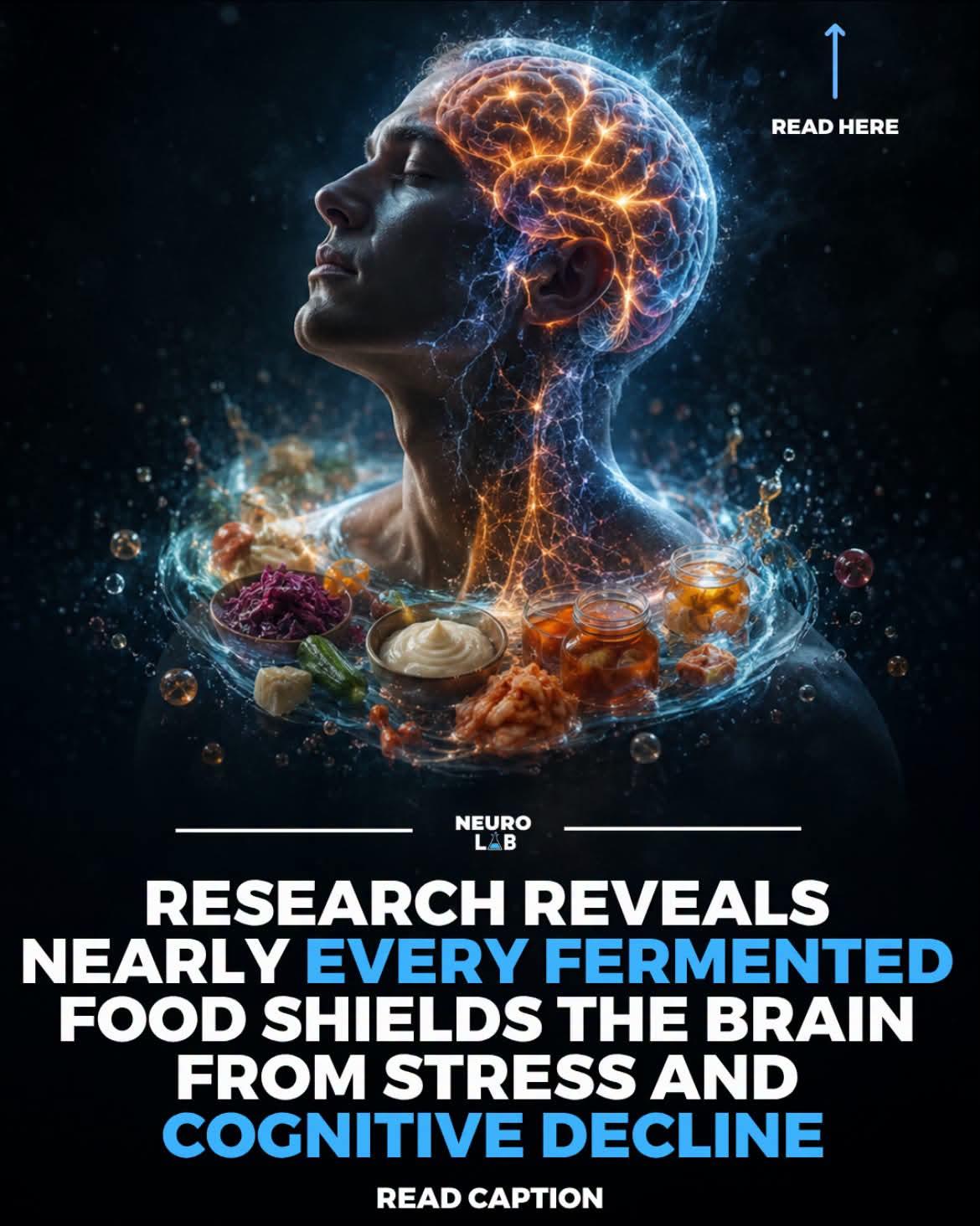
  • Research shows that nearly every fermented food studied, from dairy and soy to rice, garlic, ginseng, and even kimchi, offers measurable protection for the brain. Across 45 studies, fermented foods consistently reduced stress hormones, improved memory and learning, and shielded neurons from the processes that lead to cognitive decline. These benefits weren’t tied to any single culture or food category; they appeared repeatedly across all types, highlighting fermentation itself as the key factor.


    One of the most surprising discoveries is that fermentation can completely flip the impact a food has on the brain. In one study, high tofu intake was associated with poorer memory, while tempeh, the fermented version of soy, was linked to better memory in older adults. This striking contrast shows what fermentation actually does: it creates bioactive compounds such as GABA, antioxidant peptides, and anti-inflammatory molecules that directly support neuroplasticity and help protect against oxidative stress and amyloid buildup associated with Alzheimer’s.


    Fermentation turns everyday foods into powerful protectors of the brain. By lowering cortisol and preserving neurons from degeneration, these traditional foods function as natural shields for long-term cognitive health.


    What makes this especially interesting is the connection between fermented foods, the gut, and the brain. Fermentation can change the chemical and microbial profile of a food, producing metabolites and other compounds that may influence the gut-brain axis. Researchers are increasingly interested in how this two-way communication system between the digestive system and brain may affect stress responses, inflammation, mood, and cognitive function.


    And you don’t necessarily need to completely change your diet to start eating more fermented foods.


    Yogurt can be added to breakfast. Kefir can be used in smoothies. Kimchi or sauerkraut can be served alongside a meal. Tempeh can replace other protein sources in certain dishes. The point isn’t that one fermented food is a magic solution. It’s that regularly including a variety of fermented foods may be one simple way to add potentially beneficial compounds to an already balanced diet.


    There’s also an important distinction people often miss: not every fermented product contains live microorganisms by the time you eat it. Processing methods such as heating or pasteurization can reduce or eliminate live cultures. But that doesn’t necessarily make the food nutritionally worthless, because fermentation can also create compounds and alter nutrients before those processing steps occur.


    And none of this means fermented foods can prevent or treat Alzheimer’s disease on their own. Brain health is influenced by many factors, including overall diet, physical activity, sleep, cardiovascular health, genetics, and age. The research is compelling because fermented foods may represent another piece of that much larger puzzle.


    For something humans have been doing to food for thousands of years, fermentation is turning out to be remarkably interesting from a modern neuroscience perspective.


    Here’s the question: What fermented food do you eat most often?


    Yogurt? Kimchi? Kefir? Tempeh? Sauerkraut? Something else?


    Drop yours in the comments, I’m curious which one is most common.


    And save this post for the next time you’re thinking about what to eat for long-term brain health.


    Then send this to the person you know who eats yogurt, kimchi, kefir, or sauerkraut all the time. They might have another reason to keep eating it.


    One final question: If you could only keep ONE fermented food in your diet for the rest of your life, which one are you choosing?
    Research shows that nearly every fermented food studied, from dairy and soy to rice, garlic, ginseng, and even kimchi, offers measurable protection for the brain. Across 45 studies, fermented foods consistently reduced stress hormones, improved memory and learning, and shielded neurons from the processes that lead to cognitive decline. These benefits weren’t tied to any single culture or food category; they appeared repeatedly across all types, highlighting fermentation itself as the key factor. One of the most surprising discoveries is that fermentation can completely flip the impact a food has on the brain. In one study, high tofu intake was associated with poorer memory, while tempeh, the fermented version of soy, was linked to better memory in older adults. This striking contrast shows what fermentation actually does: it creates bioactive compounds such as GABA, antioxidant peptides, and anti-inflammatory molecules that directly support neuroplasticity and help protect against oxidative stress and amyloid buildup associated with Alzheimer’s. Fermentation turns everyday foods into powerful protectors of the brain. By lowering cortisol and preserving neurons from degeneration, these traditional foods function as natural shields for long-term cognitive health. What makes this especially interesting is the connection between fermented foods, the gut, and the brain. Fermentation can change the chemical and microbial profile of a food, producing metabolites and other compounds that may influence the gut-brain axis. Researchers are increasingly interested in how this two-way communication system between the digestive system and brain may affect stress responses, inflammation, mood, and cognitive function. And you don’t necessarily need to completely change your diet to start eating more fermented foods. Yogurt can be added to breakfast. Kefir can be used in smoothies. Kimchi or sauerkraut can be served alongside a meal. Tempeh can replace other protein sources in certain dishes. The point isn’t that one fermented food is a magic solution. It’s that regularly including a variety of fermented foods may be one simple way to add potentially beneficial compounds to an already balanced diet. There’s also an important distinction people often miss: not every fermented product contains live microorganisms by the time you eat it. Processing methods such as heating or pasteurization can reduce or eliminate live cultures. But that doesn’t necessarily make the food nutritionally worthless, because fermentation can also create compounds and alter nutrients before those processing steps occur. And none of this means fermented foods can prevent or treat Alzheimer’s disease on their own. Brain health is influenced by many factors, including overall diet, physical activity, sleep, cardiovascular health, genetics, and age. The research is compelling because fermented foods may represent another piece of that much larger puzzle. For something humans have been doing to food for thousands of years, fermentation is turning out to be remarkably interesting from a modern neuroscience perspective. Here’s the question: What fermented food do you eat most often? Yogurt? Kimchi? Kefir? Tempeh? Sauerkraut? Something else? Drop yours in the comments, I’m curious which one is most common. And save this post for the next time you’re thinking about what to eat for long-term brain health. Then send this to the person you know who eats yogurt, kimchi, kefir, or sauerkraut all the time. They might have another reason to keep eating it. One final question: If you could only keep ONE fermented food in your diet for the rest of your life, which one are you choosing?
    Love
    Like
    6
    0 Comments 0 Shares 10K Views 0 Reviews
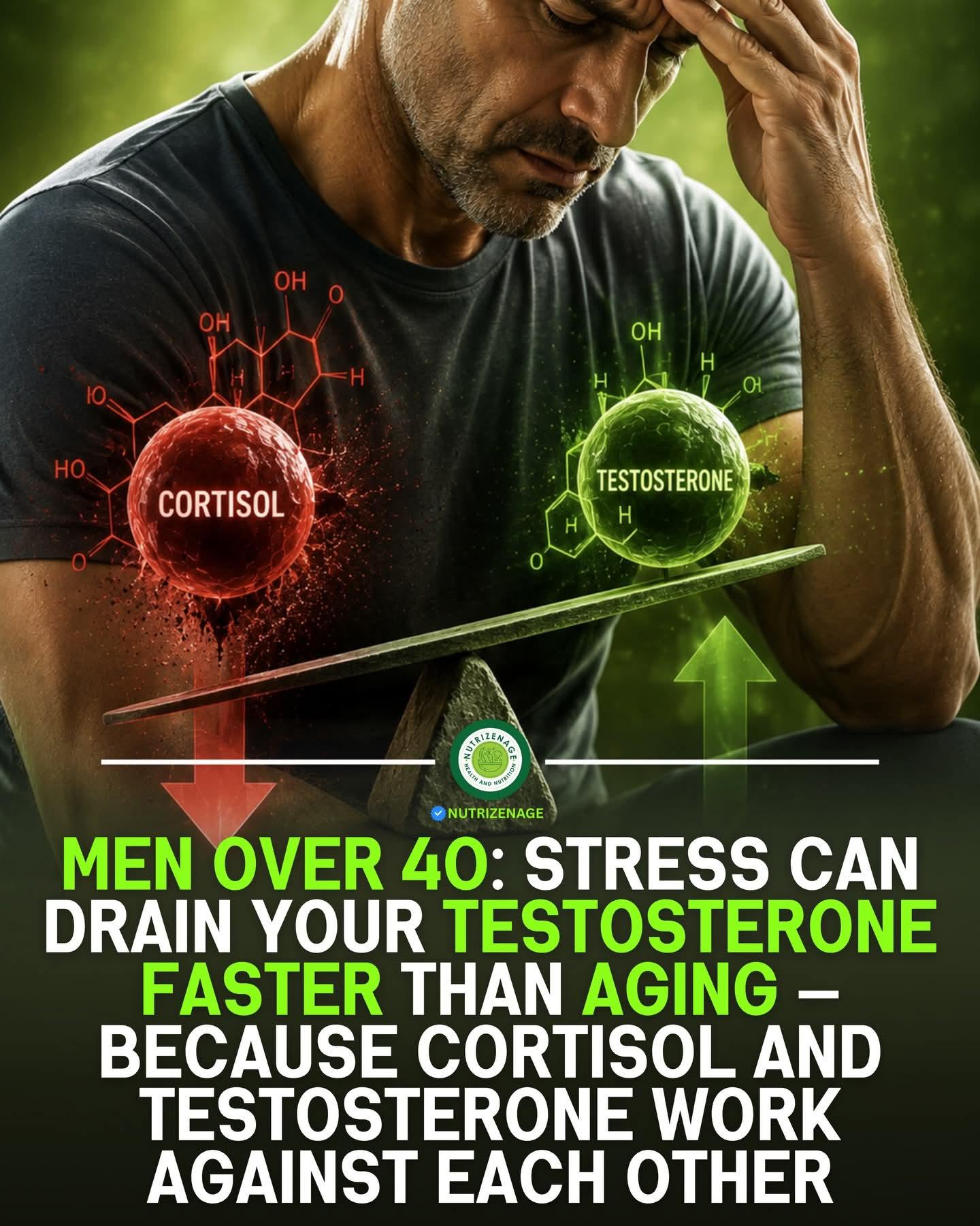
  • The slow, gradual decline in testosterone with age is normal. Chronic stress is what accelerates it into a real problem — and the mechanism is direct.


    Here’s what happens: cortisol (your stress hormone) and testosterone work in opposition. When your body is under sustained stress, it prioritizes cortisol production — and the raw materials and signaling get diverted away from testosterone.


    Chronic high cortisol also:
    🔻 Disrupts sleep — and most testosterone is made during deep sleep, so the two compound each other
    🔻 Drives visceral (belly) fat — which produces aromatase, converting testosterone into estrogen
    🔻 Reduces libido, motivation, and mood


    So stress hits your hormones from several directions at once, creating a downward spiral.


    Signs stress is costing you hormonally:
    ⚠️ Low libido and drive
    ⚠️ Belly fat that won’t shift
    ⚠️ “Wired but tired,” with poor sleep
    ⚠️ Irritability and a flat mood


    What genuinely helps break the cycle:
    ✅ Manage stress directly — slow breathing (long exhales), time outdoors, saying no to chronic overload
    ✅ Protect sleep — the foundation of testosterone production
    ✅ Strength training — builds muscle and supports testosterone
    ✅ Cut alcohol, which worsens both cortisol and sleep


    Age takes about 1% a year. Unmanaged chronic stress can take far more — and unlike aging, it’s something you can actually address.


    #MensHealth #TestosteroneSupport
    The slow, gradual decline in testosterone with age is normal. Chronic stress is what accelerates it into a real problem — and the mechanism is direct. Here’s what happens: cortisol (your stress hormone) and testosterone work in opposition. When your body is under sustained stress, it prioritizes cortisol production — and the raw materials and signaling get diverted away from testosterone. Chronic high cortisol also: 🔻 Disrupts sleep — and most testosterone is made during deep sleep, so the two compound each other 🔻 Drives visceral (belly) fat — which produces aromatase, converting testosterone into estrogen 🔻 Reduces libido, motivation, and mood So stress hits your hormones from several directions at once, creating a downward spiral. Signs stress is costing you hormonally: ⚠️ Low libido and drive ⚠️ Belly fat that won’t shift ⚠️ “Wired but tired,” with poor sleep ⚠️ Irritability and a flat mood What genuinely helps break the cycle: ✅ Manage stress directly — slow breathing (long exhales), time outdoors, saying no to chronic overload ✅ Protect sleep — the foundation of testosterone production ✅ Strength training — builds muscle and supports testosterone ✅ Cut alcohol, which worsens both cortisol and sleep Age takes about 1% a year. Unmanaged chronic stress can take far more — and unlike aging, it’s something you can actually address. #MensHealth #TestosteroneSupport
    0 Comments 0 Shares 5K Views 0 Reviews
  • There’s a real phenomenon called anabolic resistance: as you age, your muscles respond less efficiently to protein. The same meal that built muscle at 25 does less at 55.


    The fix isn’t to give up — it’s to eat *more* protein and distribute it better.


    What actually works:
    🥩 Aim for roughly 0.7-1g of protein per pound of bodyweight (higher end if active or older)
    🥩 Spread it across meals — 30-40g per meal beats loading it all at dinner, because there’s a per-meal ceiling on how much your body uses for muscle
    🥩 Include a strong protein source at breakfast, where most men fall short
    🥩 Pair it with resistance training — protein without the stimulus does far less


    Best sources: eggs, meat, fish, dairy, Greek yogurt, cottage cheese, and legumes.


    Why it matters so much after 40:
    💪 Muscle loss accelerates with age, and lost muscle drives weakness, poor blood sugar, and loss of independence
    💪 More muscle means a bigger reserve to draw on during illness
    💪 It’s your largest glucose disposal system — protecting against diabetes


    Under-eating protein after 40 quietly accelerates decline. More protein, spread out, with strength training — that’s the formula for aging strong.
    There’s a real phenomenon called anabolic resistance: as you age, your muscles respond less efficiently to protein. The same meal that built muscle at 25 does less at 55. The fix isn’t to give up — it’s to eat *more* protein and distribute it better. What actually works: 🥩 Aim for roughly 0.7-1g of protein per pound of bodyweight (higher end if active or older) 🥩 Spread it across meals — 30-40g per meal beats loading it all at dinner, because there’s a per-meal ceiling on how much your body uses for muscle 🥩 Include a strong protein source at breakfast, where most men fall short 🥩 Pair it with resistance training — protein without the stimulus does far less Best sources: eggs, meat, fish, dairy, Greek yogurt, cottage cheese, and legumes. Why it matters so much after 40: 💪 Muscle loss accelerates with age, and lost muscle drives weakness, poor blood sugar, and loss of independence 💪 More muscle means a bigger reserve to draw on during illness 💪 It’s your largest glucose disposal system — protecting against diabetes Under-eating protein after 40 quietly accelerates decline. More protein, spread out, with strength training — that’s the formula for aging strong.
    Like
    1
    0 Comments 0 Shares 4K Views 0 Reviews
  • Every step you take in the Unchain Challenge is a step toward freedom for a child trapped in exploitation. You're not just chasing a finish line—you're helping create hope, protection, and a future where children can live free.


    Nowhere is out of reach.Join the movement. Run with purpose. Unchain lives.


    #UnchainChallenge #NowhereIsOutOfReach #UnchainOurChildren #RunForFreedom #EndHumanTrafficking
    Every step you take in the Unchain Challenge is a step toward freedom for a child trapped in exploitation. You're not just chasing a finish line—you're helping create hope, protection, and a future where children can live free. Nowhere is out of reach.Join the movement. Run with purpose. Unchain lives. #UnchainChallenge #NowhereIsOutOfReach #UnchainOurChildren #RunForFreedom #EndHumanTrafficking
    Like
    Love
    5
    0 Comments 0 Shares 4K Views 0 0 Reviews
  • 🧠 A new frontier for cognitive longevity


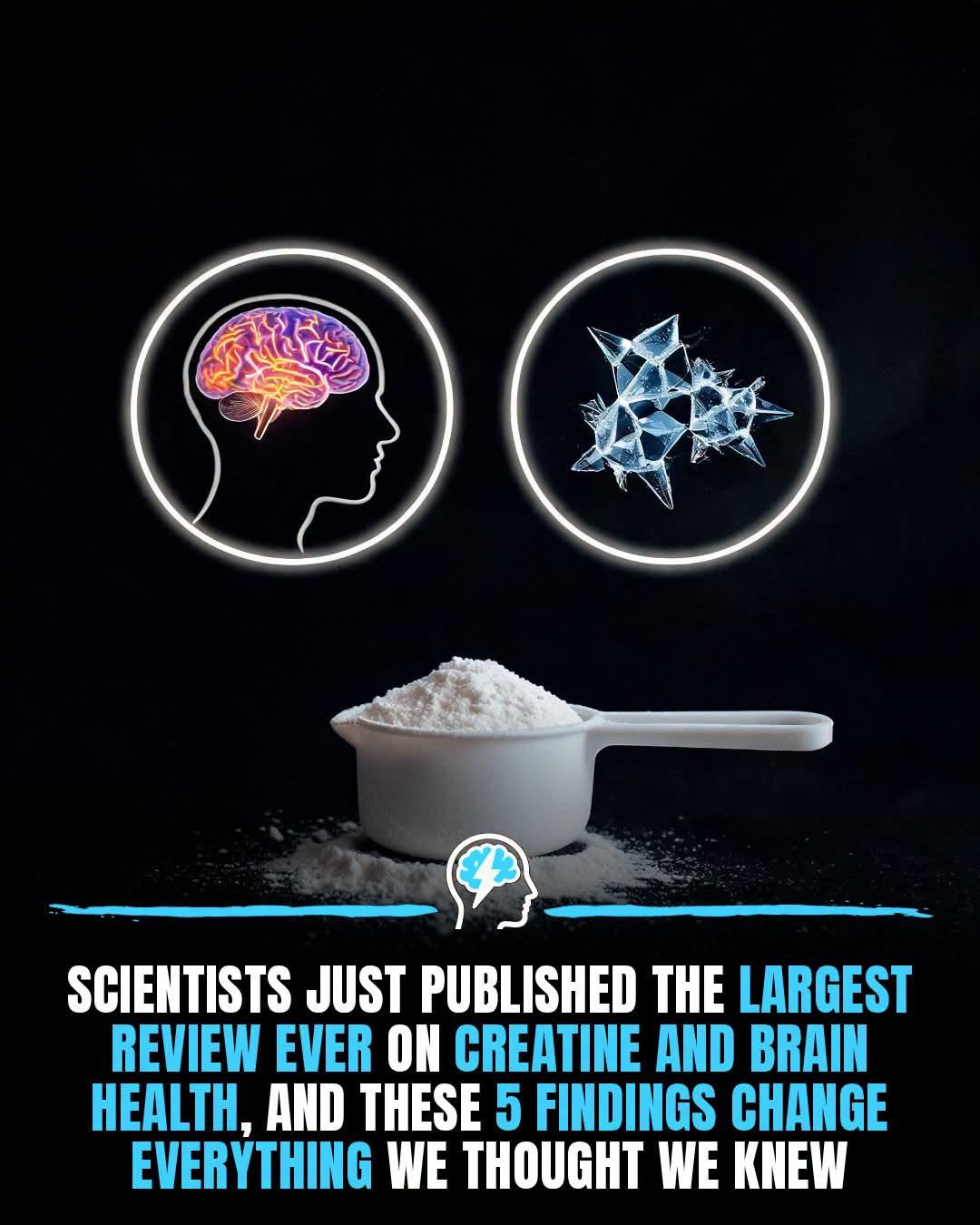
    Creatine isn't just for athletes trying to build muscle anymore. A large new systematic review looks at years of clinical data and finds that the supplement has a real effect on the human brain. It acts as an energy buffer for neurons, much like it does for muscle cells. By replenishing adenosine triphosphate in the brain, creatine helps people hold onto mental performance during hard tasks and periods of high metabolic stress. That's pushing the supplement into a new category: a tool for brain health, not just a fitness aid.


    ⚖️ Higher doses for brain saturation


    One of the most surprising findings in the review is that the brain needs far more creatine than the rest of the body before it shows any benefit. Five grams a day is the standard dose for muscle growth, but the blood-brain barrier resists creatine uptake. Researchers found that a daily intake closer to ten or even twenty grams might be needed to fully saturate brain tissue. It also takes much longer for these levels to build up in the skull than in the bicep. People need to stay consistent for weeks or months before they notice any cognitive shift.


    🔋 Fueling the brain under stress


    The review finds that creatine works best when the brain is pushed to its limits. Healthy, well-rested people might only see small gains day to day, but the benefits get bigger under specific conditions:
    * During acute sleep deprivation, where it helps preserve executive function and reaction time.
    * In low-oxygen environments, such as high-altitude travel or certain medical conditions.
    * During complex tasks that demand long stretches of mental stamina.


    🛡️ Protecting against physical trauma


    Beyond day-to-day performance, the data points to long-term effects that could change how people think about brain injury. The review notes that creatine shows promise in supporting recovery from mild traumatic brain injuries, like concussions, by cutting down secondary damage to brain cells and supporting mitochondrial function. Daily supplementation could work as a kind of insurance for the brain, helping it hold up against the physical toll of contact sports or accidental injuries. 🔬


    🥗 Essential benefits for specific populations


    The last finding is that creatine matters most for people who start out with low natural levels, especially vegetarians and older adults. Dietary creatine comes almost entirely from animal products, so people on plant-based diets tend to see the biggest cognitive gains once they start supplementing. For older adults, creatine may help slow age-related cognitive decline by keeping brain energy levels up. That makes it a useful option for anyone trying to hold onto mental clarity and processing speed later in life. 💪🏾


    Sources:
    Nutrients Journal: Creatine Supplementation and Brain Health
    Clinical Nutrition: Systematic Review and Meta-Analysis of Creatine for Cognitive Function
    Journal of the International Society of Sports Nutrition


    #powermindset #creatine #brainhealth #nootropics #wellness
    🧠 A new frontier for cognitive longevity Creatine isn't just for athletes trying to build muscle anymore. A large new systematic review looks at years of clinical data and finds that the supplement has a real effect on the human brain. It acts as an energy buffer for neurons, much like it does for muscle cells. By replenishing adenosine triphosphate in the brain, creatine helps people hold onto mental performance during hard tasks and periods of high metabolic stress. That's pushing the supplement into a new category: a tool for brain health, not just a fitness aid. ⚖️ Higher doses for brain saturation One of the most surprising findings in the review is that the brain needs far more creatine than the rest of the body before it shows any benefit. Five grams a day is the standard dose for muscle growth, but the blood-brain barrier resists creatine uptake. Researchers found that a daily intake closer to ten or even twenty grams might be needed to fully saturate brain tissue. It also takes much longer for these levels to build up in the skull than in the bicep. People need to stay consistent for weeks or months before they notice any cognitive shift. 🔋 Fueling the brain under stress The review finds that creatine works best when the brain is pushed to its limits. Healthy, well-rested people might only see small gains day to day, but the benefits get bigger under specific conditions: * During acute sleep deprivation, where it helps preserve executive function and reaction time. * In low-oxygen environments, such as high-altitude travel or certain medical conditions. * During complex tasks that demand long stretches of mental stamina. 🛡️ Protecting against physical trauma Beyond day-to-day performance, the data points to long-term effects that could change how people think about brain injury. The review notes that creatine shows promise in supporting recovery from mild traumatic brain injuries, like concussions, by cutting down secondary damage to brain cells and supporting mitochondrial function. Daily supplementation could work as a kind of insurance for the brain, helping it hold up against the physical toll of contact sports or accidental injuries. 🔬 🥗 Essential benefits for specific populations The last finding is that creatine matters most for people who start out with low natural levels, especially vegetarians and older adults. Dietary creatine comes almost entirely from animal products, so people on plant-based diets tend to see the biggest cognitive gains once they start supplementing. For older adults, creatine may help slow age-related cognitive decline by keeping brain energy levels up. That makes it a useful option for anyone trying to hold onto mental clarity and processing speed later in life. 💪🏾 Sources: Nutrients Journal: Creatine Supplementation and Brain Health Clinical Nutrition: Systematic Review and Meta-Analysis of Creatine for Cognitive Function Journal of the International Society of Sports Nutrition #powermindset #creatine #brainhealth #nootropics #wellness
    Like
    Love
    10
    0 Comments 0 Shares 6K Views 0 Reviews
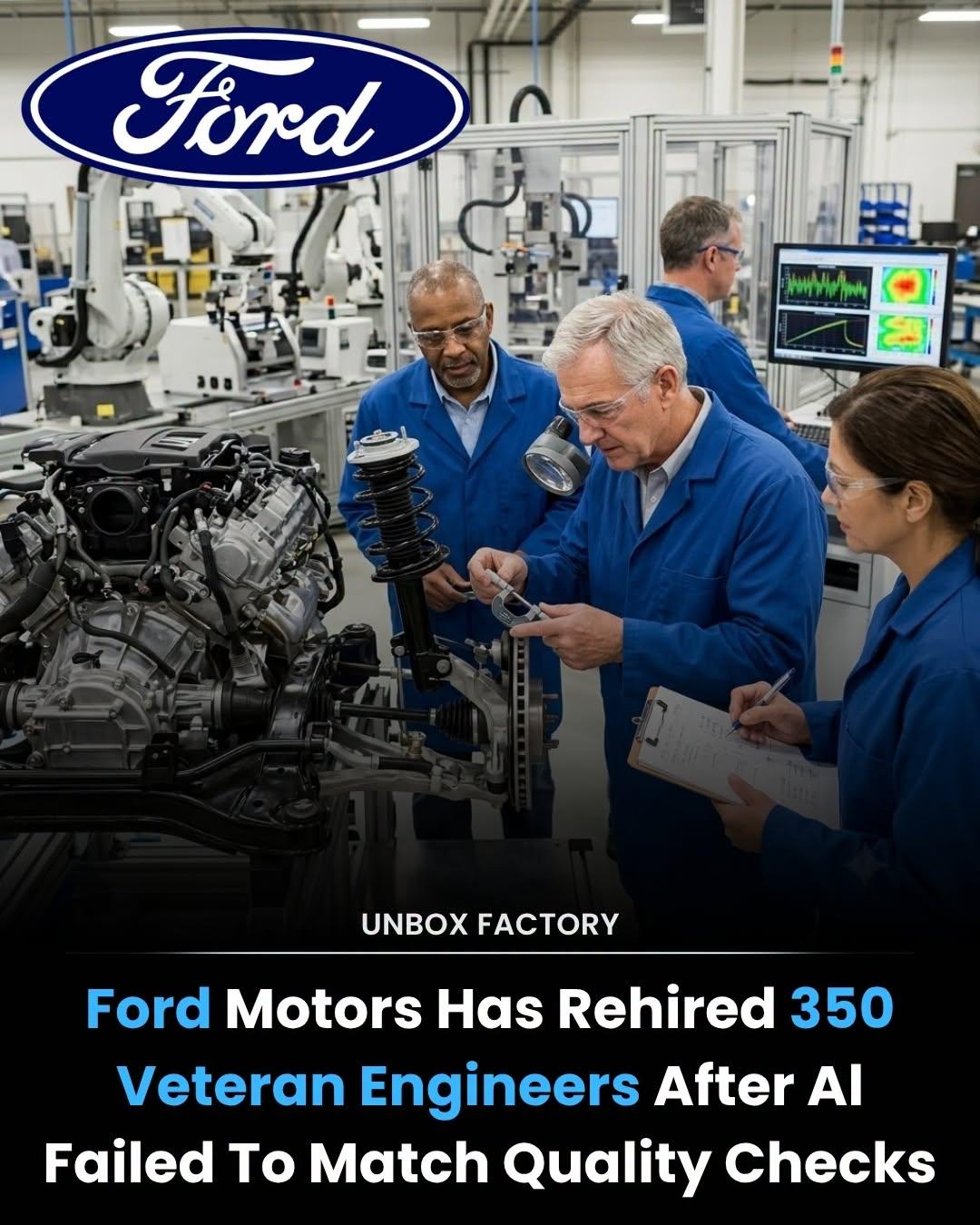
  • Ford has reportedly brought back more than 350 experienced engineers after AI-assisted quality control systems struggled to consistently detect manufacturing defects and production inconsistencies on assembly lines.


    While artificial intelligence remains valuable for automating repetitive inspections and analyzing massive amounts of production data, Ford concluded that experienced human engineers still outperform AI in identifying subtle fit, finish, and reliability issues that directly affect vehicle quality. The move highlights the continuing importance of combining AI with human expertise rather than replacing skilled workers entirely.


    Source: Industry Reports, 2026


    #Ford #ArtificialIntelligence #Manufacturing #Engineering
    Ford has reportedly brought back more than 350 experienced engineers after AI-assisted quality control systems struggled to consistently detect manufacturing defects and production inconsistencies on assembly lines. While artificial intelligence remains valuable for automating repetitive inspections and analyzing massive amounts of production data, Ford concluded that experienced human engineers still outperform AI in identifying subtle fit, finish, and reliability issues that directly affect vehicle quality. The move highlights the continuing importance of combining AI with human expertise rather than replacing skilled workers entirely. Source: Industry Reports, 2026 #Ford #ArtificialIntelligence #Manufacturing #Engineering
    Love
    1
    0 Comments 0 Shares 2K Views 0 Reviews
  • There are many people who believe they are good at what they do, but the truth is that real ability is rarely built overnight. Behind every meaningful skill are years of hard work, mistakes, sacrifice, discipline and countless hours spent improving when nobody was watching.


    This is not about ego, competition or believing that one person is better than another. Every individual has different talents, strengths and opportunities. Technology and AI can be powerful tools, but using a tool is not the same as mastering a craft. We should never underestimate those who have spent years studying, practising and perfecting their work.


    At the same time, nobody is entitled to success. The world does not owe us recognition, opportunity or achievement simply because we want it. We can support, guide and encourage people, but ultimately, we can only truly help those who are willing to help themselves.


    There are only so many hours in a day. Time does not pause while we wait for the perfect moment, and once it has passed, we cannot recover it. Every hour gives us a choice: waste it, or use it to build, create, learn, improve and prepare for a better tomorrow.


    In the end, the question is not whether people believed we were talented. The question is whether we used what we had to make a difference.


    What did we build?
    Who did we help?
    What did we improve?
    What legacy will remain when our time has passed?


    Success is not about being better than everyone else. It is about becoming better than you were yesterday and using your journey to leave something meaningful behind.


    #HardWork #Growth #Purpose #Legacy #Discipline #KeepBuilding
    There are many people who believe they are good at what they do, but the truth is that real ability is rarely built overnight. Behind every meaningful skill are years of hard work, mistakes, sacrifice, discipline and countless hours spent improving when nobody was watching. This is not about ego, competition or believing that one person is better than another. Every individual has different talents, strengths and opportunities. Technology and AI can be powerful tools, but using a tool is not the same as mastering a craft. We should never underestimate those who have spent years studying, practising and perfecting their work. At the same time, nobody is entitled to success. The world does not owe us recognition, opportunity or achievement simply because we want it. We can support, guide and encourage people, but ultimately, we can only truly help those who are willing to help themselves. There are only so many hours in a day. Time does not pause while we wait for the perfect moment, and once it has passed, we cannot recover it. Every hour gives us a choice: waste it, or use it to build, create, learn, improve and prepare for a better tomorrow. In the end, the question is not whether people believed we were talented. The question is whether we used what we had to make a difference. What did we build? Who did we help? What did we improve? What legacy will remain when our time has passed? Success is not about being better than everyone else. It is about becoming better than you were yesterday and using your journey to leave something meaningful behind. #HardWork #Growth #Purpose #Legacy #Discipline #KeepBuilding
    Love
    Like
    8
    0 Comments 0 Shares 7K Views 0 Reviews
  • TRANSFORMATION IS NOT A RACE. IT IS A STRATEGIC JOURNEY.


    The greatest distance is not always covered by moving the fastest. It is often achieved by taking small, deliberate steps—consistently, strategically and with a clear purpose.


    While some companies rush from Point A to Point B without paying attention to what happens between them, we choose a different path.


    At Tome Technologies, we strive to build better.


    We do not rush simply to appear ahead. We focus on getting the important things right. We study every stage, test every component, solve the hidden problems and strengthen the foundation before moving forward.


    Because what happens between Point A and Point B determines whether you are truly prepared for Point C—and every stage that follows.


    That is how a business evolves.


    That is how systems are upgraded.


    That is how you enter a market prepared to compete, adapt and outperform.


    We do not need to become the next Scorpion Computer Services, nor do we need to prove that we are the next Meta development team. We are not interested in borrowing someone else’s identity or building our reputation through exaggerated claims.


    Our work speaks for itself.


    Today, too many people call themselves developers simply because they can use an artificial intelligence tool to generate code. However, generating code and understanding software engineering are two very different things.


    A genuine developer must be able to understand the architecture, assemble the components, identify faults, resolve failures, improve performance, expand functionality and maintain the system long after the first line of code has been written.


    When the AI tool is no longer there to provide the next answer, the developer must still understand the system.


    Coding is not a game.


    Software engineering is a professional industry that demands knowledge, discipline, experience, problem-solving ability and accountability. It requires more than hype, attractive terminology or copied code.


    We have no need to declare that we are the best. The platforms, systems and environments we build will allow people to form their own conclusions.


    Over the next 21 days, we have set an internal target to finalise and showcase several of the most advanced industry-specific digital environments we have developed.


    We are not doing this to prove a point.


    We are simply beginning to reveal more of what we have been doing behind the scenes—work that most people have never had the opportunity to see.


    There will always be projects we cannot publicly disclose. Some of the largest platforms and systems people interact with may contain technology, architecture or code developed quietly in the background.


    You do not always need to know where every line of code originated to experience the value it delivers.


    There are, however, major systems carrying the unmistakable Tome Technologies development signature that we are now ready to share.


    We are preparing to make waves within several industries.


    We are preparing to show certain industry giants that the vision discussed behind closed boardroom doors was never simply an idea. It was a strategic plan—and that plan is now becoming a reality.


    The most exciting part is that the journey has only just begun.


    Watch closely.


    Enjoy the transformation.


    Pay attention to every improvement, every upgrade and every strategic step, because each change tells part of a much greater story.


    Something that has been standing in plain sight is about to evolve into an advanced, next-generation industry giant.


    Follow Tome Technologies, stay informed and become part of the journey.


    The individual changes may appear small—but when they are brought together, they will paint the complete picture.


    Get ready. The next chapter starts now.


    #TomeTechnologies #SoftwareEngineering #DigitalTransformation #TechnologyInnovation #BusinessEvolution #StrategicGrowth #CustomSoftware #PlatformDevelopment #FutureOfTechnology #BuiltNotCopied #InnovationInAction #TheJourneyBegins
    TRANSFORMATION IS NOT A RACE. IT IS A STRATEGIC JOURNEY. The greatest distance is not always covered by moving the fastest. It is often achieved by taking small, deliberate steps—consistently, strategically and with a clear purpose. While some companies rush from Point A to Point B without paying attention to what happens between them, we choose a different path. At Tome Technologies, we strive to build better. We do not rush simply to appear ahead. We focus on getting the important things right. We study every stage, test every component, solve the hidden problems and strengthen the foundation before moving forward. Because what happens between Point A and Point B determines whether you are truly prepared for Point C—and every stage that follows. That is how a business evolves. That is how systems are upgraded. That is how you enter a market prepared to compete, adapt and outperform. We do not need to become the next Scorpion Computer Services, nor do we need to prove that we are the next Meta development team. We are not interested in borrowing someone else’s identity or building our reputation through exaggerated claims. Our work speaks for itself. Today, too many people call themselves developers simply because they can use an artificial intelligence tool to generate code. However, generating code and understanding software engineering are two very different things. A genuine developer must be able to understand the architecture, assemble the components, identify faults, resolve failures, improve performance, expand functionality and maintain the system long after the first line of code has been written. When the AI tool is no longer there to provide the next answer, the developer must still understand the system. Coding is not a game. Software engineering is a professional industry that demands knowledge, discipline, experience, problem-solving ability and accountability. It requires more than hype, attractive terminology or copied code. We have no need to declare that we are the best. The platforms, systems and environments we build will allow people to form their own conclusions. Over the next 21 days, we have set an internal target to finalise and showcase several of the most advanced industry-specific digital environments we have developed. We are not doing this to prove a point. We are simply beginning to reveal more of what we have been doing behind the scenes—work that most people have never had the opportunity to see. There will always be projects we cannot publicly disclose. Some of the largest platforms and systems people interact with may contain technology, architecture or code developed quietly in the background. You do not always need to know where every line of code originated to experience the value it delivers. There are, however, major systems carrying the unmistakable Tome Technologies development signature that we are now ready to share. We are preparing to make waves within several industries. We are preparing to show certain industry giants that the vision discussed behind closed boardroom doors was never simply an idea. It was a strategic plan—and that plan is now becoming a reality. The most exciting part is that the journey has only just begun. Watch closely. Enjoy the transformation. Pay attention to every improvement, every upgrade and every strategic step, because each change tells part of a much greater story. Something that has been standing in plain sight is about to evolve into an advanced, next-generation industry giant. Follow Tome Technologies, stay informed and become part of the journey. The individual changes may appear small—but when they are brought together, they will paint the complete picture. Get ready. The next chapter starts now. #TomeTechnologies #SoftwareEngineering #DigitalTransformation #TechnologyInnovation #BusinessEvolution #StrategicGrowth #CustomSoftware #PlatformDevelopment #FutureOfTechnology #BuiltNotCopied #InnovationInAction #TheJourneyBegins
    Like
    Love
    2
    0 Comments 0 Shares 10K Views 0 Reviews
More Results
MySA - South Africa https://mysa.social