• Your next build deserves a team that takes the work seriously, pays attention to the details and cares about the finished result.


    Phaphama Crew Construction can help with new house builds, building projects, renovations, bathroom upgrades, paving and tar surfacing. Whether you’re planning a new home, improving the space you already have or upgrading your driveway, get in touch to discuss your project.


    Based in Durban and serving clients nationwide, the team is ready to hear what you have in mind.


    For your next professional build, contact Phaphama Crew Construction on 065 735 9722.


    #PhaphamaCrewConstruction #Construction #Building #NewBuild #HomeRenovations #BathroomRenovations #Paving #TarSurfacing #DurbanConstruction #SouthAfrica
    Your next build deserves a team that takes the work seriously, pays attention to the details and cares about the finished result. Phaphama Crew Construction can help with new house builds, building projects, renovations, bathroom upgrades, paving and tar surfacing. Whether you’re planning a new home, improving the space you already have or upgrading your driveway, get in touch to discuss your project. Based in Durban and serving clients nationwide, the team is ready to hear what you have in mind. For your next professional build, contact Phaphama Crew Construction on 065 735 9722. #PhaphamaCrewConstruction #Construction #Building #NewBuild #HomeRenovations #BathroomRenovations #Paving #TarSurfacing #DurbanConstruction #SouthAfrica
    Love
    3
    0 Comments 0 Shares 6K Views 0 Reviews
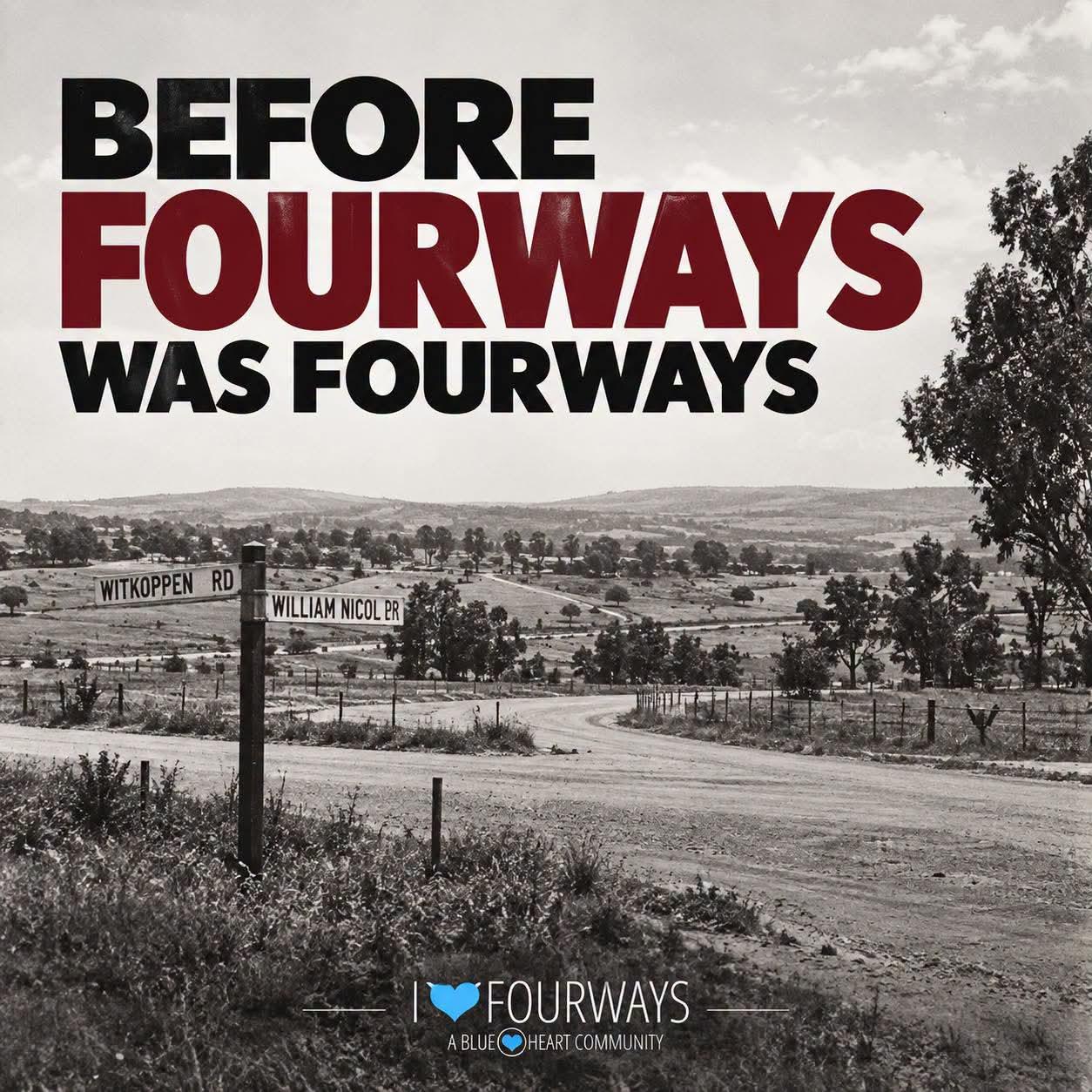
  • FROM WATERMELON FARMS TO FOURWAYS


    It’s hard to imagine when you’re sitting in Fourways traffic today, but less than a century ago, much of the area around us was open countryside.


    And the story of how Fourways became Fourways is a fascinating one.


    In 1935, Ernst and Ethel Eriksen travelled north from Johannesburg looking for land on which to build a home. They found part of the old Witkoppen farm, where the Van der Walt brothers were farming watermelons and Friesian cattle.


    Ethel reportedly fell in love with the views towards the Magaliesberg and the sunsets. Ernst initially bought 423 acres, with the property later growing to around 605 acres.


    They called their home Norscot, a name combining Norway and Scotland, reflecting the family’s Norwegian and Scottish connections.


    Construction began in 1936, and Norscot eventually became an extraordinary country residence with eight reception rooms, six bedrooms and five bathrooms.


    At the time, this really was the countryside.


    Even into the 1950s, the area was considered well outside Johannesburg, and accounts of Fourways in the 1970s still describe working farms, open fields and dairy cattle being walked down to the Jukskei River.


    SO WHERE DID “FOURWAYS” COME FROM?


    The name developed around the four-way stop at Witkoppen Road and what was then William Nicol Drive, now Winnie Mandela Drive.


    That simple rural intersection would eventually become the centre of one of Johannesburg’s busiest commercial and residential areas.


    The transformation happened remarkably quickly.


    Fourways Mall arrived in 1994.


    Montecasino opened in 2000, bringing a massive new entertainment development to the same Witkoppen intersection.


    Farms and open land steadily gave way to homes, shopping centres, schools, restaurants, offices and the Fourways we recognise today.


    And remarkably, one piece of that earlier Fourways is still here.


    Norscot Manor survives today as part of the Norscot Manor Recreation Centre, giving us a physical link to a time when this corner of Johannesburg looked very different.


    So next time you’re crawling along Witkoppen, spare a thought for the watermelons, Friesian cattle and country estates that came before us.


    Fourways has changed a lot in less than 100 years.


    What part of its history should we dig into next?


    #Fourways #FourwaysHistory #JohannesburgHistory

    FROM WATERMELON FARMS TO FOURWAYS It’s hard to imagine when you’re sitting in Fourways traffic today, but less than a century ago, much of the area around us was open countryside. And the story of how Fourways became Fourways is a fascinating one. In 1935, Ernst and Ethel Eriksen travelled north from Johannesburg looking for land on which to build a home. They found part of the old Witkoppen farm, where the Van der Walt brothers were farming watermelons and Friesian cattle. Ethel reportedly fell in love with the views towards the Magaliesberg and the sunsets. Ernst initially bought 423 acres, with the property later growing to around 605 acres. They called their home Norscot, a name combining Norway and Scotland, reflecting the family’s Norwegian and Scottish connections. Construction began in 1936, and Norscot eventually became an extraordinary country residence with eight reception rooms, six bedrooms and five bathrooms. At the time, this really was the countryside. Even into the 1950s, the area was considered well outside Johannesburg, and accounts of Fourways in the 1970s still describe working farms, open fields and dairy cattle being walked down to the Jukskei River. SO WHERE DID “FOURWAYS” COME FROM? The name developed around the four-way stop at Witkoppen Road and what was then William Nicol Drive, now Winnie Mandela Drive. That simple rural intersection would eventually become the centre of one of Johannesburg’s busiest commercial and residential areas. The transformation happened remarkably quickly. Fourways Mall arrived in 1994. Montecasino opened in 2000, bringing a massive new entertainment development to the same Witkoppen intersection. Farms and open land steadily gave way to homes, shopping centres, schools, restaurants, offices and the Fourways we recognise today. And remarkably, one piece of that earlier Fourways is still here. Norscot Manor survives today as part of the Norscot Manor Recreation Centre, giving us a physical link to a time when this corner of Johannesburg looked very different. So next time you’re crawling along Witkoppen, spare a thought for the watermelons, Friesian cattle and country estates that came before us. Fourways has changed a lot in less than 100 years. What part of its history should we dig into next? #Fourways #FourwaysHistory #JohannesburgHistory

    Like
    Love
    Wow
    3
    0 Comments 0 Shares 2K Views 0 Reviews
  • On a big construction job for the next 6 months
    On a big construction job for the next 6 months
    Love
    Like
    5
    0 Comments 0 Shares 4K Views 0 Reviews


  • 🛰️ What Is a Space Station?

    A space station is a large, habitable structure in orbit that allows astronauts to live and work in zero gravity for extended periods. Unlike cramped space capsules or the space shuttle, space stations provide enough space and life support for long-term missions.

    Supplies such as air, food, and new crew members are delivered by rockets or space shuttles. Most space stations are made of multiple modules, launched separately and assembled in orbit.

    Some stations, like the Russian Mir, stayed in space for many years, with crews living and working aboard for months at a time. Space stations essentially serve as laboratories and homes in space, enabling extended scientific research and exploration.

    🔹 Key Features

    Purpose: Space stations act as laboratories for studying biology, medicine, physics, materials science, and for observing Earth and space.

    Habitation: They provide pressurized living areas with air, water, and power systems to sustain crews for extended missions.

    Construction: Most stations, like the International Space Station (ISS), are modular — built by connecting pieces delivered by rockets and shuttles.

    Orbit & Speed: To remain in orbit, space stations travel at extremely high speeds. The ISS, for example, orbits Earth every 90 minutes.

    Energy: Large solar panels provide electricity by converting sunlight into power.
    🛰️ What Is a Space Station? A space station is a large, habitable structure in orbit that allows astronauts to live and work in zero gravity for extended periods. Unlike cramped space capsules or the space shuttle, space stations provide enough space and life support for long-term missions. Supplies such as air, food, and new crew members are delivered by rockets or space shuttles. Most space stations are made of multiple modules, launched separately and assembled in orbit. Some stations, like the Russian Mir, stayed in space for many years, with crews living and working aboard for months at a time. Space stations essentially serve as laboratories and homes in space, enabling extended scientific research and exploration. 🔹 Key Features Purpose: Space stations act as laboratories for studying biology, medicine, physics, materials science, and for observing Earth and space. Habitation: They provide pressurized living areas with air, water, and power systems to sustain crews for extended missions. Construction: Most stations, like the International Space Station (ISS), are modular — built by connecting pieces delivered by rockets and shuttles. Orbit & Speed: To remain in orbit, space stations travel at extremely high speeds. The ISS, for example, orbits Earth every 90 minutes. Energy: Large solar panels provide electricity by converting sunlight into power.
    0 Comments 0 Shares 2K Views 0 Reviews
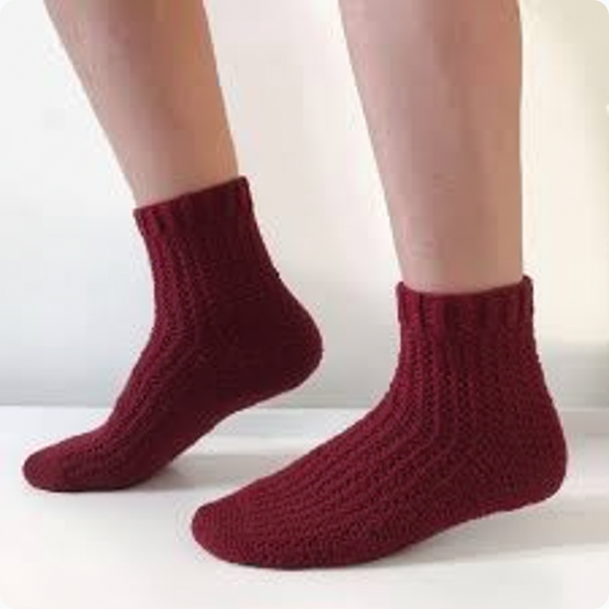
  • BEGINNER CROCHET ANKLE SOCKS:
    Pattern by Crochet With Love:

    Skill level:

    .Beginner

    MATERIALS:

    .Yarn: Light DK / Sport (Category 2–3)

    .Hook: 3.25–3.5 mm

    .Stitch marker

    .Yarn needle

    STITCHES USED:

    .ch – chain

    .sc – single crochet

    .sl st – slip stitch

    .BLO – back loop only

    .st(s) – stitch(es)

    GAUGE (IMPORTANT FOR LOOK):

    .22 sc × 22 rows = 4 in (10 cm)

    CONSTRUCTION OVERVIEW:

    .Toe → Foot → Simple Heel → Leg → Ribbed Cuff

    TOE (FLAT & INVISIBLE):

    .Ch 7

    .Row 1: Sc in 2nd ch from hook and across (6 sts)
    Rows 2–12: Ch 1, turn, sc across (6)

    .Fold rectangle in half.
    .Sl st short edges together to form toe.

    .Do not fasten off.

    FOOT (ROUND):

    .Round 1: Ch 1, sc evenly around opening
    (12–14 sts depending on yarn)

    .Rounds 2:
    Sc in each st around

    .Try on as you go.
    .Stop when work reaches just before the heel curve.

    SIMPLE HEEL:

    .Work half the stitches only.

    .Row 1: Ch 1, sc across half the sts, turn
    .Row 2: Ch 1, sc across, turn

    .Repeat until heel covers heel comfortably
    (6–8 rows)

    .Fold heel flap together and sl st closed.

    LEG (ANKLE HEIGHT):

    .Round 1: Ch 1, sc evenly around entire opening
    .Rounds 2–6:
    Sc around

    .Leg should sit just above ankle bone.

    RIBBED CUFF:

    .Rounds 1–4:
    Ch 1, sc BLO around

    .Fasten off and weave in ends.

    FIT ADJUSTMENTS:

    .Too loose? Use 3.25 mm hook

    .Too tight? Use 3.75 mm hook

    .Wider foot? Add 1–2 sts around foot

    .Higher cuff? Add BLO rounds
    BEGINNER CROCHET ANKLE SOCKS: Pattern by Crochet With Love: Skill level: .Beginner MATERIALS: .Yarn: Light DK / Sport (Category 2–3) .Hook: 3.25–3.5 mm .Stitch marker .Yarn needle STITCHES USED: .ch – chain .sc – single crochet .sl st – slip stitch .BLO – back loop only .st(s) – stitch(es) GAUGE (IMPORTANT FOR LOOK): .22 sc × 22 rows = 4 in (10 cm) CONSTRUCTION OVERVIEW: .Toe → Foot → Simple Heel → Leg → Ribbed Cuff TOE (FLAT & INVISIBLE): .Ch 7 .Row 1: Sc in 2nd ch from hook and across (6 sts) Rows 2–12: Ch 1, turn, sc across (6) .Fold rectangle in half. .Sl st short edges together to form toe. .Do not fasten off. FOOT (ROUND): .Round 1: Ch 1, sc evenly around opening (12–14 sts depending on yarn) .Rounds 2: Sc in each st around .Try on as you go. .Stop when work reaches just before the heel curve. SIMPLE HEEL: .Work half the stitches only. .Row 1: Ch 1, sc across half the sts, turn .Row 2: Ch 1, sc across, turn .Repeat until heel covers heel comfortably (6–8 rows) .Fold heel flap together and sl st closed. LEG (ANKLE HEIGHT): .Round 1: Ch 1, sc evenly around entire opening .Rounds 2–6: Sc around .Leg should sit just above ankle bone. RIBBED CUFF: .Rounds 1–4: Ch 1, sc BLO around .Fasten off and weave in ends. FIT ADJUSTMENTS: .Too loose? Use 3.25 mm hook .Too tight? Use 3.75 mm hook .Wider foot? Add 1–2 sts around foot .Higher cuff? Add BLO rounds
    Love
    3
    0 Comments 0 Shares 531 Views 0 Reviews
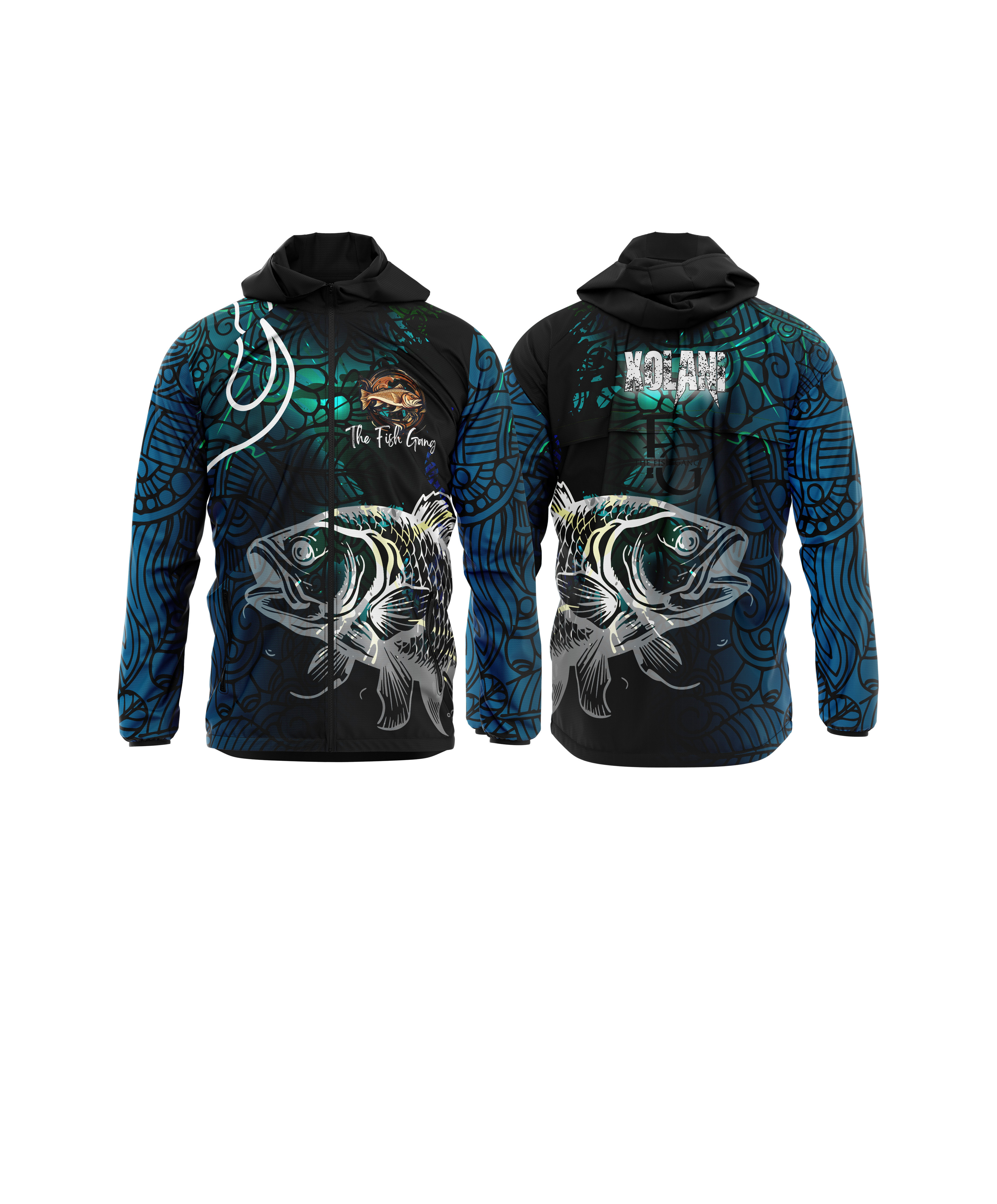
  • Custom Wind Breaker Jackets – Made to Order New
    R530.00
    Available
    Vereeniging, South Africa
    0 Reviews
    Stay protected in style with our premium Custom Wind Breaker Jackets, expertly crafted from scratch by a professional South African clothing manufacturer.

    Designed for everyday wear, outdoor activities, sports teams, and branded uniform use, these wind breakers offer the perfect balance of comfort, durability, and weather-resistant performance.

    Each jacket can be fully customised with your own design, branding, colours, or logo.

    We handle the full manufacturing and printing process, ensuring high-quality stitching, vibrant print detail, and a professional finish that lasts.

    Product Highlights:

    • Fully custom-made Wind Breaker Jackets
    • Printed or branded with your own design or logo
    • Lightweight, breathable, and weather-resistant
    • Strong, durable construction for long-term use
    • Ideal for teams, events, businesses, or personal wear

    Bring your brand or creative style to life with custom wind breakers made with precision, comfort, and quality—designed exactly the way you want them.
    Stay protected in style with our premium Custom Wind Breaker Jackets, expertly crafted from scratch by a professional South African clothing manufacturer. Designed for everyday wear, outdoor activities, sports teams, and branded uniform use, these wind breakers offer the perfect balance of comfort, durability, and weather-resistant performance. Each jacket can be fully customised with your own design, branding, colours, or logo. We handle the full manufacturing and printing process, ensuring high-quality stitching, vibrant print detail, and a professional finish that lasts. Product Highlights: • Fully custom-made Wind Breaker Jackets • Printed or branded with your own design or logo • Lightweight, breathable, and weather-resistant • Strong, durable construction for long-term use • Ideal for teams, events, businesses, or personal wear Bring your brand or creative style to life with custom wind breakers made with precision, comfort, and quality—designed exactly the way you want them.
    Like
    Love
    14
    2 Comments 0 Shares 8K Views 0 Reviews
  • We look after the little ones too!
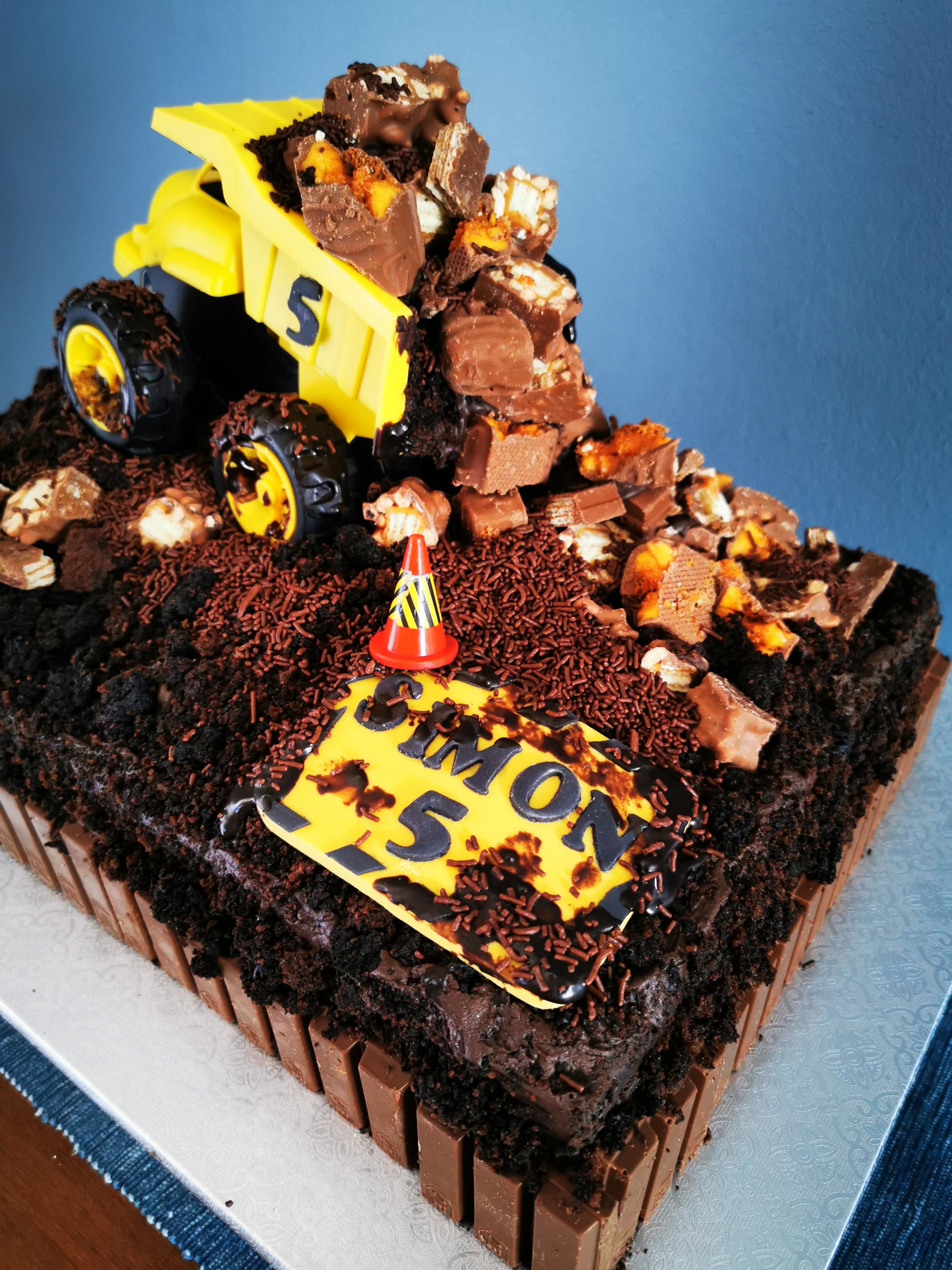
    Chocolate construction cake!
    We look after the little ones too! Chocolate construction cake!
    Love
    Like
    15
    0 Comments 1 Shares 5K Views 0 Reviews
MySA - South Africa https://mysa.social