
MySA - South Africa Social Network

Search

Discover new people, create new connections and make new friends

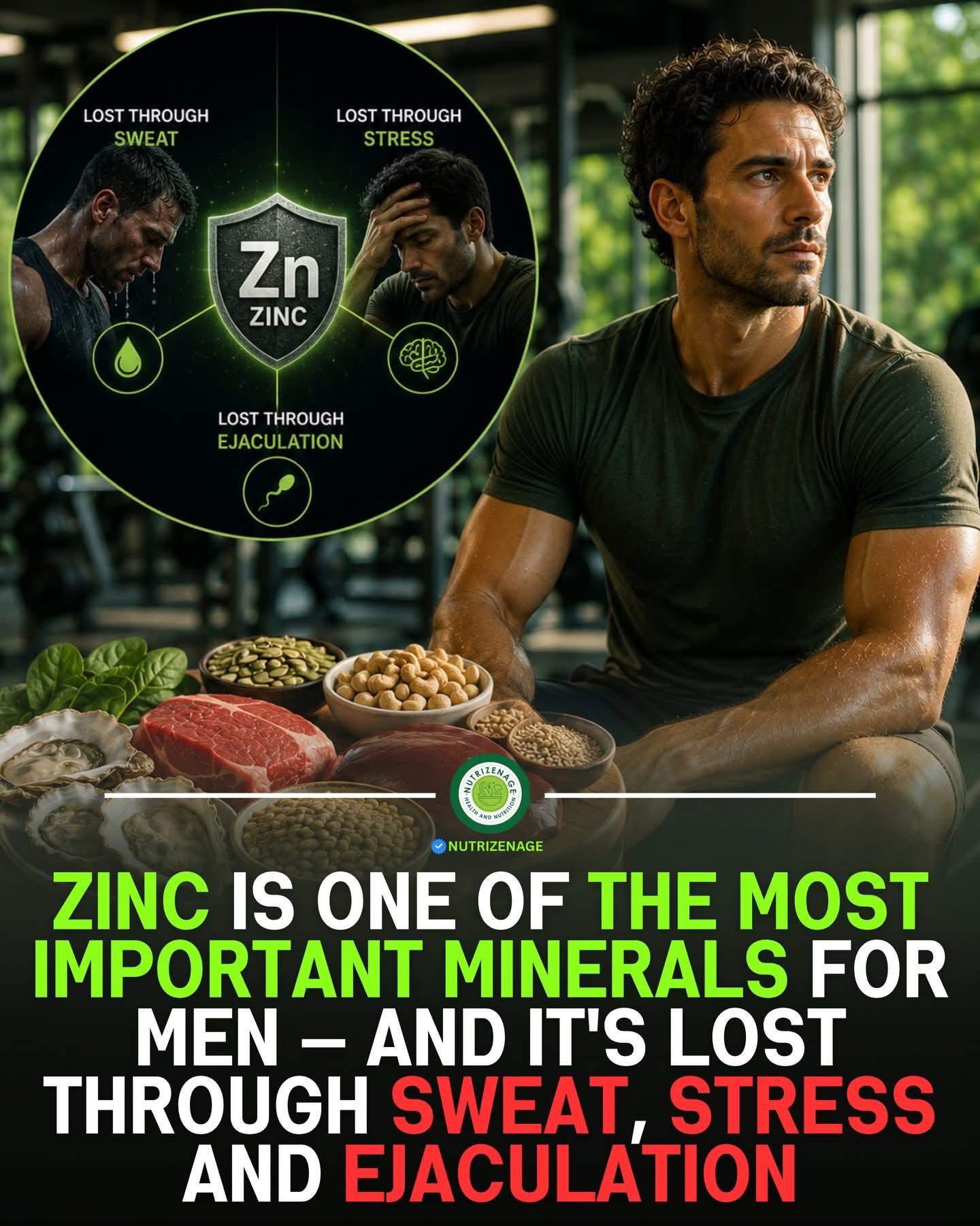
  • Zinc is essential for testosterone production, immune function, wound healing, and prostate health — and men lose it through routes that add up.

    Signs of low zinc:
    ⚠️ Low testosterone and libido
    ⚠️ Frequent illness — zinc is critical for immunity
    ⚠️ Slow wound healing
    ⚠️ Loss of taste or smell
    ⚠️ Hair thinning

    Men are more prone to deficiency because zinc is lost through sweat (relevant for athletes), depleted by chronic stress, and lost in semen. Vegetarians are also at higher risk, since plant zinc is less absorbable and phytates block it.

    Best sources:
    🦪 Oysters — by far the richest source
    🥩 Red meat and shellfish
    🎃 Pumpkin seeds — the best plant source
    🥜 Nuts, beans (soak or sprout to improve absorption)

    ⚠️ Don’t over-supplement — high-dose zinc over months depletes copper and can backfire. If supplementing long-term, balance matters. Food first.

    For men, it’s one of the highest-priority minerals — and pumpkin seeds or a few oysters cover it easily.

    #MensHealth #Zinc #TestosteroneSupport
    Like
    Love
    7
    5.3K Views
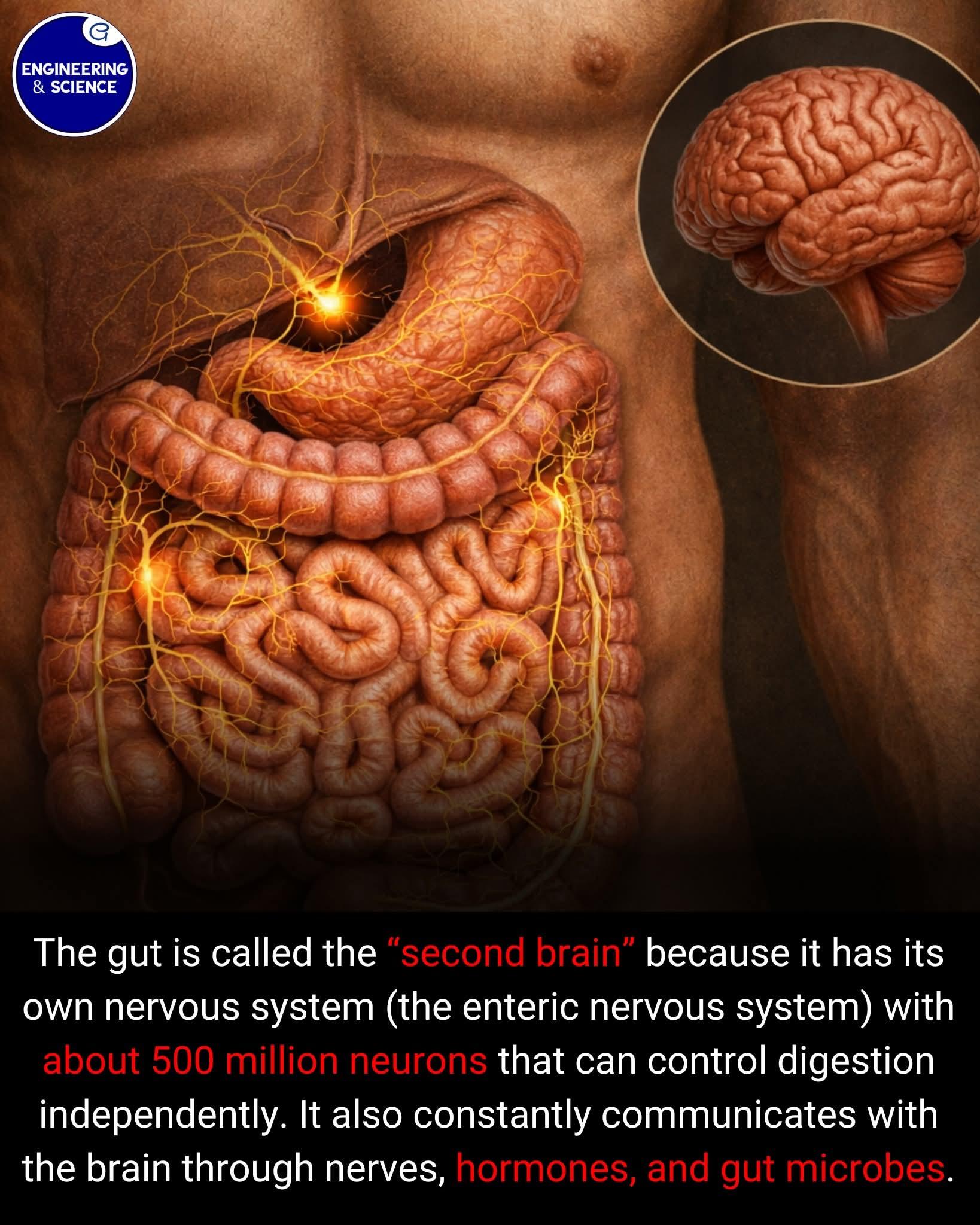
  • Did you know your gut is often called the “second brain” — and science fully supports it?

    Inside your digestive system lives the Enteric Nervous System (ENS), a powerful network of around 500 million neurons. That’s more neurons than in the spinal cord. This system can control digestion independently, regulating movement, enzyme release, nutrient absorption, and blood flow — even without direct input from the brain.

    What makes this even more fascinating is the gut–brain connection, one of the most important discoveries in modern neuroscience. Your gut and brain are in constant two-way communication through the vagus nerve, hormones, immune signals, and gut microbiome. This is why stress can cause stomach pain, and why gut health plays a major role in mental health, mood regulation, anxiety, and depression.

    In fact, the gut produces up to 90% of the body’s serotonin, a key neurotransmitter responsible for happiness, emotional balance, and sleep quality. This is why researchers now link digestive health to conditions like IBS, brain fog, chronic inflammation, autoimmune disorders, and even neurodegenerative diseases.

    Your gut doesn’t “think” like your brain — but it acts autonomously, constantly gathering information and sending signals that influence how you feel, think, and perform daily.

    That’s why optimizing gut health, digestive wellness, and microbiome balance is now a top priority in functional medicine, holistic health, biohacking, longevity science, and preventive healthcare.
    6.3K Views
  • Drinking green tea every day for just 10–14 days can create measurable changes in your gut microbiome. one of the most powerful foundations of overall health. Its rich blend of polyphenols acts as prebiotic fuel for beneficial gut bacteria, helping them grow, diversify, and strengthen the intestinal lining. As your microbiome shifts, digestion improves, inflammation decreases, and nutrient absorption becomes more efficient. These small internal changes add up quickly, giving your entire system a noticeable boost.

    Green tea also offers strong protection for the liver. Its catechins help reduce oxidative stress, support detoxification pathways, and prevent fat accumulation inside the liver. Over time, this supports healthier metabolic function and shields the body from long-term liver strain. Just a few cups a day can significantly lighten the liver’s workload.

    Beyond the gut and liver, green tea is rich in L-theanine and antioxidants that sharpen memory, improve focus, and calm the nervous system. This natural combination helps enhance brain performance while reducing stress-driven mental fatigue. Few supplements deliver this range of benefits as effectively or as safely.

    A simple daily cup of green tea outperforms countless products on the market nourishing the gut, protecting the liver, and boosting cognitive function with every sip.
    Like
    Love
    12
    5.4K Views
  • Bone broth heals the gut lining by providing collagen and amino acids like glutamine, glycine and proline. These components support the repair and strengthening of the gut’s mucosal lining, which can improve intestinal permeability (leaky gut) and reduce inflammation within the digestive tract. The gelatin in bone broth also aids in digestion and nutrient absorption.

    Key components and their roles:

    📑Gelatin: Created from the breakdown of collagen during cooking, gelatin helps to attract and hold water in the digestive tract, aiding digestion and nutrient absorption.

    📑Amino acids:
    ➡️Glutamine: This is a key nutrient for intestinal cells, as it helps support their repair and regeneration. It’s known to reduce inflammation in the gut and strengthen the intestinal lining.
    ➡️Glycine and Proline: These amino acids are essential for building and repairing tissues, including the gut lining.
    ➡️Arginine and Histidine: These amino acids also have anti-inflammatory properties that may benefit the gut.

    📑Collagen: The foundation of connective tissues, collagen provides the structural support needed to repair and strengthen a compromised gut lining.

    📑How it works:
    ➡️Repairs damage: The amino acids in bone broth help the body produce its own collagen to repair tears and damage in the intestinal wall.
    ➡️Reduces inflammation: The amino acids, especially glutamine, have anti-inflammatory effects that can soothe the digestive system.
    ➡️Seals the gut: By strengthening the gut lining, bone broth can help prevent what is known as “leaky gut”, where undigested particles pass through the gut wall and cause an immune response and inflammation.
    Like
    Love
    16
    2.4K Views
  • 🌿 Immunity, Cold & Flu Concoction

    Feeling a cold coming on? Here’s a powerful natural remedy to help boost your immunity, fight off infection, and clear congestion.


    You’ll need:

    750 ml water

    2 lemons (the more sour, the better) 🤣 — cut up

    1 teaspoon grated ginger or ginger powder if you don’t have fresh ginger root (anti-inflammatory,
    decongestant, immune booster)

    1 teaspoon clove garlic, crushed (natural antibiotic)

    ½ teaspoon turmeric powder (immune booster & anti-inflammatory)

    ¼ teaspoon cayenne pepper (sinus relief, antioxidant, decongestant)

    A pinch of black pepper (for turmeric absorption)


    To make:

    Add all ingredients to a pot and bring to a gentle boil.

    Lower the heat and let it simmer for about 10 minutes.

    Stir at least once through the cooking process.

    Strain the liquid, let it cool down and pour into a glass container.

    Store in the fridge for no longer than 5 days.

    Warm up a cup of the concoction and take it in the morning
    when feeling under the weather.

    Perfect for those chilly days when your body needs a little extra love. 💛


    Optional:

    Add a tablespoon of raw honey once slightly cooled for taste and extra soothing benefits.

    👉 You should not give honey to children under one year old because it can cause infant botulism, a serious illness caused by bacteria that can be found in honey.
    After their first birthday, a child's digestive system is mature enough to prevent the bacteria from causing harm 👈
    Love
    Like
    9
    2.9K Views
  • Water wisely:

    For a thriving summer garden, proper watering is crucial early in the morning or late evening to reduce evaporation and for better absorption.

    Water deeply and less frequently to encourage the roots to grow deeper into the soil, but keep in mind there are plants that need less watering.

    Always water the soil directly rather than the leaves to prevent scorching and disease.
    Like
    Love
    10
    2.3K Views
© 2026 MySA - South Africa Social Network