
• Your next build deserves a team that takes the work seriously, pays attention to the details and cares about the finished result.


    Phaphama Crew Construction can help with new house builds, building projects, renovations, bathroom upgrades, paving and tar surfacing. Whether you’re planning a new home, improving the space you already have or upgrading your driveway, get in touch to discuss your project.


    Based in Durban and serving clients nationwide, the team is ready to hear what you have in mind.


    For your next professional build, contact Phaphama Crew Construction on 065 735 9722.


    #PhaphamaCrewConstruction #Construction #Building #NewBuild #HomeRenovations #BathroomRenovations #Paving #TarSurfacing #DurbanConstruction #SouthAfrica
    Your next build deserves a team that takes the work seriously, pays attention to the details and cares about the finished result. Phaphama Crew Construction can help with new house builds, building projects, renovations, bathroom upgrades, paving and tar surfacing. Whether you’re planning a new home, improving the space you already have or upgrading your driveway, get in touch to discuss your project. Based in Durban and serving clients nationwide, the team is ready to hear what you have in mind. For your next professional build, contact Phaphama Crew Construction on 065 735 9722. #PhaphamaCrewConstruction #Construction #Building #NewBuild #HomeRenovations #BathroomRenovations #Paving #TarSurfacing #DurbanConstruction #SouthAfrica
    Love
    3
    0 Comments 0 Shares 6K Views 0 Reviews
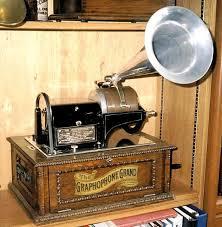
  • History of the Record Player:

    1857 – The Phonautograph
    Édouard-Léon Scott de Martinville invents the phonautograph, the first device to record sound—though it couldn’t play it back.

    1877 – The Phonograph
    Thomas Edison creates the phonograph, capable of recording and playing back sound using tinfoil-covered cylinders.

    1880s – The Graphophone
    Alexander Graham Bell’s Volta Laboratory improves Edison’s design, using wax cylinders and introducing the term “graphophone.”

    1890s – The Gramophone
    Emile Berliner develops the gramophone, using flat discs with spiral grooves, paving the way for mass production of records.

    1920s – Rise of Shellac Discs
    Advances in microphone technology and flat disc commercialization popularize record players. Discs made of shellac played at 78 RPM.

    1930s – The Birth of Vinyl
    RCA Victor releases the first commercial vinyl records—more durable and higher quality, spinning at 33⅓ RPM.
    Columbia Records promotes the long-playing (LP) format.

    1940s – The 45 RPM Single
    RCA Victor introduces the 7-inch, 45 RPM record, ideal for singles.

    1950s–1960s – Electronic Amplification
    Record players adopt electronic amplifiers, transforming needle vibrations into electrical signals for speaker playback.

    1980s – The Digital Era Begins
    The arrival of the compact disc (CD) introduces digital audio, marking the decline of vinyl’s mainstream dominance.

    2008–Present – Vinyl Revival
    Vinyl records make a comeback, cherished for their warm sound and nostalgic appeal. Sales continue to rise among collectors and music enthusiasts.
    History of the Record Player: 1857 – The Phonautograph Édouard-Léon Scott de Martinville invents the phonautograph, the first device to record sound—though it couldn’t play it back. 1877 – The Phonograph Thomas Edison creates the phonograph, capable of recording and playing back sound using tinfoil-covered cylinders. 1880s – The Graphophone Alexander Graham Bell’s Volta Laboratory improves Edison’s design, using wax cylinders and introducing the term “graphophone.” 1890s – The Gramophone Emile Berliner develops the gramophone, using flat discs with spiral grooves, paving the way for mass production of records. 1920s – Rise of Shellac Discs Advances in microphone technology and flat disc commercialization popularize record players. Discs made of shellac played at 78 RPM. 1930s – The Birth of Vinyl RCA Victor releases the first commercial vinyl records—more durable and higher quality, spinning at 33⅓ RPM. Columbia Records promotes the long-playing (LP) format. 1940s – The 45 RPM Single RCA Victor introduces the 7-inch, 45 RPM record, ideal for singles. 1950s–1960s – Electronic Amplification Record players adopt electronic amplifiers, transforming needle vibrations into electrical signals for speaker playback. 1980s – The Digital Era Begins The arrival of the compact disc (CD) introduces digital audio, marking the decline of vinyl’s mainstream dominance. 2008–Present – Vinyl Revival Vinyl records make a comeback, cherished for their warm sound and nostalgic appeal. Sales continue to rise among collectors and music enthusiasts.
    Love
    Like
    10
    0 Comments 0 Shares 3K Views 0 Reviews
MySA - South Africa https://mysa.social