History of the Record Player:
1857 – The Phonautograph
Édouard-Léon Scott de Martinville invents the phonautograph, the first device to record sound—though it couldn’t play it back.
1877 – The Phonograph
Thomas Edison creates the phonograph, capable of recording and playing back sound using tinfoil-covered cylinders.
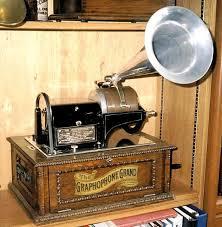
1880s – The Graphophone
Alexander Graham Bell’s Volta Laboratory improves Edison’s design, using wax cylinders and introducing the term “graphophone.”
1890s – The Gramophone
Emile Berliner develops the gramophone, using flat discs with spiral grooves, paving the way for mass production of records.
1920s – Rise of Shellac Discs
Advances in microphone technology and flat disc commercialization popularize record players. Discs made of shellac played at 78 RPM.
1930s – The Birth of Vinyl
RCA Victor releases the first commercial vinyl records—more durable and higher quality, spinning at 33⅓ RPM.
Columbia Records promotes the long-playing (LP) format.
1940s – The 45 RPM Single
RCA Victor introduces the 7-inch, 45 RPM record, ideal for singles.
1950s–1960s – Electronic Amplification
Record players adopt electronic amplifiers, transforming needle vibrations into electrical signals for speaker playback.
1980s – The Digital Era Begins
The arrival of the compact disc (CD) introduces digital audio, marking the decline of vinyl’s mainstream dominance.
2008–Present – Vinyl Revival
Vinyl records make a comeback, cherished for their warm sound and nostalgic appeal. Sales continue to rise among collectors and music enthusiasts.
1857 – The Phonautograph
Édouard-Léon Scott de Martinville invents the phonautograph, the first device to record sound—though it couldn’t play it back.
1877 – The Phonograph
Thomas Edison creates the phonograph, capable of recording and playing back sound using tinfoil-covered cylinders.
1880s – The Graphophone
Alexander Graham Bell’s Volta Laboratory improves Edison’s design, using wax cylinders and introducing the term “graphophone.”
1890s – The Gramophone
Emile Berliner develops the gramophone, using flat discs with spiral grooves, paving the way for mass production of records.
1920s – Rise of Shellac Discs
Advances in microphone technology and flat disc commercialization popularize record players. Discs made of shellac played at 78 RPM.
1930s – The Birth of Vinyl
RCA Victor releases the first commercial vinyl records—more durable and higher quality, spinning at 33⅓ RPM.
Columbia Records promotes the long-playing (LP) format.
1940s – The 45 RPM Single
RCA Victor introduces the 7-inch, 45 RPM record, ideal for singles.
1950s–1960s – Electronic Amplification
Record players adopt electronic amplifiers, transforming needle vibrations into electrical signals for speaker playback.
1980s – The Digital Era Begins
The arrival of the compact disc (CD) introduces digital audio, marking the decline of vinyl’s mainstream dominance.
2008–Present – Vinyl Revival
Vinyl records make a comeback, cherished for their warm sound and nostalgic appeal. Sales continue to rise among collectors and music enthusiasts.
History of the Record Player:
1857 – The Phonautograph
Édouard-Léon Scott de Martinville invents the phonautograph, the first device to record sound—though it couldn’t play it back.
1877 – The Phonograph
Thomas Edison creates the phonograph, capable of recording and playing back sound using tinfoil-covered cylinders.
1880s – The Graphophone
Alexander Graham Bell’s Volta Laboratory improves Edison’s design, using wax cylinders and introducing the term “graphophone.”
1890s – The Gramophone
Emile Berliner develops the gramophone, using flat discs with spiral grooves, paving the way for mass production of records.
1920s – Rise of Shellac Discs
Advances in microphone technology and flat disc commercialization popularize record players. Discs made of shellac played at 78 RPM.
1930s – The Birth of Vinyl
RCA Victor releases the first commercial vinyl records—more durable and higher quality, spinning at 33⅓ RPM.
Columbia Records promotes the long-playing (LP) format.
1940s – The 45 RPM Single
RCA Victor introduces the 7-inch, 45 RPM record, ideal for singles.
1950s–1960s – Electronic Amplification
Record players adopt electronic amplifiers, transforming needle vibrations into electrical signals for speaker playback.
1980s – The Digital Era Begins
The arrival of the compact disc (CD) introduces digital audio, marking the decline of vinyl’s mainstream dominance.
2008–Present – Vinyl Revival
Vinyl records make a comeback, cherished for their warm sound and nostalgic appeal. Sales continue to rise among collectors and music enthusiasts.