


How Dance Tells a Story Without Words
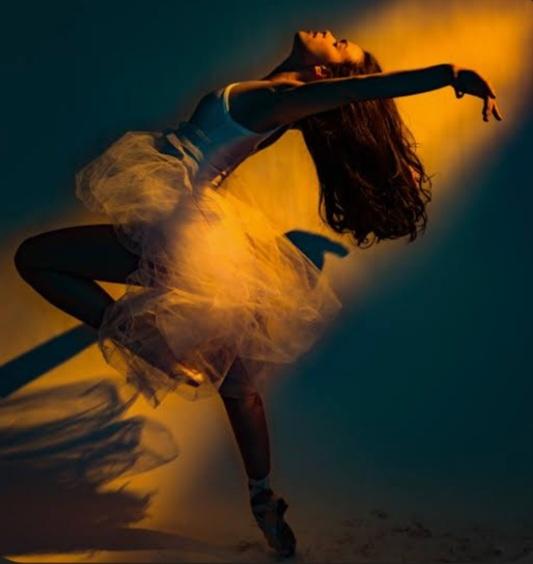
Stories don’t always need pages or dialogue. Sometimes, they live in movement—carried by a lifted arm, a sudden pause, or a powerful leap across a stage. Dance has a unique ability to tell stories without saying a single word, and that’s part of what makes it so captivating.
Movement as a Language:
Dance works like its own language. Instead of sentences, it uses steps. Instead of punctuation, it uses stillness, speed, and rhythm. A sharp, fast movement can suggest tension or excitement, while slow, flowing motions can feel calm or reflective. Even without knowing the “plot,” audiences often understand what’s happening because the body communicates emotion instinctively.
Emotion You Can See:
One of dance’s greatest strengths is how clearly it shows feeling. Facial expressions, posture, and energy all play a role. A dancer’s slumped shoulders can suggest defeat. A confident stride can signal victory. Because these emotions are shown physically, they can feel immediate and real—sometimes even more direct than words.
Choreography as Story Structure:
Choreographers often build dances the same way writers build stories: with a beginning, middle, and end. The opening might introduce a character or mood. The middle can bring conflict, change, or growth. The ending offers resolution—or sometimes leaves questions behind. Repeated movements can act like themes, returning again and again to remind the audience of an idea or relationship.
Music as a Narrative Partner:
Music doesn’t speak, but it guides the story. Changes in tempo, volume, or mood often match what’s happening in the dance. A quiet section might highlight a solo moment, while a powerful beat can drive a dramatic group sequence. Together, music and movement create a shared emotional journey.
Why Wordless Stories Matter:
Because dance doesn’t rely on spoken language, it can be understood across cultures. Anyone, anywhere, can watch a dance and connect with it in their own way. The story may feel slightly different to each viewer, but that openness is part of the magic. Dance invites the audience to feel, interpret, and imagine.
A Story Felt, Not Told:
In the end, dance proves that stories don’t always need to be explained. They can be felt in the chest when a dancer lands a jump, or seen in the space between two performers who never touch. Without words, dance reminds us that the body itself can speak—and sometimes, it says more than language ever could.


- News & Current Affairs
- Business & Economy
- Finance & Money
- Education & Learning
- Technology & Innovation
- Science & Environment
- Health & Wellness
- Food & Drink
- Home, Garden & Lifestyle
- Travel & Tourism
- Fashion & Beauty
- Art & Culture
- Entertainment & Media
- Sports & Recreation
- Personal Growth & Lifestyle
- Careers & Work
- Tutorials & How-To Guides
- Real Estate & Property
- Automotive
- Family & Relationships
- Environment & Sustainability
- Law & Legal Matters
- Gaming & Esports
- Religion & Spirituality
- Community & Local Voices
- Miscellaneous
- History

