


The difference between Bacteria and Viruses
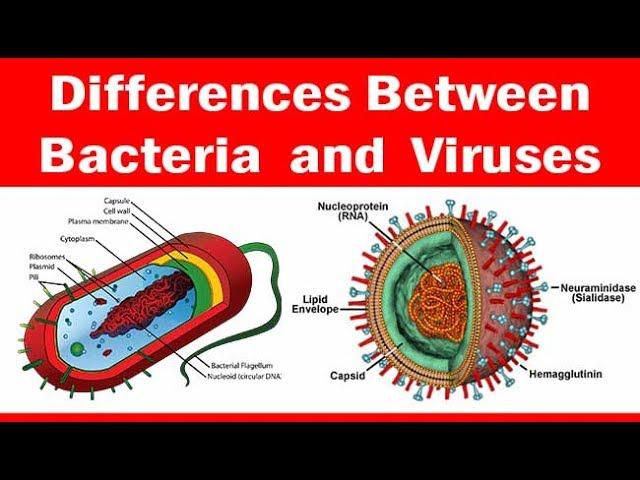
Every breath you take contains thousands of bacteria floating invisibly in the air. Every surface you touch—your phone, desk, or skin—is home to countless microscopic organisms. Even inside your body, trillions of bacteria live and work, many of them helping you stay healthy.
Viruses, however, are a very different story.
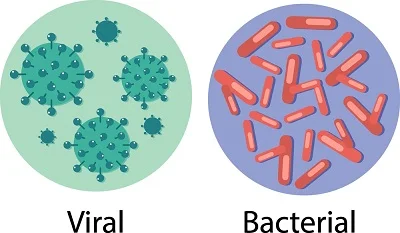
Although bacteria and viruses are often mentioned together, they differ fundamentally in structure, behavior, and how they affect our health. Understanding these differences helps explain why they are treated so differently in medicine.
What Are Bacteria?
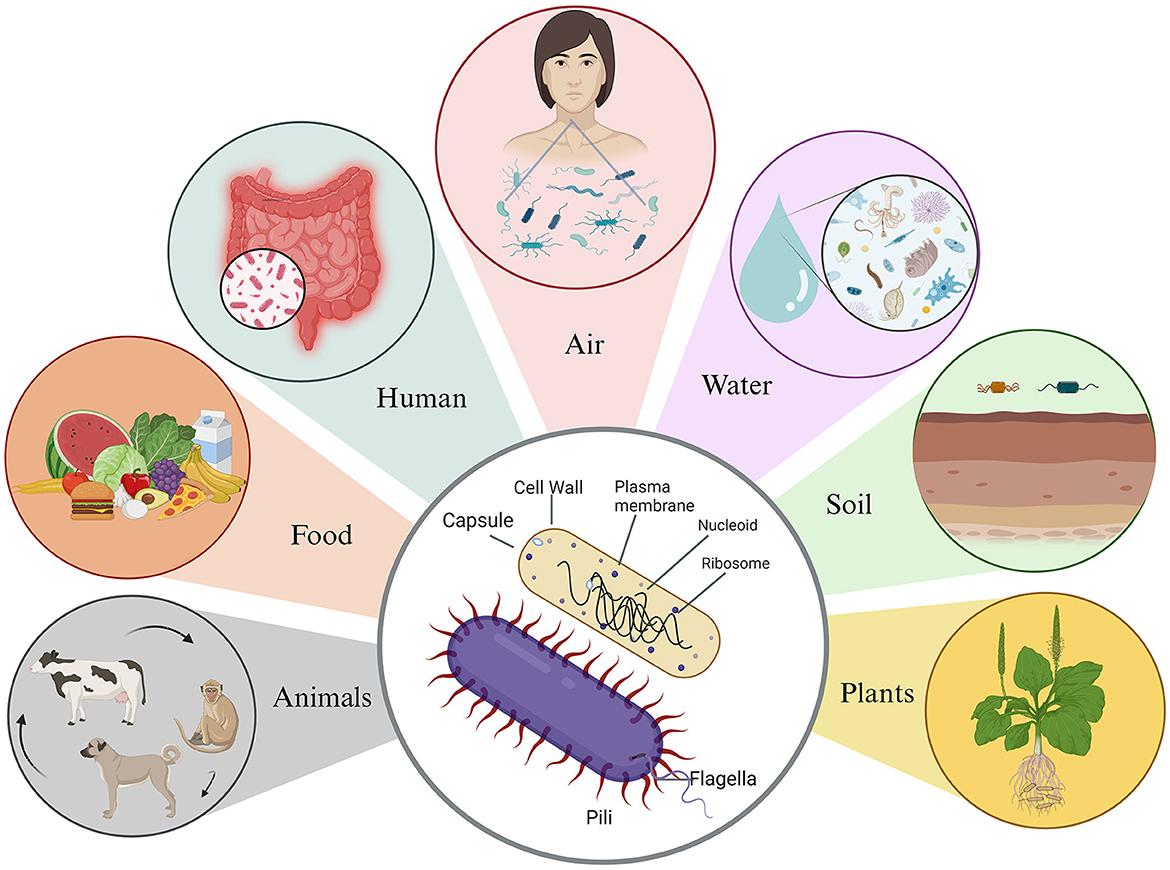
Bacteria are living, single-celled organisms. They exist almost everywhere on Earth: in soil, water, air, food, and inside plants and animals. Despite their reputation, most bacteria are either harmless or beneficial.
Bacteria have a complete cellular structure, including:
- A cell wall
- Cytoplasm
- Ribosomes
- Genetic material
Because they are fully functional cells, bacteria can produce their own energy and reproduce independently through a process called binary fission, where one cell splits into two identical cells.
Some bacteria can cause disease, but many are essential for digestion, immunity, and nutrient cycling in nature.
What Are Viruses?
Viruses are much smaller than bacteria and are not considered living organisms. Outside a host, they are completely inactive—essentially dormant packets of genetic material.
A virus consists of:
- Genetic material (DNA or RNA)
- A protective protein shell called a capsid
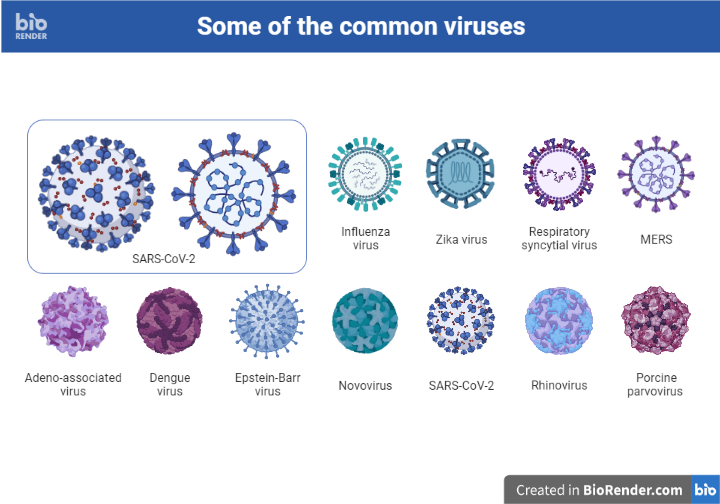
Unlike bacteria, viruses have no cell structures and no metabolism. They cannot reproduce or function on their own. To multiply, a virus must enter a living cell, take control of its machinery, and turn it into a virus-producing factory. Once this happens, new virus particles are released to infect other cells.
Key Differences Between Bacteria and Viruses
|
Characteristic |
Bacteria |
Viruses |
|
Living status |
Living organisms |
Not considered living; inactive outside a host |
|
Structure |
Complete single cells with internal components |
Genetic material inside a protein coat |
|
Size |
Larger (0.3–5 micrometers); visible with a light microscope |
Much smaller (20–400 nanometers); visible only with an electron microscope |
|
Reproduction |
Reproduce independently via binary fission |
Must hijack a host cell to reproduce |
|
Beneficial roles |
Many are beneficial (digestion, decomposition, immunity) |
Mostly disease-causing, though some beneficial uses are being researched |
|
Treatment |
Treated with antibiotics |
Antibiotics ineffective; treated with antivirals or prevented with vaccines |
Why Treatment Is So Different
Because bacteria are living cells, antibiotics can target specific bacterial structures or metabolic processes, effectively killing them or stopping their growth.
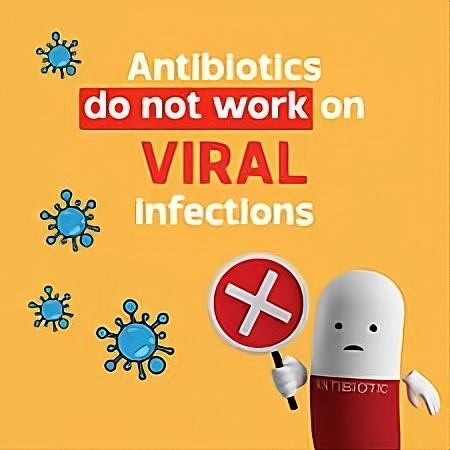
Viruses, however, do not have these structures, which is why antibiotics are useless against viral infections. Viral illnesses require antiviral medications, supportive care, or prevention through vaccination.
This distinction is crucial, as misuse of antibiotics contributes to antibiotic resistance—one of the biggest global health challenges today.
Final Thoughts
Bacteria and viruses may both be microscopic, but they are fundamentally different forms of biological entities.
- Bacteria are living, self-sufficient organisms that can be helpful or harmful.
- Viruses are non-living genetic invaders that depend entirely on host cells to survive and reproduce.
Understanding these differences not only improves scientific literacy but also helps us make better decisions about treatment, prevention, and responsible antibiotic use.
Knowledge, in this case, truly is a powerful form of medicine.



- News & Current Affairs
- Business & Economy
- Finance & Money
- Education & Learning
- Technology & Innovation
- Science & Environment
- Health & Wellness
- Food & Drink
- Home, Garden & Lifestyle
- Travel & Tourism
- Fashion & Beauty
- Art & Culture
- Entertainment & Media
- Sports & Recreation
- Personal Growth & Lifestyle
- Careers & Work
- Tutorials & How-To Guides
- Real Estate & Property
- Automotive
- Family & Relationships
- Environment & Sustainability
- Law & Legal Matters
- Gaming & Esports
- Religion & Spirituality
- Community & Local Voices
- Miscellaneous
- History

