


Natural Remedies for Restless Legs Syndrome (RLS)
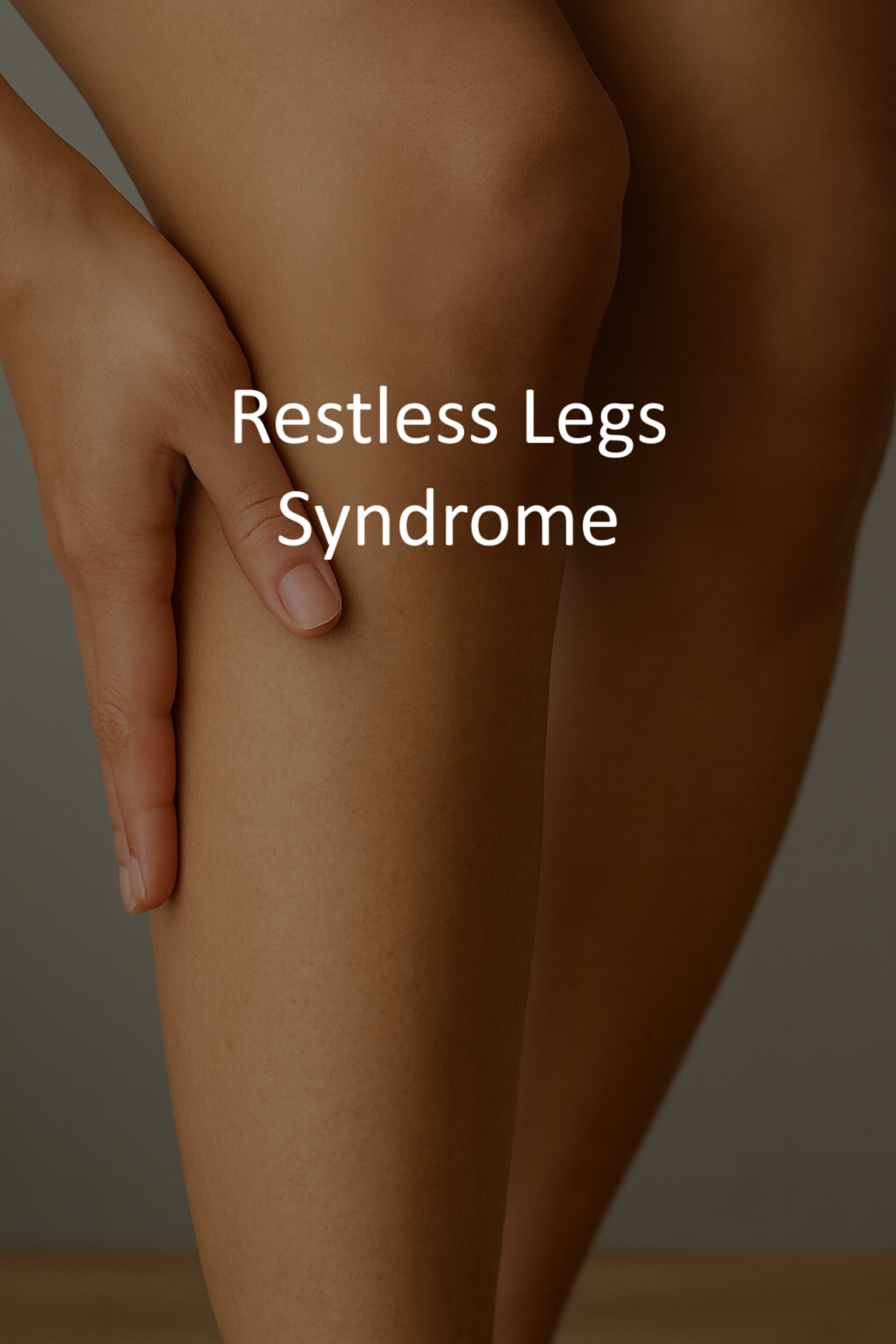
Restless Leg Syndrome (RLS), also known as Willis-Ekbom Disease, is a neurological condition marked by unpleasant sensations in the legs and an uncontrollable urge to move them—especially during rest or nighttime. These sensations may feel like tingling, crawling, pulling, or throbbing and often disrupt sleep and overall quality of life.
While medical treatments are available, many people prefer natural remedies for Restless Leg Syndrome to reduce symptoms gently, avoid side effects, and achieve deeper, restorative sleep. This guide covers the most effective home remedies, lifestyle adjustments, nutrition tips, supplements, and alternative therapies for holistic RLS management.

What Is Restless Leg Syndrome?
RLS affects an estimated 5–15% of the population and typically worsens in the evening or at night. It can strike anyone but is more common in women and those over 40.
Common causes and contributors include:
-
Low iron levels
-
Genetics
-
Chronic conditions (kidney disease, diabetes, neuropathy)
-
Certain medications
-
Pregnancy
-
Lifestyle factors
Understanding and addressing these factors can dramatically improve symptoms.
Common Symptoms of Restless Leg Syndrome
-
Strong urge to move the legs
-
Tingling, crawling, itching, or aching sensations
-
Symptoms worsen during rest
-
Sleep disruption
-
Daytime fatigue

Main Triggers for Restless Leg Syndrome
Identifying and reducing triggers is an essential part of natural RLS treatment. Common triggers include:
-
Caffeine (coffee, tea, chocolate)
-
Alcohol
-
Nicotine
-
Certain medications (antidepressants, antihistamines, antipsychotics)
-
Stress and anxiety

Natural Home Remedies for RLS Relief
Below are the most trusted, evidence-supported natural approaches for easing Restless Leg Syndrome.
1. Warm Baths
A warm bath relaxes tight muscles and calms nighttime sensations.
For enhanced relief:
-
Add Epsom salts for magnesium absorption.
-
Follow the warm bath with brief cold therapy (ice packs) to alternate temperature stimulation.
-
Pair with gentle stretching and deep breathing.


2. Leg Massages & Muscle Rubs
Massage increases circulation and reduces muscle tension.
Try:
-
Magnesium lotions
-
Herbal muscle balms
-
Slow, upward strokes along the calves and thighs

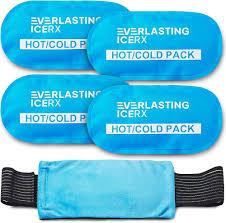
3. Heating Pads or Ice Packs
Both heat and cold can provide sensory relief.
Tips:
-
Apply heat for 15–20 minutes before bed.
-
Use cold packs wrapped in cloth for short intervals.
-
Alternate hot and cold if you find it helpful.
4. Foot Wraps & Vibrating Pads
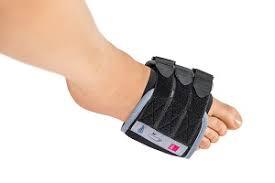
Specialized RLS foot wraps and vibrating pads stimulate nerves and distract the brain from RLS sensations, offering relief for some users.

5. Improve Sleep Hygiene
Consistent, restful sleep minimizes flare-ups.
-
Keep a regular sleep schedule
-
Limit screen time before bed
-
Keep your bedroom cool, dark, and peaceful
-
Avoid working or eating in bed

6. Regular Exercise & Stretching
Moderate exercise reduces symptoms, but timing is crucial.
-
Choose walking, yoga, swimming, or cycling
-
Avoid intense evening workouts
-
Stretch your calves, hamstrings, and quads before bedtime

7. Stress Reduction & Relaxation Practices
Because stress often worsens RLS, focus on calming your mind before sleep.
Effective options include:
-
Meditation
-
Deep breathing
-
Yoga
-
Progressive muscle relaxation
-
Tai chi
-
Evening quiet-time rituals

Nutritional Support & Supplementation
Nutrient deficiencies, especially low iron, play a major role in RLS severity.
| Nutrient | Why It Helps RLS | Sources & Tips |
|---|---|---|
| Iron | Strong connection between low iron & RLS; correcting deficiency can reduce symptoms | Red meat, legumes, spinach; take supplements only with medical guidance |
| Magnesium | Supports nerve & muscle relaxation | Nuts, seeds, leafy greens, magnesium supplements or topical sprays |
| Vitamin B12 & Folic Acid | Crucial for nerve health | Eggs, dairy, fortified cereals, lean meats |
| Vitamin E | Supports circulation & antioxidant function | Sunflower seeds, almonds, spinach |
It’s essential to consult a healthcare professional and undergo proper blood tests before beginning any supplements. This ensures safe dosing and helps identify underlying deficiencies that may be contributing to Restless Leg Syndrome. Alongside nutritional support, avoiding certain foods and drugs can significantly reduce the frequency and intensity of RLS symptoms.
Limit Caffeine
Caffeine stimulates the nervous system, which can worsen nighttime restlessness. Avoid:
-
Coffee
-
Black and green tea
-
Chocolate
-
Sodas and energy drinks
For best results, eliminate caffeine after midday.
Reduce Alcohol and Nicotine
Both alcohol and nicotine are known triggers for RLS and can disrupt sleep, making symptoms worse. Reducing or eliminating these substances can lead to noticeable improvement.
Review Medications with Your Doctor
Some drugs can aggravate RLS, including:
-
Certain antidepressants
-
Antipsychotics
-
Antihistamines
-
Anti-nausea medications
Always consult your healthcare provider before adjusting your medication.
Alternative and Complementary Therapies for RLS Relief
While research is still developing, many people find relief from complementary and holistic therapies when used alongside standard care.
These natural approaches may help soothe symptoms and promote better sleep.
Acupuncture
Some individuals report reduced RLS symptoms with ongoing acupuncture treatments. While scientific evidence is limited, acupuncture may support relaxation and improved circulation.
Reflexology & Foot Stimulation
Foot vibrating devices or tools that gently stimulate nerves in the feet and toes can help disrupt RLS sensations before bedtime. Reflexology sessions may also provide relief for some.
Herbal Medicine
Traditional formulas such as Dangguijakyak-san and Shihogyeji-tang have shown promise in early case studies. Although more research is needed, these herbal blends may be worth exploring with a qualified practitioner.
Supplements & Botanicals
Natural agents such as wild lettuce, pycnogenol, and turmeric are used by some for symptom relief. Always seek professional advice before adding herbal supplements to your routine.
When to See a Healthcare Professional
Natural remedies can be highly effective, but medical support is crucial when:
-
Symptoms worsen, persist, or disrupt daily life
-
You experience excessive daytime fatigue
-
You suspect underlying conditions like iron-deficiency anemia, kidney disease, or diabetes
-
You’re concerned about medication or supplement interactions
A proper medical evaluation can help identify correctable causes and tailor treatment to your needs.
Frequently Asked Questions (FAQs)
Q: What is the fastest way to relieve RLS symptoms?
Movement, stretching, leg massage, warm baths, or applying hot/cold packs often bring immediate relief. Relaxation exercises may also calm nighttime symptoms.
Q: Are there specific foods that help with RLS?
Yes. Iron-rich foods (red meat, spinach), magnesium sources (nuts, whole grains), and B-vitamin foods (eggs, dairy, lean meats) support nerve and muscle health.
Q: Can Restless Leg Syndrome be permanently cured?
There is no permanent cure for primary RLS, but many people manage symptoms effectively through lifestyle changes, trigger avoidance, and correcting deficiencies.
Q: What supplements should I consider?
Common options include iron (when deficient), magnesium, vitamin B12, folic acid, and vitamin E. Always base supplementation on lab work and professional guidance.
Q: Does exercise help or worsen RLS?
Moderate, regular exercise often improves symptoms, but overexertion—especially at night—can worsen them. Choose activities like walking, cycling, stretching, or yoga.
Final Thoughts
Restless Leg Syndrome can deeply impact sleep and daily comfort, but natural remedies offer meaningful relief for many. By combining warm baths, leg massages, proper nutrition, gentle exercise, and stress-management practices, you can create a holistic plan to calm your legs and improve sleep naturally. If symptoms persist or worsen, consulting a healthcare provider ensures safe, personalized care tailored to your unique needs.

- News & Current Affairs
- Business & Economy
- Finance & Money
- Education & Learning
- Technology & Innovation
- Science & Environment
- Health & Wellness
- Food & Drink
- Home, Garden & Lifestyle
- Travel & Tourism
- Fashion & Beauty
- Art & Culture
- Entertainment & Media
- Sports & Recreation
- Personal Growth & Lifestyle
- Careers & Work
- Tutorials & How-To Guides
- Real Estate & Property
- Automotive
- Family & Relationships
- Environment & Sustainability
- Law & Legal Matters
- Gaming & Esports
- Religion & Spirituality
- Community & Local Voices
- Miscellaneous
- History