


Home Remedies for Eye Styes: Safe, Natural Treatments
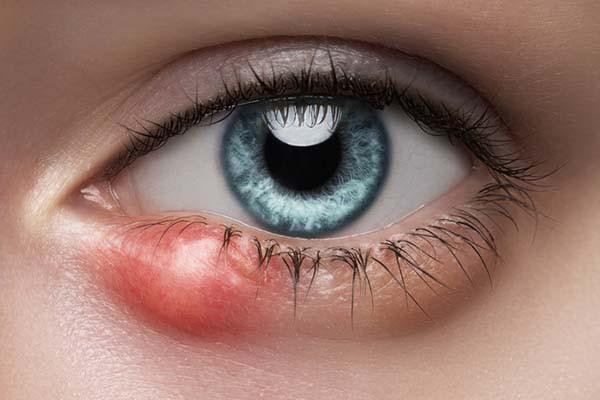
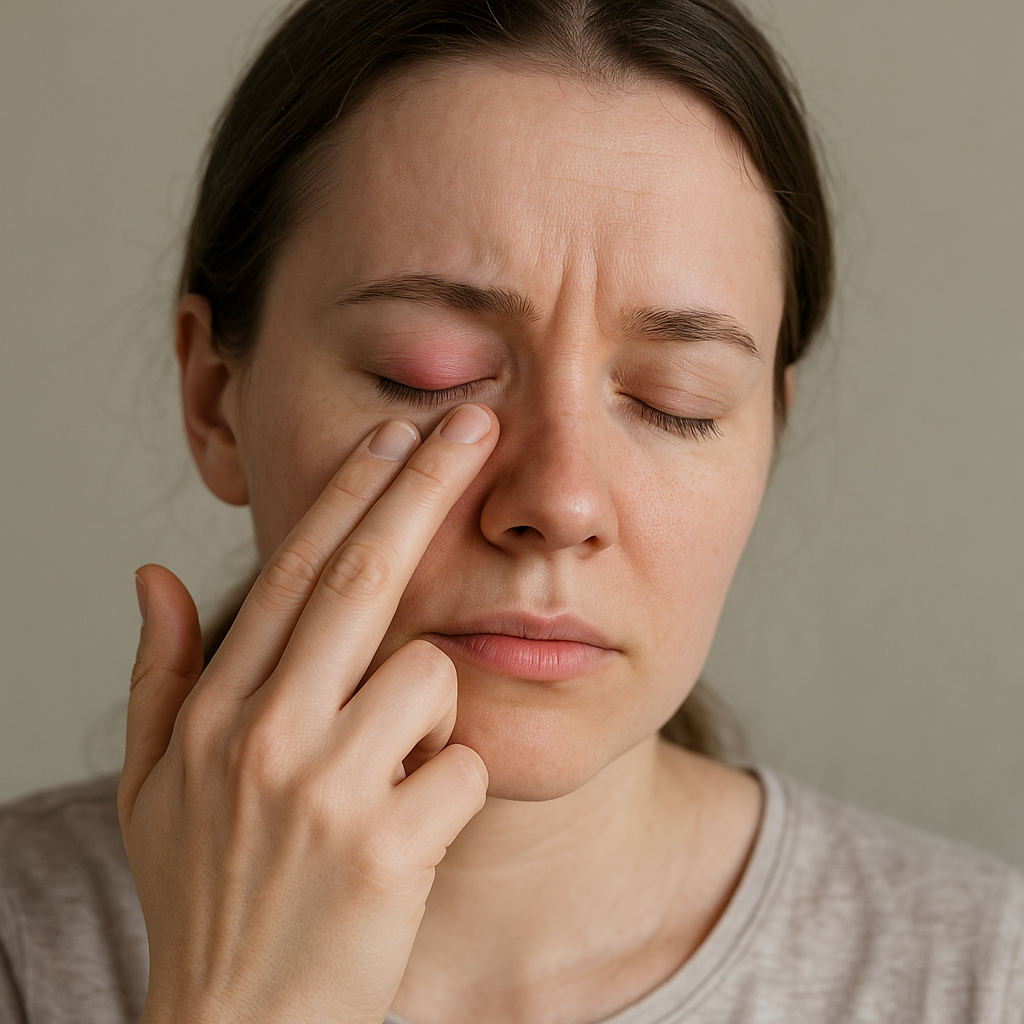
A stye—medically known as a hordeolum—is a painful, red bump on the outer edge on the eyelid, that forms when an eyelash follicle or oil gland becomes clogged with dirt, oils, or debris and then infected by bacteria. About 90–95% of styes are caused by Staphylococcus aureus or Staphylococcus epidermidis, the same bacteria responsible for common skin infections.
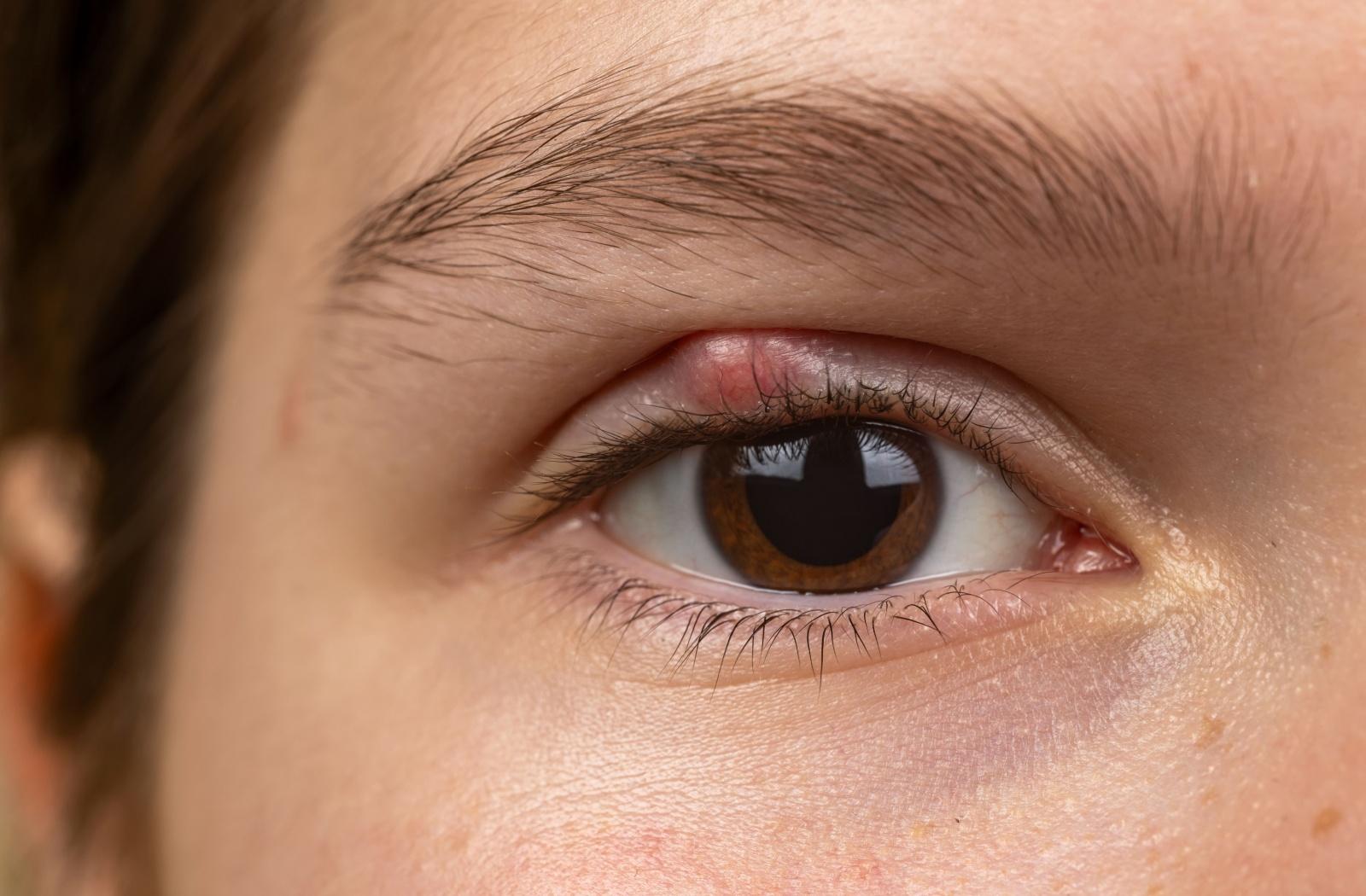
Styes often resemble small pimples or boils and may fill with pus, grow tender, and even interfere with vision if large enough. While styes are uncomfortable, the good news is that most heal naturally within 7–10 days—and natural home remedies can help speed up healing and ease discomfort.
Common Symptoms of a Stye
You may have a stye if you notice:
- A tender, red, painful bump on the eyelid
- Swelling, redness, or a gritty, “something-in-the-eye” feeling
- Sensitivity to light
- Excessive tearing
Effective Home Remedies for Treating a Stye
1. Warm Compress
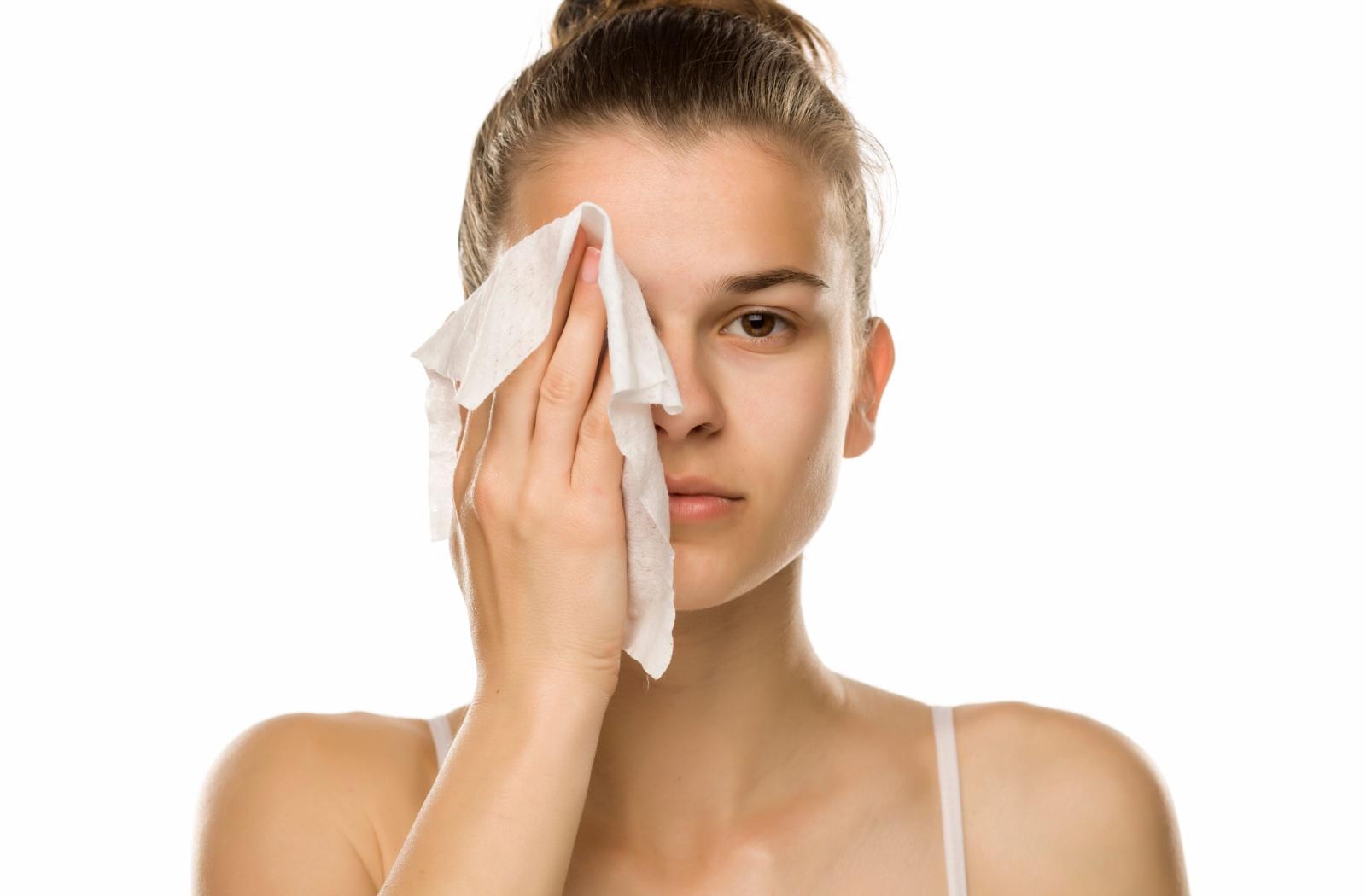
Gentle heat softens the clogged oil gland, draws the stye to a head, and promotes natural drainage.
How to do it:
- Wet a clean washcloth with warm water
- Hold it over the eyelid for 10–15 minutes
- Reheat every 30 seconds to keep it warm
- Repeat 3–4 times daily
- Wash the cloth in hot water after each use to prevent the spread of further infection
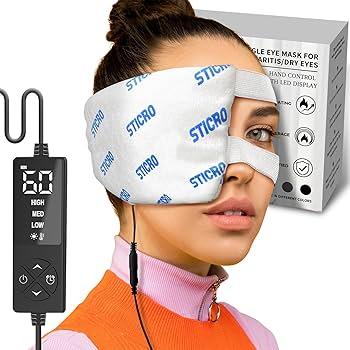
These warm compresses can also be ordered from Amazon. They come with heat settings and timer settings.
Warmth increases circulation and reduces inflammation, making this the most effective and safest treatment.
2. Hard-Boiled Egg Compress
This traditional remedy provides longer-lasting heat.
How to use:
- Hard-boil an egg for 5 minutes
- Dry it and wrap it in a clean cloth
- Hold it against the closed eyelid until it cools
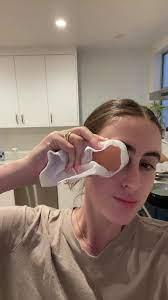
The steady heat helps the stye drain more effectively.
3. Calendula Compress
Calendula is known for its natural antiseptic and healing properties.
How to make it:
- Add 2 cups of boiled water to 2 teaspoons of dried calendula blossoms
- Steep for 20 minutes, strain, and cool
- Soak a cloth in the tea and apply as a warm compress
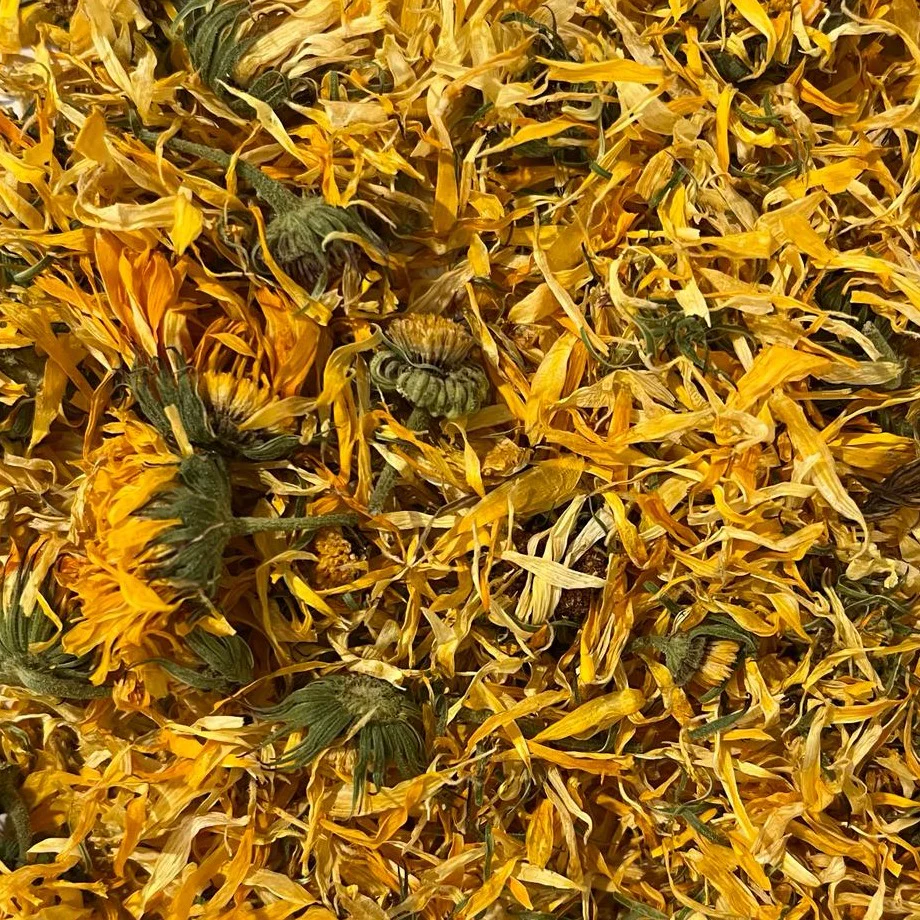
This remedy can soothe swelling and support faster healing.
4. Gentle Eyelid Cleansing
Keeping the eyelid clean prevents further bacterial buildup.
Try:
- Mixing warm water with a few drops of tear free baby shampoo
- Using a clean washcloth or cotton pad
- Wiping gently over the eyelid away from the eye
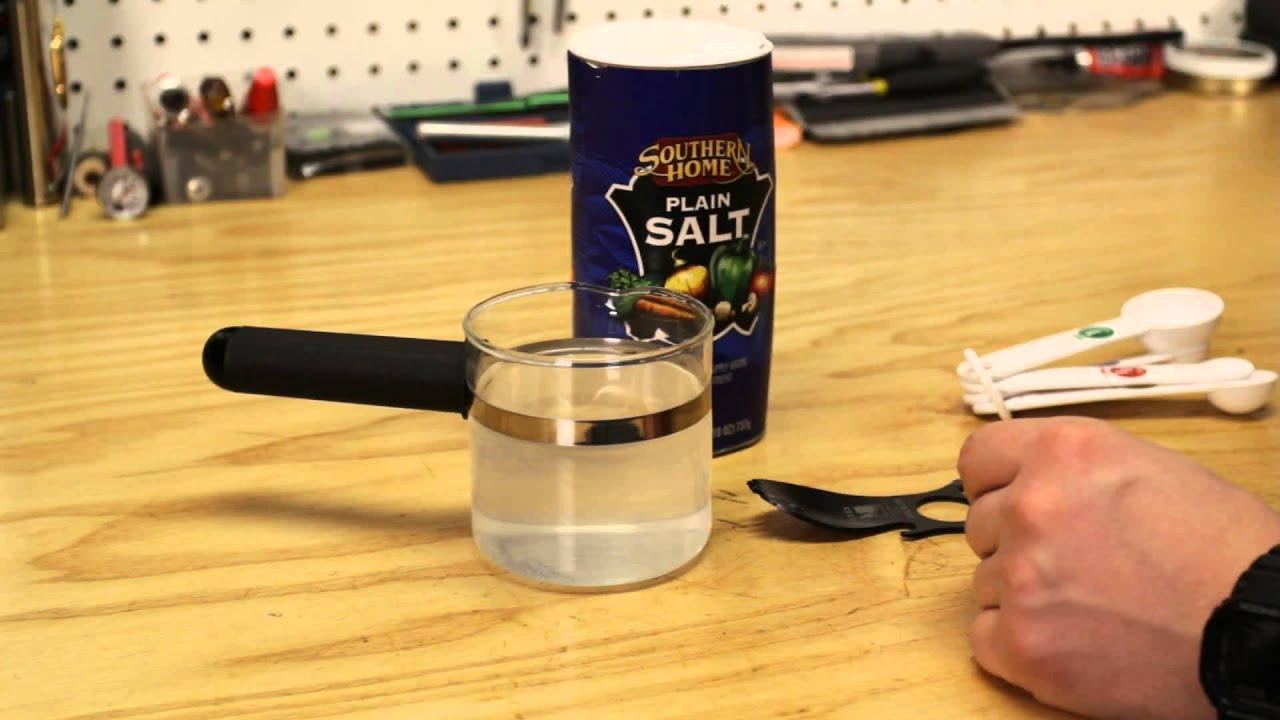
You can also clean the area with sterile saline or homemade saline (1 tsp salt + 1 cup boiled, cooled water).
5. Practice Strict Hand Hygiene
Hands introduce bacteria to the eyes.
Wash thoroughly before touching the eyelid or applying any remedy.

6. Avoid Eye Makeup
Makeup adds bacteria and slows healing.
Important:
Temporarily discontinue makeup use when you have a stye and are busy with treatment, to prevents even more irritation and bacterial contamination. Throw away any eye makeup used when the stye developed (mascara, eyeliner, eyeshadow) and clean all makeup brushes before reuse.
7. Skip Contact Lenses Temporarily
Wear glasses until the stye fully heals.
Contacts can irritate the eye and carry bacteria.
8. Gentle Eyelid Massage
After applying a warm compress, lightly massage around the stye with clean fingers to encourage drainage—never squeeze or press directly on the bump.
9. Aloe Vera or Cucumber for Cooling Relief
To ease swelling:
- Apply pure aloe vera gel around (not inside) the eyelid
- Or place chilled cucumber slices on closed eyes for 10–15 minutes
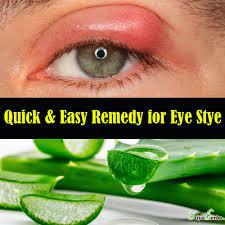
These remedies soothe irritation and reduce puffiness.
When to See a Doctor
While most styes heal quickly, seek medical help if:
- It worsens or lasts longer than 7–10 days
- It becomes very large or painful
- It affects your vision
- You develop a fever
- You get frequent, recurrent styes
Doctors may prescribe antibiotic ointments or, in some cases, drain the stye.
Preventing Future Styes
- Keep eyelids clean daily
- Remove all eye makeup before bed
- Replace eye makeup every 3 months
- Avoid rubbing eyes
- Avoid touching your eyes with unwashed hands
- Maintain good facial hygiene
Consistent eyelid care is the best long-term prevention.
Frequently Asked Questions
Q: Can I pop a stye?
A: Never. This can worsen the infection, cause scarring, or spread bacteria. Let it drain naturally.
Q: Are styes contagious?
A: The stye itself is not, but the bacteria can spread through shared towels, makeup, or pillowcases.
Q: How often should I use a warm compress?
A: 3–4 times per day for 10–15 minutes each session.
Q: Can children get styes?
A: Yes. Use the same home remedies, but supervise them closely and call a pediatrician if it doesn’t improve.
Q: What is the difference between a stye and a chalazion?
A:
- A stye is an infected oil gland: painful, red, tender
- A chalazion is a blocked oil gland without infection: painless lump
Final Thoughts
Styes are irritating but rarely serious. With the right natural remedies—especially warm compresses, eyelid hygiene, and anti-inflammatory herbs like calendula—most people notice improvement within 48–72 hours. Patience is essential. Avoid squeezing the stye, stay consistent with treatment, and support your body’s natural healing process.
With proper care, your stye should resolve smoothly and leave no lasting effects.


- News & Current Affairs
- Business & Economy
- Finance & Money
- Education & Learning
- Technology & Innovation
- Science & Environment
- Health & Wellness
- Food & Drink
- Home, Garden & Lifestyle
- Travel & Tourism
- Fashion & Beauty
- Art & Culture
- Entertainment & Media
- Sports & Recreation
- Personal Growth & Lifestyle
- Careers & Work
- Tutorials & How-To Guides
- Real Estate & Property
- Automotive
- Family & Relationships
- Environment & Sustainability
- Law & Legal Matters
- Gaming & Esports
- Religion & Spirituality
- Community & Local Voices
- Miscellaneous
- History