


The Fascinating History of the Sewing Machine: From Needle to Industry Revolution
Ever wondered how the sewing machine — a tool so common today — came to be? Its story stretches back over two centuries and is filled with innovation, rivalry, and even a little drama. Let’s take a quick journey through the fascinating history of how this ingenious invention stitched its way into everyday life.
✨ Early Beginnings: The Dream of a Machine That Could Sew
The idea of a sewing machine first appeared in the late 18th century. In 1790, English inventor Thomas Saint received the first patent for a sewing machine. Unfortunately, it’s unlikely his design was ever built, but it planted the seed for future inventors.
Fast forward to 1830, when French tailor Barthélemy Thimonnier created the first practical, working sewing machine. His version used a hooked needle that produced a chain stitch — revolutionary at the time! He even won a government contract to make military uniforms. But success came at a price — a mob of fearful tailors, worried about losing their jobs, destroyed his factory.

A few years later, in 1833, American inventor Walter Hunt designed the first lockstitch machine. Sadly, he didn’t patent it, so his design never gained recognition during his lifetime.
🧠 The Modern Sewing Machine Takes Shape
Then came Elias Howe, who, in 1845, patented a much-improved machine using an eye-pointed needle and a shuttle — the same basic mechanism modern machines still use today.
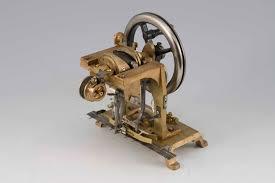
Soon after, Isaac Singer entered the scene. In the 1850s, Singer developed a more practical, user-friendly sewing machine with features like a straight needle and a moving shuttle. His model was ideal for home and factory use, turning sewing into a faster, easier process for everyone.
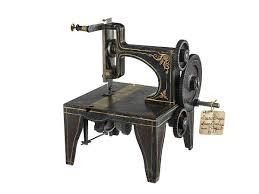
Of course, no great invention story is complete without a little courtroom drama — Howe sued Singer in 1854 for patent infringement and won! By 1856, they joined forces with other manufacturers to form the Sewing Machine Combination, a powerful patent-sharing group that controlled much of the market.
👗 Changing the Fabric of Society
The sewing machine didn’t just change fashion — it transformed society.
- Faster production: Clothes could now be made quickly and cheaply.
- Empowering women: The machine drastically reduced the hours women spent sewing by hand, giving them more free time and even job opportunities in factories.
- Birth of ready-made clothing: Factories began mass-producing garments, paving the way for the modern fashion industry.
While some tailors and seamstresses feared job loss at first, the invention ultimately created a new wave of employment and industry growth.
🪡 A Stitch in Time
From Thomas Saint’s first patent to Singer’s commercial success, the sewing machine has come a long way. What started as a simple idea to make sewing easier became a powerful tool that changed the world — one stitch at a time.
🧵 Modern Sewing Machines: From Simple Stitches to Smart Technology
The sewing machine has come a long way since its invention in the 1800s. Today’s models aren’t just about threading a needle and stitching a hem — they’re high-tech, versatile, and designed for every kind of sewing enthusiast, from beginners to professionals.
Let’s take a look at what’s available in the world of modern sewing machines today!
🪡 Basic Mechanical Machines – Simple and Reliable
If you love the feel of traditional sewing, mechanical machines are a great choice. They’re perfect for everyday projects — mending clothes, making curtains, or sewing basic garments. These models are easy to use, affordable, and built to last. No screens, no fuss — just solid, reliable stitching.
💻 Computerized Sewing Machines – Smart Stitching Made Easy
Welcome to the digital age of sewing! Computerized sewing machines make life easier with advanced features like automatic threading, programmable stitch patterns, and touchscreen controls. Many even remember your favorite settings or offer step-by-step guides right on the display.

Whether you’re crafting a custom outfit or adding decorative stitches, these machines take precision and creativity to a whole new level.
🧥 Heavy-Duty Machines – Built for Tough Fabrics
For those who love working with denim, leather, or canvas, heavy-duty sewing machines are the way to go. These powerful machines can handle thick fabrics and multiple layers with ease, making them perfect for upholstery, bags, and outdoor gear.

Durability meets strength — and they still manage to stitch smoothly without skipping a beat.
✨ Specialized Machines – Quilting, Embroidery & Overlocking
Sewing isn’t just about seams — it’s about creativity!
- Quilting machines make layering and detailed stitching easier.
- Embroidery machines let you personalize fabrics with intricate designs.
- Overlock (serger) machines give your garments a clean, professional finish by trimming and sealing fabric edges at the same time.

Each type brings a unique touch to your sewing projects, helping you craft like a pro from the comfort of home.
🧵 A Stitch Ahead
From basic mechanical models to advanced computerized and industrial versions, sewing machines have truly evolved. Whether you’re mending a tear, designing a dress, or running a small business, there’s a perfect machine out there for you — one that keeps your creativity flowing and your stitches flawless.


- News & Current Affairs
- Business & Economy
- Finance & Money
- Education & Learning
- Technology & Innovation
- Science & Environment
- Health & Wellness
- Food & Drink
- Home, Garden & Lifestyle
- Travel & Tourism
- Fashion & Beauty
- Art & Culture
- Entertainment & Media
- Sports & Recreation
- Personal Growth & Lifestyle
- Careers & Work
- Tutorials & How-To Guides
- Real Estate & Property
- Automotive
- Family & Relationships
- Environment & Sustainability
- Law & Legal Matters
- Gaming & Esports
- Religion & Spirituality
- Community & Local Voices
- Miscellaneous
- History