


Second Trimester (Weeks 13 – 27) of Pregnancy: What to Expect

The second trimester, which lasts from week 13 to about week 27, is often called the “honeymoon phase” of pregnancy. For many women, the uncomfortable symptoms of the first trimester, such as morning sickness and extreme fatigue begin to fade, and energy levels often improve.
During this time, the baby grows rapidly, and many mothers begin to show a visible baby bump as the uterus expands upward from the pelvis. It’s also an exciting stage because you may begin to feel your baby move, a sensation known as quickening, usually between 18 and 20 weeks.

Your Baby’s Development in the Second Trimester
The second trimester is a period of remarkable growth and development for your baby.
During these weeks, your baby grows from about 3 inches to over 14 inches long and begins to take on the appearance of a newborn.
Key developmental milestones include:
- Formation of hair, eyelashes, eyebrows, and nails
- Development of fingerprints
- Ability to open and close eyelids
- Development of a sucking reflex
- Rapid brain and nervous system growth
- Ability to hear sounds, including your voice
- Active movement such as kicking, stretching, and turning
By the middle of the trimester, many babies develop a sleep–wake cycle, and movements become stronger and more noticeable.
Major Developmental Milestones by Month
Month 4 (Weeks 13–16)
- Baby’s facial features become more defined
- Fingerprints form
- Baby begins moving, though movements may not yet be felt
Month 5 (Weeks 17–20)
- First noticeable baby movements (quickening)
- Baby develops fine body hair called lanugo
- Hearing begins to develop
Month 6 (Weeks 21–27)
- Baby gains weight rapidly
- Lungs begin forming airways
- Fat layers start developing under the skin
By the end of the second trimester, the baby can recognize sounds and may respond to voices or loud noises.
Changes in Your Body
While your baby is growing quickly, your body is also changing to support the pregnancy.
Common physical changes include:
- A growing belly as the uterus expands
- Gradual weight gain
- Darkening of the areolas (the skin around the nipples)
- A dark vertical line on the abdomen called linea nigra
- Increased appetite
You may also experience new pregnancy symptoms such as:
- Round ligament pain

- Backaches or pelvic discomfort
- Swelling in hands, feet, or ankles
- Varicose veins
- Stretch marks
- Increased libido
- Nasal congestion or occasional dizziness
These changes are normal and part of the body adapting to pregnancy.
Important Prenatal Check-Ups
Regular prenatal care is essential throughout pregnancy.
During the second trimester, most women will have prenatal appointments every four weeks. These visits help ensure both mother and baby are healthy.
One of the most important tests during this stage is the anatomy ultrasound, usually performed between 18 and 22 weeks. This scan checks the baby’s organs, limbs, brain, and heart to ensure proper development. It may also reveal the baby’s sex if parents choose to find out.
Other common tests may include:
- Screening for gestational diabetes
- Blood tests to check for anemia
- Screening for infections
- Rh factor testing

Staying Healthy in the Second Trimester
Although many women feel better during this trimester, maintaining a healthy lifestyle remains important.
Helpful wellness habits include:
- Regular exercise, such as walking, swimming, or prenatal yoga
- Eating a balanced, nutrient-rich diet
- Taking prenatal vitamins
- Wearing comfortable shoes and supportive clothing
- Using a maternity support belt if back pain occurs
- Drinking plenty of water
Moderate exercise for about 20–30 minutes daily can help improve circulation, reduce discomfort, and support overall well-being.

Things to Avoid During the Second Trimester
Many of the precautions from the first trimester still apply.
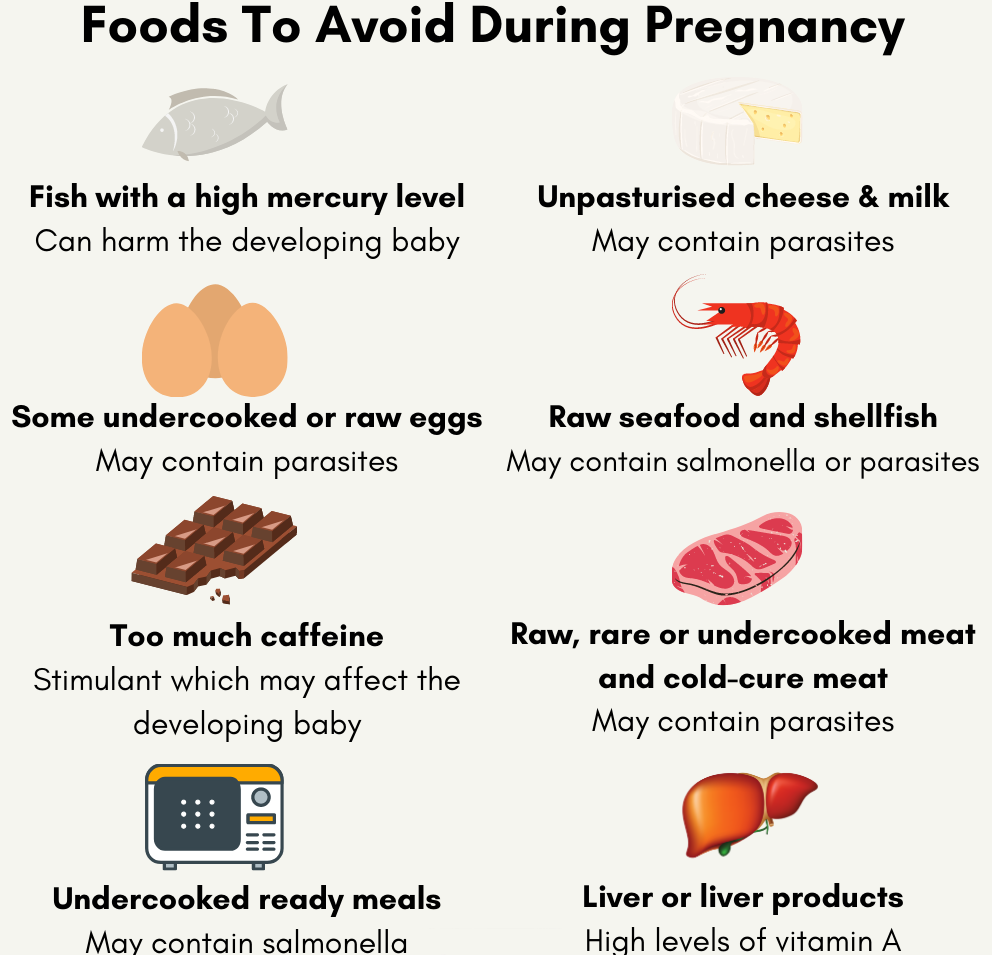
It’s important to avoid:
- Raw or undercooked meat
- Unpasteurized dairy products
- High-mercury fish
- Alcohol, smoking, and recreational drugs
- Hot tubs and saunas
- Cleaning cat litter boxes (risk of toxoplasmosis)
Sleeping on your side rather than your back is recommended later in pregnancy to support good circulation.
When to Contact Your Healthcare Provider
Although the second trimester is often comfortable, it’s important to seek medical advice if you experience unusual symptoms.
Contact your healthcare provider if you notice:
- Severe abdominal pain or cramping
- Vaginal bleeding
- Shortness of breath that worsens
- Signs of premature labor
- Sudden fluid leakage
- A noticeable decrease in fetal movement later in the trimester
Always trust your instincts if something doesn’t feel right.
Final Thoughts
The second trimester is often the most enjoyable stage of pregnancy. With increased energy, fewer early symptoms, and the excitement of feeling your baby move, many parents begin to truly connect with their growing baby during this time.
Regular prenatal care, a healthy lifestyle, and staying informed about the changes happening in your body can help ensure a smooth and healthy pregnancy journey. Every pregnancy is unique, so listening to your body and communicating with your healthcare provider are key to maintaining both maternal and baby health.

- News & Current Affairs
- Business & Economy
- Finance & Money
- Education & Learning
- Technology & Innovation
- Science & Environment
- Health & Wellness
- Food & Drink
- Home, Garden & Lifestyle
- Travel & Tourism
- Fashion & Beauty
- Art & Culture
- Entertainment & Media
- Sports & Recreation
- Personal Growth & Lifestyle
- Careers & Work
- Tutorials & How-To Guides
- Real Estate & Property
- Automotive
- Family & Relationships
- Environment & Sustainability
- Law & Legal Matters
- Gaming & Esports
- Religion & Spirituality
- Community & Local Voices
- Miscellaneous
- History