


How to Protect Your Garden from Strong Winds: Create a Natural Windbreak

Strong winds can cause serious damage to plants. Just think about how you feel when you are battered by a relentless gale. Now imagine what your poor plants must feel like! Strong winds can do serious damage — tearing leaves, snapping branches, drying out soil, and even uprooting entire plants. Wind doesn’t just mess up your garden’s look; it actually stresses plants by dehydrating both their leaves and roots, often leaving them with what gardeners call “windburn.”
But here’s the good news: if you live in a windy area, you can protect your garden naturally by planting a windbreak — a living barrier made up of hardy, wind-resistant plants. With a bit of planning and patience, you’ll have a lush, protective green wall that shields your garden from the worst gusts.
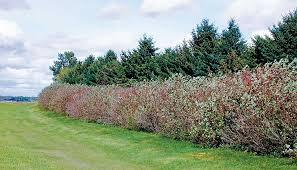
🌱 What Is a Natural Windbreak?
A natural windbreak is simply a group of tough, wind-resistant plants arranged in layers (or “steps”) to slow down and filter the wind before it hits your more delicate plants. The idea is to reduce the wind’s force gradually rather than stopping it abruptly, which could actually cause more turbulence.
If you’ve got the space, try creating a stepped windbreak. This method uses plants of different heights — from low ground covers to taller shrubs and small trees — planted in rows. The smaller plants protect the base, while the larger ones handle the heavy wind higher up.

🌿 Step-by-Step Guide to a Layered Windbreak
Step 1: Low Ground Covers
Start with hardy ground-huggers that can handle wind and salt spray.
-
Aptenia (Ice Plant)
-
Gazania
-
Sour Fig
Step 2: Medium Ground Covers
These fill in the middle layer, offering more structure.
-
Asparagus Fern
-
Shore Juniper
-
Dwarf Natal Plum
-
Statice (Sea Lavender)
-
Creeping Juniper
Step 3: Medium Shrubs
Now we’re getting taller! These plants form the bulk of your wind barrier.
-
Rosemary
-
Cigarette Bush
-
Thatching Reed
-
Flax
-
Westringia (Australian Rosemary)
-
Chrysanthemoides (Bush-tick Berry)
-
Metalasia (White Bristle Bush)
Step 4: Larger Shrubs
These create height and solid protection.
-
Natal Plum
-
Dune Crowberry
-
Krantz Aloe
-
Mirror Bush
-
Indian Hawthorn
-
Oleander (note: poisonous)
-
Fire Thorn
Step 5: Large Shrubs and Trees
The final step — tall, strong plants that take the brunt of the wind.
-
Camphor Bush
-
Sand Olive
-
Tea Tree
-
Coastal Silver Oak
-
Water Pear

🌻 Planting and Care Tips
Before you start planting, prepare your soil well. Add lots of compost and organic fertilizer to help your plants establish strong roots.
If you want fast results, plant your shrubs close together — you can always thin them out later. For long-term growth, spacing them about 1.5 metres apart works best.
Don’t worry if you don’t see much happening in the first year. Once the plants make it through their first winter, you’ll notice a burst of new growth. Just keep up with regular watering and feeding, and soon enough, you’ll have a thriving, green windbreak protecting your garden from those fierce gusts.

💡 Final Thoughts
A natural windbreak doesn’t just shield your plants — it creates a beautiful, layered landscape that supports biodiversity and adds texture to your garden. With the right combination of hardy plants and a little patience, you’ll turn your windy garden into a calm, green oasis in no time.


- News & Current Affairs
- Business & Economy
- Finance & Money
- Education & Learning
- Technology & Innovation
- Science & Environment
- Health & Wellness
- Food & Drink
- Home, Garden & Lifestyle
- Travel & Tourism
- Fashion & Beauty
- Art & Culture
- Entertainment & Media
- Sports & Recreation
- Personal Growth & Lifestyle
- Careers & Work
- Tutorials & How-To Guides
- Real Estate & Property
- Automotive
- Family & Relationships
- Environment & Sustainability
- Law & Legal Matters
- Gaming & Esports
- Religion & Spirituality
- Community & Local Voices
- Miscellaneous
- History

