


How to Treat Burns and Scalds at Home and When to Call for Help

Burns are among the most common household injuries, ranging from mild first-degree burns to severe fourth-degree burns that require emergency medical care. Knowing how to treat a burn properly — and when to seek help — can make all the difference in healing and recovery.
🔥 Types of Burns and Their Severity
Burns are categorized based on how deeply they damage the skin:
First-Degree Burns (Superficial Burns)
These affect only the outer layer of skin (epidermis). The skin may appear red, swollen, and painful but without blisters. First-degree burns are mild and can often be treated safely at home.
Second-Degree Burns (Partial-Thickness Burns)
These burns damage the first and second layers of skin. They cause redness, blistering, and sometimes a wet, shiny appearance. These burns can be painful and may need medical attention.
Third-Degree Burns (Full-Thickness Burns)
These burns extend through all layers of the skin, sometimes reaching the fat layer below. The skin may look brown, black, or white, and feel dry and leathery. Because nerves may be destroyed, there may be little or no pain.
Fourth-Degree Burns
The most severe type of burn, these can damage muscles, joints, and bones. They are life-threatening and require immediate hospital treatment.
⚠️ Never attempt to treat third- or fourth-degree burns at home. These require hospital care due to the risk of infection, blood loss, and shock.

🔥 Common Causes of Burns
Burns can happen in many different ways — not just from open flames. Understanding what causes them can help you prevent accidents at home, work, or outdoors.
Here are some of the most common causes of burns:
1. Heat and Flames
Direct contact with hot objects, open flames, boiling liquids, or steam is one of the leading causes of burns. Everyday items like stoves, irons, kettles, and even hot drinks can cause painful scalds or blisters within seconds.

2. Chemical Burns
Certain strong cleaning agents, industrial solvents, and acids or alkalis can cause severe chemical burns if they touch the skin or eyes. Always wear protective gloves and ensure good ventilation when handling these products.
3. Electrical Burns
Exposure to electrical current — even from household wiring or faulty appliances — can lead to serious burns and internal injuries. Electrical burns often cause more damage beneath the skin than what appears on the surface.

4. Sunburn
Prolonged exposure to the sun’s ultraviolet (UV) rays can result in sunburn, which is actually a type of first-degree or second-degree burn. Protect your skin with sunscreen, hats, and shade during peak sunlight hours.
5. Friction Burns
Rubbing against rough or hard surfaces, such as asphalt or carpet, can cause friction burns. These occur when the skin scrapes away due to force and heat from friction — common in road accidents or sports injuries.
🌿 Home Remedies for Minor Burns
You can treat most first-degree burns at home with simple, natural remedies.
1. Cool Water
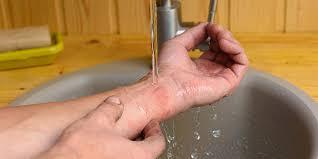
The first step after getting a minor burn is to run cool (not cold) water over the area for about 20 minutes. This helps reduce pain, swelling, and heat.
❌ Never use ice or freezing water — it can worsen tissue damage.
2. Cool Compresses
Place a clean, damp, cool cloth on the burn to soothe pain and reduce inflammation. Apply for 10 minutes at a time. Avoid pressing too hard or using very cold compresses.
3. Aloe Vera Gel
Aloe vera is one of the best natural burn remedies. It cools the skin, promotes healing, and helps prevent infection.
-
Apply pure aloe vera gel directly from the plant leaf, or use a store-bought gel with 100% of aloe vera.
-
Avoid products with added colors, alcohol, or perfumes.

4. Medical-Grade Honey
Honey has powerful antimicrobial and healing properties. Medical-grade honey can help prevent infection and speed healing.
-
Do not use regular kitchen honey on burns — it may contain bacteria.

5. Protect and Relieve Pain
If blisters form, do not pop them. Cover the area with a sterile, light, loose, non fluffy non-stick bandage to protect it. For pain, you can take ibuprofen (Advil, Motrin) or acetaminophen (Tylenol) following label directions.
BURNSHIELD KIT
Burnshield is a sterile hydrogel dressing specially designed to treat minor burns and scalds. It provides instant cooling relief, helping to soothe the skin, reduce pain, and minimize further damage right after a burn occurs.
The gel works by absorbing and dissipating heat from the affected area, which helps stop the burning process and protect the underlying tissue. It’s non-stick, meaning it won’t cling to the skin or wound, making it easier and less painful to remove when changing dressings.
Another great benefit of Burnshield is its natural antibacterial properties, which help prevent infection and promote cleaner, faster healing.
Burnshield is safe for use on children and can be applied to all types of burns, including:
-
🔥 Thermal burns (from heat, flames, or hot liquids)
-
⚗️ Chemical burns (from cleaning agents or industrial chemicals)
-
⚡ Electrical burns
-
☀️ Radiation burns (including sunburn)
Whether kept in your first-aid kit at home, in the car, or on outdoor adventures, Burnshield is a must-have for quick and effective burn treatment.


🚫 Things to Avoid When Treating Burns
Avoid using the following on burns, as they can trap heat, irritate the skin, or increase infection risk:
-
Ice or iced water

-
Butter or oily substances
-
Toothpaste

-
Adhesive bandages
-
Scented or greasy creams
-
Ointments that seal in heat
🚑 When to Call an Ambulance
Not all burns can be treated at home. Seek medical care if:
-
The burn is chemical or electrical
-
It covers an area larger than your hand
-
It affects the face, neck, hands, feet, genitals, or joints

-
The person is under 10 years old
-
The burn is deep, even if painless
-
The skin looks leathery, white, brown, or black

-
The person has diabetes, heart disease, liver disease, or lung disease
-
The person has a weakened immune system (HIV, chemotherapy, etc.)
-
There are signs of shock such as:
-
Sweating, clammy skin
-
Shallow or rapid breathing
-
Dizziness or fainting
-
Weakness or confusion
-
-
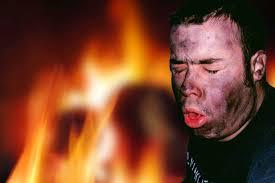
There is concern of smoke inhalation or breathing difficulty
⚡ Electrical and Chemical Burns
Burns from electric shock or chemical exposure are medical emergencies. They often cause damage beneath the skin, including internal tissues, nerves, and organs — even if the surface burn looks minor.

👉 Call emergency services immediately.
🩹 What to Do While Waiting for Help
If the burn is serious and you’re waiting for an ambulance:
-
Remove the source of the burn.
-
If clothing is on fire, stop, drop, and roll or cover with a blanket.
-
Turn off electricity if applicable.
-
For chemical burns, remove contaminated clothing and rinse the area with cool running water for up to 60 minutes.

-
-
-
Cool the burn with running water for at least 20 minutes.
-
Remove jewelry or tight clothing before swelling begins — unless it’s stuck to the burn.
-
Cover the burn with a light, non-stick dressing or plastic cling film.

5. If possible, elevate the affected limb to reduce swelling.
💉 Don’t Forget the Tetanus Shot
If you’ve had a burn, make sure your tetanus vaccination is up to date. Doctors recommend a tetanus booster every 10 years, as burns can increase the risk of infection.

⚠️ Possible Complications of Burns
Large or deep burns can lead to:
-
Infections, including blood infections (sepsis)
-
Fluid loss, leading to dehydration
-
Low body temperature (hypothermia)
-
Scarring and joint stiffness during recovery

🌞 The Bottom Line
For minor burns, gentle natural remedies such as cool water, aloe vera, and medical-grade honey can soothe pain and promote healing. Avoid harsh or greasy products, keep the burn clean and covered, and protect healing skin from the sun.
Seek medical help immediately if the burn is large, deep, caused by electricity or chemicals, or affects sensitive areas of the body.
Proper care — whether at home or with medical help — ensures faster healing, fewer complications, and healthier skin recovery.


- News & Current Affairs
- Business & Economy
- Finance & Money
- Education & Learning
- Technology & Innovation
- Science & Environment
- Health & Wellness
- Food & Drink
- Home, Garden & Lifestyle
- Travel & Tourism
- Fashion & Beauty
- Art & Culture
- Entertainment & Media
- Sports & Recreation
- Personal Growth & Lifestyle
- Careers & Work
- Tutorials & How-To Guides
- Real Estate & Property
- Automotive
- Family & Relationships
- Environment & Sustainability
- Law & Legal Matters
- Gaming & Esports
- Religion & Spirituality
- Community & Local Voices
- Miscellaneous
- History

