


Third Trimester of Pregnancy: The Final Stretch Before Baby Arrives

The third trimester begins at around 28 weeks and continues until birth, usually around weeks 39 to 40. It is often called the home stretch because both you and your baby are preparing for delivery. During these final weeks, the baby gains weight quickly, the organs continue maturing, and your body goes through noticeable physical and emotional changes.
It is completely normal to feel a mixture of excitement, tiredness, anticipation, and even a little nervousness as your due date gets closer.
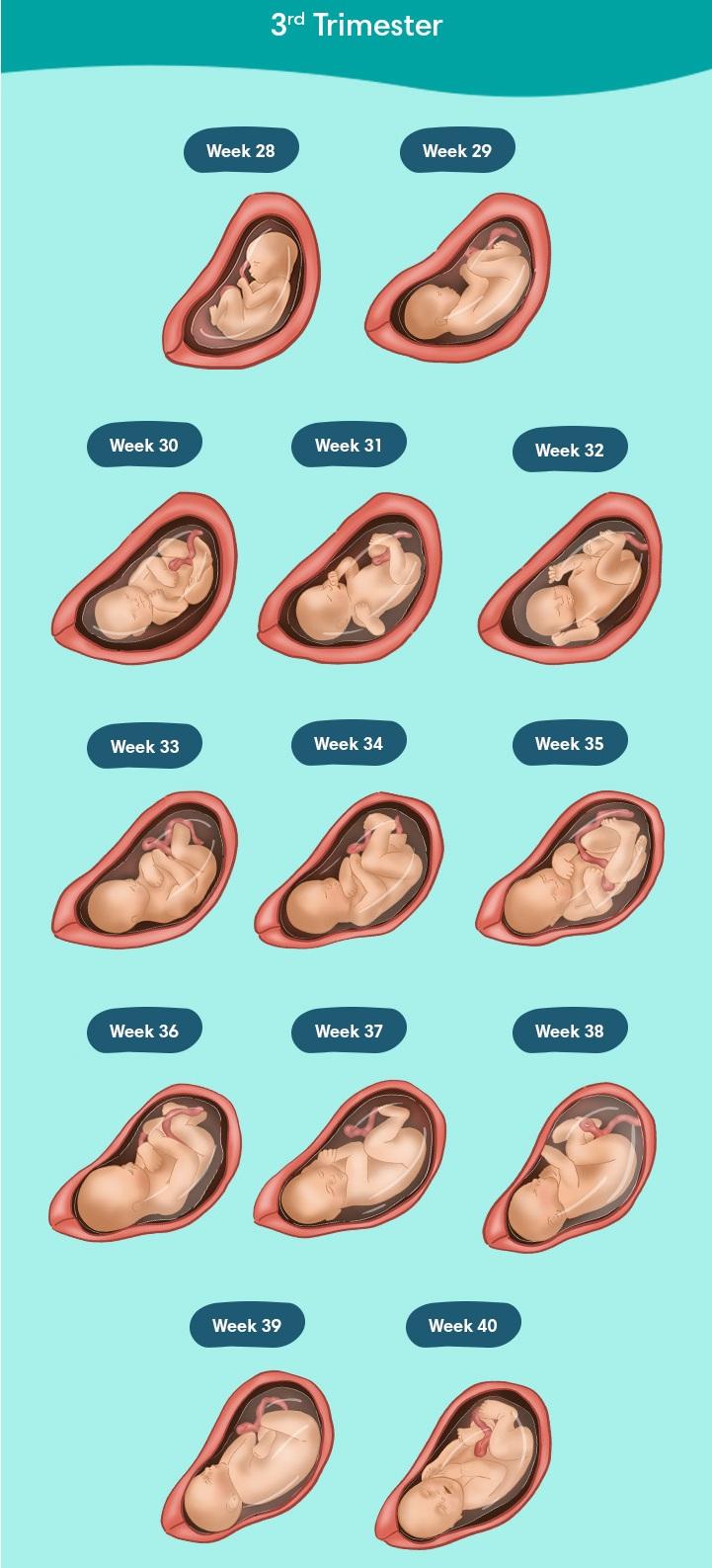
Your Baby’s Development in the Third Trimester
During this trimester, your baby grows rapidly and prepares for life outside the womb. The baby gains more than half of its body weight during these final months, while the major organs continue maturing. Most babies also gradually move into a head-down position in preparation for birth.
Around Week 28
Your baby’s eyelids can open more, movement becomes stronger, and the brain and nervous system continue developing rapidly.
Weeks 29–32
Weight gain increases, bones become more developed, and the baby begins storing additional body fat for warmth.
Weeks 33–36
Brain development accelerates, the pupils respond to light, and many babies begin settling into their birth position.
Weeks 37–40
The baby is approaching full term. The lungs and other organs continue their final maturation, and the head may move lower into the pelvis in preparation for labour.
Changes You May Notice in Your Body
As your baby grows, there is less room inside your abdomen, so the third trimester may bring more aches, pressure, and tiredness. Common symptoms include Braxton Hicks contractions, shortness of breath, frequent urination, heartburn, swelling, varicose veins, hemorrhoids, and difficulty sleeping.
Braxton Hicks Contractions
These “practice contractions” are usually irregular and do not steadily become stronger or closer together like true labour contractions.
Braxton Hicks vs. Real Labor
- Pattern: Braxton Hicks are irregular; real labor contractions are regular.
- Frequency: Braxton Hicks stay spaced out; real contractions get closer together.
- Intensity: Braxton Hicks often stay mild or fade; real contractions become stronger and more painful.
- Movement: Braxton Hicks may stop with rest or a position change; real labor usually continues.
- Location: Braxton Hicks are often felt in the front; real labor may begin in the lower back and move toward the abdomen.
Relief Tips
- Change position or activity - rest if active, or take a gentle walk if sitting.
- Empty your bladder regularly.
- Relax with a warm bath or slow, deep breathing.
Shortness of Breath
Your growing uterus can push upward beneath your rib cage, making it more difficult to take a deep breath.
Relief Tips
- Stand tall to give your lungs more room.
- Prop yourself up with pillows when sleeping.
- Slow down and rest when you feel breathless.
- Breathing may ease once your baby drops lower into the pelvis.
Frequent Urination
As your baby moves lower, increased pressure on the bladder can mean more trips to the bathroom and occasionally some urine leakage when coughing, sneezing, or laughing.
Relief Tips
- Lean forward when urinating to help empty your bladder.
- Practice Kegel exercises to strengthen pelvic floor muscles.
- Stay well hydrated throughout the day.
- Reduce fluids before bedtime to limit nighttime bathroom trips.
- Limit caffeine and fizzy drinks if they irritate your bladder.
Heartburn and Indigestion
Pregnancy hormones can slow digestion while the uterus presses against the stomach and intestines.
Relief Tips
- Eat smaller meals and chew slowly.
- Drink between meals rather than with them.
- Limit spicy, fatty, acidic foods, caffeine and chocolate.
- Stay upright after eating and avoid lying down for about three hours.
- Sleep slightly elevated and wear loose clothing.
- Try sugar-free gum after meals.
- Ask your healthcare provider which antacids are safe during pregnancy, and separate antacids from iron or folic acid supplements as advised.
Swelling
Mild swelling of the feet and ankles can occur during late pregnancy. However, sudden or severe swelling, especially together with severe headache or other concerning symptoms, should be reported to your healthcare provider.
Relief Tips
- Elevate your feet when resting.
- Stay well hydrated throughout the day.
- Keep moving with gentle walks and regular position changes.
- Wear comfortable shoes and loose-fitting socks.
- Rest on your left side to support healthy circulation.
Varicose Veins
During pregnancy, increased blood volume, hormonal changes and pressure from the growing uterus can slow blood flow through the veins, causing or worsening varicose veins in the legs or vulva, as well as hemorrhoids.
Relief Tips
- Elevate your legs whenever possible.
- Sleep on your left side to ease pressure on major veins.
- Wear maternity compression stockings for added support.
- Change positions regularly and avoid prolonged sitting or standing.
- Take gentle walks to encourage healthy circulation.
Hemorrhoids
Hemorrhoids are common during the third trimester, as the growing baby, increased blood volume and constipation place extra pressure on the veins around the rectum. They may cause swelling, itching, discomfort or bleeding, but often improve naturally after childbirth.
Relief Tips
- Warm sitz baths for 10–15 minutes can soothe discomfort.
- Cool compresses or witch hazel pads may reduce swelling.
- Eat more fiber and drink plenty of water to prevent constipation.
- Avoid sitting or standing too long and rest on your side.
- Take a walk - 20–30 minute walk each day if comfortable to help with constipation.
- Use a small footstool under your feet to lean forward to make bowel movements easier.
Difficulty Sleeping
Third trimester insomnia is very common, often caused by a growing belly, back pain, heartburn, frequent bathroom trips, active baby movements and worries about the upcoming birth.
Relief Tips
- Sleep on your left side for comfort and circulation.
- Use pillows to support your belly, back and knees.
- Elevate your upper body if heartburn bothers you.
- Stretch gently before bed to ease leg cramps.
- Get up and relax quietly if you can’t fall asleep.
- Speak to your healthcare provider about persistent pain or sleep problems.
Back and Pelvic Pain
Pregnancy hormones loosen connective tissues while the growing uterus changes posture and places additional strain on the lower back and pelvis.
Relief Tips
- Maintain good posture and balance your weight evenly.
- Sleep on your side with a pillow between your knees.
- Bend your knees when lifting and avoid twisting your back.
- Wear supportive shoes or consider a maternity support belt.
- Use gentle warmth such as a warm bath or heating pad.
- Gentle walking, stretching and comfortable seating may help.

Prenatal Care Becomes More Frequent
Regular antenatal appointments are especially important in the third trimester.
For many uncomplicated pregnancies, appointments are typically scheduled:
- Every two weeks until around week 36
- Weekly during the final weeks before birth
Your healthcare provider check your blood pressure, weight, urine, fetal heart rate, baby's position and size, and fundal height.
A Group B Streptococcus (GBS) screening is commonly performed around 36 weeks. GBS is a common bacterium carried by many healthy adults. A positive test does not mean you or your baby are sick, but GBS can sometimes pass to the baby during birth and cause serious infection.
If you test positive, IV antibiotics are usually given during labor to greatly reduce the risk of GBS infection in your newborn.
Getting to Know Your Baby’s Movements
One of the most special parts of the third trimester is feeling your baby kick, roll, stretch, and move.
Rather than comparing movement with someone else's pregnancy, become familiar with your baby's usual pattern. Movements should continue throughout the third trimester, although they may feel different as space becomes more limited.
If your baby is moving noticeably less than usual, contact your maternity care provider promptly. Decreased fetal movement is one of the symptoms that should be reported during the final months of pregnancy.
Staying Healthy During the Final Months
Your body may naturally slow down, but gentle activity can still be beneficial if your healthcare provider has not advised otherwise.
Good choices may include:
- Walking
- Swimming
- Prenatal yoga
- Gentle stretching
Continue eating nutritious, balanced meals, drinking plenty of water, attending prenatal appointments, and asking for help when you need it.

Preparing for Baby
The third trimester is also the perfect time to finish your practical preparations.
Prepare Your Birth Plan
Think about your preferences for labour and delivery, including:
- Where you would like to give birth
- Who you would like with you
- Pain-relief preferences
- Labour and delivery preferences
A birth plan is a guide rather than a guarantee. Medical circumstances can change, so staying flexible is important.
Pack Your Hospital Bag
Preparing your bag early can provide peace of mind. Include comfortable clothing, toiletries, baby clothes, important documents, and anything recommended by your maternity unit.
Prepare the Baby’s Sleeping Space
Set up a safe sleeping area and organise the basic items your baby will need. There is no need for everything to be perfect before your baby arrives.
Consider Antenatal Classes
Childbirth, breastfeeding, infant CPR, and newborn-care classes can help you feel more confident and prepared.

The Nesting Instinct
You may suddenly feel an urge to clean, organise, wash baby clothes, or rearrange the house. This is commonly known as nesting. Some people experience it strongly while others never experience it at all, and both are completely normal.
Try not to exhaust yourself trying to create the “perfect” nursery. Your rest and well-being matter too.
Looking After Your Emotional Health
Pregnancy is not only physically demanding. As your due date approaches, you may feel excited one moment and worried the next.
Concerns about labour, becoming a parent, or adapting to life with a newborn are common. Taking time to relax, talking about your worries, listening to music, journaling, or speaking with your healthcare provider can help.
Understanding the Signs of Labour
Knowing what to look for can make the final weeks feel less uncertain.
Possible signs that labour is beginning include:
- Contractions becoming progressively stronger, longer, and closer together
- Your waters breaking
- A bloody show
- Loss of the mucus plug
Losing your mucus plug does not necessarily mean labour will begin immediately.
When to Contact Your Healthcare Provider
Seek medical advice promptly if you experience:
- Vaginal bleeding
- A noticeable decrease in your baby's movements
- Severe abdominal pain or cramping
- Severe or persistent headache
- Dizziness
- Painful contractions or signs of preterm labour
- Your waters breaking
- Any symptom that feels unusual or worrying
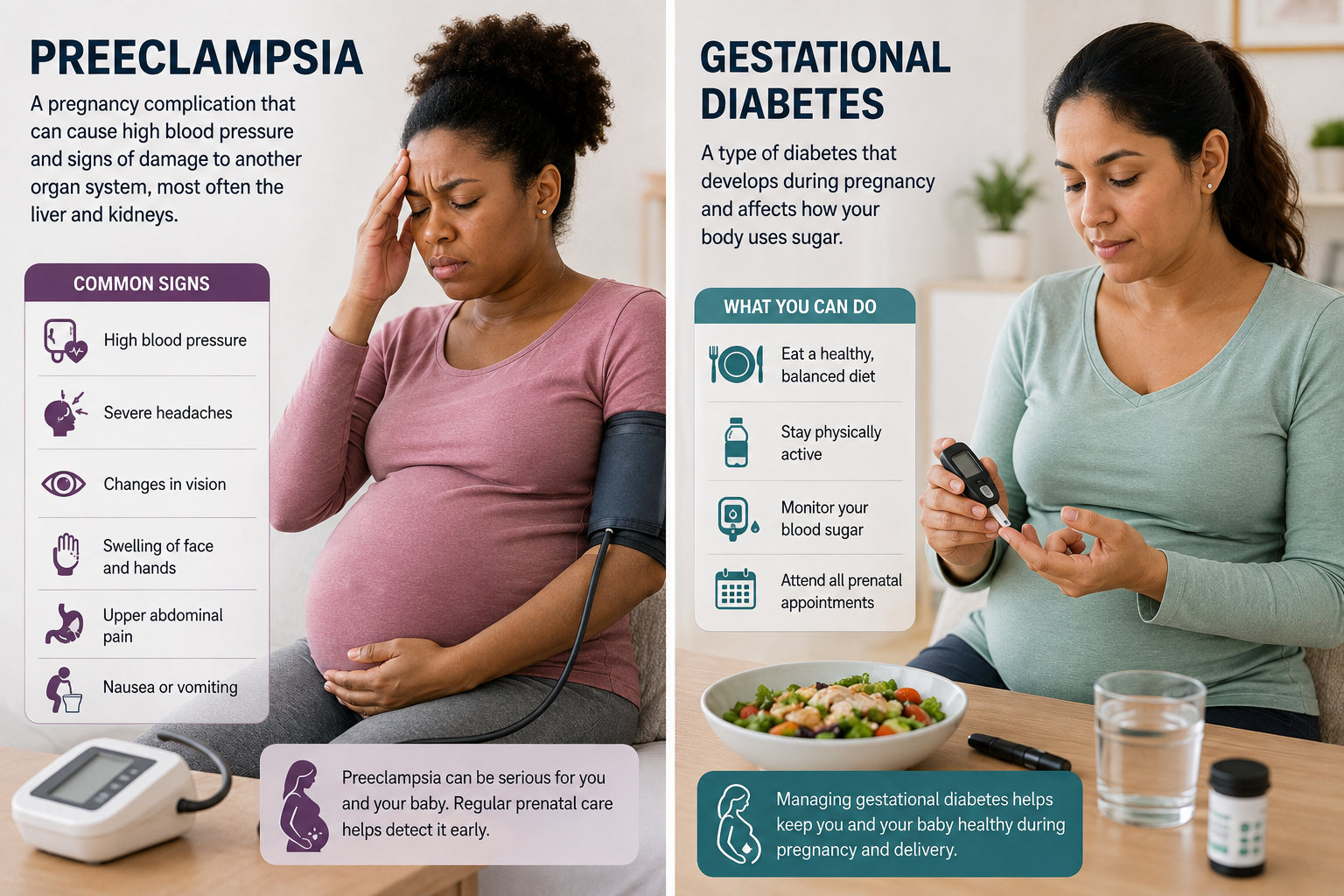
The third trimester is also a time when complications such as preeclampsia, gestational diabetes, preterm labour, premature rupture of membranes, growth restriction, or breech presentation may need monitoring.
Final Thoughts
The third trimester is an extraordinary combination of waiting, growing, preparing, and wondering when the big moment will finally arrive.
There may be uncomfortable days, sleepless nights, and plenty of trips to the bathroom, but there are also special moments: watching your belly move, preparing tiny clothes, talking to your baby, and realising that very soon you will finally meet the little person you have been carrying all these months.
Take these final weeks one day at a time. Rest when you need to, accept help, keep attending your prenatal appointments, and never hesitate to contact your healthcare provider if something does not feel right.


- News & Current Affairs
- Business & Economy
- Finance & Money
- Education & Learning
- Technology & Innovation
- Science & Environment
- Health & Wellness
- Food & Drink
- Home, Garden & Lifestyle
- Travel & Tourism
- Fashion & Beauty
- Art & Culture
- Entertainment & Media
- Sports & Recreation
- Personal Growth & Lifestyle
- Careers & Work
- Tutorials & How-To Guides
- Real Estate & Property
- Automotive
- Family & Relationships
- Environment & Sustainability
- Law & Legal Matters
- Gaming & Esports
- Religion & Spirituality
- Community & Local Voices
- Miscellaneous
- History