


The Remarkable History of Platinum: From Ancient Civilizations to Modern Science

Although platinum is often considered a “modern” precious metal, its story stretches back thousands of years. From ancient Egyptian jewelry to South American ceremonial art, and from early European skepticism to royal admiration and scientific discovery, platinum’s journey is one of persistence, mystery, and prestige.
Today, platinum stands as one of the world’s most valuable and versatile metals, but its rise to prominence took centuries.
Ancient Origins of Platinum
Early Civilizations and the Mysterious White Metal
Long before platinum was officially recognized as a chemical element, ancient civilizations were already using it, sometimes without even realizing it.
- Ancient Egyptians (c. 1200 BCE) unknowingly included platinum in gold alloys when crafting fine jewelry and ceremonial objects. Traces of platinum have been found in artifacts such as the Casket of Thebes.

- Pre-Columbian cultures in South America (c. 100 BCE – 1500 CE), particularly in modern-day Colombia and Ecuador, deliberately worked with platinum to create ceremonial jewelry, including nose rings and ornaments. Despite the metal’s high melting point, these cultures developed advanced techniques to shape it.
European Discovery and Early Misunderstanding
“Little Silver” and a Mining Nuisance
When Spanish conquistadors encountered platinum in South America in the 16th century, they were unimpressed. Found in riverbeds while searching for gold, the strange white metal was difficult to melt and refine. They called it “platina”, meaning little silver, and often discarded it as an impurity.
In 1557, scholar Julius Caesar Scaliger described the metal as something new and impossible to melt using conventional methods. But it wasn’t until Antonio de Ulloa brought samples back to Europe in 1735 that platinum began to attract serious scientific attention.
In 1741, Jamaican metallurgist Charles Wood studied mysterious platinum samples from South America and secretly brought them to England to continue his research. By 1749, he had expanded his experiments and became convinced that platinum was not a form of silver or gold, but an entirely new metal.

In 1750, Wood presented his findings to the Royal Society of England, helping to establish platinum as a distinct chemical element and sparking serious scientific interest in the rare white metal.
In 1751, Swedish scientist Theophil Scheffer formally recognized platinum as a unique element, paving the way for further study and refinement.
From Nuisance to Royal Treasure
By the late 18th century, platinum’s reputation had transformed. French physicist Pierre-François Chabaneau succeeded in producing malleable platinum in 1789, creating a chalice for Pope Pius VI.
Soon after, King Louis XVI of France famously declared platinum to be “the only metal fit for kings,” elevating its status across Europe.
The Rise of Platinum in the Modern Era: Rare, Valuable, and In Demand
Platinum is a chemical element with the symbol Pt and atomic number 78. It is prized for being durable, non-reactive, malleable, and naturally white, making it ideal for luxury jewellery that does not tarnish or wear down.
Most of the world’s platinum comes from the Bushveld Complex in South Africa, which holds around 75% of known global reserves, with Russia as the second-largest producer. Smaller deposits exist in Colombia, Zimbabwe, Canada, the United States, and India. Interestingly, platinum is also found in meteorites and on the Moon.

Scientific Breakthroughs
In the early 1800s, British chemist William Hyde Wollaston developed methods to refine pure platinum and separate it from related metals such as palladium and rhodium. His techniques laid the foundation for modern platinum metallurgy and the discovery of the Platinum Group Metals (PGMs).
The invention of advanced melting tools, such as the oxy-hydrogen blowpipe, finally allowed platinum to be shaped efficiently, opening the door to widespread industrial use.

Industrial and Technological Uses
By the 19th and 20th centuries, platinum had become indispensable in science and industry. Its resistance to heat and corrosion made it ideal for:
- Scientific instruments

- Glass manufacturing
- Industrial machinery
In the modern world, platinum is essential for:
- Catalytic converters (reducing vehicle emissions)
- Electronics and hard drives
- Medical devices and chemotherapy drugs
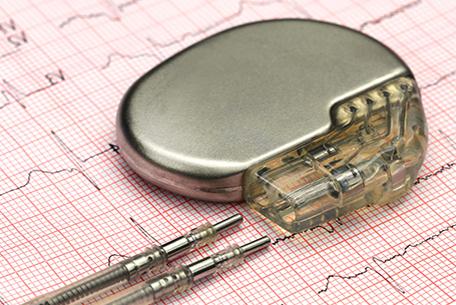
- Dentistry equipment
- Fine jewellery
Fun Facts About Platinum
- Platinum develops a beautiful patina over time instead of wearing away.
- It is rarer than gold and often more expensive.
- In marketing and finance, “platinum” represents the highest status level.
- Like gold, platinum is widely used as an investment metal.
- Ancient Egyptians used platinum decoratively just as we do today.
Final Thoughts
Platinum’s story is one of rediscovery and reinvention. Once dismissed as a useless impurity, it is now one of the world’s most precious and technologically important metals. From ancient ceremonial jewellery to cutting-edge medical treatments and green technologies, platinum continues to shape the modern world.
Its rarity, durability, and beauty ensure that platinum will remain a symbol of prestige, and a cornerstone of innovation, for generations to come.

- News & Current Affairs
- Business & Economy
- Finance & Money
- Education & Learning
- Technology & Innovation
- Science & Environment
- Health & Wellness
- Food & Drink
- Home, Garden & Lifestyle
- Travel & Tourism
- Fashion & Beauty
- Art & Culture
- Entertainment & Media
- Sports & Recreation
- Personal Growth & Lifestyle
- Careers & Work
- Tutorials & How-To Guides
- Real Estate & Property
- Automotive
- Family & Relationships
- Environment & Sustainability
- Law & Legal Matters
- Gaming & Esports
- Religion & Spirituality
- Community & Local Voices
- Miscellaneous
- History

