

Avoiding Food Hazards in Pregnancy: Keeping You and Your Baby Safe

During pregnancy - especially in the first trimester, your body is more vulnerable to food-borne infections that can be passed to your baby through the placenta. This happens because pregnancy naturally lowers your immune defences due to hormonal, metabolic, and circulatory changes.
The good news is that by following a few simple food safety rules, you can enjoy meals that are both nutritious and safe for you and your baby.
Why Food Safety Matters in Pregnancy
Certain bacteria and their toxins can enter your bloodstream through contaminated food and reach your baby via the placenta. While serious complications are rare, infections such as listeriosis, salmonellosis, and toxoplasmosis can have serious consequences during pregnancy, including miscarriage, premature labour, or newborn infection.
Prevention starts with smart shopping, careful food preparation, and knowing which foods to avoid.
Smart Food Shopping Tips
- Choose dairy products, meat, poultry, and fish with the longest best-before dates
- Select refrigerated and frozen foods at the end of your shopping trip to minimise time out of the fridge
- Avoid foods with damaged packaging, such as dented cans or torn plastic

- Never eat food past its use-by or best-before date
Organic vs Non-Organic Foods
Organic foods are grown without synthetic pesticides and herbicides, which appeals to many people concerned about environmental and chemical exposure. However, conventionally produced foods are also safe, as chemical use is strictly regulated.
You can reduce pesticide residues by:
- Thoroughly washing fruits and vegetables

- Peeling when appropriate
Organic food is a personal choice. It is usually more expensive and does not necessarily contain more protein, fibre, or nutrients than non-organic alternatives.
Hygienic Food Preparation: Essential Rules
Always:
- Refrigerate or freeze chilled and frozen foods immediately after shopping
- Cover cooked leftovers and refrigerate once cooled
- Store raw and cooked foods separately
- Keep raw meat and poultry on the bottom shelf of the fridge
- Wash hands, utensils, and surfaces before and after food preparation
- Use separate chopping boards for raw meat and other foods

Cooking and reheating:
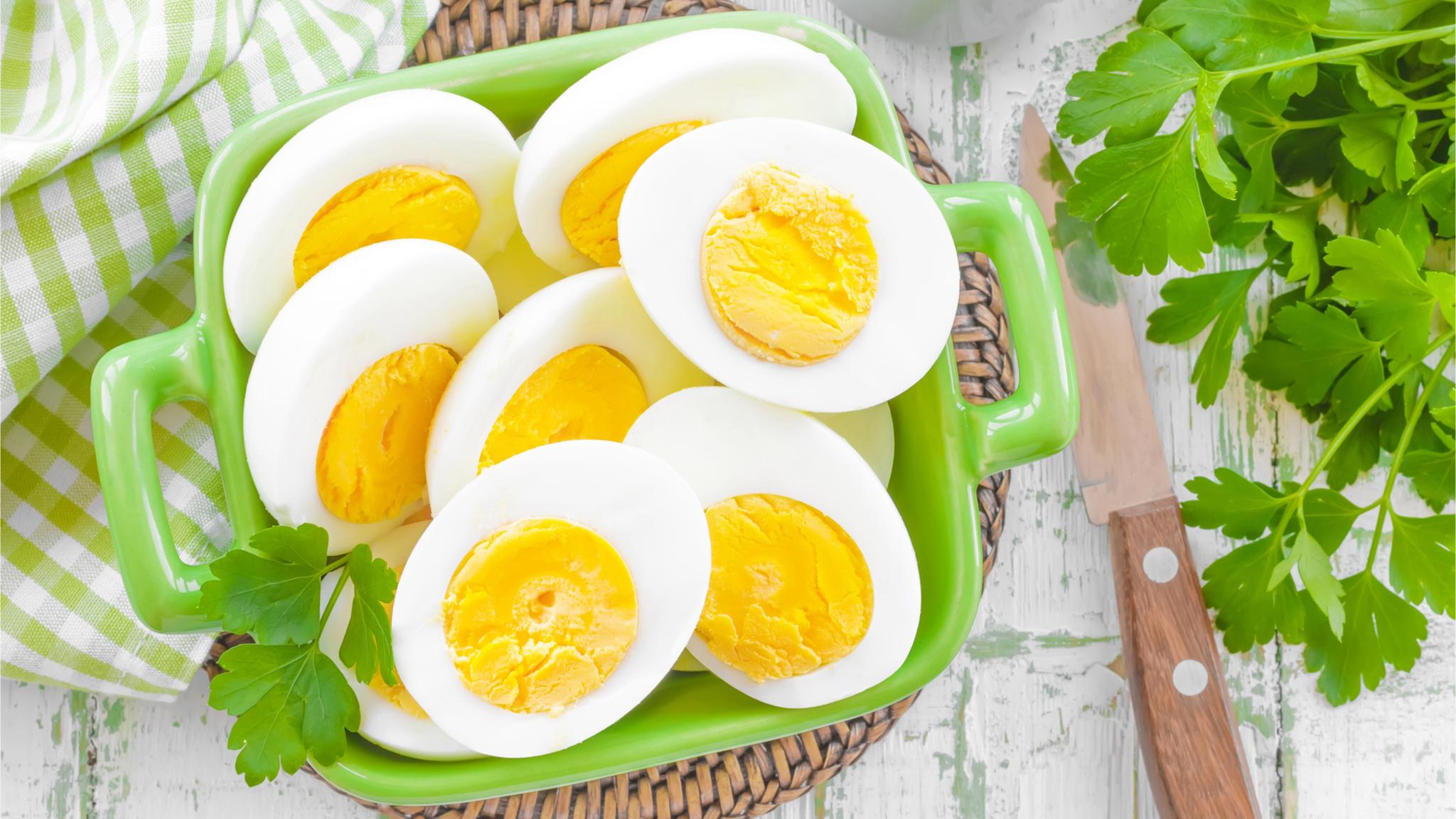
- Cook meat, poultry, fish, and eggs thoroughly
- Use a food thermometer to ensure meats, poultry, and fish are cooked to a safe internal temperature (e.g., ground meat to 160°F or 71°C; poultry to 165°F or 74°C).
- Reheat leftovers until piping hot
- Do not reheat food more than once
- Never refreeze food once defrosted
Preventing Food-Borne Infections
Listeriosis
Caused by Listeria monocytogenes, this infection is rare but serious in pregnancy.
Foods to avoid:
- Unpasteurised milk and cheeses
- Soft cheeses (Brie, Camembert, blue-veined cheeses—even if pasteurised)
- Sheep and goat milk products
- All fresh pâtés (meat, fish, or vegetable), canned pâtés are fine
- Ready-to-eat chilled meals that cannot be reheated safely
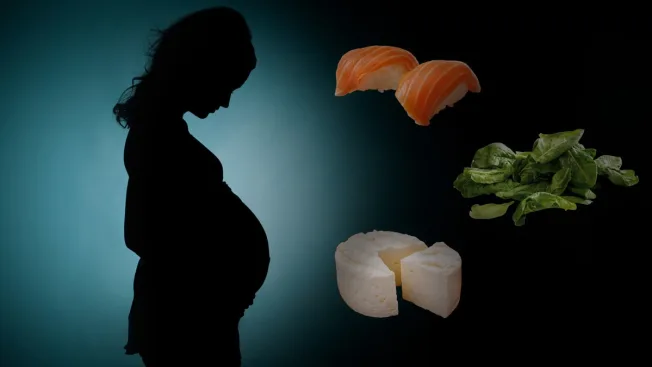
- Raw fish, shellfish, sushi, cold prawns, and crab
Salmonellosis
Salmonella can survive light cooking.
Avoid:
- Raw or undercooked eggs
- Foods containing raw egg (homemade mayonnaise, hollandaise sauce, mousse, some ice creams)

- Undercooked poultry
Toxoplasmosis
Caused by Toxoplasma gondii, which can lead to serious complications such as brain damage or blindness in babies. The risk is greatest in the last trimester. The organism is carried in animal faeces, especially from outdoor cats, and can also be found in soil as well as raw or undercooked meat and poultry.
Precautions:
- Cook all meat and poultry thoroughly
- Avoid raw or undercooked meat (e.g. steak tartare, Parma ham)
- Wash fruit and vegetables well
- Wash hands after handling pets
- Avoid cleaning cat litter trays
- Wear gloves when gardening

Other Areas of Concern
Alcohol
Heavy alcohol use during pregnancy can cause fetal alcohol syndrome (FAS), leading to growth problems, learning difficulties, and birth defects. While evidence on occasional drinking is mixed, many experts advise avoiding alcohol entirely during pregnancy, as no safe level of alcohol intake has been established.

Caffeine
High caffeine intake (over 300 mg/day) may increase the risk of miscarriage or low birth weight.
- 1–2 average cups of coffee per day is generally safe, not coffee shop cups, they are larger cups
- Remember caffeine is also found in tea, cola, energy drinks, chocolate, and cocoa
Salt
Do not overuse salt, but do not eliminate it completely. Pregnancy hormones increase sodium loss in urine, and swelling is usually related to water retention caused by hormonal activity.
Fish and Shellfish
- Eat at least two portions of fish per week, one of which should be oily
- Avoid raw fish and shellfish
- Avoid shark, swordfish, and marlin
- Limit tuna (one fresh steak or two medium cans per week) limit albacore (white) tuna intake.

Nuts and Allergies
- Women with a strong personal or family history of allergies may be advised to avoid nuts and peanuts
- For others, nuts are safe and nutritious during pregnancy
Raw Sprouts
Avoid raw alfalfa, clover, radish, and mung bean sprouts. These can harbour bacteria but are safe if cooked thoroughly.
Final Thoughts
Pregnancy is a time of increased awareness—not fear. By making informed food choices, practising good hygiene, and knowing which foods to avoid, you can significantly reduce the risk of food-borne infections.
These precautions help protect not only your health but also your baby’s development during this crucial time. When in doubt, consult your healthcare provider or midwife for personalised advice.


- News & Current Affairs
- Business & Economy
- Finance & Money
- Education & Learning
- Technology & Innovation
- Science & Environment
- Health & Wellness
- Food & Drink
- Home, Garden & Lifestyle
- Travel & Tourism
- Fashion & Beauty
- Art & Culture
- Entertainment & Media
- Sports & Recreation
- Personal Growth & Lifestyle
- Careers & Work
- Tutorials & How-To Guides
- Real Estate & Property
- Automotive
- Family & Relationships
- Environment & Sustainability
- Law & Legal Matters
- Gaming & Esports
- Religion & Spirituality
- Community & Local Voices
- Miscellaneous
- History