


Different Herbs and Their Many Uses

Herbs have been valued for centuries for both their culinary magic and medicinal benefits. From enhancing the flavor of everyday meals to supporting digestion, relaxation, and immunity, herbs bridge the gap between food and natural wellness. Whether fresh or dried, brewed as teas, infused into oils, or added to dishes, herbs remain one of nature’s most versatile gifts.
Common Culinary Herbs & Their Different Uses: Food and Medicinal
Basil
Sweet and slightly peppery, basil is a cornerstone of Italian cooking. It shines in pesto, tomato sauces, salads, and pairs beautifully with tomatoes, eggs, and cheese. Basil is also popular in Thai and Vietnamese cuisine. Supports overall immune function, used for colds, headaches, and skin issues through tea, extracts, or aromatherapy.
Cilantro / Coriander
Cilantro leaves add a fresh, citrusy kick to Mexican, Indian, and Asian dishes. Coriander seeds, on the other hand, have a warm, nutty flavor and are widely used in curries, spice rubs, and marinades.

Dill
With its light anise-like flavor, dill is excellent with fish, eggs, cucumbers, and salads. It’s also a classic ingredient in pickling. Easing bloating, gas, and indigestion, relieve intestinal and muscle spasms, supports stomach, kidney, and urinary tract function, help with sleep disorders.
Oregano
Pungent and robust, oregano is essential in Mediterranean, Mexican, and Italian cooking. It’s commonly used in pizza, pasta sauces, grilled meats, and tomato-based dishes. Oregano tea helps for congestion.

Parsley
Fresh and slightly bitter, parsley brightens soups, sauces, salads, seafood, and egg dishes. It’s also nutrient-rich and commonly used in pesto, chimichurri, and salsa verde. Diuretic for urinary and kidney health, helps relieve spasms, gas, and bloating, can stimulate menstrual flow, packed with vitamins C and K and antioxidants like flavonoids and carotenoids
Rosemary
This piney, woody herb pairs perfectly with roasted meats like lamb, chicken, and pork, as well as potatoes, bread, and hearty soups. Helps improve memory and mental alertness, promotes healthy blood circulation, eases muscle pain, tension, and headaches, supports relaxation and stress relief.

Sage
Earthy and warming, sage complements poultry, stuffing, cheese, and pumpkin-based dishes. Aids digestion and relieves stomach discomfort, anti-Inflammatory and antimicrobial properties, supports memory and brain function, manage symptoms like hot flashes and excessive sweating, traditional uses - in tea or topical applications for sore throats, high cholesterol.
Tarragon
Known for its delicate anise flavor, tarragon is a staple in French cooking, especially in dressings, egg dishes, and with fish. Stimulate digestion and relieve stomach discomfort, traditionally used to ease minor aches and pains.

Thyme
Earthy and slightly floral, thyme is widely used in soups, stews, stocks, and poultry dishes. Traditionally, it has also been used to support digestion. Thyme tea helps for coughing and congestion.
Medicinal & Health-Focused Herbs
Many culinary herbs double as natural remedies, while others are used primarily for wellness:
- Chamomile – Calming and soothing; often brewed as tea for relaxation, sleep support, and digestive comfort.

- Ginger – Warming and spicy; supports digestion, reduces nausea, and helps ease inflammation.
- Ashwagandha – A powerful adaptogen that helps the body manage stress, supports mood, brain health, and adrenal function.

- Marshmallow Root – Mucilaginous and soothing; supports sore throats, digestion, and immune health
- Peppermint - Supports digestive health (indigestion, IBS, nausea), Relieves headaches and muscle pain, Eases respiratory congestion

- Lavender - Calming and stress relief, sleep support, headaches, muscle tension, and minor aches, soothes acne, burns, eczema, and irritated skin
- Aloe Vera - Soothes burns, wounds, psoriasis, and acne, helps with constipation, bloating, and IBS, combines anti-inflammatory, antibacterial, and regenerative properties for overall health

Other Uses of Herbs
Cosmetics & Self-Care
- Henna for hair and nails
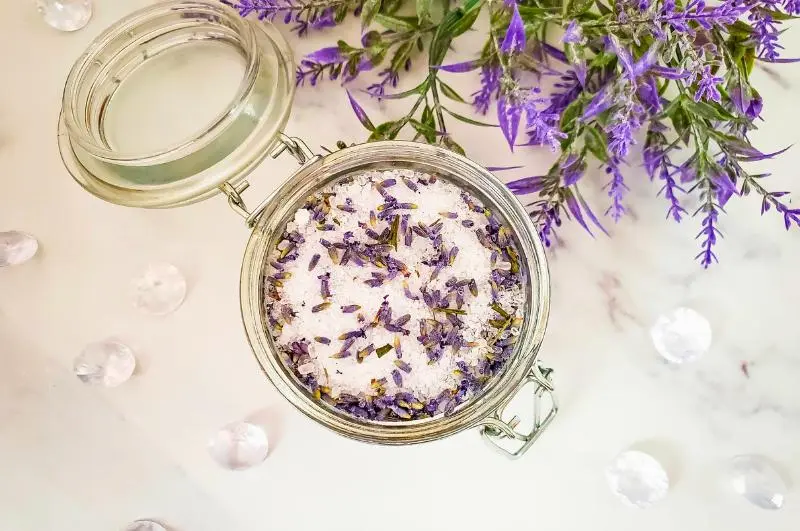
- Lavender in bath salts and oils
- Eucalyptus oil for muscle relief and congestion
Natural Insect Repellents
- Mint
- Lippia javanica (Lemon Bush), traditionally used in Southern Africa
Tips for Using Herbs Effectively
- Fresh vs. Dried: Add fresh herbs at the end of cooking; dried herbs earlier for deeper flavor.
- Salt Reduction: Herbs like thyme and marjoram can reduce the need for salt.
- Smart Pairings: Basil, dill, and parsley work well with eggs; tarragon and thyme elevate fish dishes.
Final Thoughts
Herbs are far more than simple kitchen ingredients. They enhance flavor, support wellness, and offer gentle, time-tested remedies for everyday health concerns. Whether used in cooking, brewed as teas, infused into oils, or applied topically, herbs allow us to nourish the body naturally and holistically. Embracing herbs in daily life is a simple yet powerful way to support both taste and well-being—naturally 🌿


- News & Current Affairs
- Business & Economy
- Finance & Money
- Education & Learning
- Technology & Innovation
- Science & Environment
- Health & Wellness
- Food & Drink
- Home, Garden & Lifestyle
- Travel & Tourism
- Fashion & Beauty
- Art & Culture
- Entertainment & Media
- Sports & Recreation
- Personal Growth & Lifestyle
- Careers & Work
- Tutorials & How-To Guides
- Real Estate & Property
- Automotive
- Family & Relationships
- Environment & Sustainability
- Law & Legal Matters
- Gaming & Esports
- Religion & Spirituality
- Community & Local Voices
- Miscellaneous
- History