


Coastal Gardening: Creating a Resilient Seaside Garden

Gardening at the coast is very different from gardening inland. Coastal gardens are constantly exposed to strong winds, salty air, sandy soils, and intense sunlight. If your garden is close to the beach, salt spray can scorch leaves, while wind dries out soil and damages tender plants. However, with the right strategies and plant choices, coastal gardening can be both rewarding and beautiful.
Understanding Coastal Conditions
Coastal soil is typically sandy, alkaline, and poor in nutrients. Water drains quickly, making moisture retention a challenge, especially with persistent winds. Climate also varies by region: the east coast of South Africa is warmer and more humid, while the south and south-western Cape experience cooler temperatures and stronger winds. Plants that thrive in one coastal area may struggle in another, so local conditions must always guide plant selection.

Windbreaks: The Foundation of Coastal Gardening
Also see my earlier blog about Windbreaks
Windbreaks are essential for protecting plants and creating sheltered microclimates. Shade cloth is an effective temporary solution, as it reduces wind force without causing damaging air eddies and provides light shade to keep gardens cool.
Permanent windbreaks work best when made from plants. Ideally, windbreaks should consist of two or three staggered rows:
- Back row: Hardy, salt-tolerant trees for maximum protection
- Front rows: Tough, lower-growing shrubs to filter wind further
Good plant choices include wild olive, milkwood, buddleia, proteas, and other coastal-adapted shrubs and trees.
Improving Sandy Coastal Soil
Coastal soil needs constant enrichment. Dig in as much bulky organic matter as possible to improve moisture retention and fertility. Coarse compost and peat are excellent, but organic materials such as grass cuttings, straw, pine needles, and bark are also very effective.
Mulching is essential. Use coarse compost, pine bark, or rough organic material to keep soil cool and damp. In extremely windy areas, pebbles or small stones can help prevent soil erosion.

Fertilising
- Apply a balanced fertiliser about four times a year
- Supplement with bone phosphate or liquid feeds between applications
Watering Wisely
Water is one of the biggest challenges in coastal gardens. Sandy soil drains quickly, and wind causes rapid evaporation. Always water deeply to encourage strong root systems. Early morning watering is ideal, allowing plants to absorb moisture before the heat and wind of the day.
Where possible, use salt-free water and avoid frequent shallow watering.
Ground Covers for Windy Areas
Low-growing ground covers are invaluable in coastal gardens. Because they hug the ground, they are less affected by wind and help stabilise sandy soil. Excellent options include:
- Aptenia cordifolia

- Vygies
- Gazanias
- Senecio acaulis
- Trailing daisies (Osteospermum species)
- Ivy geraniums
- Wedelia trilobata

Adding Colour to Coastal Gardens
For reliable colour, containers and long troughs are the most practical solution. They allow you to use rich soil and compost, making it easier to grow annuals and bedding plants that might struggle in sandy ground. Containers can be placed throughout the garden or on patios and stoep areas, adding flexibility and visual impact.
Trees for Hot Sub-Tropical Coastal Gardens
Shade is essential in hot coastal regions. Many trees thrive in these conditions, including:
- Torch tree
- Clusia
- Coast erythrina
- Nandi flame tree

- Thunder tree
Prepare planting holes carefully by adding bone meal at the base and filling with a rich mix of half compost and half quality garden loam. Water well until established and stake securely to prevent wind damage and root disturbance.
Design Tips for Coastal Success
- Layer planting: From ground covers to shrubs and canopy trees for protection and visual depth
- Choose hardy plants: Waxy, leathery, silvery, or needle-like leaves cope best with salt and wind
- Raised beds: Improve drainage and reduce salt buildup
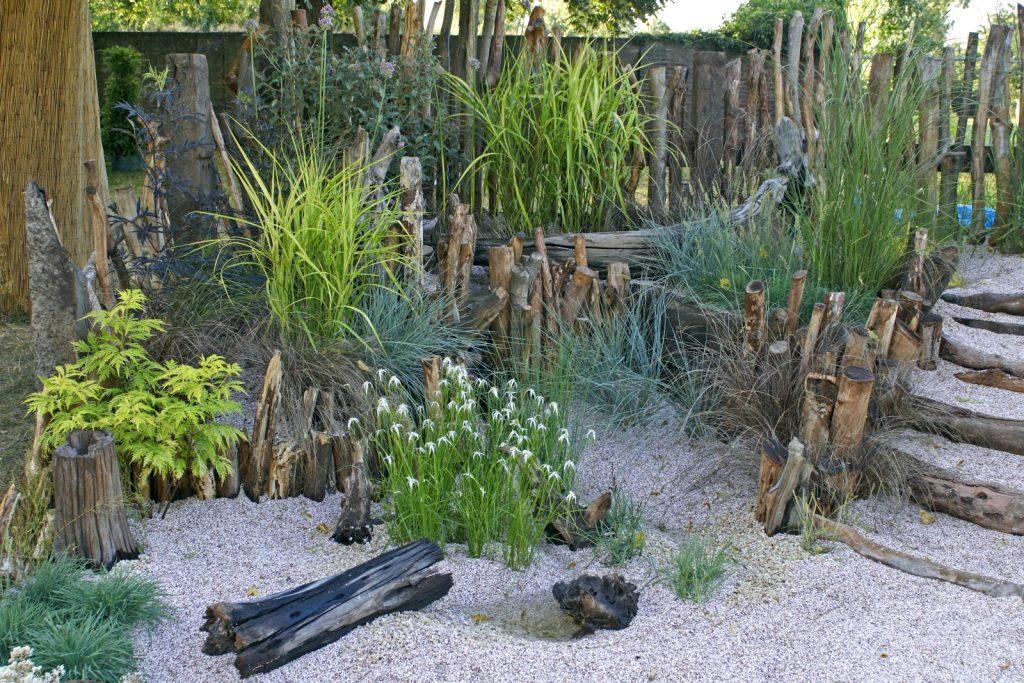
- Embrace the seaside theme: Use pebbles, driftwood, and natural coastal materials to blend the garden into its surroundings
Final Thoughts
Coastal gardening is about working with nature rather than against it. By improving sandy soil, creating effective windbreaks, choosing resilient plants, and watering wisely, you can establish a garden that not only survives but thrives in salty air and strong winds. With thoughtful design and the right plant palette, a coastal garden can be lush, colourful, and perfectly in harmony with its seaside surroundings.

- News & Current Affairs
- Business & Economy
- Finance & Money
- Education & Learning
- Technology & Innovation
- Science & Environment
- Health & Wellness
- Food & Drink
- Home, Garden & Lifestyle
- Travel & Tourism
- Fashion & Beauty
- Art & Culture
- Entertainment & Media
- Sports & Recreation
- Personal Growth & Lifestyle
- Careers & Work
- Tutorials & How-To Guides
- Real Estate & Property
- Automotive
- Family & Relationships
- Environment & Sustainability
- Law & Legal Matters
- Gaming & Esports
- Religion & Spirituality
- Community & Local Voices
- Miscellaneous
- History