


Basil: Uses, Benefits, Nutrition, and Precautions

Basil is a fragrant, versatile herb treasured around the world for its culinary appeal and impressive health benefits. Common in Italian, Thai, and Vietnamese cuisines, basil does far more than add flavour, it delivers powerful antioxidants, supports heart and digestive health, helps manage stress, and provides essential vitamins and minerals. Thanks to natural compounds such as eugenol, basil has long been valued in both traditional medicine and modern wellness practices.
Uses of Basil
Culinary Uses
- Flavoring Italian, Thai, and Vietnamese dishes
- Pesto, curries, soups, salads, sauces, and marinades
- Added near the end of cooking to preserve flavour and nutrients

💡 Tip: Dried basil is more concentrated: use ½ to ⅓ the amount of fresh basil.
Aromatherapy
- Basil essential oil diffused to lift mood, calm nerves, improve focus, or repel insects
Topical Applications
- Used in creams, lotions, and hair masks to support skin and scalp health
Herbal & Traditional Remedies
- Basil tea for digestion, sore throats, colds, and stress relief
- Gargles or mouthwash (cooled basil tea) for gingivitis, canker sores, or tonsillitis

- Added to heavy meals to aid digestion
Health Benefits of Basil
1. Antioxidant Protection
Basil helps fight oxidative stress, protecting cells from damage and potentially lowering the risk of chronic conditions such as heart disease, diabetes, and certain cancers.
2. Anti-inflammatory Support
Compounds like eugenol help reduce inflammation and may benefit conditions such as arthritis and inflammatory bowel disorders.
Additionally, basil’s anti-inflammatory and antioxidant effects may promote healthier skin by improving hydration and helping reduce the appearance of fine lines and wrinkles.
3. Heart Health
Regular basil consumption has been associated with:
- Lower LDL (“bad”) cholesterol
- Improved overall cholesterol balance
- Reduced platelet clumping
- Support for healthy blood pressure
Holy basil (tulsi), in particular, helps reduce metabolic stress, lowering risk factors linked to heart disease and diabetes.

4. Blood Sugar Regulation
Basil may help regulate blood glucose levels, making it supportive for metabolic health when used mindfully.
5. Digestive Aid
Basil’s carminative and antimicrobial properties help relieve gas, bloating, and indigestion, while supporting gut health.
6. Immune Support
Its antibacterial and antifungal properties help strengthen immune defenses.
7. Stress Relief & Mental Focus
Holy basil is considered an adaptogen, helping the body cope with stress, calm the nervous system, reduce anxiety, and improve focus and mental clarity.
Nutritional Profile of Basil
Basil is low in calories yet rich in essential nutrients:
Key Vitamins
- Vitamin K – Supports blood clotting and bone health
- Vitamin C – Boosts immunity and protects against oxidative stress
- Vitamin A – Supports vision, skin, and immune health
Important Minerals
- Calcium – Bone and teeth strength
- Iron – Supports oxygen transport
- Magnesium – Muscle and nerve function
- Potassium – Heart and blood pressure support
- Manganese – Metabolism and brain health
Beneficial Compounds
- Eugenol, Linalool, Cineole – Anti-inflammatory and antimicrobial
- Flavonoids & Anthocyanins – Antioxidant protection
- Omega-3 fatty acids (ALA) – Especially high in basil (sabja) seeds
Types of Basil
- Sweet Basil: Mild, classic flavor; ideal for pesto

- Genovese Basil: Larger leaves, stronger taste; Italian cuisine staple
- Thai Sweet Basil: Licorice-like flavor; holds up to high heat
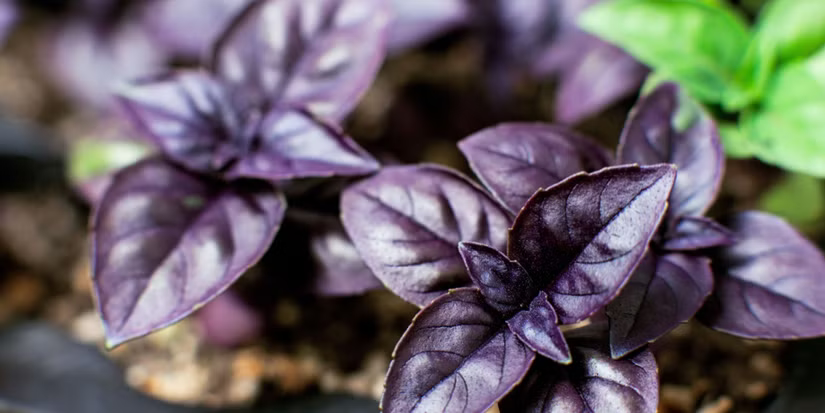
- Purple Basil: Deep purple leaves with clove-like taste
- Holy Basil (Tulsi): Bitter and medicinal; widely used in Ayurveda for stress, immunity, and metabolic health
Basil Seeds & Oils
- Basil seeds (sabja): Used in drinks and desserts; rich in fiber and omega-3s

- Basil seed oil: Used topically or aromatically (not for ingestion)
Precautions and Safety
- High vitamin K may interfere witbah blood-thinning medications (e.g., warfarin)
- Basil supplements may enhance blood pressure or blood sugar–lowering medications
- Holy basil (tulsi) should be avoided during pregnancy
- Always consult a healthcare provider before using basil medicinally, especially when pregnant, breastfeeding, or on medication
Final Reflections
Basil is more than a kitchen staple, it’s a powerful herb that supports digestion, heart health, immunity, stress balance, and overall wellness. Whether enjoyed fresh in meals, brewed as tea, diffused for aromatherapy, or used traditionally as holy basil, this herb offers both flavor and function. When used thoughtfully and safely, basil is a simple, natural way to nourish the body and mind.


- News & Current Affairs
- Business & Economy
- Finance & Money
- Education & Learning
- Technology & Innovation
- Science & Environment
- Health & Wellness
- Food & Drink
- Home, Garden & Lifestyle
- Travel & Tourism
- Fashion & Beauty
- Art & Culture
- Entertainment & Media
- Sports & Recreation
- Personal Growth & Lifestyle
- Careers & Work
- Tutorials & How-To Guides
- Real Estate & Property
- Automotive
- Family & Relationships
- Environment & Sustainability
- Law & Legal Matters
- Gaming & Esports
- Religion & Spirituality
- Community & Local Voices
- Miscellaneous
- History

