• How do trees grow?

    Trees grow much like any other living thing—they need nourishment. They draw water and minerals up from the soil through their roots, and they take in carbon dioxide from the air. Thanks to chlorophyll in their leaves, they can use sunlight to create the sugars, starches, and cellulose that fuel their growth.

    Just beneath the bark is a thin, active layer called the cambium. This is where new cells are constantly being made. The cells that form on the inside become new wood, and those on the outside become new bark. Over time, this steady production of cells causes the tree’s trunk to expand in diameter.
    Trees don’t just grow wider—they grow taller too. At the tip of every twig or branch is a cluster of living cells that produce new leaves and lengthen the stem during the growing season.

    If you cut across a tree trunk, you’ll notice alternating light and dark rings. The lighter rings are made of larger cells formed in spring, while the darker rings are tighter, smaller cells produced in autumn. Together, these rings tell the story of the tree’s age and the conditions it has lived through.


    Fun fact:

    Trees are the largest living organisms on the planet. The giant sequoias of California hold the record for the greatest volume—especially the famous General Sherman tree. Some of these giants weigh millions of pounds. The tallest trees, however, are the coast redwoods, which can soar to more than 380 feet into the sky.
    How do trees grow? Trees grow much like any other living thing—they need nourishment. They draw water and minerals up from the soil through their roots, and they take in carbon dioxide from the air. Thanks to chlorophyll in their leaves, they can use sunlight to create the sugars, starches, and cellulose that fuel their growth. Just beneath the bark is a thin, active layer called the cambium. This is where new cells are constantly being made. The cells that form on the inside become new wood, and those on the outside become new bark. Over time, this steady production of cells causes the tree’s trunk to expand in diameter. Trees don’t just grow wider—they grow taller too. At the tip of every twig or branch is a cluster of living cells that produce new leaves and lengthen the stem during the growing season. If you cut across a tree trunk, you’ll notice alternating light and dark rings. The lighter rings are made of larger cells formed in spring, while the darker rings are tighter, smaller cells produced in autumn. Together, these rings tell the story of the tree’s age and the conditions it has lived through. Fun fact: Trees are the largest living organisms on the planet. The giant sequoias of California hold the record for the greatest volume—especially the famous General Sherman tree. Some of these giants weigh millions of pounds. The tallest trees, however, are the coast redwoods, which can soar to more than 380 feet into the sky.
    Love
    1
    0 Comments 1 Shares 5K Views 0 Reviews
  • Claus Inn Guesthouse & Conference Venue is a highly recommended establishment located in Alberton, just minutes from the Newmarket Shopping and Medical node, with easy access to southern Johannesburg and eastern Gauteng business hubs.

    Set on a spacious 4,000m² property, the venue resembles a charming “Cape Karoo homestead in the City.” It offers beautifully maintained accommodation units to suit a variety of needs, conference and function facilities for up to 70 guests, a lapa and braai area, a large swimming pool, and ample secure parking. Claus Inn is also an environmentally friendly establishment and is home to a remarkable collection of clivias, which are open to visitors during spring.

    The guesthouse features 12 well-appointed guestrooms in three room categories:
    • Standard Rooms
    • Self-Catering / Semi Self-Catering Rooms
    • Family Rooms

    All rooms are spacious, comfortably accommodating 2–4 guests, and include en-suite bathrooms with bath and/or shower, basin, and toilet. Each room is fully furnished with double or twin beds, TV, bar fridge, air cooler or heater, coffee and tea facilities, a study desk, and Wi-Fi access. Self-catering rooms are equipped with a two-plate stove and microwave. All rooms are strictly non-smoking. Breakfast and dinner are available at an additional cost with prior booking.

    Claus Inn also offers four function and conference venues ideal for small to medium-sized events. The hall and boardroom are air-conditioned and fully equipped with screens, flipcharts, and projectors, making them perfect for corporate use by prior arrangement.

    More than just a place to stay, Claus Inn offers exceptional value for money, a unique experience in a clean, elegant, spacious, and authentic environment, easy access to major highways, walking distance to the renowned Reading Golf Course, and secure parking behind remote-controlled gates. The entire property is protected by 24-hour surveillance for complete peace of mind.

    #ClausInnGuesthouse
    Claus Inn Guesthouse & Conference Venue is a highly recommended establishment located in Alberton, just minutes from the Newmarket Shopping and Medical node, with easy access to southern Johannesburg and eastern Gauteng business hubs. Set on a spacious 4,000m² property, the venue resembles a charming “Cape Karoo homestead in the City.” It offers beautifully maintained accommodation units to suit a variety of needs, conference and function facilities for up to 70 guests, a lapa and braai area, a large swimming pool, and ample secure parking. Claus Inn is also an environmentally friendly establishment and is home to a remarkable collection of clivias, which are open to visitors during spring. The guesthouse features 12 well-appointed guestrooms in three room categories: • Standard Rooms • Self-Catering / Semi Self-Catering Rooms • Family Rooms All rooms are spacious, comfortably accommodating 2–4 guests, and include en-suite bathrooms with bath and/or shower, basin, and toilet. Each room is fully furnished with double or twin beds, TV, bar fridge, air cooler or heater, coffee and tea facilities, a study desk, and Wi-Fi access. Self-catering rooms are equipped with a two-plate stove and microwave. All rooms are strictly non-smoking. Breakfast and dinner are available at an additional cost with prior booking. Claus Inn also offers four function and conference venues ideal for small to medium-sized events. The hall and boardroom are air-conditioned and fully equipped with screens, flipcharts, and projectors, making them perfect for corporate use by prior arrangement. More than just a place to stay, Claus Inn offers exceptional value for money, a unique experience in a clean, elegant, spacious, and authentic environment, easy access to major highways, walking distance to the renowned Reading Golf Course, and secure parking behind remote-controlled gates. The entire property is protected by 24-hour surveillance for complete peace of mind. #ClausInnGuesthouse
    Like
    Love
    Wow
    Yay
    77
    4 Comments 1 Shares 102K Views 0 Reviews
  • How to Choose the Perfect Greenhouse for Your Garden:


    A greenhouse can transform the way you garden. Whether you want to raise seedlings, overwinter tender plants, grow heat-loving crops, or simply extend your growing season, a well-chosen greenhouse offers a controlled environment where plants thrive. Choosing the right greenhouse involves balancing light, location, materials, durability, and ventilation. With proper setup, a greenhouse can extend your gardening year, protect your most delicate plants, and dramatically increase your growing success.


    Why Use a Greenhouse?
    A greenhouse creates a protected microclimate ideal for:

    Starting early seedlings
    Overwintering frost-sensitive plants
    Growing tomatoes, cucumbers, peppers, and other warm-season crop
    Rooting cuttings
    Extending the growing season from early spring into late autumn

    Growing under glass allows you to control temperature, moisture, airflow, and light, giving your plants the best possible start.


    Where to Site a Greenhouse
    Choosing the right location is essential for greenhouse productivity.

    1. Full Sun Exposure

    Greenhouses should receive uninterrupted sunlight throughout the day. Avoid placing them near:

    Buildings
    Walls
    Large trees

    These can cast shade and drop debris onto the structure.


    2. Shelter from Cold Winds

    Provide screening from cold northerly or easterly winds, which can reduce temperatures in spring and slow plant growth.


    Greenhouse Orientation: East–West or North–South?

    Your preferred crops and seasonal use determine the best orientation.


    East–West Orientation

    Maximizes winter light levels
    Ideal for gardeners who grow through colder months


    North–South Orientation

    Perfect for summer crops like tomatoes
    Ensures both sides of the greenhouse receive sun from the east and west
    The ridge helps reduce intense midday sun

    Choose the orientation that best suits your main growing season.


    Greenhouse Materials: Wood vs Aluminium

    Aluminium Greenhouses

    Most popular choice
    Low-maintenance and long-lasting
    Slim glazing bars for better light penetration
    Available in natural metal or coloured finishes to blend with your garden

    Wooden Greenhouses

    Beautiful and traditional
    Blend naturally with cottage or rustic garden styles
    Require regular maintenance (unless using durable cedar)
    Bulkier frames may cast more shade

    Consider your garden aesthetics, budget, and willingness to maintain the structure.


    Shape and Size: What to Look For

    The height of the eaves and ridge determines light availability and comfort inside the greenhouse.
    Eaves height: At least 1.5 m (5 ft), ideally 1.8 m (6 ft)
    Ridge height: Should be at least 60 cm (2 ft) above the eaves

    These proportions ensure good:

    Light transmission
    Rain runoff
    Heat dispersion
    Comfortable access


    Ground-Level Glazing
    Provides maximum flexibility and better light penetration.


    Half-Walling
    Using timber or masonry at the base helps reduce heat loss but slightly reduces light.


    Avoid Odd Shapes
    Domes and novelty structures look attractive but are harder to ventilate and often more expensive.


    Ventilation: The Key to Healthy Plants

    Good ventilation prevents overheating, reduces humidity, and helps control pests and diseases.

    Roof Vents

    Most effective ventilation method
    Ideally placed on both sides of the ridge
    Should total 15–20% of the floor area


    Side Vents

    Useful but not a replacement for roof vents
    Louvred vents help regulate airflow but are difficult to seal in winter


    Automatic Openers

    Temperature-responsive
    Useful but slow—supplement with manual adjustments


    Motorised Vents

    Highly sensitive and efficient
    Best for serious growers, though more expensive


    Glass vs Plastic Glazing: Which Is Best?

    Glass Glazing
    The ideal choice for plant cultivation.

    Advantages:
    Lets through 90% of light
    Does not degrade in sunlight
    Reflects heat back into the structure
    Available in toughened form for safety

    Not ideal:
    Double-glazing (reduces light and alters spectrum)
    Special coated glasses designed for conservatories


    Polycarbonate Glazing
    A twin-wall plastic alternative.

    Pros:

    Lightweight
    Durable in harsh weather
    Good heat retention
    Shatter-resistant

    Cons:

    Transmits only 83% of available light
    Less suitable for seedlings and high-light plants


    Acrylic Twin-Wall Panels
    Transmit about 85% of light but are more brittle and prone to cracking during installation.
    🌱 How to Choose the Perfect Greenhouse for Your Garden: A greenhouse can transform the way you garden. Whether you want to raise seedlings, overwinter tender plants, grow heat-loving crops, or simply extend your growing season, a well-chosen greenhouse offers a controlled environment where plants thrive. Choosing the right greenhouse involves balancing light, location, materials, durability, and ventilation. With proper setup, a greenhouse can extend your gardening year, protect your most delicate plants, and dramatically increase your growing success. 🌞 Why Use a Greenhouse? A greenhouse creates a protected microclimate ideal for: Starting early seedlings Overwintering frost-sensitive plants Growing tomatoes, cucumbers, peppers, and other warm-season crop Rooting cuttings Extending the growing season from early spring into late autumn Growing under glass allows you to control temperature, moisture, airflow, and light, giving your plants the best possible start. 📍 Where to Site a Greenhouse Choosing the right location is essential for greenhouse productivity. 1. Full Sun Exposure Greenhouses should receive uninterrupted sunlight throughout the day. Avoid placing them near: Buildings Walls Large trees These can cast shade and drop debris onto the structure. 2. Shelter from Cold Winds Provide screening from cold northerly or easterly winds, which can reduce temperatures in spring and slow plant growth. 🧭 Greenhouse Orientation: East–West or North–South? Your preferred crops and seasonal use determine the best orientation. East–West Orientation Maximizes winter light levels Ideal for gardeners who grow through colder months North–South Orientation Perfect for summer crops like tomatoes Ensures both sides of the greenhouse receive sun from the east and west The ridge helps reduce intense midday sun Choose the orientation that best suits your main growing season. 🏗️ Greenhouse Materials: Wood vs Aluminium Aluminium Greenhouses Most popular choice Low-maintenance and long-lasting Slim glazing bars for better light penetration Available in natural metal or coloured finishes to blend with your garden Wooden Greenhouses Beautiful and traditional Blend naturally with cottage or rustic garden styles Require regular maintenance (unless using durable cedar) Bulkier frames may cast more shade Consider your garden aesthetics, budget, and willingness to maintain the structure. 📏 Shape and Size: What to Look For The height of the eaves and ridge determines light availability and comfort inside the greenhouse. Eaves height: At least 1.5 m (5 ft), ideally 1.8 m (6 ft) Ridge height: Should be at least 60 cm (2 ft) above the eaves These proportions ensure good: Light transmission Rain runoff Heat dispersion Comfortable access Ground-Level Glazing Provides maximum flexibility and better light penetration. Half-Walling Using timber or masonry at the base helps reduce heat loss but slightly reduces light. Avoid Odd Shapes Domes and novelty structures look attractive but are harder to ventilate and often more expensive. 🌬️ Ventilation: The Key to Healthy Plants Good ventilation prevents overheating, reduces humidity, and helps control pests and diseases. Roof Vents Most effective ventilation method Ideally placed on both sides of the ridge Should total 15–20% of the floor area Side Vents Useful but not a replacement for roof vents Louvred vents help regulate airflow but are difficult to seal in winter Automatic Openers Temperature-responsive Useful but slow—supplement with manual adjustments Motorised Vents Highly sensitive and efficient Best for serious growers, though more expensive 🪟 Glass vs Plastic Glazing: Which Is Best? Glass Glazing The ideal choice for plant cultivation. Advantages: Lets through 90% of light Does not degrade in sunlight Reflects heat back into the structure Available in toughened form for safety Not ideal: Double-glazing (reduces light and alters spectrum) Special coated glasses designed for conservatories Polycarbonate Glazing A twin-wall plastic alternative. Pros: Lightweight Durable in harsh weather Good heat retention Shatter-resistant Cons: Transmits only 83% of available light Less suitable for seedlings and high-light plants Acrylic Twin-Wall Panels Transmit about 85% of light but are more brittle and prone to cracking during installation.
    Love
    1
    0 Comments 1 Shares 4K Views 0 Reviews
  • The History of Watches

    The story of watches begins with the invention of portable, spring-driven clocks in the 15th century. These early timepieces paved the way for the first “pocket clocks” of the 16th century. Over time, innovations like the balance spring in the 17th century improved accuracy, and by 1810, the world saw the first wristwatch. Following World War I, mass production and practicality made wristwatches an essential part of daily life. In the modern era, electronic, quartz, and smartwatches have transformed how we measure and experience time.

    Early Timekeeping

    Long before mechanical inventions, humans relied on natural indicators like the sun and shadows to tell time, using tools such as sundials. By the 1300s, the first mechanical clocks appeared, marking a major leap forward in timekeeping technology.

    The First Portable Clocks and Watches

    The 15th century introduced the mainspring, a revolutionary innovation that replaced the heavy weights of early clocks, making smaller, portable timepieces possible. Around 1510, Peter Henlein, a German locksmith, crafted the first portable clocks—considered the earliest watches. These “pocket clocks” were often worn as pendants and symbolized wealth and prestige, though they were not yet highly accurate.

    Advancements in Accuracy and Design

    During the 17th century, accuracy improved dramatically with the invention of the balance spring, credited to Robert Hooke and Christiaan Huygens. This development enabled watches to include minute hands and keep more precise time. By the 18th century, new mechanisms like the lever escapement further enhanced performance. In 1810, Abraham-Louis Breguet designed the first wristwatch for the Queen of Naples, blending elegance with innovation.

    The Rise of the Modern Wristwatch

    In the late 19th and early 20th centuries, wristwatches gained popularity due to their practicality in military operations. Soldiers valued their hands-free design and synchronization capabilities during battles. The demanding conditions of World War I proved their durability and usefulness, transforming the wristwatch from a luxury item into a daily necessity. After the war, wristwatches became widely affordable and fashionable for the general public.

    The Electronic and Digital Revolution

    The 1950s ushered in the electric watch, which replaced many mechanical components with electronic ones. Then, in 1969, the introduction of the quartz watch—powered by a quartz crystal—redefined accuracy and durability, leading to the rise of digital watches.

    Today’s innovations include radio-controlled watches, which synchronize with atomic clocks for perfect precision, and smartwatches, which merge timekeeping with digital technology—offering communication, fitness tracking, and connectivity features that far surpass the original purpose of simply telling time.
    The History of Watches The story of watches begins with the invention of portable, spring-driven clocks in the 15th century. These early timepieces paved the way for the first “pocket clocks” of the 16th century. Over time, innovations like the balance spring in the 17th century improved accuracy, and by 1810, the world saw the first wristwatch. Following World War I, mass production and practicality made wristwatches an essential part of daily life. In the modern era, electronic, quartz, and smartwatches have transformed how we measure and experience time. Early Timekeeping Long before mechanical inventions, humans relied on natural indicators like the sun and shadows to tell time, using tools such as sundials. By the 1300s, the first mechanical clocks appeared, marking a major leap forward in timekeeping technology. The First Portable Clocks and Watches The 15th century introduced the mainspring, a revolutionary innovation that replaced the heavy weights of early clocks, making smaller, portable timepieces possible. Around 1510, Peter Henlein, a German locksmith, crafted the first portable clocks—considered the earliest watches. These “pocket clocks” were often worn as pendants and symbolized wealth and prestige, though they were not yet highly accurate. Advancements in Accuracy and Design During the 17th century, accuracy improved dramatically with the invention of the balance spring, credited to Robert Hooke and Christiaan Huygens. This development enabled watches to include minute hands and keep more precise time. By the 18th century, new mechanisms like the lever escapement further enhanced performance. In 1810, Abraham-Louis Breguet designed the first wristwatch for the Queen of Naples, blending elegance with innovation. The Rise of the Modern Wristwatch In the late 19th and early 20th centuries, wristwatches gained popularity due to their practicality in military operations. Soldiers valued their hands-free design and synchronization capabilities during battles. The demanding conditions of World War I proved their durability and usefulness, transforming the wristwatch from a luxury item into a daily necessity. After the war, wristwatches became widely affordable and fashionable for the general public. The Electronic and Digital Revolution The 1950s ushered in the electric watch, which replaced many mechanical components with electronic ones. Then, in 1969, the introduction of the quartz watch—powered by a quartz crystal—redefined accuracy and durability, leading to the rise of digital watches. Today’s innovations include radio-controlled watches, which synchronize with atomic clocks for perfect precision, and smartwatches, which merge timekeeping with digital technology—offering communication, fitness tracking, and connectivity features that far surpass the original purpose of simply telling time.
    Love
    Like
    5
    0 Comments 0 Shares 3K Views 0 Reviews
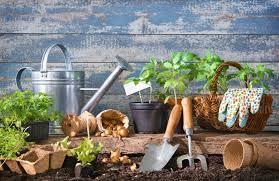
  • I know I post a few posts about gardening tips for beginners. Just want to recapture the very importance of the information needed to start a garden.

    10 Top Gardening Tips for Beginners:

    1. Site it right.

    Place your garden in a part of your yard where you'll see it regularly. That way, you'll be much more likely to spend time in it.

    2. Follow the sun.

    Pay attention to how sunlight plays through your yard before choosing a spot for your garden. Most edible plants, including many vegetables, herbs, and fruits, need at least 6 hours of sun in order to thrive.

    3. Stay close to water.

    One of the best gardening tips you'll ever get is to plan your new garden near a water source. Make sure you can run a hose to your garden site, so you don't have to lug water to it each time your plants get thirsty. The best way to tell if plants need watering is to push a finger an inch down into the soil (that's about one knuckle deep). If it's dry, it's time to water.

    4. Start with great soil.

    When starting a garden, one of the top pieces of advice is to invest in soil that is nutrient-rich and well-drained.

    5. Consider containers.

    When space is at a premium, look to containers. You can grow many plants in pots, including vegetables, herbs, flowers, fruit trees, berries, and shrubs. Use a potting mix that is specially formulated to help plants in pots thrive, but it also helps protect against over- and under-watering.

    6. Choose the right plants.

    It's important to select plants that match your growing conditions. This means putting sun-loving plants into a sunny spot, choosing heat-tolerant plants in warm climates, and giving ground-gobbling vines like pumpkins and melons ample elbow room (or a trellis to climb). Do your homework and pick varieties that will grow well where you live and in the space you have.

    7. Discover your zone.

    Knowing your "hardiness zone" can help you choose the best plants. Simply put, it describes the coldest place a plant can grow. The higher the zone number, the warmer the climate. So if a plant is "hardy to zone 4" and you garden in zone 5, that plant will survive in your yard. If, however, you're in zone 3, it's too cold to grow that particular plant. Find out your hardiness zone.

    8. Learn your frost dates.

    Planting too early (or late) in the season can spell disaster for your garden. You need to know the last average spring frost date for your area so you don't accidentally kill plants by putting them out prematurely. It's also good to know your first average fall frost date so that you get your plants harvested or moved indoors before late-season cold damages them. Discover the average first and last frost dates for your area.

    9. Add some mulch.

    Apply a layer of mulch that's 2 to 3 inches deep around each plant. This will help reduce weeds by blocking out the sun, and reduce moisture loss through evaporation, so you have to water less. Or, you can put down straw, shredded leaves, pine straw, or some other locally available material.

    10. Feed plants regularly.

    We've already talked about the importance of starting with great soil, but that soil works best in concert with regular boosts of high-quality nutrition for your plants. In other words, amazing soil + top-notch plant food = super garden success! So, a month after planting, begin feeding your garden with plant food. Be sure to follow label directions.

    One last word of advice: Stock up on the basic tools you need to make it easier to grow.

    Happy growing!

    I know I post a few posts about gardening tips for beginners. Just want to recapture the very importance of the information needed to start a garden. 🧑‍🌾 10 Top Gardening Tips for Beginners: 1. Site it right. Place your garden in a part of your yard where you'll see it regularly. That way, you'll be much more likely to spend time in it. 2. Follow the sun. Pay attention to how sunlight plays through your yard before choosing a spot for your garden. Most edible plants, including many vegetables, herbs, and fruits, need at least 6 hours of sun in order to thrive. 3. Stay close to water. One of the best gardening tips you'll ever get is to plan your new garden near a water source. Make sure you can run a hose to your garden site, so you don't have to lug water to it each time your plants get thirsty. The best way to tell if plants need watering is to push a finger an inch down into the soil (that's about one knuckle deep). If it's dry, it's time to water. 4. Start with great soil. When starting a garden, one of the top pieces of advice is to invest in soil that is nutrient-rich and well-drained. 5. Consider containers. When space is at a premium, look to containers. You can grow many plants in pots, including vegetables, herbs, flowers, fruit trees, berries, and shrubs. Use a potting mix that is specially formulated to help plants in pots thrive, but it also helps protect against over- and under-watering. 6. Choose the right plants. It's important to select plants that match your growing conditions. This means putting sun-loving plants into a sunny spot, choosing heat-tolerant plants in warm climates, and giving ground-gobbling vines like pumpkins and melons ample elbow room (or a trellis to climb). Do your homework and pick varieties that will grow well where you live and in the space you have. 7. Discover your zone. Knowing your "hardiness zone" can help you choose the best plants. Simply put, it describes the coldest place a plant can grow. The higher the zone number, the warmer the climate. So if a plant is "hardy to zone 4" and you garden in zone 5, that plant will survive in your yard. If, however, you're in zone 3, it's too cold to grow that particular plant. Find out your hardiness zone. 8. Learn your frost dates. Planting too early (or late) in the season can spell disaster for your garden. You need to know the last average spring frost date for your area so you don't accidentally kill plants by putting them out prematurely. It's also good to know your first average fall frost date so that you get your plants harvested or moved indoors before late-season cold damages them. Discover the average first and last frost dates for your area. 9. Add some mulch. Apply a layer of mulch that's 2 to 3 inches deep around each plant. This will help reduce weeds by blocking out the sun, and reduce moisture loss through evaporation, so you have to water less. Or, you can put down straw, shredded leaves, pine straw, or some other locally available material. 10. Feed plants regularly. We've already talked about the importance of starting with great soil, but that soil works best in concert with regular boosts of high-quality nutrition for your plants. In other words, amazing soil + top-notch plant food = super garden success! So, a month after planting, begin feeding your garden with plant food. Be sure to follow label directions. One last word of advice: Stock up on the basic tools you need to make it easier to grow. Happy growing!
    Love
    Like
    10
    0 Comments 0 Shares 3K Views 0 Reviews
  • Spring says: grow gently, grow steady.

    New season, new rhythm. What small habit will you nurture this week — reading, walking, praying, creating? Small seeds become strong roots.

    #SpringInSA #SmallStepsBigGrowth #MySA

    Share your one small habit for the week.

    Spring says: grow gently, grow steady. New season, new rhythm. What small habit will you nurture this week — reading, walking, praying, creating? Small seeds become strong roots. #SpringInSA #SmallStepsBigGrowth #MySA Share your one small habit for the week.
    Love
    1
    0 Comments 0 Shares 1K Views 0 Reviews
  • Timing is everything...

    Even the right plant in the right zone needs to be planted at the right time. Here’s a detailed seasonal planting guide:

    Spring:
    The season of growth! Perfect for planting most veggies such as tomatoes, beans, and cucumbers. Annual flowers like marigolds and petunias also thrive now.

    Summer:
    Focus on heat-loving plants like chilies, melons, and pumpkins. Keep your plants hydrated during the intense summer heat.

    Autumn:
    Time to plant bulbs like daffodils and tulips for beautiful spring blooms. Hardy greens such as spinach and kale also do well. Mulch to prepare your garden from the winter months.

    Winter:
    Protect your sensitive plants with mulch, and plant frost-tolerant varieties like garlic and onions.

    Pro Tips for Zone-Savvy Gardening

    Mulch Like a Boss:
    No matter your zone, mulch is your garden’s best friend — it keeps soil moist, regulates temperature, and suppresses weeds.

    Invest in Smart Watering Systems:
    Whether it’s drip irrigation for dry zones or misting systems for tropical areas, efficient watering makes all the difference.

    Experiment and Adapt:
    Nature loves variety! Mix native plants with a few exotics to create a garden that’s both beautiful and resilient.

    Fertilize Wisely:
    Choose fertilizers tailored to your zone. Garden Master’s organic options ensure every plant gets exactly what it needs for optimal growth.

    Timing is everything... Even the right plant in the right zone needs to be planted at the right time. Here’s a detailed seasonal planting guide: Spring: The season of growth! Perfect for planting most veggies such as tomatoes, beans, and cucumbers. Annual flowers like marigolds and petunias also thrive now. Summer: Focus on heat-loving plants like chilies, melons, and pumpkins. Keep your plants hydrated during the intense summer heat. Autumn: Time to plant bulbs like daffodils and tulips for beautiful spring blooms. Hardy greens such as spinach and kale also do well. Mulch to prepare your garden from the winter months. Winter: Protect your sensitive plants with mulch, and plant frost-tolerant varieties like garlic and onions. 🌿 Pro Tips for Zone-Savvy Gardening Mulch Like a Boss: No matter your zone, mulch is your garden’s best friend — it keeps soil moist, regulates temperature, and suppresses weeds. Invest in Smart Watering Systems: Whether it’s drip irrigation for dry zones or misting systems for tropical areas, efficient watering makes all the difference. Experiment and Adapt: Nature loves variety! Mix native plants with a few exotics to create a garden that’s both beautiful and resilient. Fertilize Wisely: Choose fertilizers tailored to your zone. Garden Master’s organic options ensure every plant gets exactly what it needs for optimal growth.
    Love
    Like
    11
    0 Comments 0 Shares 4K Views 0 Reviews
  • This Sunday marks our 5th Thrift Collab! Thrift Fest
    The space will be bursting with energy, stalls stacked high with thrift treasures, authentic art, and all things beautiful. From books and clothes to plants, décor, gifts, and jewelry, it’s a full-on celebration of creativity and community.

    And when the shopping bags are full, the Deli Tent will be waiting with super delicious eats.

    This isn’t just another market — it’s a celebration of Spring, style, and connection. We’re fully loaded and can’t wait to welcome you!
    Doggo's on lead most welcome.

    This Sunday, 28 September
    10am – 3pm.
    Parking available, we are opposite Constantia Village Shopping Centre, entrance 1 Doordrift Rd.

    #underthetreesmarket #capemarkets #capetown
    This Sunday marks our 5th Thrift Collab! 🎉Thrift Fest The space will be bursting with energy, stalls stacked high with thrift treasures, authentic art, and all things beautiful. From books and clothes to plants, décor, gifts, and jewelry, it’s a full-on celebration of creativity and community. 🌸 And when the shopping bags are full, the Deli Tent will be waiting with super delicious eats. 🍴😋 😁This isn’t just another market — it’s a celebration of Spring, style, and connection. We’re fully loaded and can’t wait to welcome you! 🐾Doggo's on lead most welcome. 📍 This Sunday, 28 September 10am – 3pm. Parking available, we are opposite Constantia Village Shopping Centre, entrance 1 Doordrift Rd. #underthetreesmarket #capemarkets #capetown
    Like
    Love
    11
    0 Comments 0 Shares 4K Views 0 Reviews
  • On SATURDAY we are back on the MOUNTAIN at the Piket-Bo-Berg Farmers Market. Enjoy the spring weather with us and say hello at the Country Pantry stall where you get to taste locally made products – sourced directly from the farmers, small businesses and home-cooks who produce it. Your taste buds will love you for it! #localislekker

    Our range of products on offer include a wide variety of delicious cheeses, all locally made, as well as a range of unique artisan chutneys & sauces (Taste before you Buy). We also have various other products on offer like home-made preserves, Raw Sauerkraut by @Knōsh and Extra Virgin Olive Oil from Klipvlei Olives.
    After a long wait the GOAT MILK CHEESE from Rockvale Cheesery is finally back in stock (Chevre Logs & Chevre Balls in Olive Oil).
    Do some shopping while enjoying the beautiful atmosphere of the Piket-Bo-Berg!

    WHEN: Saturday, 27 September from 9AM to 12PM
    WHERE: Kruistementvlei Guest Farm, Piket-Bo-Berg
    https://goo.gl/maps/LQsR7CPzUA2fBR238

    SUPPORT LOCAL, SHOP LOCAL & EAT LOCAL !!!
    #countrypantrySA #smallbusinesses #onlineshop #artisan #conciousliving #buylocal #piketbobergfarmersmarket #piketboberg #boberg #piketbergmarket #farmersmarket #myplatteland #swartland #farmlife #weekendaway #swartlandsecrets #bergrivier #platteland #capemarkets #secretcapetown #whatsonintheswartland #farmtotable #freshproduce #communitymarket #cheese #chutney #sauerkraut #fynboshoney #piketbergmountains #farmtotable #spring #petfriendlyct #petfriendly #getaway #whatsoninpiketberg #whatsonincapetown #capetownetc #insideguide #capetownmag
    On SATURDAY we are back on the MOUNTAIN at the Piket-Bo-Berg Farmers Market. Enjoy the spring weather with us and say hello at the Country Pantry stall where you get to taste locally made products – sourced directly from the farmers, small businesses and home-cooks who produce it. Your taste buds will love you for it! #localislekker Our range of products on offer include a wide variety of delicious cheeses, all locally made, as well as a range of unique artisan chutneys & sauces (Taste before you Buy). We also have various other products on offer like home-made preserves, Raw Sauerkraut by @Knōsh and Extra Virgin Olive Oil from Klipvlei Olives. After a long wait the GOAT MILK CHEESE from Rockvale Cheesery is finally back in stock (Chevre Logs & Chevre Balls in Olive Oil). Do some shopping while enjoying the beautiful atmosphere of the Piket-Bo-Berg! WHEN: Saturday, 27 September from 9AM to 12PM WHERE: Kruistementvlei Guest Farm, Piket-Bo-Berg https://goo.gl/maps/LQsR7CPzUA2fBR238 SUPPORT LOCAL, SHOP LOCAL & EAT LOCAL !!! #countrypantrySA #smallbusinesses #onlineshop #artisan #conciousliving #buylocal #piketbobergfarmersmarket #piketboberg #boberg #piketbergmarket #farmersmarket #myplatteland #swartland #farmlife #weekendaway #swartlandsecrets #bergrivier #platteland #capemarkets #secretcapetown #whatsonintheswartland #farmtotable #freshproduce #communitymarket #cheese #chutney #sauerkraut #fynboshoney #piketbergmountains #farmtotable #spring #petfriendlyct #petfriendly #getaway #whatsoninpiketberg #whatsonincapetown #capetownetc #insideguide #capetownmag
    Like
    Love
    9
    0 Comments 0 Shares 16K Views 0 Reviews
  • Rugby days are the best.

    The whole country feels different when the Bokke play — everyone’s suddenly family

    #Springboks
    #rugby
    #SA
    Rugby days are the best. The whole country feels different when the Bokke play — everyone’s suddenly family #Springboks #rugby #SA
    Like
    Love
    30
    0 Comments 0 Shares 1K Views 0 Reviews
More Results
MySA - South Africa https://mysa.social