• Solomon’s Paradox explains something many of us experience: we can often see other people’s problems with clarity, yet feel confused when the same kind of problem becomes our own. Emotional distance helps us think more objectively, while personal stress, fear, and attachment can cloud judgment.


    Sometimes the perspective you give so easily to others is exactly what you need to give yourself.
    Solomon’s Paradox explains something many of us experience: we can often see other people’s problems with clarity, yet feel confused when the same kind of problem becomes our own. Emotional distance helps us think more objectively, while personal stress, fear, and attachment can cloud judgment. Sometimes the perspective you give so easily to others is exactly what you need to give yourself.
    Love
    Like
    6
    0 Comments 0 Shares 7K Views 0 Reviews
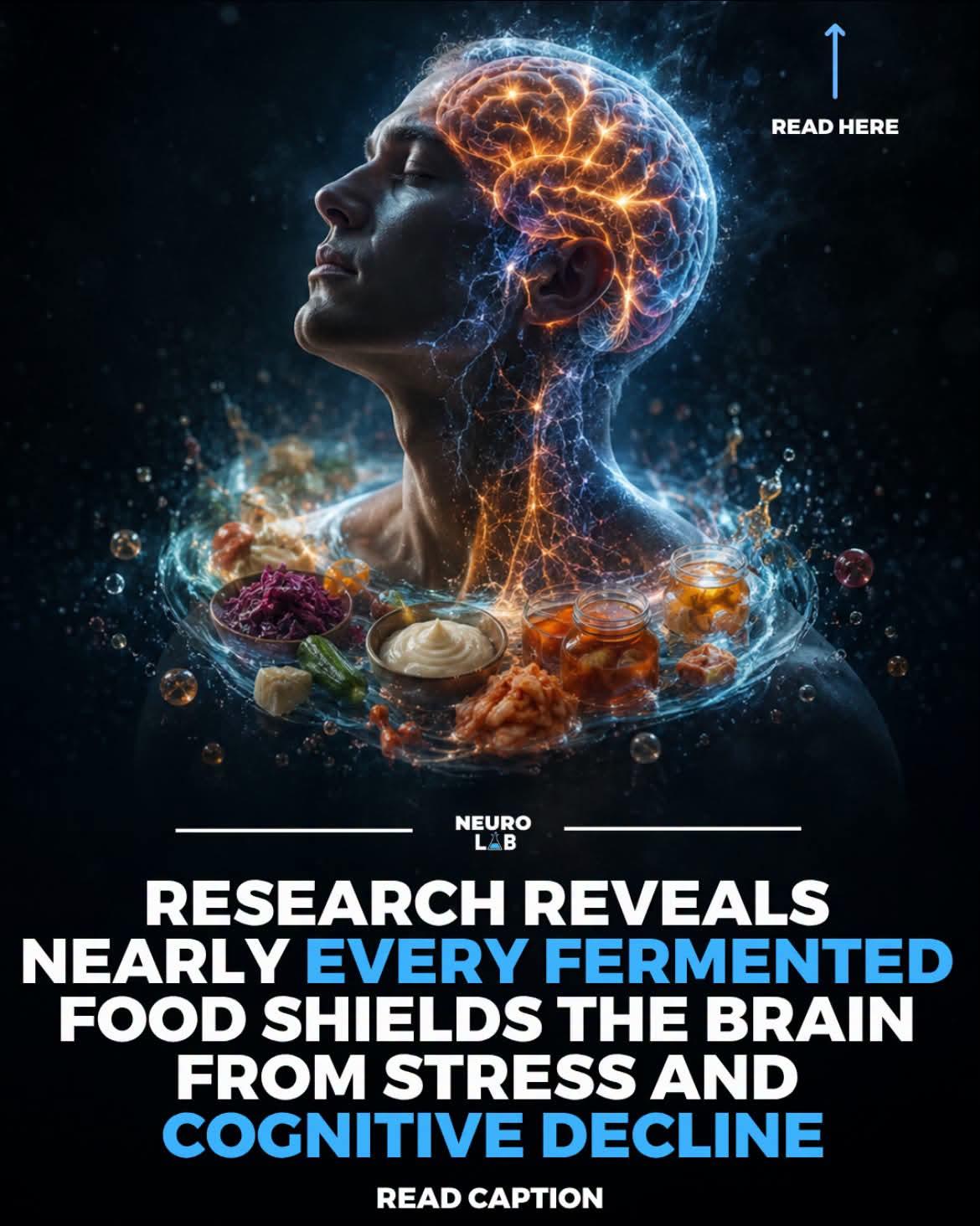
  • Research shows that nearly every fermented food studied, from dairy and soy to rice, garlic, ginseng, and even kimchi, offers measurable protection for the brain. Across 45 studies, fermented foods consistently reduced stress hormones, improved memory and learning, and shielded neurons from the processes that lead to cognitive decline. These benefits weren’t tied to any single culture or food category; they appeared repeatedly across all types, highlighting fermentation itself as the key factor.


    One of the most surprising discoveries is that fermentation can completely flip the impact a food has on the brain. In one study, high tofu intake was associated with poorer memory, while tempeh, the fermented version of soy, was linked to better memory in older adults. This striking contrast shows what fermentation actually does: it creates bioactive compounds such as GABA, antioxidant peptides, and anti-inflammatory molecules that directly support neuroplasticity and help protect against oxidative stress and amyloid buildup associated with Alzheimer’s.


    Fermentation turns everyday foods into powerful protectors of the brain. By lowering cortisol and preserving neurons from degeneration, these traditional foods function as natural shields for long-term cognitive health.


    What makes this especially interesting is the connection between fermented foods, the gut, and the brain. Fermentation can change the chemical and microbial profile of a food, producing metabolites and other compounds that may influence the gut-brain axis. Researchers are increasingly interested in how this two-way communication system between the digestive system and brain may affect stress responses, inflammation, mood, and cognitive function.


    And you don’t necessarily need to completely change your diet to start eating more fermented foods.


    Yogurt can be added to breakfast. Kefir can be used in smoothies. Kimchi or sauerkraut can be served alongside a meal. Tempeh can replace other protein sources in certain dishes. The point isn’t that one fermented food is a magic solution. It’s that regularly including a variety of fermented foods may be one simple way to add potentially beneficial compounds to an already balanced diet.


    There’s also an important distinction people often miss: not every fermented product contains live microorganisms by the time you eat it. Processing methods such as heating or pasteurization can reduce or eliminate live cultures. But that doesn’t necessarily make the food nutritionally worthless, because fermentation can also create compounds and alter nutrients before those processing steps occur.


    And none of this means fermented foods can prevent or treat Alzheimer’s disease on their own. Brain health is influenced by many factors, including overall diet, physical activity, sleep, cardiovascular health, genetics, and age. The research is compelling because fermented foods may represent another piece of that much larger puzzle.


    For something humans have been doing to food for thousands of years, fermentation is turning out to be remarkably interesting from a modern neuroscience perspective.


    Here’s the question: What fermented food do you eat most often?


    Yogurt? Kimchi? Kefir? Tempeh? Sauerkraut? Something else?


    Drop yours in the comments, I’m curious which one is most common.


    And save this post for the next time you’re thinking about what to eat for long-term brain health.


    Then send this to the person you know who eats yogurt, kimchi, kefir, or sauerkraut all the time. They might have another reason to keep eating it.


    One final question: If you could only keep ONE fermented food in your diet for the rest of your life, which one are you choosing?
    Research shows that nearly every fermented food studied, from dairy and soy to rice, garlic, ginseng, and even kimchi, offers measurable protection for the brain. Across 45 studies, fermented foods consistently reduced stress hormones, improved memory and learning, and shielded neurons from the processes that lead to cognitive decline. These benefits weren’t tied to any single culture or food category; they appeared repeatedly across all types, highlighting fermentation itself as the key factor. One of the most surprising discoveries is that fermentation can completely flip the impact a food has on the brain. In one study, high tofu intake was associated with poorer memory, while tempeh, the fermented version of soy, was linked to better memory in older adults. This striking contrast shows what fermentation actually does: it creates bioactive compounds such as GABA, antioxidant peptides, and anti-inflammatory molecules that directly support neuroplasticity and help protect against oxidative stress and amyloid buildup associated with Alzheimer’s. Fermentation turns everyday foods into powerful protectors of the brain. By lowering cortisol and preserving neurons from degeneration, these traditional foods function as natural shields for long-term cognitive health. What makes this especially interesting is the connection between fermented foods, the gut, and the brain. Fermentation can change the chemical and microbial profile of a food, producing metabolites and other compounds that may influence the gut-brain axis. Researchers are increasingly interested in how this two-way communication system between the digestive system and brain may affect stress responses, inflammation, mood, and cognitive function. And you don’t necessarily need to completely change your diet to start eating more fermented foods. Yogurt can be added to breakfast. Kefir can be used in smoothies. Kimchi or sauerkraut can be served alongside a meal. Tempeh can replace other protein sources in certain dishes. The point isn’t that one fermented food is a magic solution. It’s that regularly including a variety of fermented foods may be one simple way to add potentially beneficial compounds to an already balanced diet. There’s also an important distinction people often miss: not every fermented product contains live microorganisms by the time you eat it. Processing methods such as heating or pasteurization can reduce or eliminate live cultures. But that doesn’t necessarily make the food nutritionally worthless, because fermentation can also create compounds and alter nutrients before those processing steps occur. And none of this means fermented foods can prevent or treat Alzheimer’s disease on their own. Brain health is influenced by many factors, including overall diet, physical activity, sleep, cardiovascular health, genetics, and age. The research is compelling because fermented foods may represent another piece of that much larger puzzle. For something humans have been doing to food for thousands of years, fermentation is turning out to be remarkably interesting from a modern neuroscience perspective. Here’s the question: What fermented food do you eat most often? Yogurt? Kimchi? Kefir? Tempeh? Sauerkraut? Something else? Drop yours in the comments, I’m curious which one is most common. And save this post for the next time you’re thinking about what to eat for long-term brain health. Then send this to the person you know who eats yogurt, kimchi, kefir, or sauerkraut all the time. They might have another reason to keep eating it. One final question: If you could only keep ONE fermented food in your diet for the rest of your life, which one are you choosing?
    Love
    Like
    6
    0 Comments 0 Shares 10K Views 0 Reviews
  • Well, my friends… let me tell you another story.

    The other day, I heard whispers of a different kind of private meeting. Not about social media this time. This one was about the future of humanity itself.

    Picture the room. It was a sprawling, glass-walled space, heavy with money and expectation.

    At the center sat a massive mahogany table already nearly filled with the world's billionaires. But the room wasn’t just for the elite.

    Lining the walls were journalists with their recorders flashing, influencers live-streaming to millions, and tech commentators hanging onto every single syllable as they were talking amongst one another.

    They were mesmerized, waiting.

    Then, the heavy doors opened for the final arrivals.

    Elon Musk walked in. Confident. Restless. Focused. He was surrounded by a glowing carousel of slides—sleek rockets, humanoid robots, autonomous electric cars, and sprawling neural networks.

    Right behind him came Bill Gates, composed and calm as ever.

    As they took the last two empty seats at the head of the table, the typing and the whispering stopped.

    Gates spoke, talking about AI assistants, digital ecosystems, optimization, automation, and ruthless efficiency.

    The buzzword echoing off the glass walls?

    “Productivity.”

    Elon leaned forward, resting his hands on the heavy table, and addressed the glowing lenses of the cameras.

    “AI will replace jobs, yes. But it will also create new ones. Eventually, work will be optional.”

    ...Optional. The influencers nodded.

    The journalists furiously typed the headline. It sounded like a utopia.

    But in the far corner of the room, standing in the shadows away from the ring lights—among the camera operators, the security guards, the catering staff, and the ordinary people who actually keep the world turning—a different energy started to brew.

    A murmur rippled through that corner.

    Optional for who?

    Because when you sit at the center of a billionaire's table and say work is optional, it sounds very different to the people leaning against the wall.

    Tell that to the single mother cleaning houses in Johannesburg just to keep the lights on.
    Tell that to the security guard standing right there at the door, about to be replaced by an AI surveillance system.
    Tell that to the call center agent muted by chatbots.
    Tell that to the warehouse picker swapped out for a mechanical arm. Tell that to the taxi driver watching autonomous vehicles map his routes.

    The influencers kept smiling, capturing Elon speaking about abundance and machines doing the heavy lifting so humanity can “pursue passion.”

    But from the corner, a voice finally cut through the polished applause.

    “Let’s slow this down.”

    Heads turned. The cameras pivoted.

    “You’re the richest man in the world, right?” the voice continued, steady and unafraid.

    “And yet… when you bought Twitter and renamed it X… you borrowed billions to do it.

    Forgive the question, but if you hold the world's greatest wealth, why are you borrowing money?

    That’s like owning the biggest, most fertile farm in the country that makes you more money than you could actually spend, but knocking on your neighbour's door to ask for a loan to buy a chicken.

    Something doesn’t quite add up.”

    The room went dead silent. The billionaires stared down the length of the table.

    A chair scraped against the hardwood floor.

    From the back of the room, stepping out from the crowd of the unseen and overlooked, MySA walked forward.

    MySA didn't walk to the center where the billionaires sat.

    Instead, MySA pulled up a chair at the absolute far end of the table, remaining side-by-side with the ordinary people, looking straight down the barrel of the boardroom.

    “Let’s move from your boardroom to your factory floors,” MySA said, asking the questions the journalists were too scared to print.

    “On the production lines of Tesla, welding robots replaced skilled human welders. And we are told it is progress.

    So, let’s ask five simple questions:

    1. The welder who used to weld those car frames—is he still on the payroll, clocking in just to ‘observe’ the robot?
    2. The assembly worker replaced by automated arms—was he carefully retrained into a higher-paying role, or was he simply erased from the roster?
    3. The delivery driver pushed out by autonomous logistics—what exciting new position did you create for him?
    4. The data entry clerk rendered obsolete by AI systems—how does she now buy groceries for her family?
    5. The junior software tester replaced by AI code review—where does he go next when the entry-level door is locked?”

    At the head of the table, the charts go up.

    Productivity increases. Corporate profit margins rise.

    Shareholders stand and clap.

    “But the worker?” MySA asked, the voice echoing in the quiet room.

    “They are handed a box and told to ‘reskill.’

    Reskill into what?

    Into building the very AI that will replace the next person in line?

    Here is the uncomfortable truth: when billionaires speak about AI making work optional, they are not speaking from the perspective of the cleaner, the mechanic, the factory worker, or the cashier.

    They are speaking entirely from the perspective of capital. AI, in your world, increases margins.

    In the real world, AI replaces paychecks.”

    The influencers had stopped recording. The journalists had stopped typing. They were just listening.

    Because right then, the story changed. While the people at the head of the table build systems that centralize power and automate humanity out of relevance, MySA sat at the edge of the table and offered something entirely different.

    No rockets. No Mars colonies. No borrowed billions.

    Just something far more radical. Community.

    “While Silicon Valley talks about replacing humans with machines,” MySA said, “we focus on empowering humans with visibility. While global tech giants optimize for cold automation, we optimize for local opportunity.

    We don’t replace the small business owner with an algorithm.
    We amplify them. We don’t tell the security guard his job is optional. We help local businesses grow so more real, tangible jobs are created. We don’t centralize wealth into sterile data centers.
    We circulate it within the streets, the towns, and the communities that actually need it.

    Because technology should serve humanity—not make it redundant.

    The future shouldn’t belong to the few who hold the patents and own the machines.

    It should belong to the many who wake up in the dark to build, clean, drive, repair, sell, and serve every single day.”

    In a room full of billionaires speaking grandly about replacing people, MySA sat at the end of the table, standing firmly for protecting people.

    And maybe, just maybe, that is the real innovation.

    Not artificial intelligence. But human intelligence.

    #MySA

    Well, my friends… let me tell you another story. The other day, I heard whispers of a different kind of private meeting. Not about social media this time. This one was about the future of humanity itself. Picture the room. It was a sprawling, glass-walled space, heavy with money and expectation. At the center sat a massive mahogany table already nearly filled with the world's billionaires. But the room wasn’t just for the elite. Lining the walls were journalists with their recorders flashing, influencers live-streaming to millions, and tech commentators hanging onto every single syllable as they were talking amongst one another. They were mesmerized, waiting. Then, the heavy doors opened for the final arrivals. Elon Musk walked in. Confident. Restless. Focused. He was surrounded by a glowing carousel of slides—sleek rockets, humanoid robots, autonomous electric cars, and sprawling neural networks. Right behind him came Bill Gates, composed and calm as ever. As they took the last two empty seats at the head of the table, the typing and the whispering stopped. Gates spoke, talking about AI assistants, digital ecosystems, optimization, automation, and ruthless efficiency. The buzzword echoing off the glass walls? “Productivity.” Elon leaned forward, resting his hands on the heavy table, and addressed the glowing lenses of the cameras. “AI will replace jobs, yes. But it will also create new ones. Eventually, work will be optional.” ...Optional. The influencers nodded. The journalists furiously typed the headline. It sounded like a utopia. But in the far corner of the room, standing in the shadows away from the ring lights—among the camera operators, the security guards, the catering staff, and the ordinary people who actually keep the world turning—a different energy started to brew. A murmur rippled through that corner. Optional for who? Because when you sit at the center of a billionaire's table and say work is optional, it sounds very different to the people leaning against the wall. Tell that to the single mother cleaning houses in Johannesburg just to keep the lights on. Tell that to the security guard standing right there at the door, about to be replaced by an AI surveillance system. Tell that to the call center agent muted by chatbots. Tell that to the warehouse picker swapped out for a mechanical arm. Tell that to the taxi driver watching autonomous vehicles map his routes. The influencers kept smiling, capturing Elon speaking about abundance and machines doing the heavy lifting so humanity can “pursue passion.” But from the corner, a voice finally cut through the polished applause. “Let’s slow this down.” Heads turned. The cameras pivoted. “You’re the richest man in the world, right?” the voice continued, steady and unafraid. “And yet… when you bought Twitter and renamed it X… you borrowed billions to do it. Forgive the question, but if you hold the world's greatest wealth, why are you borrowing money? That’s like owning the biggest, most fertile farm in the country that makes you more money than you could actually spend, but knocking on your neighbour's door to ask for a loan to buy a chicken. Something doesn’t quite add up.” The room went dead silent. The billionaires stared down the length of the table. A chair scraped against the hardwood floor. From the back of the room, stepping out from the crowd of the unseen and overlooked, MySA walked forward. MySA didn't walk to the center where the billionaires sat. Instead, MySA pulled up a chair at the absolute far end of the table, remaining side-by-side with the ordinary people, looking straight down the barrel of the boardroom. “Let’s move from your boardroom to your factory floors,” MySA said, asking the questions the journalists were too scared to print. “On the production lines of Tesla, welding robots replaced skilled human welders. And we are told it is progress. So, let’s ask five simple questions: 1. The welder who used to weld those car frames—is he still on the payroll, clocking in just to ‘observe’ the robot? 2. The assembly worker replaced by automated arms—was he carefully retrained into a higher-paying role, or was he simply erased from the roster? 3. The delivery driver pushed out by autonomous logistics—what exciting new position did you create for him? 4. The data entry clerk rendered obsolete by AI systems—how does she now buy groceries for her family? 5. The junior software tester replaced by AI code review—where does he go next when the entry-level door is locked?” At the head of the table, the charts go up. Productivity increases. Corporate profit margins rise. Shareholders stand and clap. “But the worker?” MySA asked, the voice echoing in the quiet room. “They are handed a box and told to ‘reskill.’ Reskill into what? Into building the very AI that will replace the next person in line? Here is the uncomfortable truth: when billionaires speak about AI making work optional, they are not speaking from the perspective of the cleaner, the mechanic, the factory worker, or the cashier. They are speaking entirely from the perspective of capital. AI, in your world, increases margins. In the real world, AI replaces paychecks.” The influencers had stopped recording. The journalists had stopped typing. They were just listening. Because right then, the story changed. While the people at the head of the table build systems that centralize power and automate humanity out of relevance, MySA sat at the edge of the table and offered something entirely different. No rockets. No Mars colonies. No borrowed billions. Just something far more radical. Community. “While Silicon Valley talks about replacing humans with machines,” MySA said, “we focus on empowering humans with visibility. While global tech giants optimize for cold automation, we optimize for local opportunity. We don’t replace the small business owner with an algorithm. We amplify them. We don’t tell the security guard his job is optional. We help local businesses grow so more real, tangible jobs are created. We don’t centralize wealth into sterile data centers. We circulate it within the streets, the towns, and the communities that actually need it. Because technology should serve humanity—not make it redundant. The future shouldn’t belong to the few who hold the patents and own the machines. It should belong to the many who wake up in the dark to build, clean, drive, repair, sell, and serve every single day.” In a room full of billionaires speaking grandly about replacing people, MySA sat at the end of the table, standing firmly for protecting people. And maybe, just maybe, that is the real innovation. Not artificial intelligence. But human intelligence. #MySA

    Love
    Like
    4
    0 Comments 0 Shares 19K Views 0 Reviews
  • Feeling stuck or struggling to think outside the box? Science has a simple solution: move your body. Research shows that even light physical activity, like walking, can boost creative output by up to 60 percent. Walking increases blood flow to the brain, stimulates neural activity, and encourages divergent thinking—the type of thinking that generates new, innovative ideas.

    Whether it’s a short stroll around the block, pacing during brainstorming sessions, or a walk in nature, movement helps unlock mental blocks and sparks fresh perspectives. Studies comparing sitting versus walking participants consistently show that those on the move produce more creative solutions, ideas, and breakthroughs.

    The best part? You don’t need a gym or special equipment—just your own two feet. Incorporating regular walks into your routine isn’t just great for physical health; it’s a powerful tool to enhance problem-solving, idea generation, and overall cognitive flexibility.
    Feeling stuck or struggling to think outside the box? Science has a simple solution: move your body. Research shows that even light physical activity, like walking, can boost creative output by up to 60 percent. Walking increases blood flow to the brain, stimulates neural activity, and encourages divergent thinking—the type of thinking that generates new, innovative ideas. Whether it’s a short stroll around the block, pacing during brainstorming sessions, or a walk in nature, movement helps unlock mental blocks and sparks fresh perspectives. Studies comparing sitting versus walking participants consistently show that those on the move produce more creative solutions, ideas, and breakthroughs. The best part? You don’t need a gym or special equipment—just your own two feet. Incorporating regular walks into your routine isn’t just great for physical health; it’s a powerful tool to enhance problem-solving, idea generation, and overall cognitive flexibility.
    0 Comments 0 Shares 5K Views 0 Reviews
  • Life has a remarkable way of reminding us, at just the right moments, how full of possibility it truly is. Stepping into the new year as Global Director at Verified feels both humbling and energising—a milestone that marks not just a new role, but a renewed sense of responsibility and vision.

    As Verified evolves and its systems are upgraded and introduced globally, I’m excited by the transformation ahead. We are entering an era where trust, transparency, and accountability in online information are no longer optional—they are essential. Being part of shaping how information is verified, shared, and relied upon across borders is a challenge I welcome wholeheartedly. The impact this will have on institutions, businesses, and individuals worldwide is something I believe will redefine digital credibility for years to come.

    On a personal level, this year is also about balance and perspective. I hope to spend more time exploring new places, reconnecting with nature, and enjoying the quiet moments that often inspire the clearest thinking. Continued learning, meaningful conversations, and building lasting relationships—both professionally and personally—remain high on my list.

    Looking ahead, my greatest hope is to contribute to a more trustworthy digital world while staying grounded in what truly matters: integrity, curiosity, and gratitude. The journey forward is exciting, and this feels like a wonderful beginning.

    Here’s to growth, clarity, and the extraordinary opportunities that unfold when purpose meets possibility.
    Life has a remarkable way of reminding us, at just the right moments, how full of possibility it truly is. Stepping into the new year as Global Director at Verified feels both humbling and energising—a milestone that marks not just a new role, but a renewed sense of responsibility and vision. As Verified evolves and its systems are upgraded and introduced globally, I’m excited by the transformation ahead. We are entering an era where trust, transparency, and accountability in online information are no longer optional—they are essential. Being part of shaping how information is verified, shared, and relied upon across borders is a challenge I welcome wholeheartedly. The impact this will have on institutions, businesses, and individuals worldwide is something I believe will redefine digital credibility for years to come. On a personal level, this year is also about balance and perspective. I hope to spend more time exploring new places, reconnecting with nature, and enjoying the quiet moments that often inspire the clearest thinking. Continued learning, meaningful conversations, and building lasting relationships—both professionally and personally—remain high on my list. Looking ahead, my greatest hope is to contribute to a more trustworthy digital world while staying grounded in what truly matters: integrity, curiosity, and gratitude. The journey forward is exciting, and this feels like a wonderful beginning. Here’s to growth, clarity, and the extraordinary opportunities that unfold when purpose meets possibility.
    Like
    Love
    4
    0 Comments 0 Shares 11K Views 0 Reviews
  • Joining the MySA social network feels like a fitting way to step into this next chapter.

    As the year slows down and many of us take a moment to breathe, reflect, and spend time with family, I’m reminded of how important balance really is — between work and rest, ambition and gratitude, progress and presence. The holidays offer that rare pause where ideas settle, perspectives sharpen, and new energy quietly builds.

    Technology never truly sleeps, but it does evolve — and so do we. Being part of MySA connects me to a community that values meaningful conversation, local insight, and shared growth. It’s refreshing to be on a platform rooted in South Africa, yet open to the world — much like the way we experience technology today.

    As I look ahead, I’m excited for the work still to come: unpacking global tech developments, translating innovation into understanding, and helping people see how the digital world shapes our everyday lives — here at home and beyond.

    Here’s to a season of reflection, renewed focus, and thoughtful progress. I’m glad to be here, and I’m looking forward to the conversations ahead.

    #MySA
    Joining the MySA social network feels like a fitting way to step into this next chapter. As the year slows down and many of us take a moment to breathe, reflect, and spend time with family, I’m reminded of how important balance really is — between work and rest, ambition and gratitude, progress and presence. The holidays offer that rare pause where ideas settle, perspectives sharpen, and new energy quietly builds. Technology never truly sleeps, but it does evolve — and so do we. Being part of MySA connects me to a community that values meaningful conversation, local insight, and shared growth. It’s refreshing to be on a platform rooted in South Africa, yet open to the world — much like the way we experience technology today. As I look ahead, I’m excited for the work still to come: unpacking global tech developments, translating innovation into understanding, and helping people see how the digital world shapes our everyday lives — here at home and beyond. Here’s to a season of reflection, renewed focus, and thoughtful progress. I’m glad to be here, and I’m looking forward to the conversations ahead. #MySA
    Love
    Like
    11
    0 Comments 0 Shares 17K Views 0 Reviews
  • As a new day breaks, so does the next chapter of what lies ahead.

    Guided by a clear vision, strong leadership, and the knowledge gained along the journey, we’re excited to share an update on the road forward.

    After a well-deserved pause to spend time with family and recharge, our development team is back at work — putting the final touches on the new Trustoria Global and South Africa News & Information Portal. This milestone represents more than 120 days of focused development, refinement, and careful planning.

    In the coming days, Trustoria will open to the public on both an international and South African scale. This launch is a significant step forward, not only because of what is being released now, but because it brings us closer to revealing everything that is about to come into the light.

    What makes this moment so important is that Trustoria becomes the central voice across our ecosystem — a place where you’ll find trusted news, insightful articles, verified reviews, and in-depth coverage of developments happening across all our platforms. Our journalists will be actively reporting on breaking stories, global perspectives, and meaningful progress, delivering a filtered, credible, and modern news and information experience like never before.

    Exciting times are ahead. This is just the beginning — and we can’t wait to share what’s coming next.

    #Trustoria
    As a new day breaks, so does the next chapter of what lies ahead. Guided by a clear vision, strong leadership, and the knowledge gained along the journey, we’re excited to share an update on the road forward. After a well-deserved pause to spend time with family and recharge, our development team is back at work — putting the final touches on the new Trustoria Global and South Africa News & Information Portal. This milestone represents more than 120 days of focused development, refinement, and careful planning. In the coming days, Trustoria will open to the public on both an international and South African scale. This launch is a significant step forward, not only because of what is being released now, but because it brings us closer to revealing everything that is about to come into the light. What makes this moment so important is that Trustoria becomes the central voice across our ecosystem — a place where you’ll find trusted news, insightful articles, verified reviews, and in-depth coverage of developments happening across all our platforms. Our journalists will be actively reporting on breaking stories, global perspectives, and meaningful progress, delivering a filtered, credible, and modern news and information experience like never before. Exciting times are ahead. This is just the beginning — and we can’t wait to share what’s coming next. #Trustoria
    Love
    Like
    11
    1 Comments 0 Shares 4K Views 0 Reviews
  • How to Become More Positive: A Complete Guide to Building a Positive Mindset

    Staying positive isn’t about ignoring life’s challenges—it’s about training your mind to respond with clarity, resilience, and hope. By intentionally adopting healthy habits and thoughts, you can shift your perspective and live a more fulfilling, motivated life. Below is a complete guide to help you develop a positive attitude, supported by simple steps, practical examples, and powerful mindset techniques.


    🌟 What Is Positivity in Simple Words?

    Positivity is the tendency to focus on the good in life. It means practicing optimistic thinking, nurturing helpful emotions, and choosing actions rooted in kindness, gratitude, and growth. Being positive doesn’t mean avoiding the negative—it means navigating it with strength and awareness.


    🌱 How to Focus on Positive Thinking

    1. Identify Areas You Want to Change
    Take note of situations, habits, or thought patterns that bring negativity into your life. Awareness is the first step to transformation.

    2. Check In With Yourself
    Throughout the day, pause and ask: “Are my thoughts helping me or hurting me?”
    This practice trains your mind to stay mindful and intentional.

    3. Be Open to Humor
    Laughter instantly lifts your mood, reduces stress, and helps you reconnect with joy—even in difficult moments.

    4. Live a Healthy Lifestyle
    Good sleep, exercise, hydration, and nourishing foods all support a balanced, positive mindset.

    5. Surround Yourself With Positive People
    The energy you absorb from others directly impacts your outlook. Choose relationships that uplift and inspire.

    6. Practice Positive Self-Talk
    Replace limiting thoughts with empowering ones. Your inner voice shapes how you feel and act every day.


    💛 Five Examples of Positive Attitudes

    1. Changing Your Perspective
    Seeing challenges as opportunities strengthens resilience and emotional intelligence.

    2. Smiling and Showing Kindness
    Simple acts of kindness create a ripple effect of positivity around you.

    3. Practicing Self-Compassion
    Treat yourself with the same understanding and patience you give others.

    4. Not Taking Things Personally
    Letting go of external judgments frees you from unnecessary stress.

    5. Celebrating Others' Success
    Other people’s wins do not diminish your own. This mindset attracts abundance into your life.


    🧠 How to Train Your Mind to Be Positive

    • Practice gratitude daily
    • Challenge negative thoughts and replace them with healthier ones
    • Use affirmations that reflect your goals and values
    • Engage in physical activity to boost mood naturally
    • Spend time in positive environments that energize you
    • Help others, even in small ways—giving boosts happiness

    These methods strengthen your mental “positivity muscles” over time.


    ✨ What Are the Benefits of Positivity?

    Positivity influences your brain, your body, and your relationships:

    • Activates the prefrontal cortex, improving clarity and problem-solving
    • Reduces cortisol, the stress hormone
    • Boosts creativity and mental productivity
    • Increases overall happiness, resilience, and emotional balance

    A positive mindset doesn’t only feel good—it supports better health and a more meaningful life.


    🔶 The 6 Steps to Build a Positive Attitude

    1. Start Your Day Right
    Begin with an uplifting thought, affirmation, or intention.

    2. Practice Gratitude
    Reflect on what you have—not what you lack.

    3. Surround Yourself With Positivity
    Choose environments, people, and content that nourish your mind.

    4. Learn From Setbacks
    Mistakes are stepping stones toward wisdom and self-improvement.

    5. Develop Soft Skills
    Skills like communication, patience, and empathy make daily life smoother and happier.

    6. Practice Self-Care
    Take breaks, rest when needed, and honor your physical and emotional needs.

    Bonus Tips
    • Set realistic goals to stay motivated
    • Stay curious—keep learning, exploring, and growing


    Final Positive Thoughts

    Stay focused on the good. Every positive choice you make strengthens your mind, lifts your spirit, and moves you closer to the life you want. Keep growing, keep believing, and keep choosing the light—your positivity is your power.
    How to Become More Positive: A Complete Guide to Building a Positive Mindset Staying positive isn’t about ignoring life’s challenges—it’s about training your mind to respond with clarity, resilience, and hope. By intentionally adopting healthy habits and thoughts, you can shift your perspective and live a more fulfilling, motivated life. Below is a complete guide to help you develop a positive attitude, supported by simple steps, practical examples, and powerful mindset techniques. 🌟 What Is Positivity in Simple Words? Positivity is the tendency to focus on the good in life. It means practicing optimistic thinking, nurturing helpful emotions, and choosing actions rooted in kindness, gratitude, and growth. Being positive doesn’t mean avoiding the negative—it means navigating it with strength and awareness. 🌱 How to Focus on Positive Thinking 1. Identify Areas You Want to Change Take note of situations, habits, or thought patterns that bring negativity into your life. Awareness is the first step to transformation. 2. Check In With Yourself Throughout the day, pause and ask: “Are my thoughts helping me or hurting me?” This practice trains your mind to stay mindful and intentional. 3. Be Open to Humor Laughter instantly lifts your mood, reduces stress, and helps you reconnect with joy—even in difficult moments. 4. Live a Healthy Lifestyle Good sleep, exercise, hydration, and nourishing foods all support a balanced, positive mindset. 5. Surround Yourself With Positive People The energy you absorb from others directly impacts your outlook. Choose relationships that uplift and inspire. 6. Practice Positive Self-Talk Replace limiting thoughts with empowering ones. Your inner voice shapes how you feel and act every day. 💛 Five Examples of Positive Attitudes 1. Changing Your Perspective Seeing challenges as opportunities strengthens resilience and emotional intelligence. 2. Smiling and Showing Kindness Simple acts of kindness create a ripple effect of positivity around you. 3. Practicing Self-Compassion Treat yourself with the same understanding and patience you give others. 4. Not Taking Things Personally Letting go of external judgments frees you from unnecessary stress. 5. Celebrating Others' Success Other people’s wins do not diminish your own. This mindset attracts abundance into your life. 🧠 How to Train Your Mind to Be Positive • Practice gratitude daily • Challenge negative thoughts and replace them with healthier ones • Use affirmations that reflect your goals and values • Engage in physical activity to boost mood naturally • Spend time in positive environments that energize you • Help others, even in small ways—giving boosts happiness These methods strengthen your mental “positivity muscles” over time. ✨ What Are the Benefits of Positivity? Positivity influences your brain, your body, and your relationships: • Activates the prefrontal cortex, improving clarity and problem-solving • Reduces cortisol, the stress hormone • Boosts creativity and mental productivity • Increases overall happiness, resilience, and emotional balance A positive mindset doesn’t only feel good—it supports better health and a more meaningful life. 🔶 The 6 Steps to Build a Positive Attitude 1. Start Your Day Right Begin with an uplifting thought, affirmation, or intention. 2. Practice Gratitude Reflect on what you have—not what you lack. 3. Surround Yourself With Positivity Choose environments, people, and content that nourish your mind. 4. Learn From Setbacks Mistakes are stepping stones toward wisdom and self-improvement. 5. Develop Soft Skills Skills like communication, patience, and empathy make daily life smoother and happier. 6. Practice Self-Care Take breaks, rest when needed, and honor your physical and emotional needs. Bonus Tips • Set realistic goals to stay motivated • Stay curious—keep learning, exploring, and growing Final Positive Thoughts Stay focused on the good. Every positive choice you make strengthens your mind, lifts your spirit, and moves you closer to the life you want. Keep growing, keep believing, and keep choosing the light—your positivity is your power.
    Love
    Like
    3
    0 Comments 1 Shares 13K Views 0 Reviews
  • 💡 The “Broken Lightbulb Principle”: How a Factory Mistake Created One of the Brightest Ideas in History

    In the 1920s, a small lighting company in Ohio faced a serious problem.
    Their bulbs kept breaking during shipment.

    Every crate arrived with shattered glass… sometimes entire batches ruined.
    Distributors were furious.
    The factory lost thousands.

    They tried thicker glass.
    More padding.
    Nothing worked.

    Then one night, a foreman noticed something odd.
    A single crate… filled with broken bulbs… was glowing faintly in the dark.

    He pried it open and realized what happened:
    One broken bulb had shorted a filament and was still faintly lit.

    Instead of tossing it out, he brought it to his boss and said:
    “It’s broken, but it’s still shining.”

    That sentence changed everything.

    The company’s owner had an idea:
    What if we made bulbs that looked imperfect on purpose… hand-blown, irregular, each one slightly unique?

    It would make people feel like they were buying art, not hardware.

    They launched a new line called Edison Style Bulbs… inspired by the “mistake.”
    Those uneven, vintage filaments?
    They became the foundation of modern ambient lighting… used in restaurants, coffee shops, and homes around the world.

    💡 The Lesson:

    Perfection sells products.
    Imperfection sells stories.

    The human eye doesn’t fall in love with flawless …it falls in love with authentic.

    That’s why:
    • We trust handwritten notes more than typed ones.
    • We love the scratchy sound of vinyl records.
    • We pay extra for “distressed” jeans.

    We don’t crave perfect light …we crave warmth.

    🧠 The Nerdy Takeaway:

    The Broken Lightbulb Principle reminds us that mistakes aren’t always defects… sometimes they’re direction.

    If something in your business “breaks,” look closer.
    It might be trying to shine in a new way.

    Because the difference between a failure and a breakthrough…
    is usually just perspective…and a little light.
    💡 The “Broken Lightbulb Principle”: How a Factory Mistake Created One of the Brightest Ideas in History In the 1920s, a small lighting company in Ohio faced a serious problem. Their bulbs kept breaking during shipment. Every crate arrived with shattered glass… sometimes entire batches ruined. Distributors were furious. The factory lost thousands. They tried thicker glass. More padding. Nothing worked. Then one night, a foreman noticed something odd. A single crate… filled with broken bulbs… was glowing faintly in the dark. He pried it open and realized what happened: One broken bulb had shorted a filament and was still faintly lit. Instead of tossing it out, he brought it to his boss and said: “It’s broken, but it’s still shining.” That sentence changed everything. The company’s owner had an idea: What if we made bulbs that looked imperfect on purpose… hand-blown, irregular, each one slightly unique? It would make people feel like they were buying art, not hardware. They launched a new line called Edison Style Bulbs… inspired by the “mistake.” Those uneven, vintage filaments? They became the foundation of modern ambient lighting… used in restaurants, coffee shops, and homes around the world. 💡 The Lesson: Perfection sells products. Imperfection sells stories. The human eye doesn’t fall in love with flawless …it falls in love with authentic. That’s why: • We trust handwritten notes more than typed ones. • We love the scratchy sound of vinyl records. • We pay extra for “distressed” jeans. We don’t crave perfect light …we crave warmth. 🧠 The Nerdy Takeaway: The Broken Lightbulb Principle reminds us that mistakes aren’t always defects… sometimes they’re direction. If something in your business “breaks,” look closer. It might be trying to shine in a new way. Because the difference between a failure and a breakthrough… is usually just perspective…and a little light.
    Love
    Like
    16
    0 Comments 0 Shares 2K Views 0 Reviews
  • 🤵‍♂️ Motivational Stories for Business and Work 🤵‍♀️

    Succeeding in business is no easy feat. Challenges, setbacks, and rejections are inevitable. But what separates success from failure is persistence — the will to get back up, learn, and keep going. These powerful motivational stories prove that with hard work, determination, and self-belief, any level of success is possible.

    1. Colonel Sanders | Kentucky Fried Chicken

    Once there was an elderly man who was broke, living in a small house, and driving a beat-up car. He survived on $99 social security checks. At 65 years old, he decided it was time to make a change.

    He looked at what he had to offer — and realized his chicken recipe was something special. His friends always raved about it. So, he packed his belongings and hit the road, traveling from state to state, pitching his recipe to restaurant owners.

    He offered his chicken recipe for free, asking only for a small percentage of the profits from the sales. Sounds fair, right? But over 1,000 restaurant owners turned him down. Still, he refused to give up. He truly believed in his recipe.

    After 1,009 rejections, someone finally said yes. That one “yes” changed everything. Colonel Harland Sanders went on to create Kentucky Fried Chicken (KFC) — one of the most recognizable brands in the world.

    👉 Lesson: never give up and always believe in yourself in spite of rejection.

    2. The Obstacle in Our Path

    A wealthy and curious king once placed a giant boulder in the middle of a busy road. Then, he hid nearby to observe what would happen.

    The king’s richest merchants and courtiers passed by first. Instead of moving the boulder, they simply walked around it, complaining loudly about the king for not keeping the roads clear. None of them even tried to move the obstacle.

    Eventually, a poor peasant came along, carrying vegetables on his back. When he reached the boulder, he set his load down and tried to push it aside. It took a lot of effort, but he finally managed to move it out of the way.

    As he bent down to pick up his load, he noticed a purse lying in the road where the boulder had been. Inside it were gold coins — and a note from the king explaining that the gold was a reward for anyone who removed the obstacle.

    👉 Lesson: every obstacle presents an opportunity to improve our condition. Those willing to put in the effort to overcome challenges often discover rewards that others miss.

    3. Value

    At the start of a seminar, a motivational speaker held up a crisp $20 bill in front of a crowd of 200 people. He asked, “Who wants this $20 bill?”

    Every hand went up.

    He then crumpled the bill and asked again, “Who still wants it?”
    All the hands stayed raised.

    Next, he dropped the bill on the floor, stomped on it, and picked it back up — now dirty and wrinkled. “Who still wants it?” he asked once more.
    Again, every hand went up.

    He smiled and said:

    “No matter what I did to this bill — crumpled it, stepped on it — it didn’t lose its value. It’s still worth $20. The same is true for you. No matter what happens, no matter how many times life knocks you down or how dirty you feel, your value never decreases. You are still worthy.”

    👉 Lesson: Many times in life, we get crumpled, stepped on, and ground into the dirt by challenges, mistakes, or circumstances beyond our control. We make poor choices, face rejection, or endure seasons that test our spirit. During those moments, it’s easy to feel defeated or worthless. Just like a crumpled bill remains worth the same, you are still valuable, you are capable, and worthy of success, your value never decreases. You are special — never forget it.

    4. A Very Special Bank Account

    Imagine having a bank account that deposits $86,400 every morning. The account doesn’t carry over any balance — whatever you don’t use is lost forever at the end of the day. What would you do? You’d use every cent wisely, right?

    You already have such an account — it’s called Time.
    Every day, you’re given 86,400 seconds to use. Whatever you don’t spend wisely is gone forever. There are no loans, no overdrafts, and no carrying over to the next day.

    You can’t save time, but you can invest it — in your goals, your growth, and your dreams. Each morning gives you a new opportunity to make the most of your time.

    👉 Lesson: Time is your most valuable currency. Use it with purpose, because once it’s gone, it’s gone forever.

    Final Thought

    Whether you’re an entrepreneur, a leader, or an employee chasing your goals — these stories remind us that persistence, perspective, and purpose are the cornerstones of success. Every challenge hides a lesson. Every day is a new opportunity. And no matter how hard things get, your value and potential remain constant.

    If You Believe it, You Can Achieve it!!!
    🤵‍♂️ Motivational Stories for Business and Work 🤵‍♀️ Succeeding in business is no easy feat. Challenges, setbacks, and rejections are inevitable. But what separates success from failure is persistence — the will to get back up, learn, and keep going. These powerful motivational stories prove that with hard work, determination, and self-belief, any level of success is possible. 1. Colonel Sanders | Kentucky Fried Chicken Once there was an elderly man who was broke, living in a small house, and driving a beat-up car. He survived on $99 social security checks. At 65 years old, he decided it was time to make a change. He looked at what he had to offer — and realized his chicken recipe was something special. His friends always raved about it. So, he packed his belongings and hit the road, traveling from state to state, pitching his recipe to restaurant owners. He offered his chicken recipe for free, asking only for a small percentage of the profits from the sales. Sounds fair, right? But over 1,000 restaurant owners turned him down. Still, he refused to give up. He truly believed in his recipe. After 1,009 rejections, someone finally said yes. That one “yes” changed everything. Colonel Harland Sanders went on to create Kentucky Fried Chicken (KFC) — one of the most recognizable brands in the world. 👉 Lesson: never give up and always believe in yourself in spite of rejection. 2. The Obstacle in Our Path A wealthy and curious king once placed a giant boulder in the middle of a busy road. Then, he hid nearby to observe what would happen. The king’s richest merchants and courtiers passed by first. Instead of moving the boulder, they simply walked around it, complaining loudly about the king for not keeping the roads clear. None of them even tried to move the obstacle. Eventually, a poor peasant came along, carrying vegetables on his back. When he reached the boulder, he set his load down and tried to push it aside. It took a lot of effort, but he finally managed to move it out of the way. As he bent down to pick up his load, he noticed a purse lying in the road where the boulder had been. Inside it were gold coins — and a note from the king explaining that the gold was a reward for anyone who removed the obstacle. 👉 Lesson: every obstacle presents an opportunity to improve our condition. Those willing to put in the effort to overcome challenges often discover rewards that others miss. 3. Value At the start of a seminar, a motivational speaker held up a crisp $20 bill in front of a crowd of 200 people. He asked, “Who wants this $20 bill?” Every hand went up. He then crumpled the bill and asked again, “Who still wants it?” All the hands stayed raised. Next, he dropped the bill on the floor, stomped on it, and picked it back up — now dirty and wrinkled. “Who still wants it?” he asked once more. Again, every hand went up. He smiled and said: “No matter what I did to this bill — crumpled it, stepped on it — it didn’t lose its value. It’s still worth $20. The same is true for you. No matter what happens, no matter how many times life knocks you down or how dirty you feel, your value never decreases. You are still worthy.” 👉 Lesson: Many times in life, we get crumpled, stepped on, and ground into the dirt by challenges, mistakes, or circumstances beyond our control. We make poor choices, face rejection, or endure seasons that test our spirit. During those moments, it’s easy to feel defeated or worthless. Just like a crumpled bill remains worth the same, you are still valuable, you are capable, and worthy of success, your value never decreases. You are special — never forget it. 4. A Very Special Bank Account Imagine having a bank account that deposits $86,400 every morning. The account doesn’t carry over any balance — whatever you don’t use is lost forever at the end of the day. What would you do? You’d use every cent wisely, right? You already have such an account — it’s called Time. Every day, you’re given 86,400 seconds to use. Whatever you don’t spend wisely is gone forever. There are no loans, no overdrafts, and no carrying over to the next day. You can’t save time, but you can invest it — in your goals, your growth, and your dreams. Each morning gives you a new opportunity to make the most of your time. 👉 Lesson: Time is your most valuable currency. Use it with purpose, because once it’s gone, it’s gone forever. Final Thought Whether you’re an entrepreneur, a leader, or an employee chasing your goals — these stories remind us that persistence, perspective, and purpose are the cornerstones of success. Every challenge hides a lesson. Every day is a new opportunity. And no matter how hard things get, your value and potential remain constant. If You Believe it, You Can Achieve it!!!
    Love
    Like
    3
    1 Comments 1 Shares 22K Views 0 Reviews
More Results
MySA - South Africa https://mysa.social