• Research shows that nearly every fermented food studied, from dairy and soy to rice, garlic, ginseng, and even kimchi, offers measurable protection for the brain. Across 45 studies, fermented foods consistently reduced stress hormones, improved memory and learning, and shielded neurons from the processes that lead to cognitive decline. These benefits weren’t tied to any single culture or food category; they appeared repeatedly across all types, highlighting fermentation itself as the key factor.


    One of the most surprising discoveries is that fermentation can completely flip the impact a food has on the brain. In one study, high tofu intake was associated with poorer memory, while tempeh, the fermented version of soy, was linked to better memory in older adults. This striking contrast shows what fermentation actually does: it creates bioactive compounds such as GABA, antioxidant peptides, and anti-inflammatory molecules that directly support neuroplasticity and help protect against oxidative stress and amyloid buildup associated with Alzheimer’s.


    Fermentation turns everyday foods into powerful protectors of the brain. By lowering cortisol and preserving neurons from degeneration, these traditional foods function as natural shields for long-term cognitive health.


    What makes this especially interesting is the connection between fermented foods, the gut, and the brain. Fermentation can change the chemical and microbial profile of a food, producing metabolites and other compounds that may influence the gut-brain axis. Researchers are increasingly interested in how this two-way communication system between the digestive system and brain may affect stress responses, inflammation, mood, and cognitive function.


    And you don’t necessarily need to completely change your diet to start eating more fermented foods.


    Yogurt can be added to breakfast. Kefir can be used in smoothies. Kimchi or sauerkraut can be served alongside a meal. Tempeh can replace other protein sources in certain dishes. The point isn’t that one fermented food is a magic solution. It’s that regularly including a variety of fermented foods may be one simple way to add potentially beneficial compounds to an already balanced diet.


    There’s also an important distinction people often miss: not every fermented product contains live microorganisms by the time you eat it. Processing methods such as heating or pasteurization can reduce or eliminate live cultures. But that doesn’t necessarily make the food nutritionally worthless, because fermentation can also create compounds and alter nutrients before those processing steps occur.


    And none of this means fermented foods can prevent or treat Alzheimer’s disease on their own. Brain health is influenced by many factors, including overall diet, physical activity, sleep, cardiovascular health, genetics, and age. The research is compelling because fermented foods may represent another piece of that much larger puzzle.


    For something humans have been doing to food for thousands of years, fermentation is turning out to be remarkably interesting from a modern neuroscience perspective.


    Here’s the question: What fermented food do you eat most often?


    Yogurt? Kimchi? Kefir? Tempeh? Sauerkraut? Something else?


    Drop yours in the comments, I’m curious which one is most common.


    And save this post for the next time you’re thinking about what to eat for long-term brain health.


    Then send this to the person you know who eats yogurt, kimchi, kefir, or sauerkraut all the time. They might have another reason to keep eating it.


    One final question: If you could only keep ONE fermented food in your diet for the rest of your life, which one are you choosing?
    Research shows that nearly every fermented food studied, from dairy and soy to rice, garlic, ginseng, and even kimchi, offers measurable protection for the brain. Across 45 studies, fermented foods consistently reduced stress hormones, improved memory and learning, and shielded neurons from the processes that lead to cognitive decline. These benefits weren’t tied to any single culture or food category; they appeared repeatedly across all types, highlighting fermentation itself as the key factor. One of the most surprising discoveries is that fermentation can completely flip the impact a food has on the brain. In one study, high tofu intake was associated with poorer memory, while tempeh, the fermented version of soy, was linked to better memory in older adults. This striking contrast shows what fermentation actually does: it creates bioactive compounds such as GABA, antioxidant peptides, and anti-inflammatory molecules that directly support neuroplasticity and help protect against oxidative stress and amyloid buildup associated with Alzheimer’s. Fermentation turns everyday foods into powerful protectors of the brain. By lowering cortisol and preserving neurons from degeneration, these traditional foods function as natural shields for long-term cognitive health. What makes this especially interesting is the connection between fermented foods, the gut, and the brain. Fermentation can change the chemical and microbial profile of a food, producing metabolites and other compounds that may influence the gut-brain axis. Researchers are increasingly interested in how this two-way communication system between the digestive system and brain may affect stress responses, inflammation, mood, and cognitive function. And you don’t necessarily need to completely change your diet to start eating more fermented foods. Yogurt can be added to breakfast. Kefir can be used in smoothies. Kimchi or sauerkraut can be served alongside a meal. Tempeh can replace other protein sources in certain dishes. The point isn’t that one fermented food is a magic solution. It’s that regularly including a variety of fermented foods may be one simple way to add potentially beneficial compounds to an already balanced diet. There’s also an important distinction people often miss: not every fermented product contains live microorganisms by the time you eat it. Processing methods such as heating or pasteurization can reduce or eliminate live cultures. But that doesn’t necessarily make the food nutritionally worthless, because fermentation can also create compounds and alter nutrients before those processing steps occur. And none of this means fermented foods can prevent or treat Alzheimer’s disease on their own. Brain health is influenced by many factors, including overall diet, physical activity, sleep, cardiovascular health, genetics, and age. The research is compelling because fermented foods may represent another piece of that much larger puzzle. For something humans have been doing to food for thousands of years, fermentation is turning out to be remarkably interesting from a modern neuroscience perspective. Here’s the question: What fermented food do you eat most often? Yogurt? Kimchi? Kefir? Tempeh? Sauerkraut? Something else? Drop yours in the comments, I’m curious which one is most common. And save this post for the next time you’re thinking about what to eat for long-term brain health. Then send this to the person you know who eats yogurt, kimchi, kefir, or sauerkraut all the time. They might have another reason to keep eating it. One final question: If you could only keep ONE fermented food in your diet for the rest of your life, which one are you choosing?
    Love
    Like
    6
    0 Comments 0 Shares 10K Views 0 Reviews
  • The slow, gradual decline in testosterone with age is normal. Chronic stress is what accelerates it into a real problem — and the mechanism is direct.


    Here’s what happens: cortisol (your stress hormone) and testosterone work in opposition. When your body is under sustained stress, it prioritizes cortisol production — and the raw materials and signaling get diverted away from testosterone.


    Chronic high cortisol also:
    🔻 Disrupts sleep — and most testosterone is made during deep sleep, so the two compound each other
    🔻 Drives visceral (belly) fat — which produces aromatase, converting testosterone into estrogen
    🔻 Reduces libido, motivation, and mood


    So stress hits your hormones from several directions at once, creating a downward spiral.


    Signs stress is costing you hormonally:
    ⚠️ Low libido and drive
    ⚠️ Belly fat that won’t shift
    ⚠️ “Wired but tired,” with poor sleep
    ⚠️ Irritability and a flat mood


    What genuinely helps break the cycle:
    ✅ Manage stress directly — slow breathing (long exhales), time outdoors, saying no to chronic overload
    ✅ Protect sleep — the foundation of testosterone production
    ✅ Strength training — builds muscle and supports testosterone
    ✅ Cut alcohol, which worsens both cortisol and sleep


    Age takes about 1% a year. Unmanaged chronic stress can take far more — and unlike aging, it’s something you can actually address.


    #MensHealth #TestosteroneSupport
    The slow, gradual decline in testosterone with age is normal. Chronic stress is what accelerates it into a real problem — and the mechanism is direct. Here’s what happens: cortisol (your stress hormone) and testosterone work in opposition. When your body is under sustained stress, it prioritizes cortisol production — and the raw materials and signaling get diverted away from testosterone. Chronic high cortisol also: 🔻 Disrupts sleep — and most testosterone is made during deep sleep, so the two compound each other 🔻 Drives visceral (belly) fat — which produces aromatase, converting testosterone into estrogen 🔻 Reduces libido, motivation, and mood So stress hits your hormones from several directions at once, creating a downward spiral. Signs stress is costing you hormonally: ⚠️ Low libido and drive ⚠️ Belly fat that won’t shift ⚠️ “Wired but tired,” with poor sleep ⚠️ Irritability and a flat mood What genuinely helps break the cycle: ✅ Manage stress directly — slow breathing (long exhales), time outdoors, saying no to chronic overload ✅ Protect sleep — the foundation of testosterone production ✅ Strength training — builds muscle and supports testosterone ✅ Cut alcohol, which worsens both cortisol and sleep Age takes about 1% a year. Unmanaged chronic stress can take far more — and unlike aging, it’s something you can actually address. #MensHealth #TestosteroneSupport
    0 Comments 0 Shares 5K Views 0 Reviews
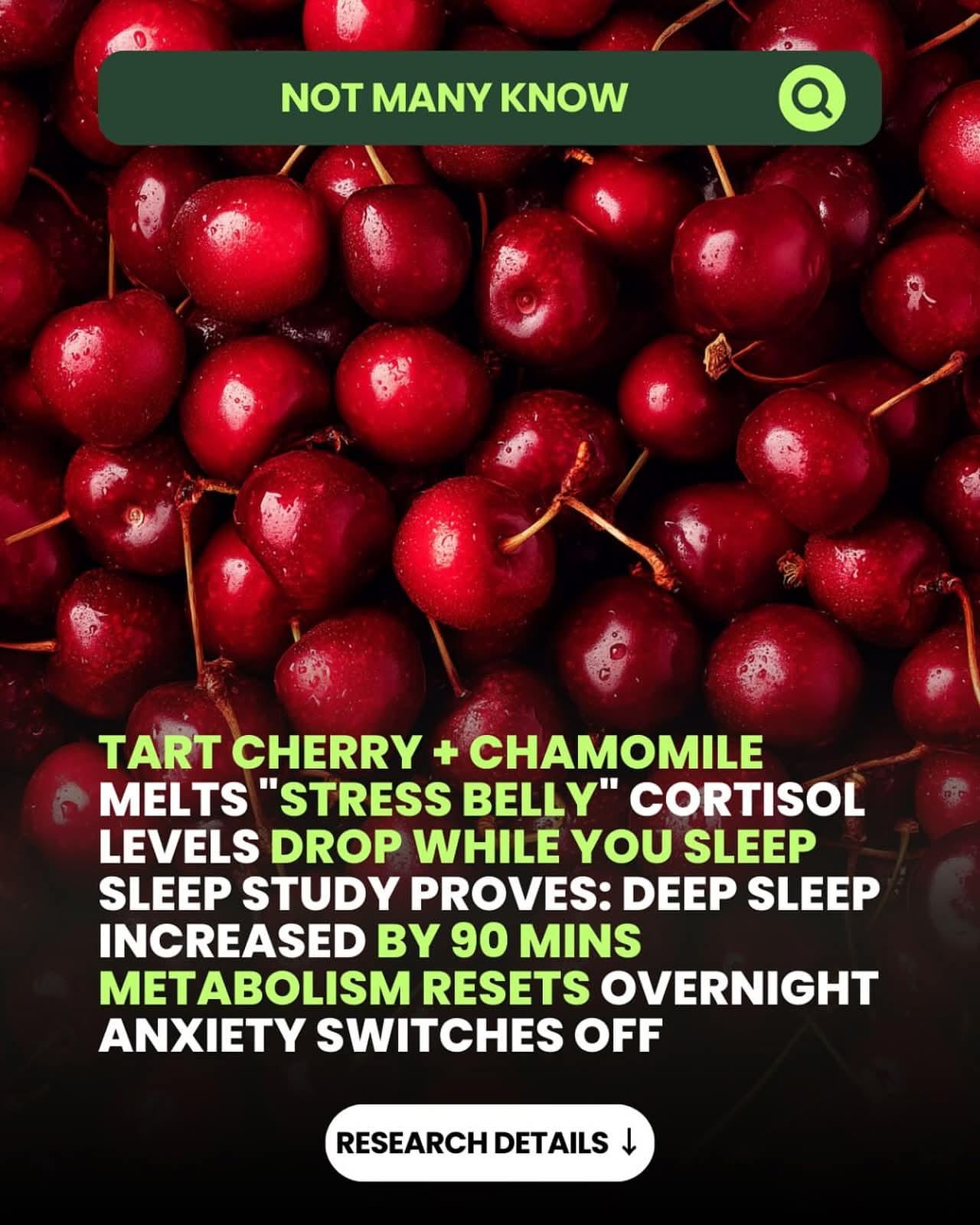
  • You can’t burn fat if you don’t sleep deep... High cortisol (stress hormone) locks your fat cells. Even if you diet, the stress keeps the belly fat right where it is. Tart Cherry is one of the few natural sources of Melatonin. Chamomile contains Apigenin, which sedates the nervous system effectively. Sleep studies prove: This combination drops cortisol levels by 30% overnight. When cortisol drops, your body switches to burning fat for fuel during REM sleep. You wake up lighter and completely rested. The “Sleep & Shrink” Elixir. Warm tart cherry juice with a bag of chamomile tea and a drop of honey before bed. It’s a natural sedative that slims you down.
    You can’t burn fat if you don’t sleep deep... High cortisol (stress hormone) locks your fat cells. Even if you diet, the stress keeps the belly fat right where it is. Tart Cherry is one of the few natural sources of Melatonin. Chamomile contains Apigenin, which sedates the nervous system effectively. Sleep studies prove: This combination drops cortisol levels by 30% overnight. When cortisol drops, your body switches to burning fat for fuel during REM sleep. You wake up lighter and completely rested. The “Sleep & Shrink” Elixir. Warm tart cherry juice with a bag of chamomile tea and a drop of honey before bed. It’s a natural sedative that slims you down.
    Like
    Love
    5
    0 Comments 0 Shares 1K Views 0 Reviews
  • How to Become More Positive: A Complete Guide to Building a Positive Mindset

    Staying positive isn’t about ignoring life’s challenges—it’s about training your mind to respond with clarity, resilience, and hope. By intentionally adopting healthy habits and thoughts, you can shift your perspective and live a more fulfilling, motivated life. Below is a complete guide to help you develop a positive attitude, supported by simple steps, practical examples, and powerful mindset techniques.


    🌟 What Is Positivity in Simple Words?

    Positivity is the tendency to focus on the good in life. It means practicing optimistic thinking, nurturing helpful emotions, and choosing actions rooted in kindness, gratitude, and growth. Being positive doesn’t mean avoiding the negative—it means navigating it with strength and awareness.


    🌱 How to Focus on Positive Thinking

    1. Identify Areas You Want to Change
    Take note of situations, habits, or thought patterns that bring negativity into your life. Awareness is the first step to transformation.

    2. Check In With Yourself
    Throughout the day, pause and ask: “Are my thoughts helping me or hurting me?”
    This practice trains your mind to stay mindful and intentional.

    3. Be Open to Humor
    Laughter instantly lifts your mood, reduces stress, and helps you reconnect with joy—even in difficult moments.

    4. Live a Healthy Lifestyle
    Good sleep, exercise, hydration, and nourishing foods all support a balanced, positive mindset.

    5. Surround Yourself With Positive People
    The energy you absorb from others directly impacts your outlook. Choose relationships that uplift and inspire.

    6. Practice Positive Self-Talk
    Replace limiting thoughts with empowering ones. Your inner voice shapes how you feel and act every day.


    💛 Five Examples of Positive Attitudes

    1. Changing Your Perspective
    Seeing challenges as opportunities strengthens resilience and emotional intelligence.

    2. Smiling and Showing Kindness
    Simple acts of kindness create a ripple effect of positivity around you.

    3. Practicing Self-Compassion
    Treat yourself with the same understanding and patience you give others.

    4. Not Taking Things Personally
    Letting go of external judgments frees you from unnecessary stress.

    5. Celebrating Others' Success
    Other people’s wins do not diminish your own. This mindset attracts abundance into your life.


    🧠 How to Train Your Mind to Be Positive

    • Practice gratitude daily
    • Challenge negative thoughts and replace them with healthier ones
    • Use affirmations that reflect your goals and values
    • Engage in physical activity to boost mood naturally
    • Spend time in positive environments that energize you
    • Help others, even in small ways—giving boosts happiness

    These methods strengthen your mental “positivity muscles” over time.


    ✨ What Are the Benefits of Positivity?

    Positivity influences your brain, your body, and your relationships:

    • Activates the prefrontal cortex, improving clarity and problem-solving
    • Reduces cortisol, the stress hormone
    • Boosts creativity and mental productivity
    • Increases overall happiness, resilience, and emotional balance

    A positive mindset doesn’t only feel good—it supports better health and a more meaningful life.


    🔶 The 6 Steps to Build a Positive Attitude

    1. Start Your Day Right
    Begin with an uplifting thought, affirmation, or intention.

    2. Practice Gratitude
    Reflect on what you have—not what you lack.

    3. Surround Yourself With Positivity
    Choose environments, people, and content that nourish your mind.

    4. Learn From Setbacks
    Mistakes are stepping stones toward wisdom and self-improvement.

    5. Develop Soft Skills
    Skills like communication, patience, and empathy make daily life smoother and happier.

    6. Practice Self-Care
    Take breaks, rest when needed, and honor your physical and emotional needs.

    Bonus Tips
    • Set realistic goals to stay motivated
    • Stay curious—keep learning, exploring, and growing


    Final Positive Thoughts

    Stay focused on the good. Every positive choice you make strengthens your mind, lifts your spirit, and moves you closer to the life you want. Keep growing, keep believing, and keep choosing the light—your positivity is your power.

    How to Become More Positive: A Complete Guide to Building a Positive Mindset Staying positive isn’t about ignoring life’s challenges—it’s about training your mind to respond with clarity, resilience, and hope. By intentionally adopting healthy habits and thoughts, you can shift your perspective and live a more fulfilling, motivated life. Below is a complete guide to help you develop a positive attitude, supported by simple steps, practical examples, and powerful mindset techniques. 🌟 What Is Positivity in Simple Words? Positivity is the tendency to focus on the good in life. It means practicing optimistic thinking, nurturing helpful emotions, and choosing actions rooted in kindness, gratitude, and growth. Being positive doesn’t mean avoiding the negative—it means navigating it with strength and awareness. 🌱 How to Focus on Positive Thinking 1. Identify Areas You Want to Change Take note of situations, habits, or thought patterns that bring negativity into your life. Awareness is the first step to transformation. 2. Check In With Yourself Throughout the day, pause and ask: “Are my thoughts helping me or hurting me?” This practice trains your mind to stay mindful and intentional. 3. Be Open to Humor Laughter instantly lifts your mood, reduces stress, and helps you reconnect with joy—even in difficult moments. 4. Live a Healthy Lifestyle Good sleep, exercise, hydration, and nourishing foods all support a balanced, positive mindset. 5. Surround Yourself With Positive People The energy you absorb from others directly impacts your outlook. Choose relationships that uplift and inspire. 6. Practice Positive Self-Talk Replace limiting thoughts with empowering ones. Your inner voice shapes how you feel and act every day. 💛 Five Examples of Positive Attitudes 1. Changing Your Perspective Seeing challenges as opportunities strengthens resilience and emotional intelligence. 2. Smiling and Showing Kindness Simple acts of kindness create a ripple effect of positivity around you. 3. Practicing Self-Compassion Treat yourself with the same understanding and patience you give others. 4. Not Taking Things Personally Letting go of external judgments frees you from unnecessary stress. 5. Celebrating Others' Success Other people’s wins do not diminish your own. This mindset attracts abundance into your life. 🧠 How to Train Your Mind to Be Positive • Practice gratitude daily • Challenge negative thoughts and replace them with healthier ones • Use affirmations that reflect your goals and values • Engage in physical activity to boost mood naturally • Spend time in positive environments that energize you • Help others, even in small ways—giving boosts happiness These methods strengthen your mental “positivity muscles” over time. ✨ What Are the Benefits of Positivity? Positivity influences your brain, your body, and your relationships: • Activates the prefrontal cortex, improving clarity and problem-solving • Reduces cortisol, the stress hormone • Boosts creativity and mental productivity • Increases overall happiness, resilience, and emotional balance A positive mindset doesn’t only feel good—it supports better health and a more meaningful life. 🔶 The 6 Steps to Build a Positive Attitude 1. Start Your Day Right Begin with an uplifting thought, affirmation, or intention. 2. Practice Gratitude Reflect on what you have—not what you lack. 3. Surround Yourself With Positivity Choose environments, people, and content that nourish your mind. 4. Learn From Setbacks Mistakes are stepping stones toward wisdom and self-improvement. 5. Develop Soft Skills Skills like communication, patience, and empathy make daily life smoother and happier. 6. Practice Self-Care Take breaks, rest when needed, and honor your physical and emotional needs. Bonus Tips • Set realistic goals to stay motivated • Stay curious—keep learning, exploring, and growing Final Positive Thoughts Stay focused on the good. Every positive choice you make strengthens your mind, lifts your spirit, and moves you closer to the life you want. Keep growing, keep believing, and keep choosing the light—your positivity is your power.

    Love
    Like
    3
    0 Comments 1 Shares 14K Views 0 Reviews
  • Shatavari Capsules – Hormonal Balance, Women’s Wellness & Natural Rejuvenation New
    R140.00
    Available
    Klerksdorp Central, Klerksdorp, South Africa
    0 Reviews
    Support your body’s natural rhythm with Shatavari Capsules, a trusted Ayurvedic herb known for promoting hormonal balance, reproductive health, and emotional well-being.

    Pack of 60 capsules

    Key Benefits:

    • Eases PMS & Menstrual Discomfort-

    Helps regulate hormonal fluctuations, easing PMS symptoms such as menstrual cramps, bloating, and mood swings for a more comfortable monthly cycle.

    • Supports Uterine & Reproductive Health-

    Promotes a healthy uterus, may improve fertility, and supports overall reproductive wellness.

    • Menopause Relief-

    May help reduce common menopausal symptoms including hot flashes, night sweats, and vaginal dryness, supporting comfort through hormonal transitions.

    • Enhances Breast Milk Production-

    Helps increase prolactin levels, naturally boosting breast milk production in nursing mothers.

    • Regulates Menstrual Cycles-

    Supports more balanced and consistent menstrual cycles by helping harmonize hormonal activity.

    • Stress Reduction & Relaxation-

    May help lower cortisol levels, promoting calmness, relaxation, and emotional balance.

    Gentle, Natural, and Designed for Women’s Health

    Perfect for women seeking natural support for hormonal balance, reproductive well-being, menstrual comfort, and emotional harmony—at every stage of life.
    Support your body’s natural rhythm with Shatavari Capsules, a trusted Ayurvedic herb known for promoting hormonal balance, reproductive health, and emotional well-being. Pack of 60 capsules Key Benefits: • Eases PMS & Menstrual Discomfort- Helps regulate hormonal fluctuations, easing PMS symptoms such as menstrual cramps, bloating, and mood swings for a more comfortable monthly cycle. • Supports Uterine & Reproductive Health- Promotes a healthy uterus, may improve fertility, and supports overall reproductive wellness. • Menopause Relief- May help reduce common menopausal symptoms including hot flashes, night sweats, and vaginal dryness, supporting comfort through hormonal transitions. • Enhances Breast Milk Production- Helps increase prolactin levels, naturally boosting breast milk production in nursing mothers. • Regulates Menstrual Cycles- Supports more balanced and consistent menstrual cycles by helping harmonize hormonal activity. • Stress Reduction & Relaxation- May help lower cortisol levels, promoting calmness, relaxation, and emotional balance. Gentle, Natural, and Designed for Women’s Health Perfect for women seeking natural support for hormonal balance, reproductive well-being, menstrual comfort, and emotional harmony—at every stage of life.
    Like
    Love
    11
    0 Comments 0 Shares 6K Views 0 Reviews
MySA - South Africa https://mysa.social