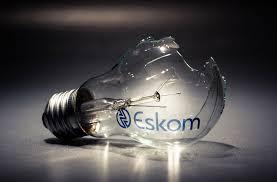


History of Electricity in SA
💥 Early Electrification (Late 1800s)
Kimberley: The first town in South Africa to have electric streetlights, installed in 1882.
Johannesburg: The discovery of gold on the Witwatersrand in 1886 spurred rapid urban and industrial growth. The city installed its first gas engine-powered lighting plant in 1889 and introduced its first electricity reticulation system in 1891.
Municipal expansion: Other cities soon followed, with many establishing their own municipal power stations and supply systems during the 1890s and early 1900s.
💥 The Establishment of Eskom and the National Grid (Early 1900s–1970s)
Consolidation of power: Before Eskom’s creation, electricity supply was fragmented among numerous municipalities and private companies.
Eskom’s creation: In 1923, the government founded the Electricity Supply Commission (ESCOM) to coordinate electricity generation and distribution nationwide — marking the start of a centralized power system.
Growth around coal: South Africa’s vast coal reserves became the foundation of its electricity supply. Large power stations were constructed near coal mines, particularly in the Highveld region.
National grid development: By the 1960s, Eskom had completed South Africa’s first national power network, linking major coal-fired plants in the northeast to urban and industrial centers across the country.
💥 Diversification and Expansion (1970s–Present)
Diversifying energy sources: To meet growing national demand, Eskom built the Koeberg Nuclear Power Station, which began operating in 1984.
Hydroelectric and pumped storage: Hydroelectric projects were developed along the Orange River, and a pumped-storage scheme was established in the Drakensberg Mountains to balance supply and demand.
Universal access: From the 1990s onward, major electrification drives aimed to extend electricity access to previously unserved communities.
Renewable energy: In recent decades, South Africa has shifted toward cleaner energy sources, notably through the Renewable Energy Independent Power Producer Procurement Programme (REIPPPP), promoting the growth of solar and wind power generation.


6.3K Views