


What Are Parasitic Plants? Control Measures and Cultural Practices
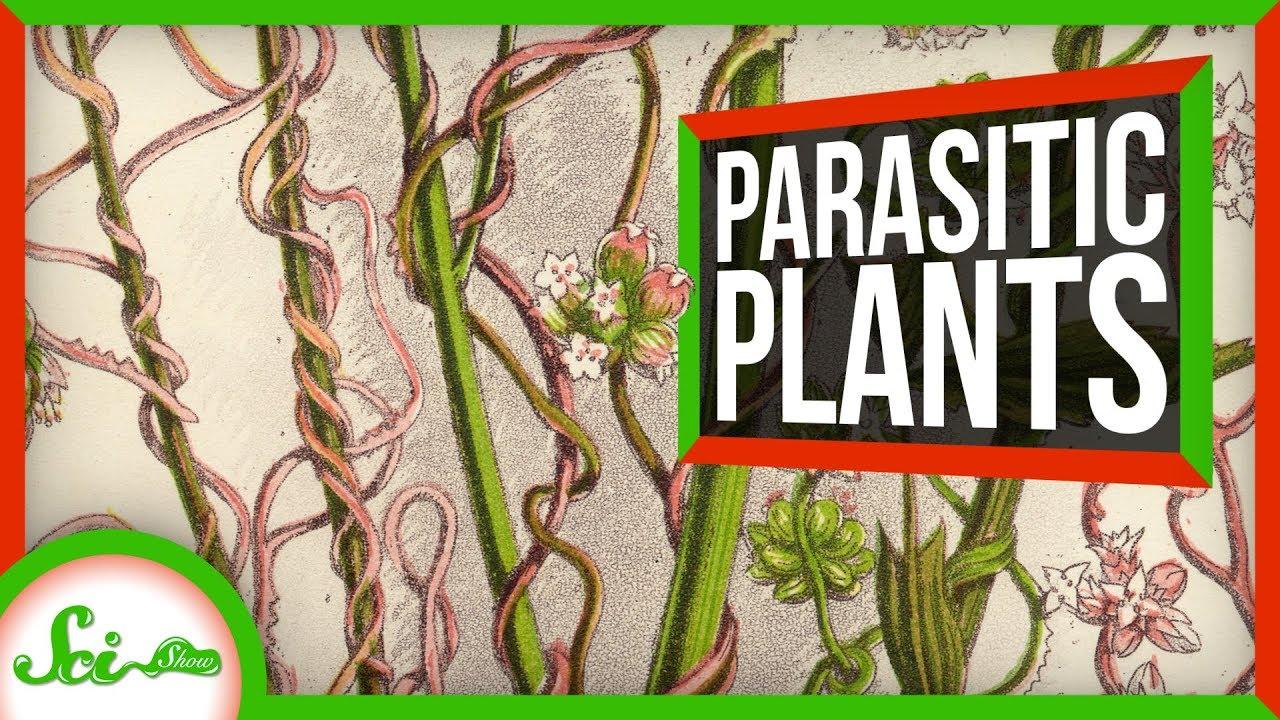
Parasitic plants are plants that survive by obtaining water and nutrients from other plants, known as host plants. They do this through specialized feeding structures called haustoria, which penetrate the host’s roots or stems and tap directly into its vascular system. Depending on the species, parasitic plants may rely partly or entirely on their hosts for survival.
Parasitic Plants in South Africa 🌿
South Africa is home to an extraordinary diversity of parasitic plants, ranging from familiar tree parasites to bizarre underground species.
You’ll find:
- Above-ground parasites, such as mistletoes clinging to trees.
- Underground root parasites, like Hydnora africana, hidden beneath the soil and emerging only to flower.
Many of these plants are ecological specialists, some attracting pollinators with foul odours, others with striking colours, highlighting their remarkable adaptations.
Examples of South African Parasitic Plants
- Mistletoes (Loranthaceae, Viscaceae)
Shrubby stem parasites growing on trees such as Acacia and Boscia, using haustoria to extract water and nutrients.

- Hydnora africana (Jackal Food)
A strange underground root parasite of Euphorbia, producing foul-smelling flowers to attract beetles. Its fruit is edible and traditionally used.
- Cytinus (Vampire Cups / Ground Roses)
Root parasites often found in fynbos, with vivid red flowers like Cytinus sanguineus, pollinated by sunbirds.

- Mystropetalon (Bloodcobs)
Root parasites of Proteaceae such as Protea, often dispersed by ants.
- Harveya (Ghost Flowers)
Brightly coloured, non-green root parasites completely lacking chlorophyll.

- Striga (Witchweeds)
Among the most destructive parasitic weeds in Africa, attacking staple crops like maize and sorghum.
- Cassytha (Love Vine)
A thin, twining stem parasite (hemiparasite) that can infest trees such as cashew and mango.

Categories of Parasitic Plants
1. Based on Chlorophyll
- Hemiparasites (Semiparasites)
Contain chlorophyll and can photosynthesize to some extent (e.g. mistletoes, Striga). - Holoparasites
Lack chlorophyll and depend entirely on their host (e.g. Orobanche, Hydnora).
2. Based on Germination
- Obligate parasites
Require a host to germinate and form haustoria (e.g. Striga). - Facultative parasites
Can germinate without a host and may mature independently under favourable conditions.
3. Based on Attachment Site
- Root parasites: Hydnora, Cytinus, Striga
- Stem parasites: Mistletoes, Cassytha
Impact on Agriculture and Ecosystems
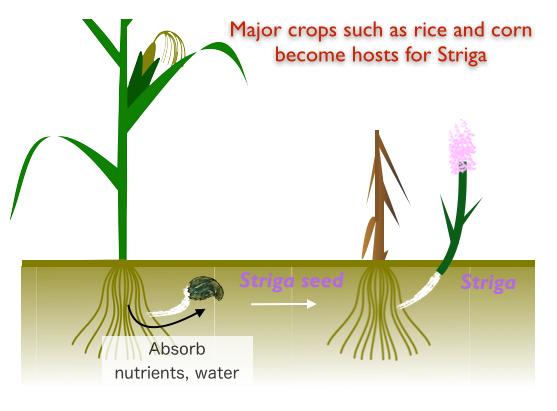
While many parasitic plants are fascinating native species with ecological roles, others pose serious challenges. Witchweeds (Striga), despite being hemiparasites, are among the most damaging agricultural pests in Africa, threatening food security by parasitizing staple crops.
Control Measures for Parasitic Weeds
Simply pulling parasitic weeds often does little to reduce crop damage, but early removal before seed production helps reduce the soil seed bank. Witchweed seeds remain viable even after passing through livestock, so infected plants should never be used as fodder.
Modern control strategies fall into five broad categories:
- Resistant and tolerant host varieties
- Cultural practices
- Microbiological techniques
- Chemical control
- Host-induced gene silencing
For small-scale farmers, resistant varieties and cultural practices are the most practical and affordable.
Resistant vs Tolerant Crop Varieties
- Resistant crops prevent or limit parasite attachment and development.
- Tolerant crops can still produce acceptable yields despite infestation.
Decades of research, especially on sorghum, have led to varieties that release fewer germination stimulants for Striga. Institutions such as ICRISAT and IITA continue to develop and distribute resistant seeds, offering long-term benefits to farmers who save seed.
Cultural Practices That Work 🌱
- Shifting cultivation
Allowing land to rest so witchweed seeds germinate and die without a host.
- Push–Pull Technology
Intercropping maize with desmodium, which suppresses Striga and repels insect pests, while surrounding fields with napier grass to attract pests away from crops.

- Legume Intercropping
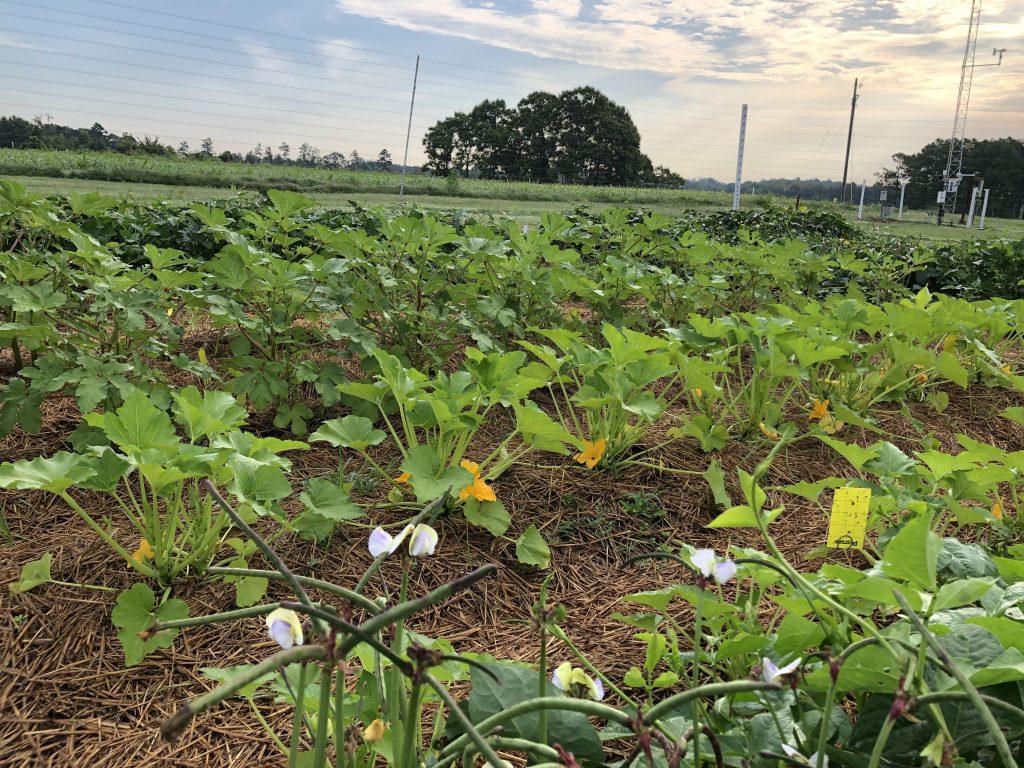
Crops like cowpea, crotalaria, and green gram act as non-hosts, inducing “suicidal germination” of Striga seeds.
- Soil fertility improvement
Adding organic matter and using microdosing of fertilizer can significantly reduce infestation by improving crop vigor and soil health.
Final Thoughts 🌍
Parasitic plants are a remarkable part of South Africa’s botanical heritage, ranging from hidden underground curiosities to aggressive agricultural weeds. Understanding their biology is key: while some enrich ecosystems and biodiversity, others require thoughtful management to protect crops and livelihoods.
For farmers, the most sustainable path lies in resistant crop varieties, smart intercropping, and healthy soils. When combined, these approaches not only suppress parasitic weeds like Striga but also strengthen long-term food security and ecological balance.


- News & Current Affairs
- Business & Economy
- Finance & Money
- Education & Learning
- Technology & Innovation
- Science & Environment
- Health & Wellness
- Food & Drink
- Home, Garden & Lifestyle
- Travel & Tourism
- Fashion & Beauty
- Art & Culture
- Entertainment & Media
- Sports & Recreation
- Personal Growth & Lifestyle
- Careers & Work
- Tutorials & How-To Guides
- Real Estate & Property
- Automotive
- Family & Relationships
- Environment & Sustainability
- Law & Legal Matters
- Gaming & Esports
- Religion & Spirituality
- Community & Local Voices
- Miscellaneous
- History