


Osteoarthritis: Causes, Symptoms, Diet, Herbal and Natural Approach
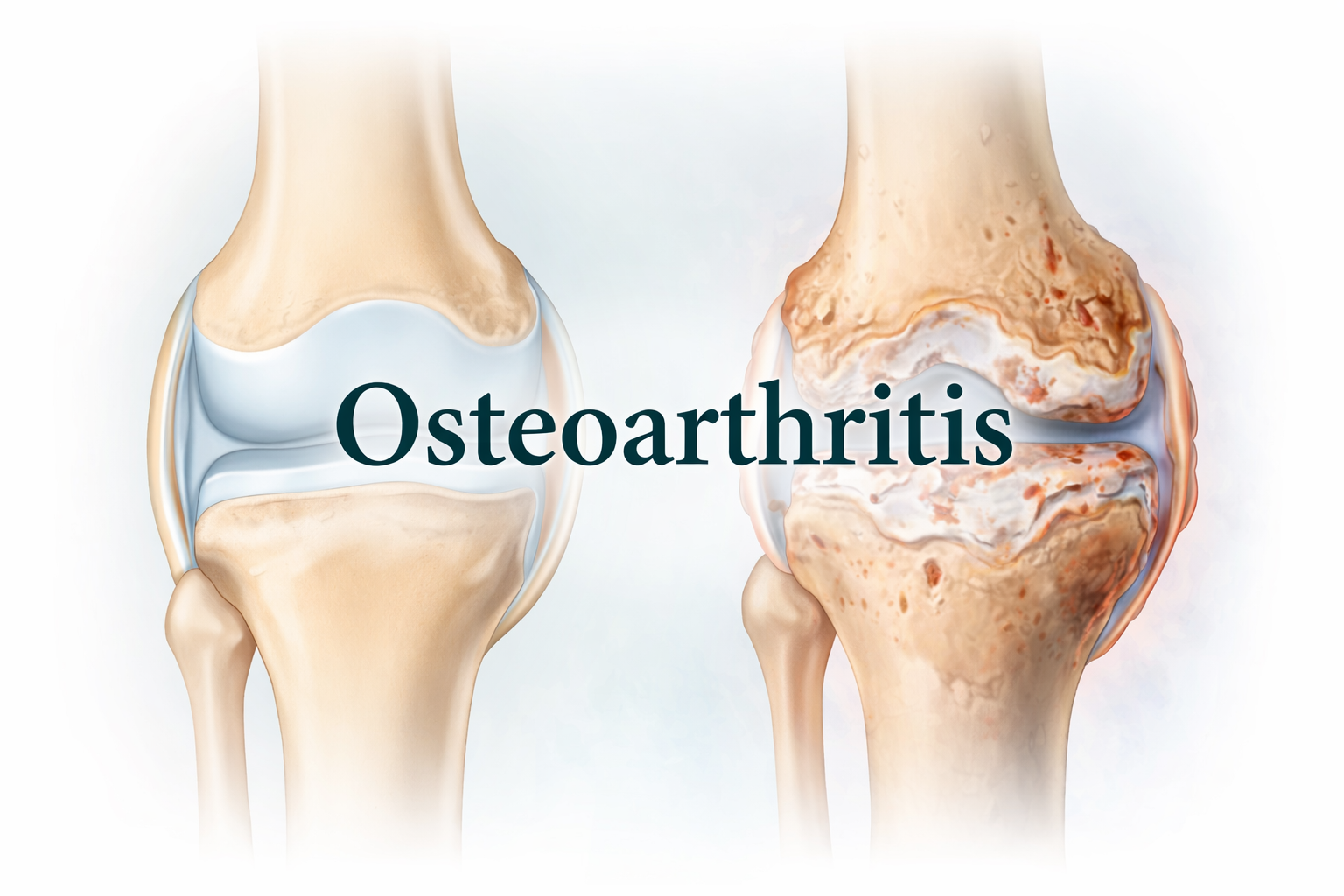
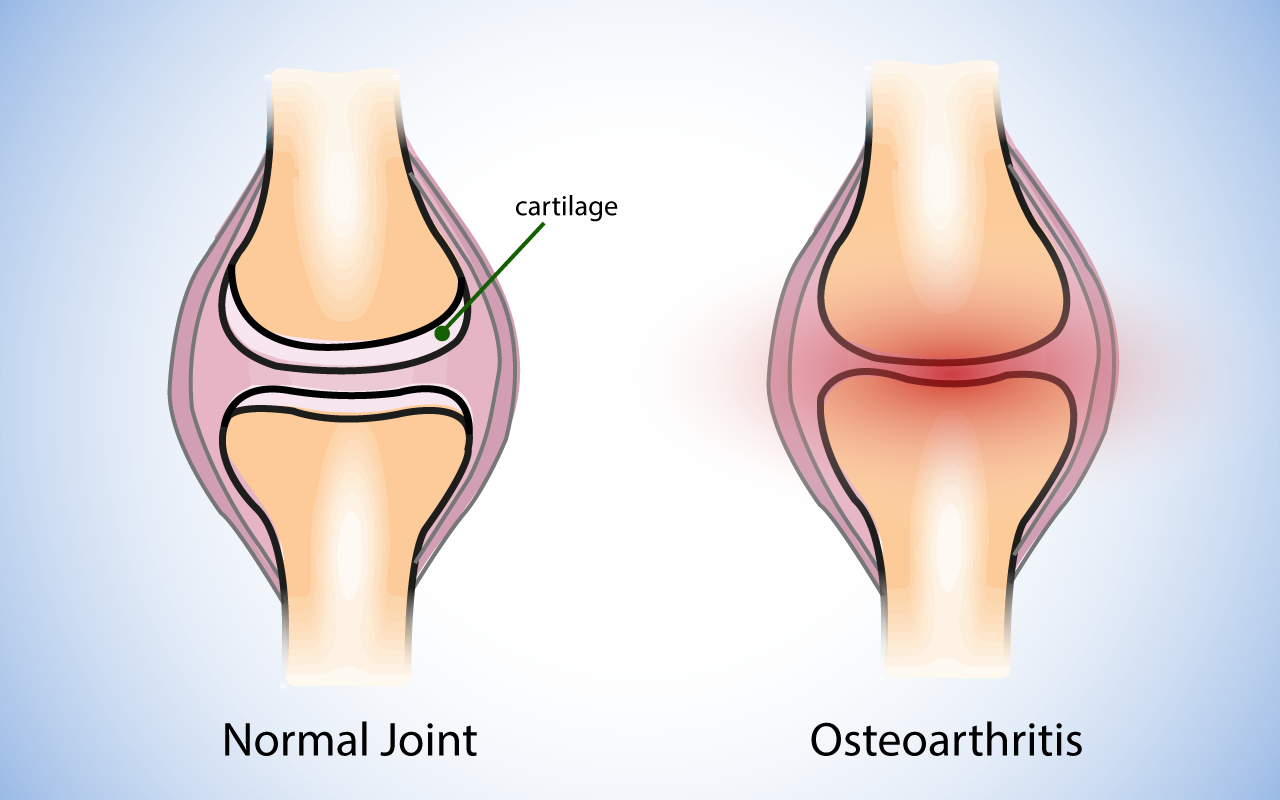
Osteoarthritis (OA), also known as degenerative joint disease, is the most common form of arthritis. It develops when the protective cartilage that cushions the ends of bones gradually wears down over time. Cartilage normally allows joints to move smoothly and absorb shock, but when it deteriorates, bones can begin rubbing against each other, causing pain and stiffness.
Osteoarthritis most often appears later in life, typically becoming noticeable in people in their fifties or sixties, and it tends to affect women more often than men. The joints most commonly affected include the knees, hips, spine, ankles, and shoulders, although it can occur in any joint.
Symptoms of Osteoarthritis
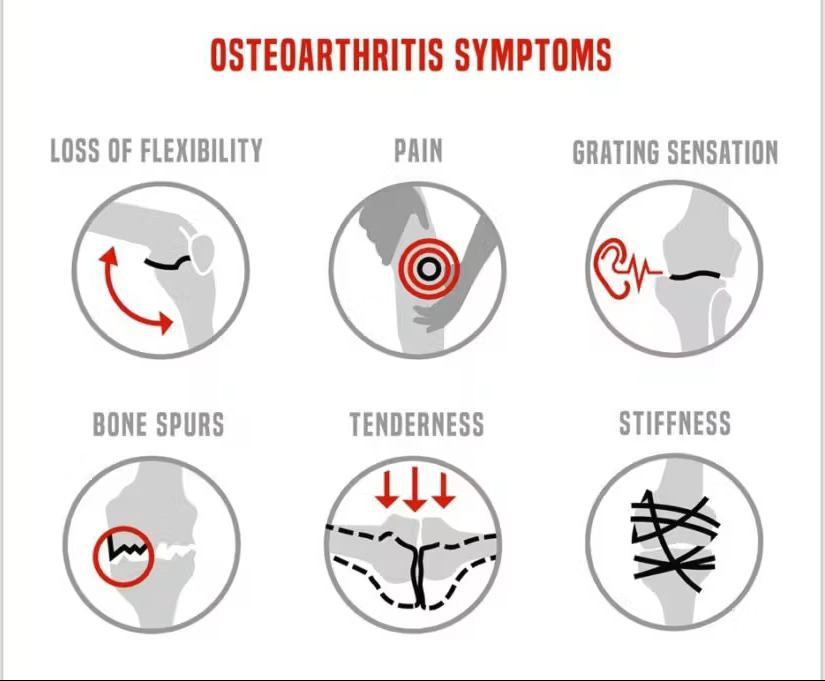
Osteoarthritis usually develops slowly and worsens over time. Symptoms may vary depending on the joint affected, but commonly include:
- Joint pain during or after movement
- Stiffness, especially after rest or in the morning
- Swelling and tenderness around the joint
- Reduced flexibility or limited range of motion
- A grinding or cracking sensation during movement
- Bone spurs (hard lumps around joints)
- Joint deformity in advanced stages
Many people find that cold or damp weather can make symptoms worse.
Causes of Osteoarthritis?
Osteoarthritis occurs when the cartilage that protects the joints gradually breaks down. Over time, the loss of cartilage allows bones to rub together, causing inflammation and damage to the entire joint structure.
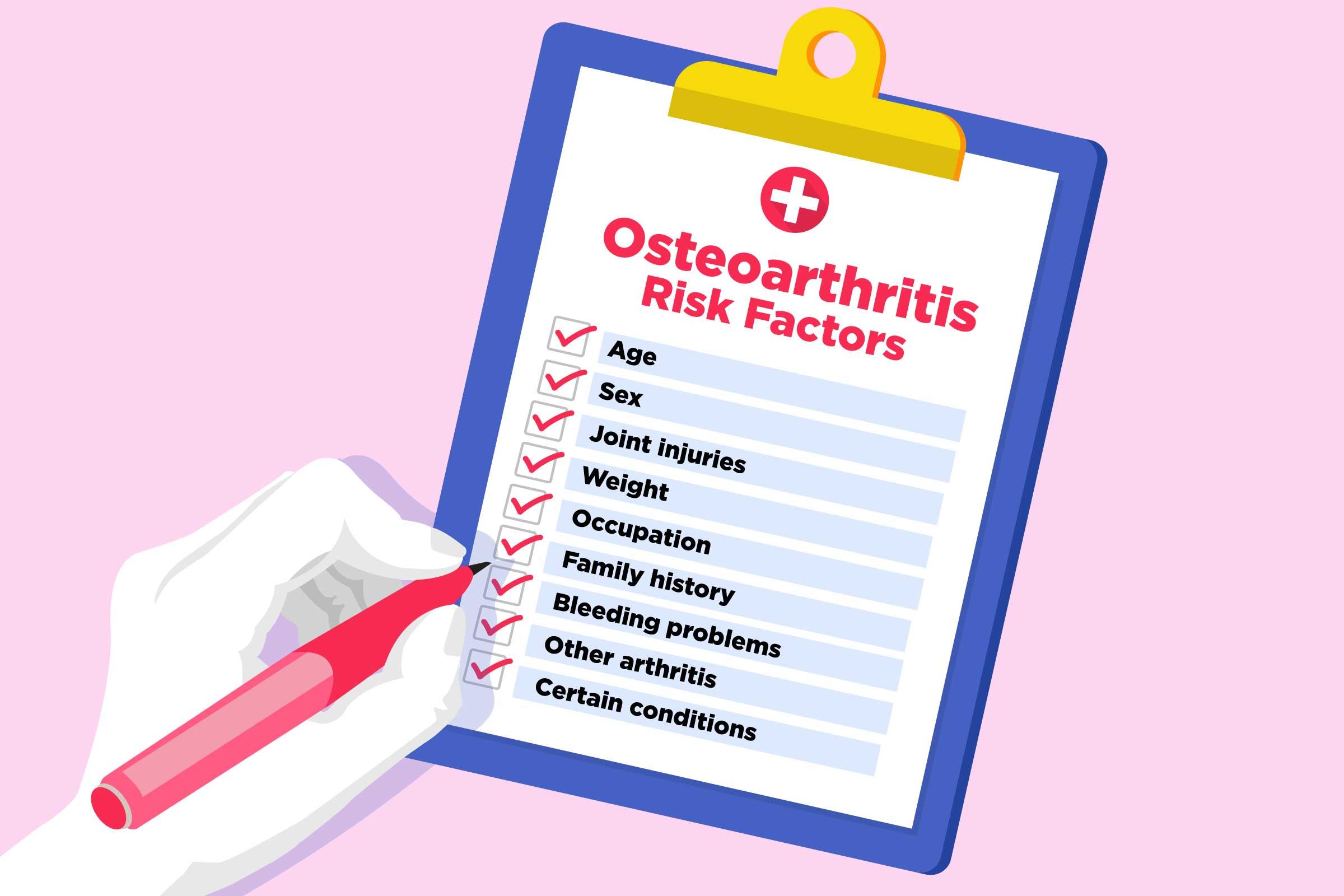
Several factors can increase the risk of developing osteoarthritis, including:
- Age – risk increases as you get older
- Being female
- Excess body weight, which places extra stress on joints
- Previous joint injuries from sports or accidents
- Repetitive stress on joints from certain jobs or activities
- Genetic predisposition
- Bone abnormalities or deformities
- Metabolic conditions such as diabetes or excess iron levels
Foods to Avoid with Osteoarthritis
Diet can play an important role in managing inflammation and joint discomfort. Certain foods may worsen symptoms and should be limited or avoided.
These include:
- Refined carbohydrates such as white bread, cakes, biscuits, and sugary foods
- Processed foods and salty snacks like chips and salted nuts
- Fried foods and processed meats such as bacon, ham, sausages, and salami
- High-fat dairy products and saturated fats
- Margarine, mayonnaise, and processed spreads
- Sugary beverages, carbonated drinks, coffee, and excessive tea
- Alcohol and wine
Some people may also be sensitive to nightshade vegetables, including tomatoes, potatoes, eggplants (brinjals), peppers, and chillies, which may trigger inflammation in certain individuals.
Foods That Support Joint Health
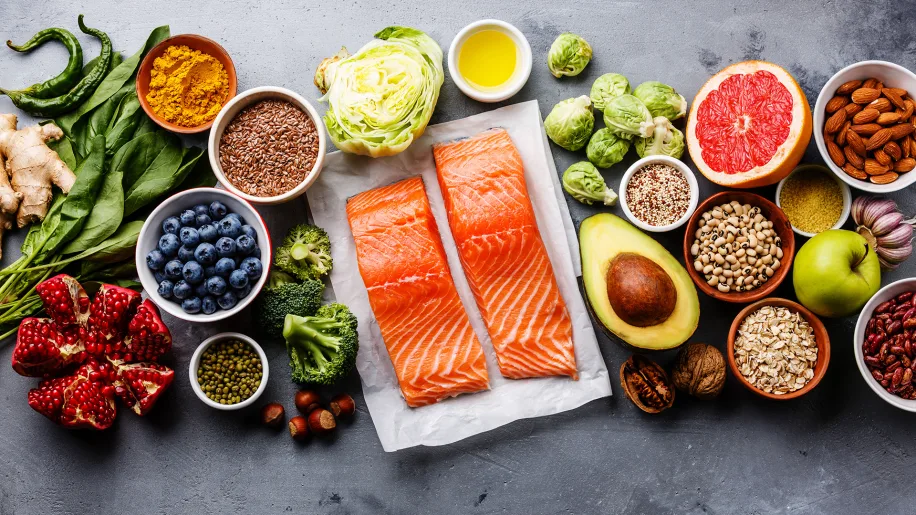
A diet for osteoarthritis should focus on reducing inflammation, supporting cartilage health, and maintaining a healthy weight. Whole, natural foods rich in nutrients and antioxidants can help protect joints.
Beneficial foods include:
- Leafy green vegetables such as kale, lettuce, and herbs
- Anti-inflammatory diets, such as the Mediterranean or plant-based diet
- Oily fish like salmon, sardines, mackerel, tuna, and pilchards (rich in omega-3 fatty acids)
- Whole grains such as brown rice, rye bread, and millet
- Seeds and nuts including flaxseed, sunflower seeds, pumpkin seeds, and walnuts
- Legumes such as lentils and chickpeas
- Fresh fruits like apples, all berries, grapes, pears, peaches, apricots, lemons, and pomegranates
- Avocado and healthy plant oils
- Drinking plenty of fresh water
Fresh pineapple is often recommended because it contains bromelain, an enzyme that may help reduce inflammation and discomfort.
Vegetable soups, salads, and baked sweet potatoes can also be excellent additions to a joint-friendly diet.
Herbal and Natural Remedies
Some people also include herbal teas as part of a wellness routine. Herbal infusions sometimes used for joint health include:
- Turmeric
- Ginger
- Rosemary
- Red clover
- Burdock
- St. John’s Wort
- Pennywort (Centella asiatica)
- Joint-support supplements such as glucosamine, chondroitin, or pine bark extract (pycnogenol)
Omega-3 supplements and adequate hydration may also help support joint health.
Managing osteoarthritis naturally focuses on reducing inflammation, easing pain, and improving joint mobility. Lifestyle changes and natural remedies can help slow its progression and improve overall joint health.
Regular, gentle movement helps keep joints flexible and strengthens the muscles that support them.
Helpful activities and Natural approaches include:
- Low-impact exercise such as walking, swimming, cycling, and water aerobics
- Mind-body movement like yoga and tai chi to improve flexibility and balance
- Weight management, which reduces pressure on weight-bearing joints such as the knees and hips
- Heat therapy (warm baths or heating pads) to relax stiff muscles
- Cold therapy (ice packs) to reduce swelling and inflammation
- Massage therapy to help improve circulation and reduce discomfort
- Managing stress and getting adequate rest
- Capsaicin cream, made from chili peppers, applied to painful joints to relieve discomfort
Consistency is key. Long-term healthy habits often provide the best results for reducing pain and improving mobility.
Important Note
Always consult a healthcare professional before starting new supplements or exercise programs, particularly if you have other medical conditions.
Final Thoughts
Osteoarthritis is a chronic condition that affects millions of people worldwide, but with the right approach it can be managed effectively. A combination of healthy diet, weight management, regular movement, and supportive lifestyle habits can help ease symptoms and improve quality of life.
Although joint damage cannot be reversed, taking proactive steps to reduce inflammation and protect joint health may help slow the progression of the condition and keep you active for longer.
If symptoms become severe or interfere with daily activities, it is important to consult a healthcare professional for proper evaluation and treatment.


- News & Current Affairs
- Business & Economy
- Finance & Money
- Education & Learning
- Technology & Innovation
- Science & Environment
- Health & Wellness
- Food & Drink
- Home, Garden & Lifestyle
- Travel & Tourism
- Fashion & Beauty
- Art & Culture
- Entertainment & Media
- Sports & Recreation
- Personal Growth & Lifestyle
- Careers & Work
- Tutorials & How-To Guides
- Real Estate & Property
- Automotive
- Family & Relationships
- Environment & Sustainability
- Law & Legal Matters
- Gaming & Esports
- Religion & Spirituality
- Community & Local Voices
- Miscellaneous
- History

