


Poisonous Plants To Watch Out For In Your Garden

When planning a garden, it’s easy to focus on beauty — the bright flowers, lush leaves, and lovely scents. But did you know that some of those stunning plants can actually be poisonous? If you have curious kids or pets that like to nibble on greenery, it’s essential to know which plants could pose a danger.
Why Some Plants Are Poisonous
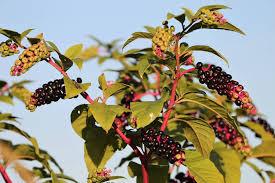
Many plants developed poisons as a natural defense — a way to stop animals from eating them. This means that while they look gorgeous, they can cause serious harm if touched or ingested. In particular, plants with brightly colored berries, fruit, or seed pods are worth being extra cautious with. Children often find these attractive and might pop them into their mouths — with potentially serious consequences.
Bulbous Plants to Handle with Care
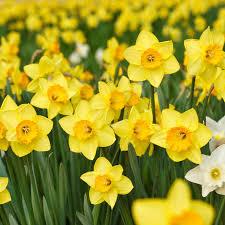
Be especially cautious with plants that have fleshy underground bulbs. These are often toxic to humans and animals alike. Common examples include:
- Agapanthus
- Clivia
- Snowdrops
- Daffodils
Even small amounts can cause nausea, vomiting, or worse. These toxins are nature’s way of protecting the plant from being eaten by burrowing animals.

🌿 How to Identify Poisonous Plants (and Stay Safe Outdoors)
Here’s a simple guide to help you identify poisonous plants and keep yourself and your loved ones safe.
🌱 Key Signs of Poisonous Plants
1. Leaves:
A classic rule of thumb — “Leaves of three, let it be.” Plants like poison ivy and poison oak usually have clusters of three leaves, while poison sumac often grows with 7–13 leaves on each stem. When in doubt, avoid direct contact.
2. Sap:
Be cautious of plants that ooze a white, milky sap when you break the stem. This can be a strong indicator of toxicity, as found in plants from the Euphorbia family and others. That sap can irritate skin or eyes, so handle with care — or better yet, not at all.

3. Smell:
If a plant has a strange, bitter, or almond-like scent, step back. Many toxic plants carry these odors as a natural warning signal.
4. Taste:
Never taste a plant unless you are 100% sure it’s safe. A bitter taste can often be nature’s way of saying, “Don’t eat me.”
5. Berries:
Brightly colored berries — especially red seeds or fruits — can be tempting but dangerous. Children and pets are particularly at risk because these berries often look tasty.

🤳 What to Do If You’re Unsure
✅ Use Technology:
Download a reliable plant identification app like PictureThis or PlantSnap to help you identify plants instantly and check their toxicity level. Some apps even link to educational YouTube videos for extra guidance.

✅ Ask Local Experts:
Your local university extension, botanical garden, or horticultural society can provide accurate, region-specific information about poisonous plants in your area.
✅ When in Doubt, Leave It Out:
If you cannot positively identify a plant, don’t touch it or eat it. It’s better to be cautious than risk an allergic reaction or poisoning.
⚠️ Important Safety Notes
🍄 Wild Mushrooms:
Never eat wild mushrooms unless they’re verified by an expert. Many deadly mushrooms look almost identical to edible ones — and even a small amount can be fatal.

🖐 After Contact:
If you accidentally touch a plant and notice redness, burning, or rash, wash the area immediately with soap and water. If the reaction involves your eyes, rinse them thoroughly with plenty of clean water.
🚨 Ingestion:
If you or someone else eats a potentially poisonous plant, call your local poison control center or emergency services immediately. Try to keep a sample or photo of the plant to show medical professionals.
Common Poisonous Plants to Know
Below are some of the most common poisonous plants you might find in home gardens or around neighborhoods:
- Oleander

- Syringa (Lilac)
- Elephant’s Ear

- Duranta
- Jerusalem Cherry
- Castor Oil Plant
- Dieffenbachia (Dumb Cane)
- Cyclamen (often kept indoors)

- Clivia
- Arum Lily
- Flame Lily
- Lantana
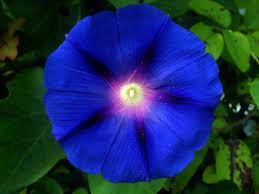
- Moonflower
- Euphorbia
These plants may be attractive and even easy to grow, but they can be harmful — sometimes fatally so — if eaten or handled improperly.
Final Thoughts
Gardening is one of life’s simple joys, but a little awareness goes a long way. By knowing which plants are potentially poisonous, you can still create a stunning and safe garden space for your family and furry friends. 🌸
Learning how to identify poisonous plants is an essential skill for every gardener, hiker, or nature lover. A few moments of awareness can prevent serious harm — keeping you safe while you enjoy the beauty of the natural world.


- News & Current Affairs
- Business & Economy
- Finance & Money
- Education & Learning
- Technology & Innovation
- Science & Environment
- Health & Wellness
- Food & Drink
- Home, Garden & Lifestyle
- Travel & Tourism
- Fashion & Beauty
- Art & Culture
- Entertainment & Media
- Sports & Recreation
- Personal Growth & Lifestyle
- Careers & Work
- Tutorials & How-To Guides
- Real Estate & Property
- Automotive
- Family & Relationships
- Environment & Sustainability
- Law & Legal Matters
- Gaming & Esports
- Religion & Spirituality
- Community & Local Voices
- Miscellaneous
- History