


Prenatal Care: Your Complete Guide to a Happy and Healthy Pregnancy Journey
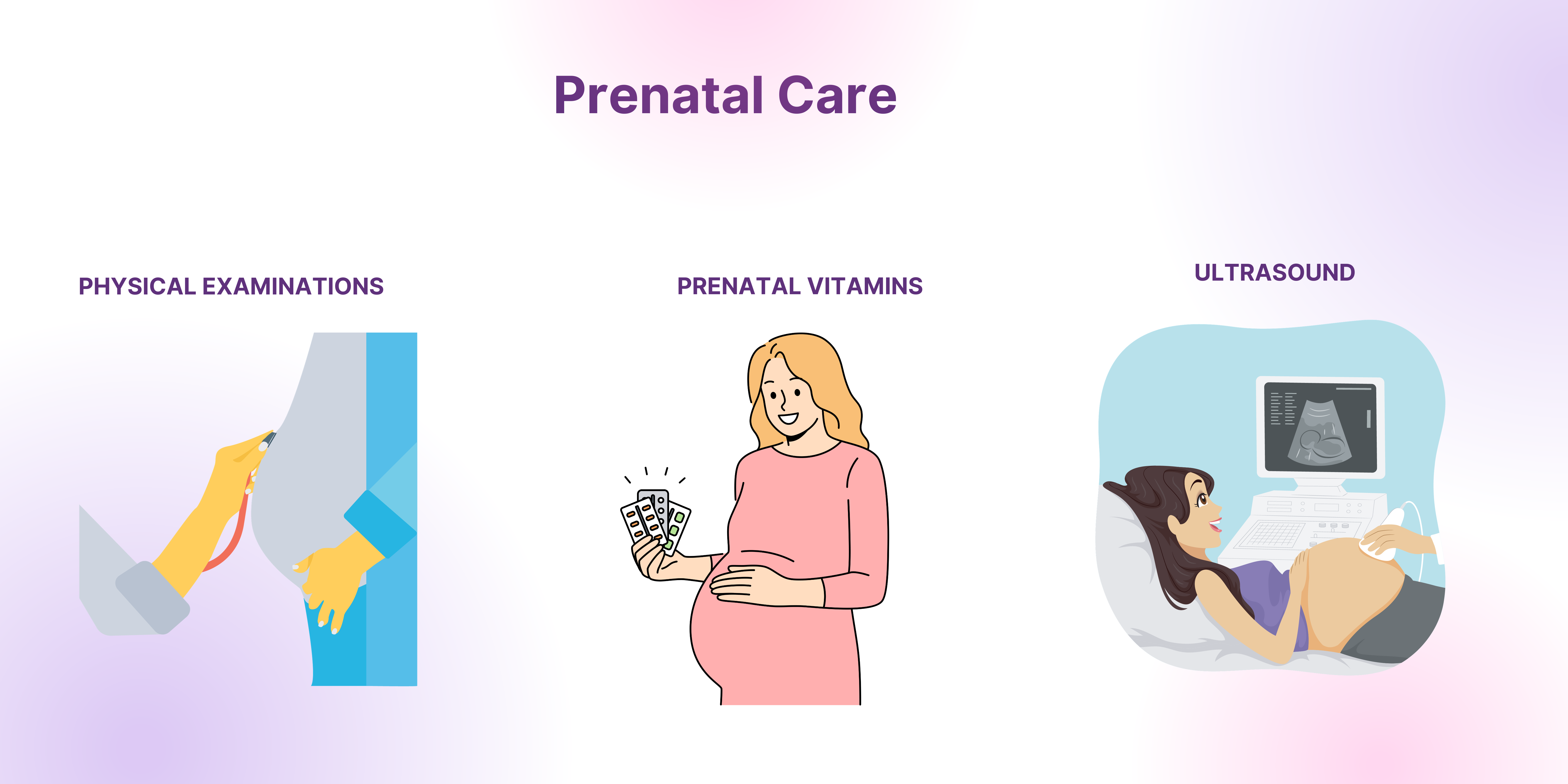
Regular prenatal care is a fundamental principle for a healthy pregnancy, for both you and your baby. From the moment you discover you’re pregnant (or even while planning), early and consistent prenatal visits provide essential monitoring, education, and support. Here is what to expect through each stage of pregnancy, the importance of different tests, and lifestyle choices that help ensure a safe pregnancy and delivery.

Why Prenatal Care Matters
Prenatal care involves scheduled checkups designed to support your physical and emotional well-being while closely monitoring your baby’s development. These visits help to:
- Track your baby’s growth and heartbeat
- Detect and manage potential health risks early
- Provide education about pregnancy, birth, and newborn care
- Support your mental and emotional health throughout pregnancy
Starting prenatal care early significantly improves outcomes for both mother and baby.
Your First Prenatal Visit: What to Expect
Your first prenatal appointment usually takes place between 6–8 weeks after your last menstrual period. This visit sets the foundation for your entire pregnancy.
During this visit, your provider may:
- Confirm pregnancy and estimate your due date
- Review your medical, surgical, and family history
- Discuss medications, supplements, and lifestyle habits
- Perform a physical and pelvic exam
- Measure blood pressure and record weight
- Order blood tests to assess blood type, Rh factor, immunity to infections like rubella and chickenpox, and for anaemia
- Urine test to test for UTI infection, protein and sugar levels

Nutrition, emotional health, work environment, and daily habits are also discussed to support a healthy pregnancy from the start.
Routine Prenatal Tests and Screenings
Throughout pregnancy, routine tests help ensure both you and your baby remain healthy:
- Blood pressure and weight checks at every visit
- Urine tests to monitor for infection, diabetes, or preeclampsia
- Blood tests for anaemia, immunity, and infections
- Genetic and carrier screenings when appropriate
- Ultrasounds to confirm due dates, monitor growth, and assess anatomy
How Often Are Prenatal Visits?
For a healthy, low-risk pregnancy, visits typically follow this schedule:
- Every 4 weeks until 28 weeks
- Every 2 weeks from 28–36 weeks
- Weekly from 36 weeks until delivery
Your provider may increase visit frequency if closer monitoring is needed.
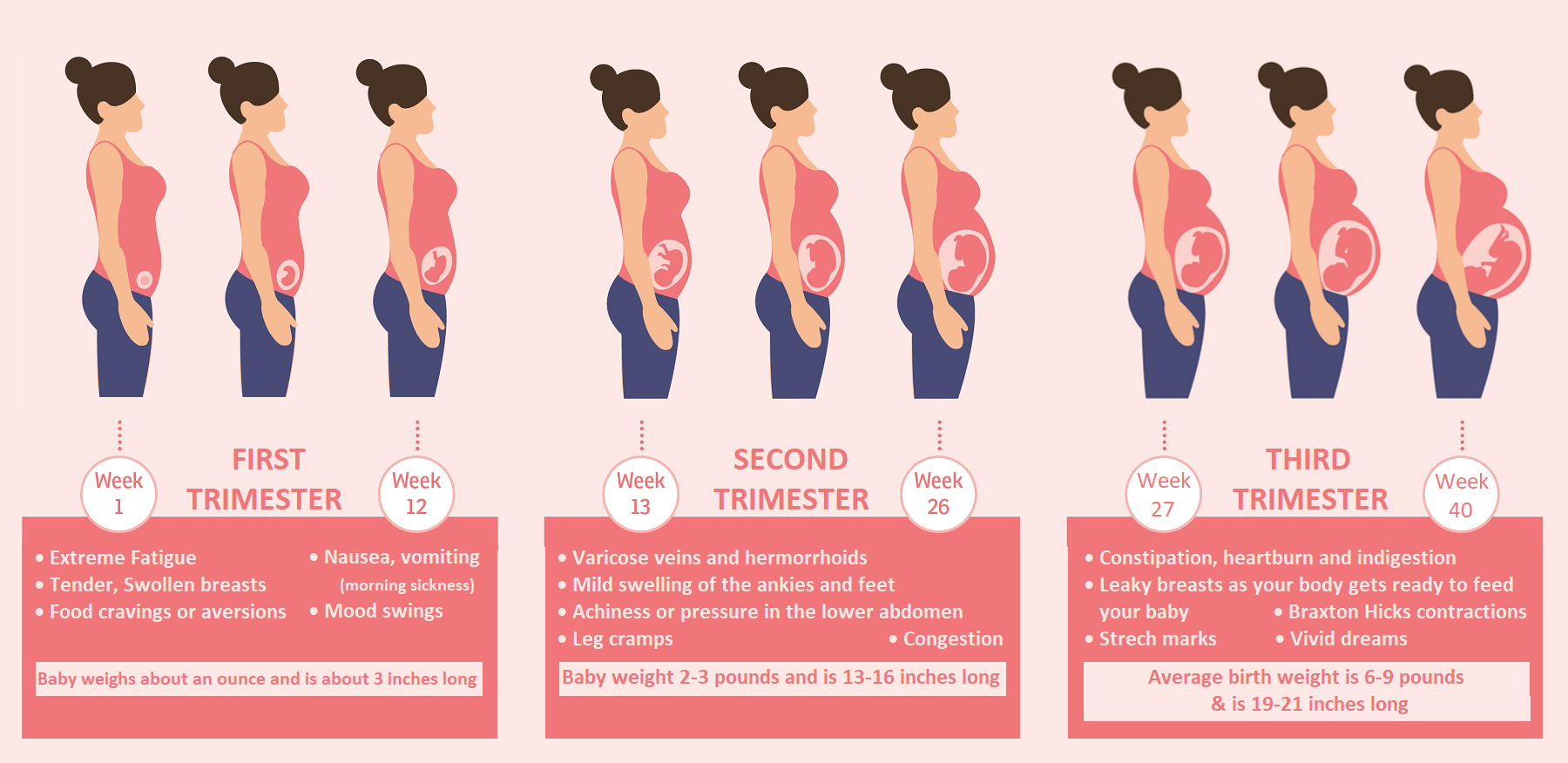
Prenatal Care by Trimester
First Trimester (Weeks 1–12)
- Pregnancy confirmation and due date estimation
- Initial blood work and screenings
- Nutrition advice and prenatal vitamins
- Early ultrasound if needed
Second Trimester (Weeks 13–26)
- Monitoring baby’s heartbeat and growth
- Anatomy ultrasound (18–22 weeks)
- Gestational diabetes screening (24–28 weeks)
- Discussion of fetal movement and lifestyle changes
Third Trimester (Weeks 27–Delivery)
- Monitoring blood pressure, swelling and urine protein
- Preterm labor monitoring and gestational hypertension monitoring
- Screening for Group B strep (35–37 weeks)
- Assessing baby’s position and growth
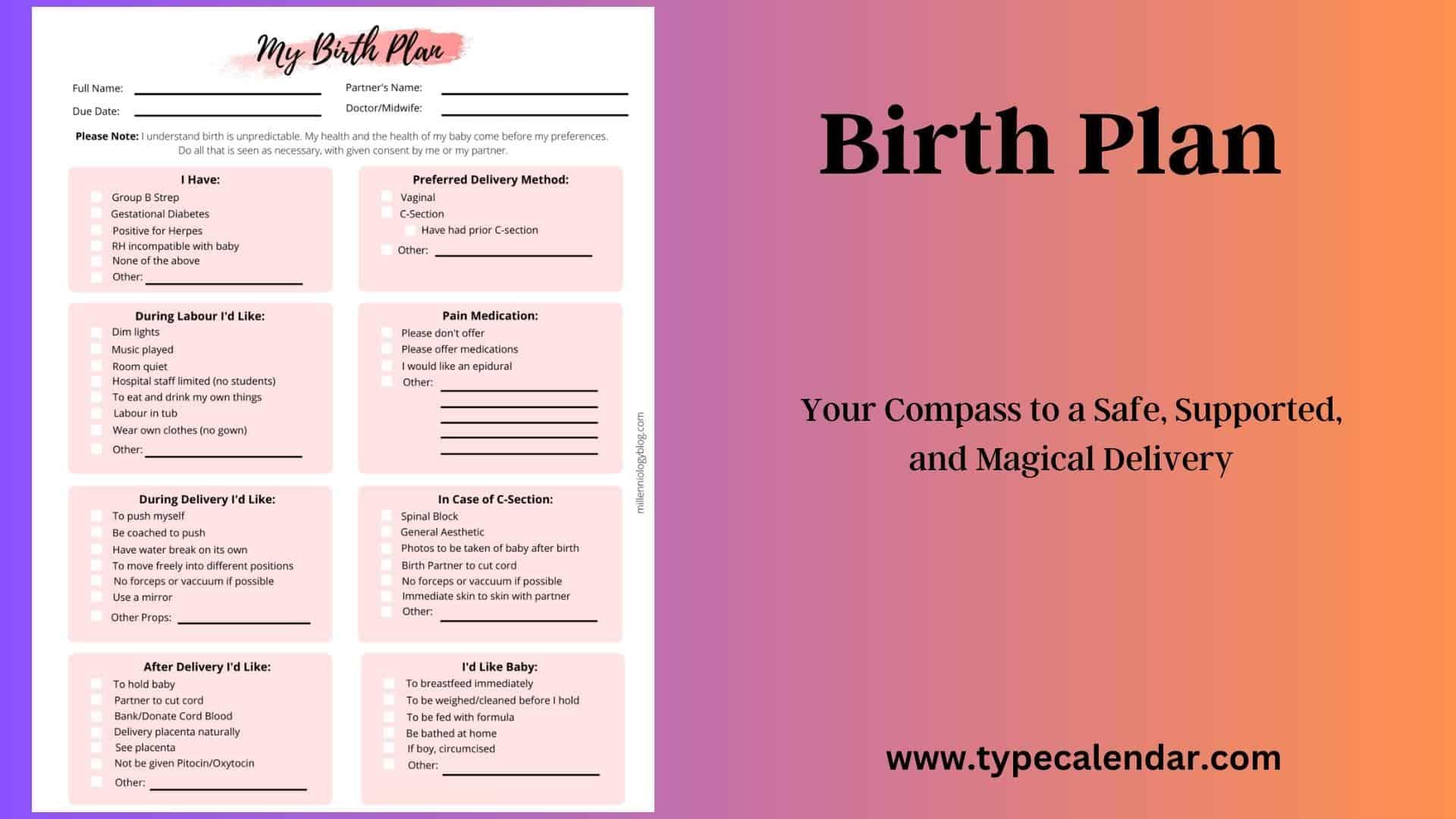
- Birth planning and labor preparation
Nutrition, Lifestyle, and Self-Care
A healthy pregnancy is supported by mindful daily choices:
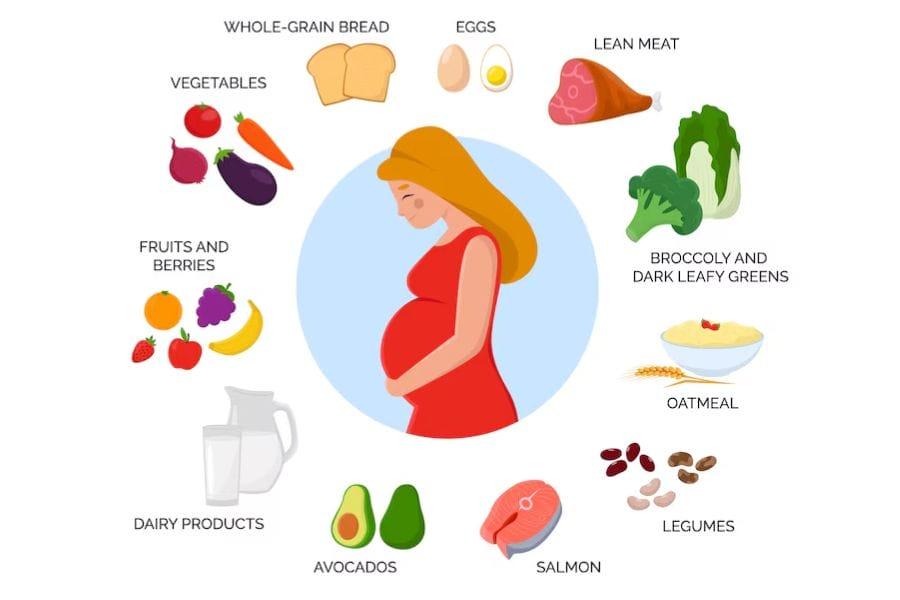
- Eat a balanced diet rich in fruits, vegetables, whole grains, and lean protein
- Avoid risky foods - raw or undercooked meats, unpasteurized milk and dairy products, deli and processed meats (unless heated until steaming hot), and high-mercury fish.
- Take prenatal vitamins with folic acid, iron, and calcium
- Stay hydrated and active (with provider approval)
- Avoid alcohol, smoking, drugs, and unapproved medications
- Get 7–9 hours of sleep and manage stress effectively
Always consult your healthcare provider before using herbs, supplements, or natural remedies.
Managing Risks and Special Situations
Some pregnancies require extra care, including those involving:
- Multiple babies
- High blood pressure, preeclampsia or diabetes
- Previous pregnancy complications
- Diabetes or gestational diabetes
- Maternal age over 35
In these cases, your provider may recommend additional tests, ultrasounds, or more frequent visits.
Preparing for Delivery
As your due date approaches, prenatal visits focus on:
- Recognizing signs of labor
- Pain management and delivery options
- Packing for hospital or birth center
- Planning postpartum and newborn care
Importance Tips along your Pregnancy Journey
- Attend all prenatal appointments:
Keep every scheduled visit, even when you feel well. Regular checkups help detect potential issues early and ensure your pregnancy is progressing safely.
- Track your baby’s movements:
Pay close attention to your baby’s activity, especially during the third trimester, and report any noticeable changes to your healthcare provider.
- Report concerning symptoms promptly:
Contact your provider if you experience severe headaches, persistent vomiting, vaginal bleeding, sudden swelling, or decreased baby movement.
- Ask questions and stay informed:
Use each prenatal visit as an opportunity to learn. Ask questions, seek guidance, and make use of educational resources to feel confident and prepared.
- Prioritize prenatal care:
By staying consistent with care and making informed choices, you support a healthier pregnancy, a safer delivery, and a strong start for your baby.
Final Thoughts
Prenatal care is more than medical checkups—it’s a partnership between you and your healthcare team. By attending all appointments, nourishing your body, managing stress, and asking questions, you give your baby the best possible start in life while protecting your own health. Every visit, every healthy choice, and every moment of self-care truly matters.


- News & Current Affairs
- Business & Economy
- Finance & Money
- Education & Learning
- Technology & Innovation
- Science & Environment
- Health & Wellness
- Food & Drink
- Home, Garden & Lifestyle
- Travel & Tourism
- Fashion & Beauty
- Art & Culture
- Entertainment & Media
- Sports & Recreation
- Personal Growth & Lifestyle
- Careers & Work
- Tutorials & How-To Guides
- Real Estate & Property
- Automotive
- Family & Relationships
- Environment & Sustainability
- Law & Legal Matters
- Gaming & Esports
- Religion & Spirituality
- Community & Local Voices
- Miscellaneous
- History