


How Do Earthquakes Happen? Possible Warning Signs and Prediction
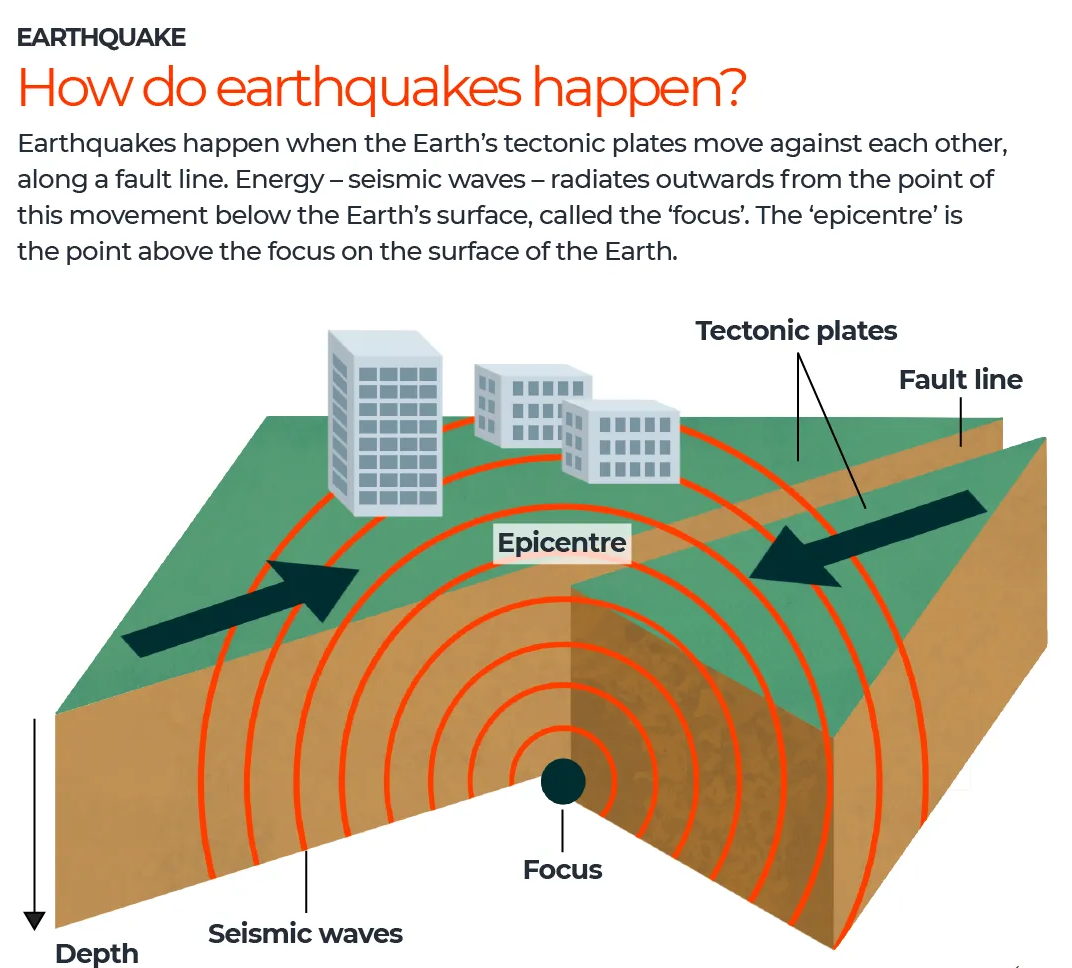
The Earth’s surface may feel solid and unchanging, but beneath it lies a world in constant motion. The planet’s surface is made up of large tectonic plates that slowly shift over the semi-molten mantle below. Most earthquakes happen where these plates meet, along plate boundaries.
When two plates move toward each other, one plate may be forced beneath the other in a process called subduction. Sometimes, the plates become stuck due to friction. As movement continues, pressure builds up in the surrounding rocks.
When this pressure is finally released, a large amount of stored energy is suddenly set free. This energy travels outward in waves, much like ripples spreading across a pond. These waves are known as seismic waves, and when they reach the Earth’s surface, they cause the ground to shake—this shaking is what we experience as an earthquake.
The energy spreads out from the point where the earthquake begins, known as the focus (or hypocenter). The area directly above this point on the Earth’s surface is called the epicentre, and this is usually where the strongest shaking and most damage occur.
Other Causes of Earthquakes
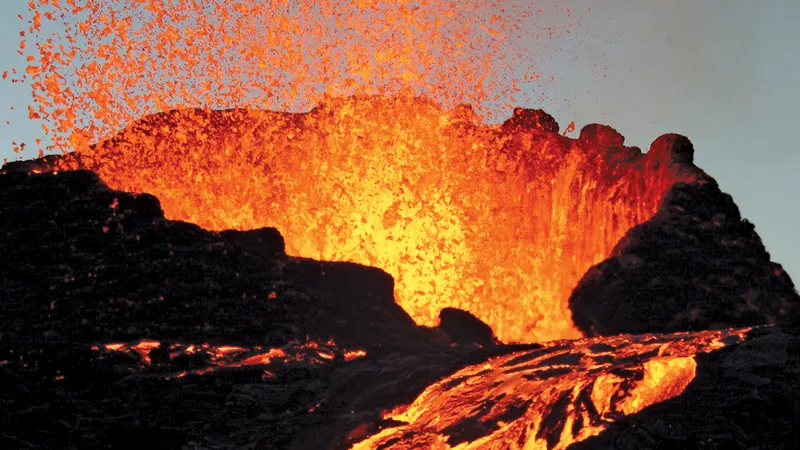
While most earthquakes are caused by the movement and slipping of tectonic plates, smaller earthquakes can also result from volcanic eruptions, the collapse of rock formations at the Earth’s surface, or even underground explosions.
Are There Warning Signs Before an Earthquake?
Scientists have observed certain possible warning signs, known as precursors, that may occur before some earthquakes. These can include swarms of small earthquakes, increased levels of radon gas in local water, unusual animal behaviour, or a rise in the frequency and magnitude of moderate earthquakes. Occasionally, a moderate earthquake may occur that later turns out to be a foreshock.
What Happens Just Before a Major Earthquake?
Sometimes, smaller earthquakes called foreshocks occur in the same area before a larger event. However, scientists can only identify a foreshock after the main earthquake has happened. The largest and most powerful earthquake in a sequence is known as the mainshock, and it is often followed by smaller aftershocks.
How Long Does an Earthquake Last?
The shaking from an earthquake usually lasts from a few seconds to several minutes, depending on its strength. Small earthquakes may last only seconds, while stronger earthquakes can cause intense shaking for a minute or more. Although the main shaking ends relatively quickly, aftershocks can continue for days or even longer.
Can Earthquakes Be Predicted?
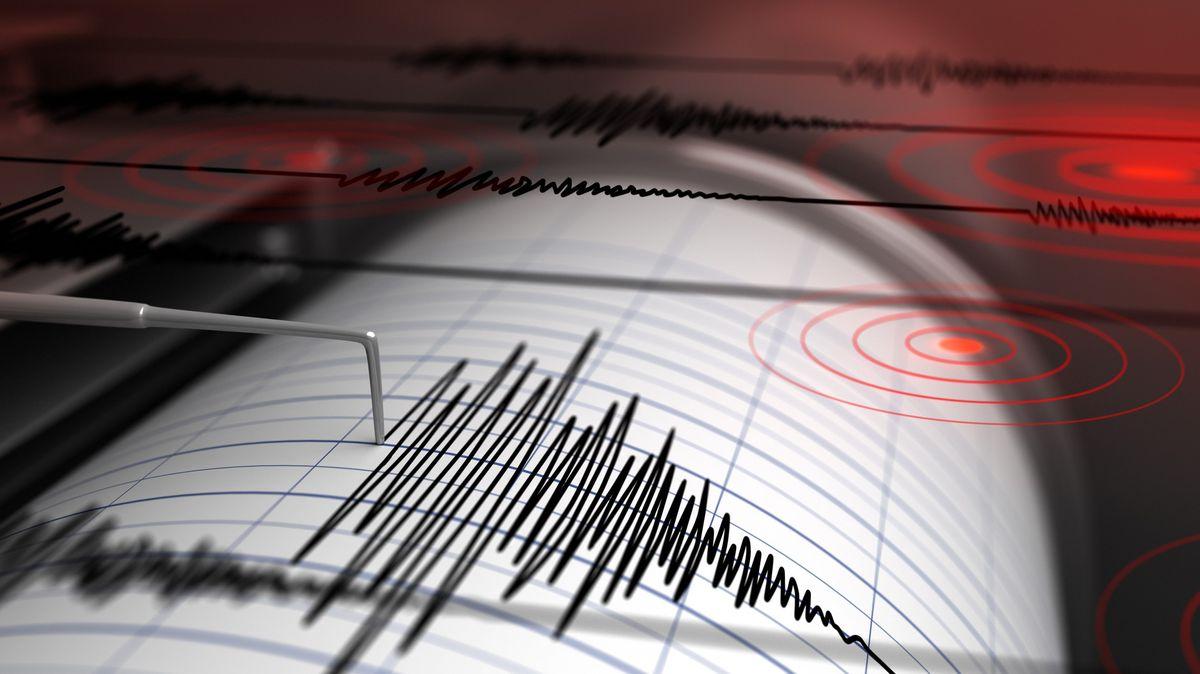
Earthquake prediction remains extremely difficult. Scientists use seismometers, instruments that detect seismic waves, to monitor movement in the Earth’s crust. While experts know which areas are more likely to experience earthquakes, accurately predicting the exact time and place of an earthquake is not currently possible.
Final Thoughts
Earthquakes are a natural result of the powerful forces shaping our planet. Although scientists cannot yet predict exactly when they will occur, ongoing research and monitoring help improve understanding, preparedness, and safety. By learning how earthquakes happen, we can better respect the dynamic Earth and reduce the risks they pose to communities around the world.


- News & Current Affairs
- Business & Economy
- Finance & Money
- Education & Learning
- Technology & Innovation
- Science & Environment
- Health & Wellness
- Food & Drink
- Home, Garden & Lifestyle
- Travel & Tourism
- Fashion & Beauty
- Art & Culture
- Entertainment & Media
- Sports & Recreation
- Personal Growth & Lifestyle
- Careers & Work
- Tutorials & How-To Guides
- Real Estate & Property
- Automotive
- Family & Relationships
- Environment & Sustainability
- Law & Legal Matters
- Gaming & Esports
- Religion & Spirituality
- Community & Local Voices
- Miscellaneous
- History