


Why Flowers Smell the Way They Do

The fascinating science behind floral fragrance
Have you ever paused to enjoy the scent of a rose, jasmine, or lavender and wondered where that beautiful smell comes from? A flower’s fragrance is not accidental—it is the result of a remarkable chemical process that plays a vital role in the plant’s survival.
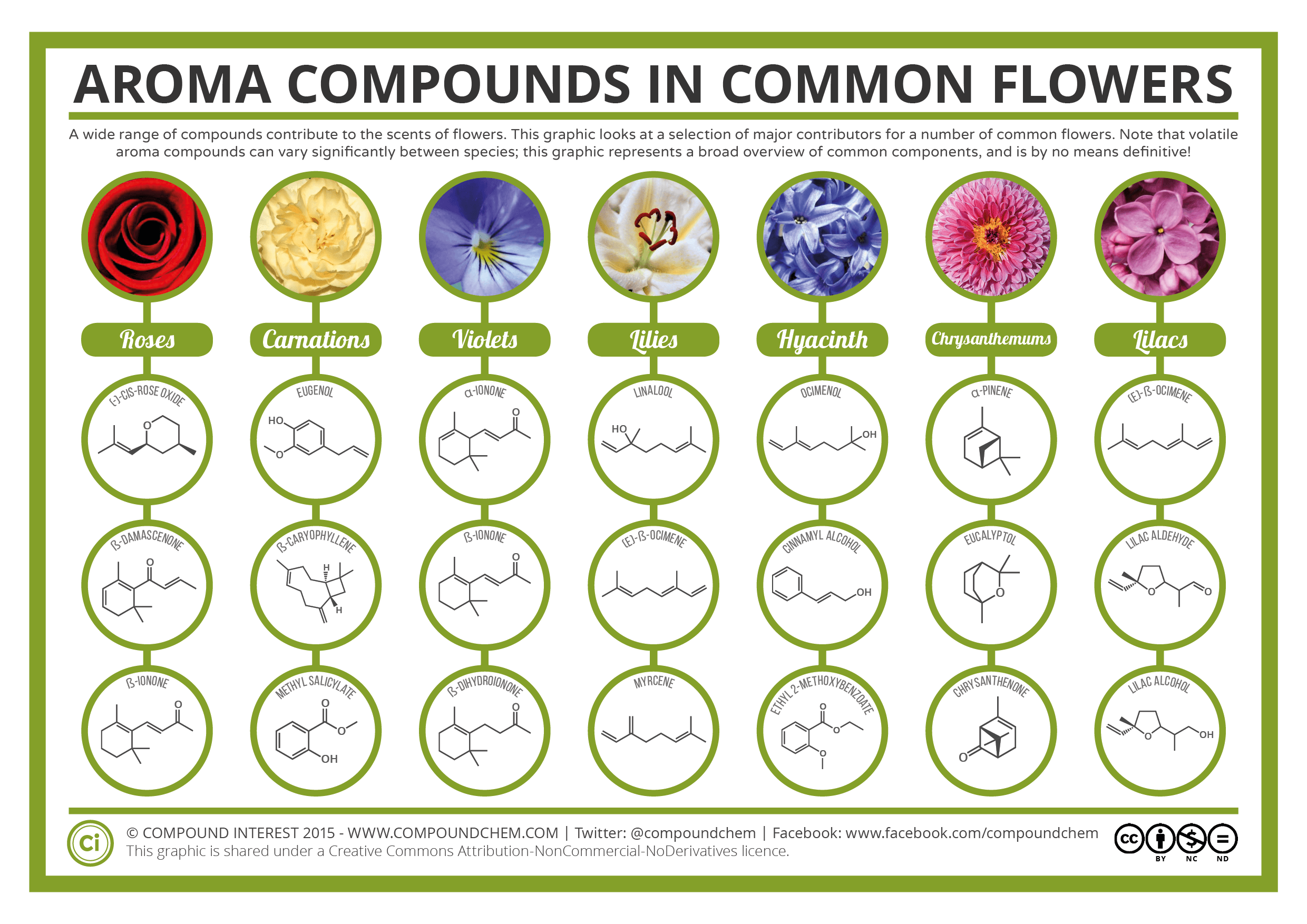
Flowers produce fragrance when essential oils are formed in their tissues, especially in the petals. These oils are created as part of the plant’s normal growth and development. Under certain conditions, the oils break down into volatile oils, meaning they evaporate easily into the air. Once airborne, these tiny molecules reach our noses, allowing us to smell the flower’s unique fragrance.
The exact scent a flower gives off depends on the chemical makeup of these volatile oils. Different combinations create different aromas—sweet, spicy, citrusy, or even unpleasant. Interestingly, these oils aren’t limited to flowers alone.
They also occur in other parts of plants:
- Oranges store them in their fruit
- Almonds contain them in their seeds
- Cinnamon releases them from its bark

The Chemical Process Behind Floral Scents
Flowers develop their scents through complex blends of Volatile Organic Compounds (VOCs). These include terpenes, esters, benzenoids, and fatty acid derivatives, produced mainly in the petals.
1. Production
Specialized glands in petals, sepals, and stamens manufacture essential oils. These oils are not single substances but complex mixtures of VOCs.
2. Key Compounds
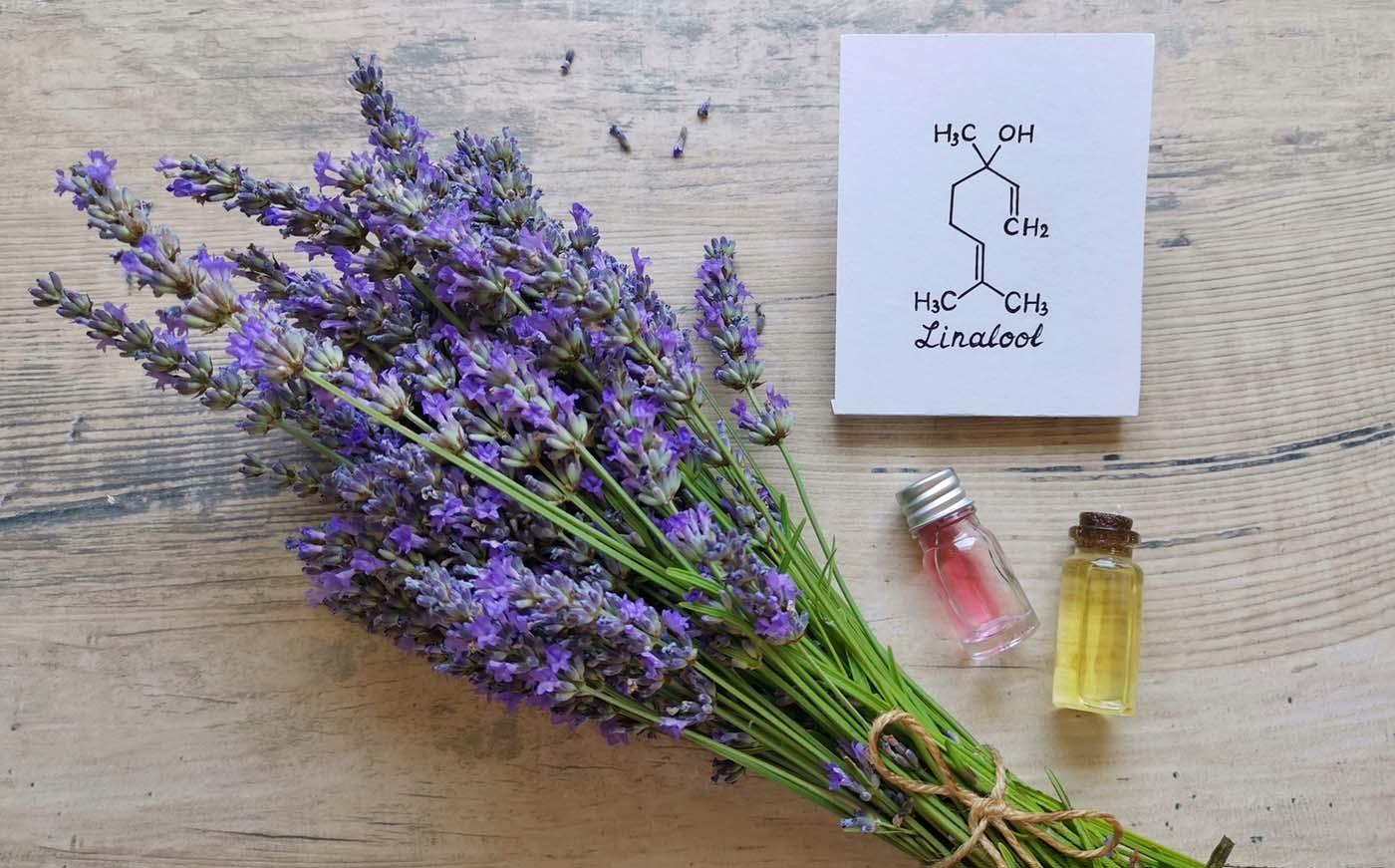
Each flower has its own chemical “cocktail.” For example:
- Linalool gives lavender its calming aroma
- Methyl benzoate contributes to the sweet scent of lilies
- Eugenol creates the spicy note in carnations
3. Release
Once formed, these VOCs are actively transported out of plant cells and released into the air. Warm temperatures help them evaporate and travel further, spreading the fragrance.
The Purpose of Scent in Flowers
Floral fragrance is not just for human enjoyment—it serves clear evolutionary purposes.
🌼 Pollination
The primary function of scent is to attract specific pollinators such as bees, butterflies, moths, bats, or beetles. The smell acts as a signal, guiding pollinators to the flower for nectar and pollen.

⏰ Perfect Timing
Flowers release scent when their preferred pollinators are active. Day-blooming flowers cater to bees, while night-blooming flowers often emit stronger scents to attract moths or bats.
🛡️ Defense
Some scents deter predators or herbivores. The famous corpse flower, for instance, smells like rotting flesh—not to repel insects, but to attract carrion beetles that aid pollination.

🌱 After Pollination
Once pollination is complete, many flowers reduce or stop scent and nectar production, conserving energy for seed and fruit development.
Genetic and Environmental Influences
A flower’s scent is shaped by both nature and nurture.
- Genetics: A plant’s DNA determines which VOCs it can produce, creating its signature aroma.
- Development: Fragrance intensifies as the flower matures and opens, signaling readiness for pollination.
- Variation: Different quantities and combinations of VOCs result in an incredible diversity of smells—from the sweet notes of roses (geraniol) to musky, spicy, or even foul aromas.
Final Thoughts
Floral fragrance is a perfect blend of chemistry, biology, and evolution. What we experience as a pleasant (or sometimes shocking) smell is actually a carefully designed survival strategy. Each scent tells a story—of pollinators guided, pests repelled, and energy wisely used. The next time you stop to smell a flower, remember that you’re experiencing a sophisticated chemical message millions of years in the making.


- News & Current Affairs
- Business & Economy
- Finance & Money
- Education & Learning
- Technology & Innovation
- Science & Environment
- Health & Wellness
- Food & Drink
- Home, Garden & Lifestyle
- Travel & Tourism
- Fashion & Beauty
- Art & Culture
- Entertainment & Media
- Sports & Recreation
- Personal Growth & Lifestyle
- Careers & Work
- Tutorials & How-To Guides
- Real Estate & Property
- Automotive
- Family & Relationships
- Environment & Sustainability
- Law & Legal Matters
- Gaming & Esports
- Religion & Spirituality
- Community & Local Voices
- Miscellaneous
- History