


Home Remedies to Remove Splinters

Splinters — those tiny fragments of wood, metal, glass, or even plant material — have a way of sneaking into the skin when we least expect it. Whether it’s a rough piece of wood, broken glass, or a cactus encounter, these little intruders can be painful and tricky to remove.
Tweezers don’t always work on their own, especially when the splinter is small or not protruding. Thankfully, several natural and simple remedies can help ease the process.
1. Warm Water Soak
A warm bath can gently bring a splinter closer to the surface. This method works especially well for wooden splinters, which tend to swell when wet.
How to do it:
- Soak the affected area in warm water for 15 minutes.
- Repeat several times a day.
- Once the splinter begins to emerge, use clean tweezers to gently pull it out.
2. Epsom Salt Draw-Out
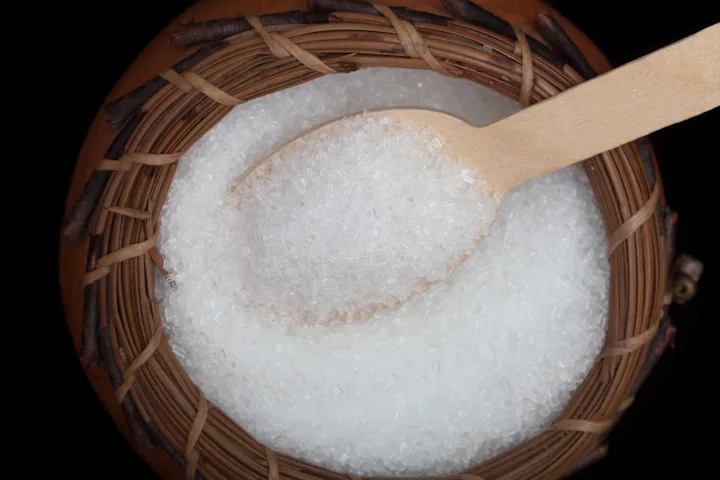
Epsom salt is a classic natural remedy that helps draw out splinters and insect stingers.
Instructions:
- Add 1 tablespoon of Epsom salt into a bowl of warm water.
- Soak the area for about 20 minutes.
- If the splinter rises toward the skin’s surface, remove it carefully with clean tweezers.
3. Tape Trick
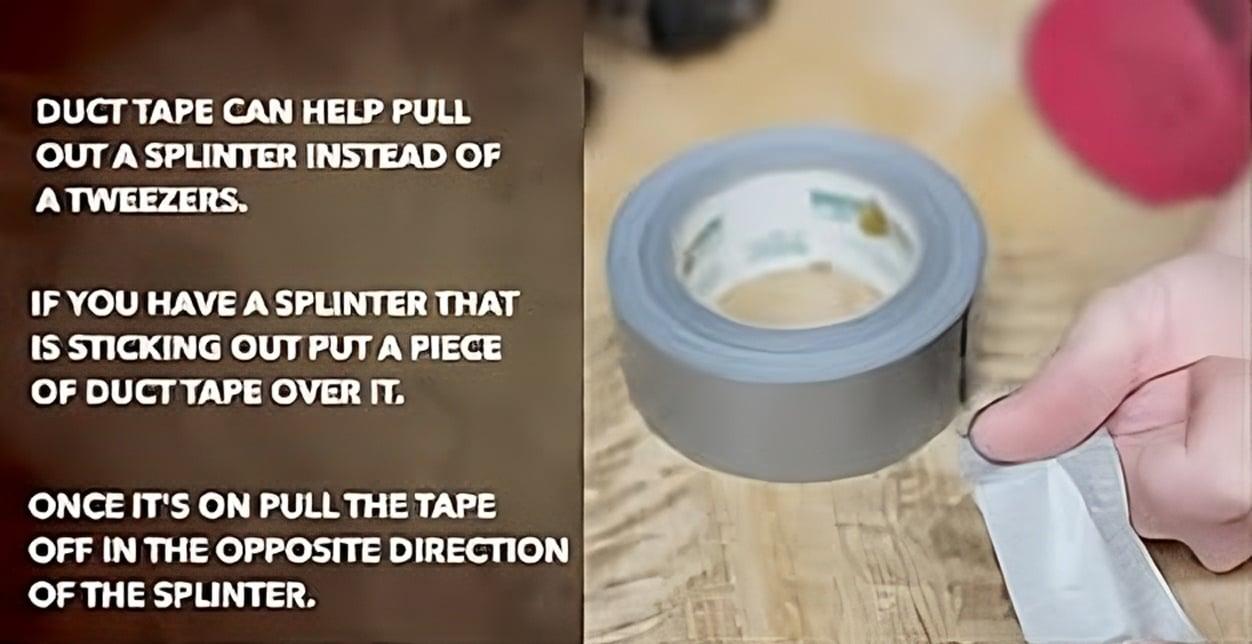
If part of the splinter is sticking out, tape can work surprisingly well.
Try this:
- Place a small piece of duct tape over the protruding splinter.
- Press gently to ensure it sticks.
- Pull the tape off in the opposite direction from where the splinter entered.
If the tape is sticky enough, it might pull the splinter out cleanly.
4. Baking Soda Paste
Baking soda can help the skin swell slightly, pushing the splinter toward the surface.
What to do:
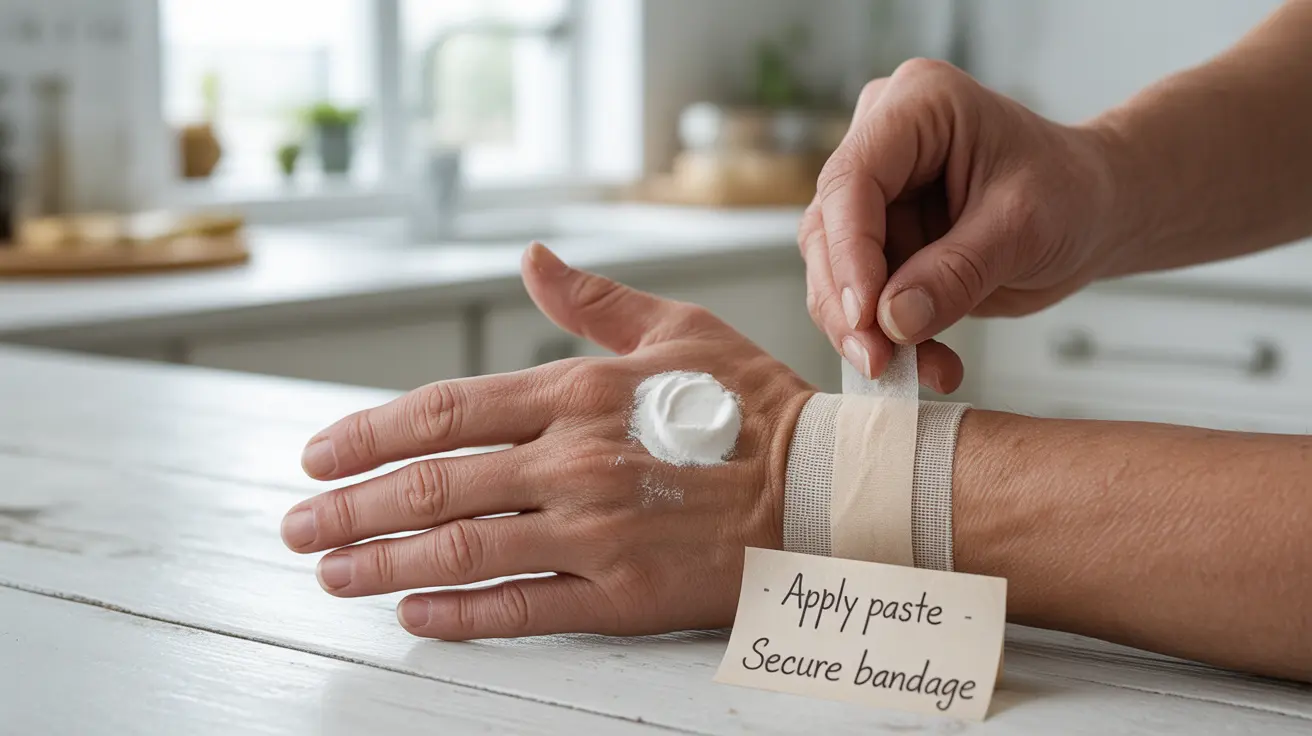
- Mix baking soda with a little water to form a paste.
- Apply it to the area and cover with a bandage.
- Leave it on for 24 hours.
- Remove the bandage, clean the area, and gently tweeze out the splinter if visible.
5. School Glue for Cactus Needles
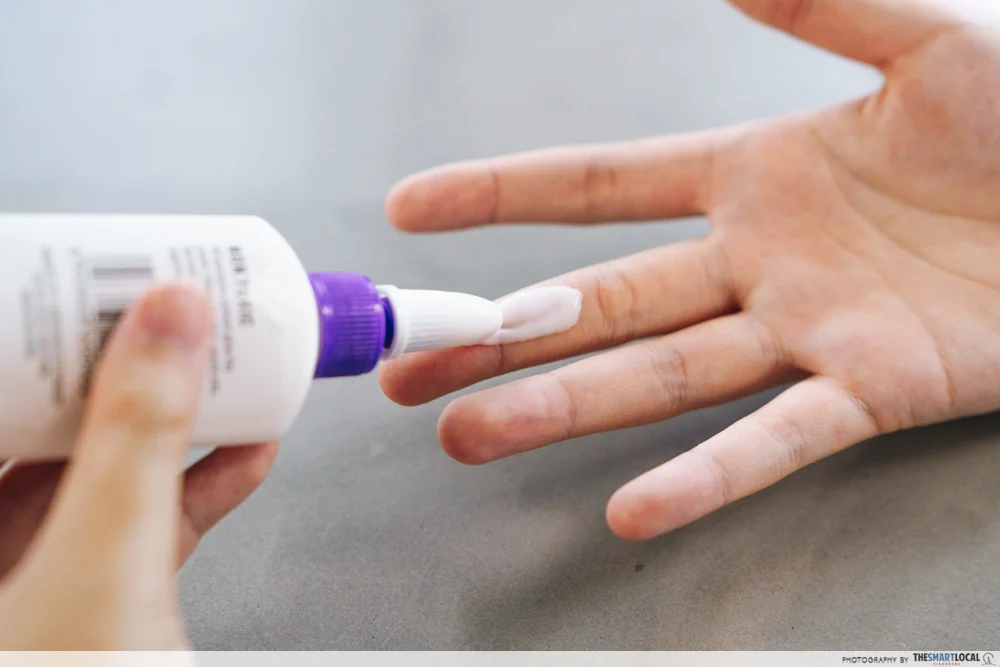
Tiny cactus needles can be almost invisible — and painful. Liquid white school glue works perfectly for these micro-splinters.
Steps:
- Spread a thin layer of school glue over the affected area.
- Let it dry fully.
- Peel it off slowly.
Often, the fine cactus needles will lift out with the dried glue.
6. After Removal: Cleanse & Protect
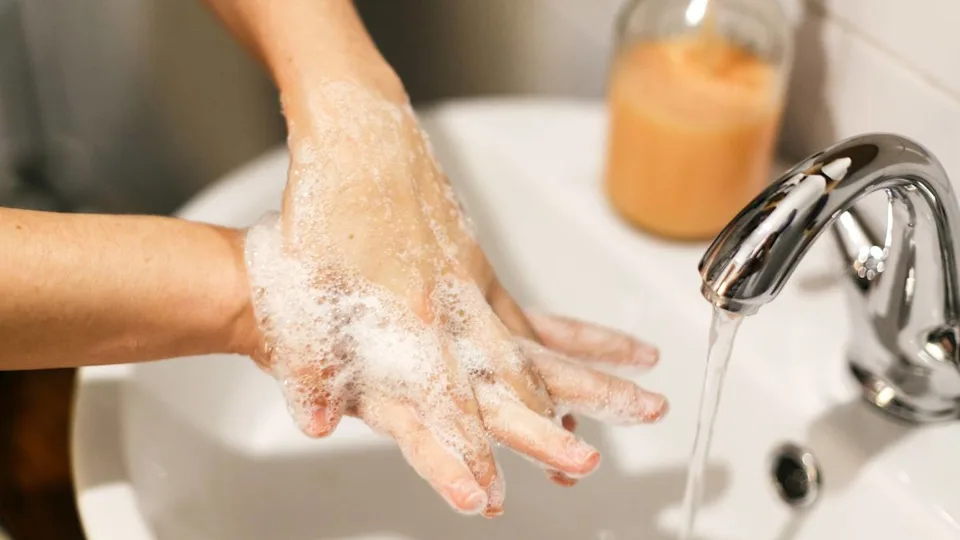
Once the splinter is out, wash the area thoroughly with soap and water to prevent infection. You may apply a mild antiseptic, especially if the splinter was dirty.
When to See a Doctor
Seek medical attention if:
- The splinter is too deep, under a nail, or near the eye.
- You cannot remove it at home.
- You notice signs of infection: redness, swelling, warmth, pus, or red streaks moving away from the splinter site.
Final Thoughts
Natural methods can be surprisingly effective for removing minor splinters, especially when combined with a little patience. Prevention is always better than cure, so wear gloves when handling wood, cactus, or glass. But if a splinter does sneak in, these simple remedies can help you sort it out safely at home.


- News & Current Affairs
- Business & Economy
- Finance & Money
- Education & Learning
- Technology & Innovation
- Science & Environment
- Health & Wellness
- Food & Drink
- Home, Garden & Lifestyle
- Travel & Tourism
- Fashion & Beauty
- Art & Culture
- Entertainment & Media
- Sports & Recreation
- Personal Growth & Lifestyle
- Careers & Work
- Tutorials & How-To Guides
- Real Estate & Property
- Automotive
- Family & Relationships
- Environment & Sustainability
- Law & Legal Matters
- Gaming & Esports
- Religion & Spirituality
- Community & Local Voices
- Miscellaneous
- History