


How Do Muscles Work? A Simple Guide to the Power Behind Every Move
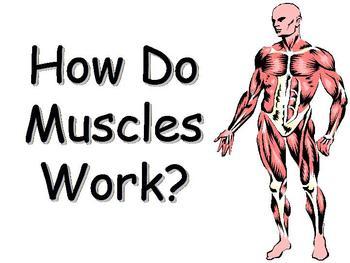
The human body is an incredible machine powered by more than 600 muscles—some estimates say even up to 650, depending on how the smaller, complex muscles are counted. These muscles keep us moving, breathing, digesting, pumping blood, and even standing upright without thinking twice.
Every movement you make—from blinking to lifting a weight—happens because of a beautifully coordinated system powered by muscle contractions, nerves, energy, and supportive structures like tendons and joints.
How Muscles Make Movement Happen
1. It Starts with the Brain
Every movement begins as an electrical message from the brain. This message travels through the nerves to the targeted muscle, telling it to act.
2. The Muscle Contracts
Once the signal arrives, muscle fibers spring into action. They contract—becoming shorter and thicker—and create a pulling force on the bone they’re attached to via tendons.
3. Antagonist Muscles Take Over
Muscles can only pull, not push. That’s why they work in pairs.
For example:
- Biceps pull the forearm upward.
- Triceps pull it back down.
While one muscle contracts, its partner relaxes, creating smooth, controlled movement.

4. Relaxation Resets the System
After completing the action, the muscle relaxes and returns to its resting length, waiting for the next signal.
What’s Happening Inside the Muscle?
Deep within each muscle fiber are two key proteins:
- Actin
- Myosin
These tiny filaments slide past each other during contraction—almost like interlocking fingers pulling tight. This microscopic sliding is powered by energy from oxygen and the food we eat, especially glucose.

The Three Main Types of Muscles
1. Skeletal Muscles
These are the voluntary muscles you control—found in your arms, legs, back, and face. They help you walk, run, lift, and smile.
2. Cardiac Muscle
Found only in the heart, cardiac muscle is involuntary, uniquely designed to keep your heart beating nonstop. It pumps blood day and night.
3. Smooth Muscles
These involuntary muscles line your organs, like the stomach and intestines. They help move food, regulate airflow, and control blood vessels.

Functions of Muscles
1. Movement
From walking and lifting to the steady rhythm of your heartbeat, muscles make every motion possible. Skeletal muscles handle voluntary movement, cardiac muscle keeps the heart pumping, and smooth muscle moves food through the digestive system via wave-like contractions.
2. Posture & Stability
Even when you’re standing still, your muscles are hard at work. They hold your body upright, stabilize your joints, and help you maintain balance throughout the day.
3. Heat Production
Muscles are your body’s internal heater. When you’re cold, they trigger rapid, involuntary contractions—better known as shivering—to produce warmth.
4. Internal Transport
Smooth muscles keep essential processes running. They push food through your gut, help move waste, and regulate blood flow through vessels.
5. Respiration
Breathing is powered by muscles too—mainly the diaphragm and the intercostal muscles between your ribs, which expand and contract your chest cavity.
6. Protection
Muscles act as natural padding for internal organs, especially in the abdominal region, reducing impact and offering structural support.
7. Support
They help bear the body’s weight and support the alignment of bones and organs, working together with the skeletal system.
8. Energy Storage
Muscles store important nutrients like carbohydrates and amino acids, providing a reservoir of energy the body can tap into when needed.
Key Support Structures
- Tendons: Tough cords that attach muscles to bones.
- Bones & Joints: Act as levers and hinges, allowing smooth movement.
- Nerves: Deliver the instructions that tell muscles when to contract.

Final Thoughts
Muscles are far more than just strength—they’re your body’s built-in engine, working nonstop to support everything you do. Whether it’s the steady beat of your heart, the movement of food through your digestive system, or the deliberate lift of your arm, muscles operate through a complex yet elegant system of signals, contractions, and teamwork.
Understanding how muscles work can help you appreciate your body more—and even inspire better care through exercise, stretching, rest, and nutrition.


- News & Current Affairs
- Business & Economy
- Finance & Money
- Education & Learning
- Technology & Innovation
- Science & Environment
- Health & Wellness
- Food & Drink
- Home, Garden & Lifestyle
- Travel & Tourism
- Fashion & Beauty
- Art & Culture
- Entertainment & Media
- Sports & Recreation
- Personal Growth & Lifestyle
- Careers & Work
- Tutorials & How-To Guides
- Real Estate & Property
- Automotive
- Family & Relationships
- Environment & Sustainability
- Law & Legal Matters
- Gaming & Esports
- Religion & Spirituality
- Community & Local Voices
- Miscellaneous
- History